Issue · Education

Education (Teachers)

Every education bill, vote, and legislator stance in Oklahoma, automatically classified by Maddy, our AI policy reader.

Total bills
98
2026 Regular Session
Top supporter
Toni Hasenbeck
100% support rate
Top opponent
Aletia Timmons
20% support rate
Ranked legislators
10
5 support · 5 oppose
Key legislators

Who's moving teachers in Oklahoma

Legislators moving teachers in Oklahoma
Legislator Party Stance Support rate Votes
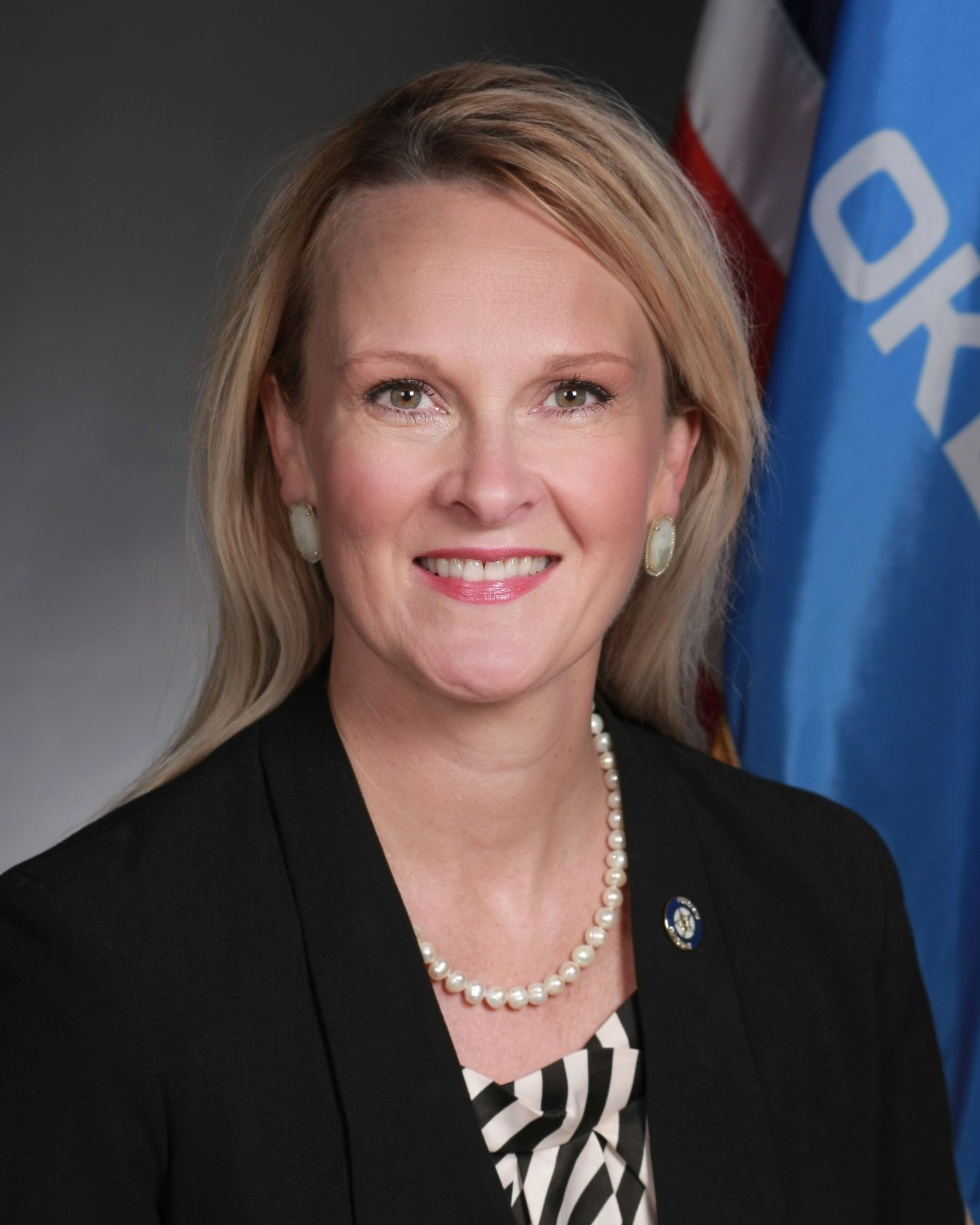
Toni Hasenbeck
Toni Hasenbeck House · District 65
R
Strong +
100% 29
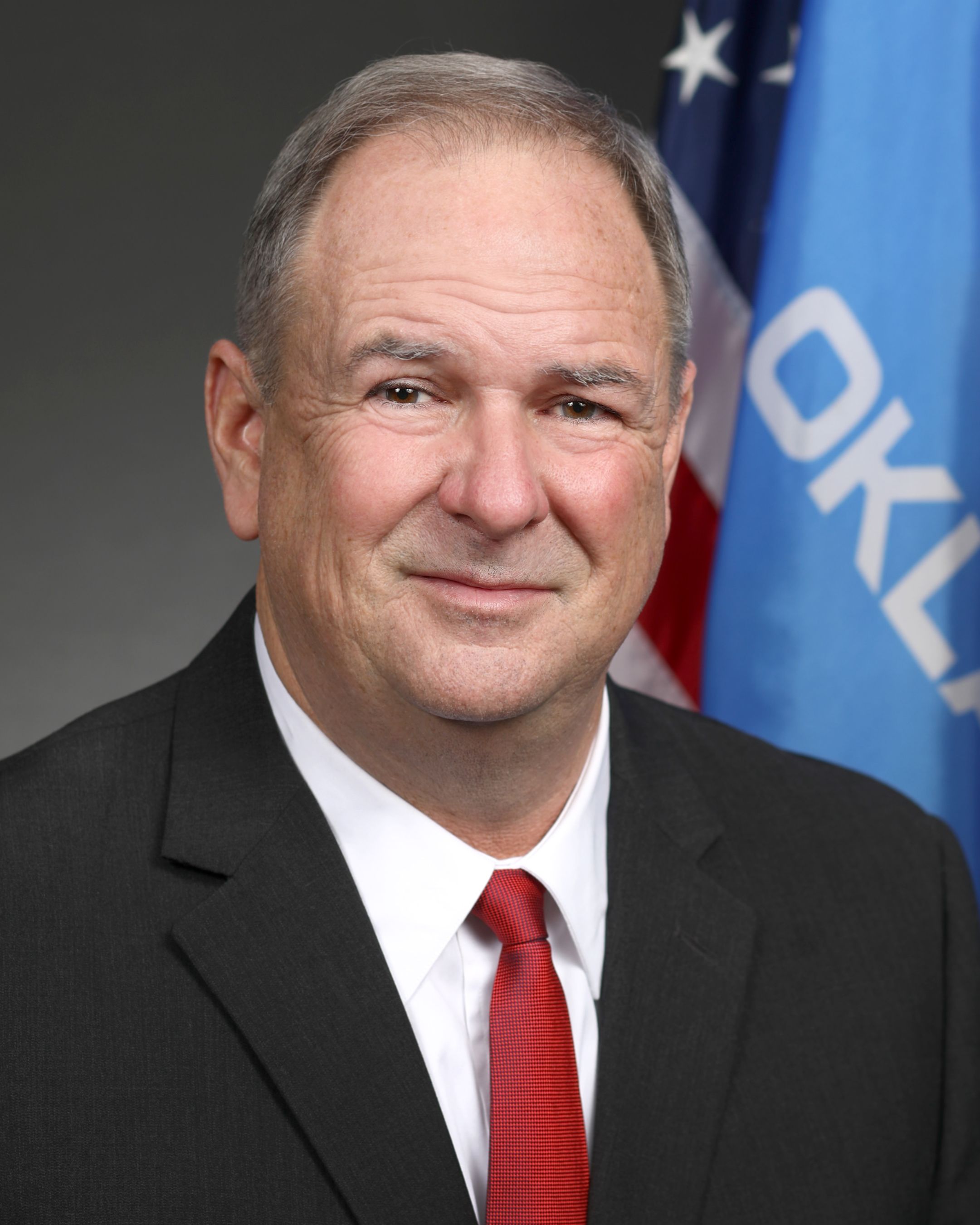
Aaron Reinhardt
Aaron Reinhardt Senate · District 37
R
Strong +
100% 26
Ally Seifried
Ally Seifried Senate · District 2
R
Strong +
100% 26
Eric Roberts
Eric Roberts House · District 83
R
Strong +
100% 23
Kelly Hines
Kelly Hines Senate · District 47
R
Strong +
100% 23
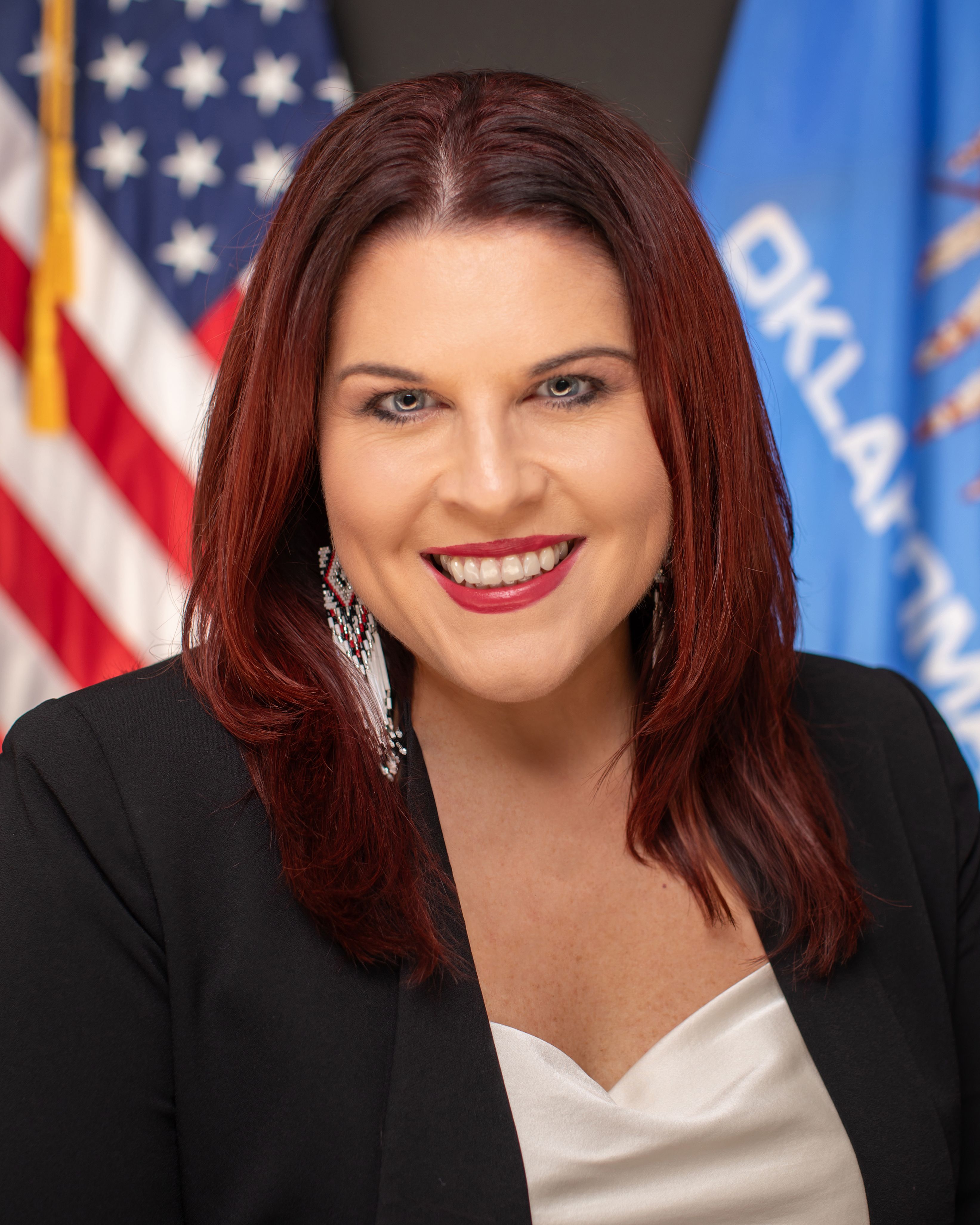
Aletia Timmons
Aletia Timmons House · District 97
D
Strong −
20% 5
Amanda Clinton
Amanda Clinton House · District 71
D
Strong −
20% 5
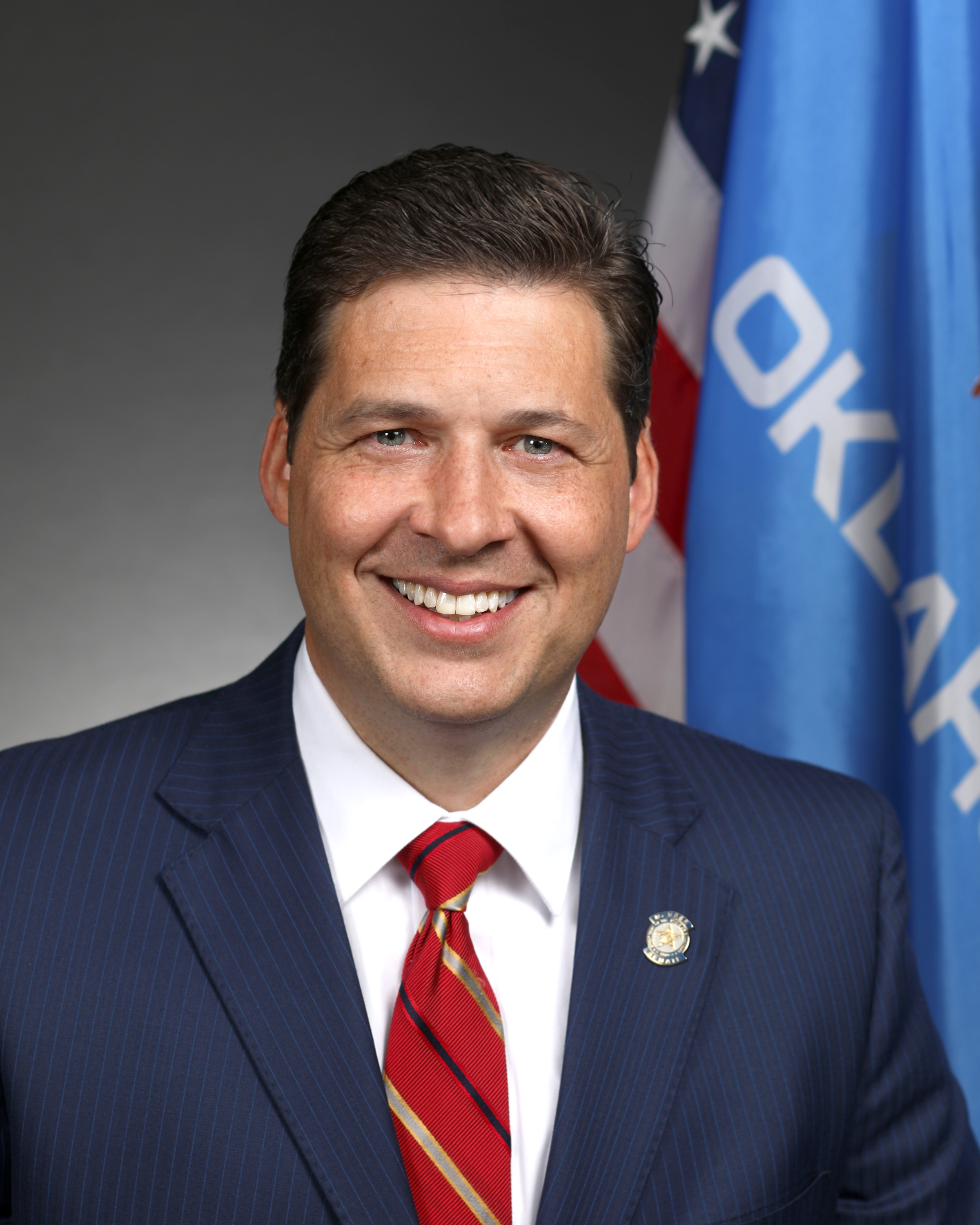
Shane Jett
Shane Jett Senate · District 17
R
Oppose
24% 17
Tom Gann
Tom Gann House · District 8
R
Oppose
25% 20
Michelle McCane
Michelle McCane House · District 72
D
Oppose
27% 30
Showing 31–40 of 98 bills

All education bills

passed · Oklahoma · House Apr 1, 2026

HB 4420: Strong Readers Act; references; legislative findings; reading screenings; reading intervention plans; reading deficiencies; mandatory third grade retention; good cause exemptions; request process; intensive reading intervention; acceleration class; reporting requirements; summer academy programs; teacher training requirements; literacy instructional team; revolving fund; donations; emergency.

HB 4420, the Strong Readers Act, requires annual reading screenings for all kindergarten through third-grade students in Oklahoma public schools to identify reading deficiencies. It mandates scientifically based reading instruction (banning the "three-cueing system" model), requires intensive intervention for students who don’t meet grade-level standards, and allows third-grade retention unless a "good cause" exemption applies. The bill also establishes summer reading academies, teacher training requirements, and parent notification protocols for reading progress. These provisions directly affect K-3 students, their schools, and educators, with implementation beginning in the 2025-2026 school year.
signed · Oklahoma · House May 6, 2026

HB 3671: Teachers; definition for career teacher; effective date.

HB 3671 redefines "career teacher" in Oklahoma law for public school educators. To qualify, teachers must meet specific criteria: either 3+ consecutive years in one district with certain evaluation ratings, 4+ years with averaged "effective" ratings, or a district petition process for those who don't meet standard requirements. This definition directly affects teachers seeking career status, which typically provides enhanced job protections. The bill takes effect July 1, 2026.
Sub-Topics Teachers
in committee · Oklahoma · Senate Feb 3, 2026

SB 2068: Schools; requiring each public school district to create a library advisory committee for each grade level. Effective date. Emergency.

SB 2068 requires every public school district in Oklahoma to form a library advisory committee for each grade level taught. Each committee must include one school board member, one teacher from that grade, and one parent or guardian of a student in that grade. These committees will review and approve all library materials (including books, digital resources, and equipment) to ensure they meet community standards and student needs. The bill takes effect on July 1, 2026, and declares an emergency to expedite implementation.
died · Oklahoma · House Feb 19, 2026

HB 4149: Strong Readers Act; references; legislative findings; declaring intent of the Legislature; reading screenings; reading deficiencies; parent notifications; State Department of Education; reading panel; alternate reading assessments; promotion to fourth grade; retaining third grade; good-cause exemptions; intensive reading instruction; intensive acceleration class; reporting requirements; teacher training requirements; eighth-grade reading level; driver license; remedial reading for driver licenses; alternative reading proficiency tests; motorcycle licenses; testing site requirements; documentation requirements; out of state test results; school enrollment, completion, or lawful excuse for minors to obtain a driver license; violations; alternate route to obtain driver license; employer fines; attendance officers; Department of Public Safety; license cancellation; definitions; exceptions; forms; effective date; emergency.

HB 4149, the Strong Readers Act, requires Oklahoma public schools to screen all kindergarten through third-grade students for reading proficiency three times yearly using state-approved tools. It prohibits the "three-cueing system" (meaning/structure/visual cues) in reading instruction and mandates evidence-based teaching methods focused on phonological awareness, decoding, fluency, vocabulary, and comprehension. Students who do not meet grade-level reading standards may be retained in third grade, with schools required to provide intensive reading instruction, notify parents, and establish acceleration classes for retained students. The law aims to ensure students achieve grade-level reading proficiency by the end of third grade through standardized assessments and targeted support.
in committee · Oklahoma · House Feb 10, 2026

HB 3379: Higher education; Higher Education Workforce Development and Fair Admission Act; prohibiting state education institutions from inquiring about criminal conviction history on initial application; exceptions; effective date; emergency.

HB 3379 prohibits Oklahoma public colleges and universities from asking about a prospective student's criminal history on initial application forms or during early admissions decisions, except for convictions related to sex offenses listed in Oklahoma law (21 Okl. Stat. §§ 843.5, 1111, etc.). After admission, institutions may inquire about criminal history for counseling, campus participation decisions, or specific programs like teacher preparation, but must consider factors like time passed, rehabilitation, and the offense's relevance. The bill specifically prevents denial of admission or academic program continuation for students seeking licensed careers (e.g., teaching) based solely on criminal history, requiring institutions to offer counseling about licensing requirements instead. It takes effect July 1, 2026.
in committee · Oklahoma · House Feb 16, 2026

HB 4262: Teachers; annual bonus for teachers with National Board certification; minimum salary schedule; striking National Board certification salary increment; effective date; emergency.

HB 4262 provides financial and programmatic support for Oklahoma public school teachers seeking National Board certification. It covers up to $1,800 of certification costs annually for up to 100 teachers through the Education Leadership Oklahoma program, offers free mentoring for up to three years, and grants two additional professional leave days for portfolio development. The bill also establishes an annual $5,000 bonus for certified teachers - payable for five years for those certified after June 30, 2013, or ten years for those certified before - funded by lottery dollars and paid directly to eligible teachers. This bonus does not count toward minimum salary schedules or retirement calculations, and recipients are ineligible for the additional salary increment under the minimum salary schedule.
signed · Oklahoma · Senate May 13, 2026

SB 1734: Schools; creating the Oklahoma Responsible Technology in Schools Act; requiring development of guidance for use of artificial intelligence and emerging technologies. Effective date. Emergency.

SB 1734, the Oklahoma Responsible Technology in Schools Act, restricts AI tool use in public schools to educator-supervised settings, requiring all classroom AI applications to operate under teacher oversight ("human-in-the-loop") with educators reviewing outputs before use in instruction or assessment. It prohibits AI from determining high-stakes outcomes like grading, discipline, or student placement, and mandates school districts to adopt policies by the 2027-2028 school year covering data privacy, appropriate use, and transparency for families. The State Department of Education must develop guidance to help districts comply, while ensuring AI tools meet federal privacy laws (like FERPA) and minimize student data sharing. The bill takes effect July 1, 2026, and does not compel schools to adopt AI but sets guardrails for its responsible use.
in committee · Oklahoma · House Feb 3, 2026

HB 4156: Teachers; employment contracts; job description and duties category; prohibiting certain provisions; permitting compensated additional duties outside of contract hours; effective date; emergency.

HB 4156 requires Oklahoma public school districts to include specific, clear categories in teacher employment contracts, such as detailed job descriptions, guaranteed 30-minute duty-free lunch breaks, and itemized salary and benefit breakdowns. It prohibits contracts from containing vague phrases like "all other duties as assigned" or requiring uncompensated work outside scheduled hours, while allowing compensated additional duties outside contract time. The law directly affects K-12 teachers in Oklahoma public school districts by mandating transparency in their contracts and compensation. It takes effect July 1, 2026, and applies to all new and renewed contracts starting with the 2026-2027 school year.
signed · Oklahoma · Senate Apr 24, 2026

SB 1432: Teachers; removing reference to pilot status of new and innovative pathways toward teacher certification; removing sunset date. Effective date. Emergency.

SB 1432 removes the temporary "pilot program" designation and the July 1, 2026 sunset date from Oklahoma's alternative teacher certification pathways. This permanent change affects teacher certification providers and candidates who use non-traditional routes to become licensed educators. The bill amends Oklahoma law to make these innovative certification programs permanent, eliminating the requirement for annual reapproval and the expiration date. It ensures providers offering these pathways no longer need to operate under temporary status, streamlining the process for educators seeking certification through alternative routes.
Sub-Topics Teachers
signed · Oklahoma · Senate May 12, 2026

SB 2045: Schools; Grow Your Own Educator Program; eligible school district; funds; alternative certification pathway. Emergency.

SB 2045 requires public elementary schools serving full-day pre-kindergarten through fifth grade to provide at least 30 minutes of daily recess as a condition of state accreditation. This applies to all students in those grades, with recess allowed to be split into segments and required to occur outdoors when weather and conditions permit. The bill removes previous recommendations about recess and instead mandates it as a distinct requirement separate from the existing 60-minute weekly physical education requirement. Schools must comply by July 1, 2026, or risk losing accreditation.
Showing 31 to 40 of 98 bills
Previous 1 3 4 5 10 Next