Issue · Criminal Justice

Criminal Justice (Courts)

Every criminal justice bill, vote, and legislator stance in Oklahoma, automatically classified by Maddy, our AI policy reader.

Total bills
11
2026 Regular Session
Top supporter
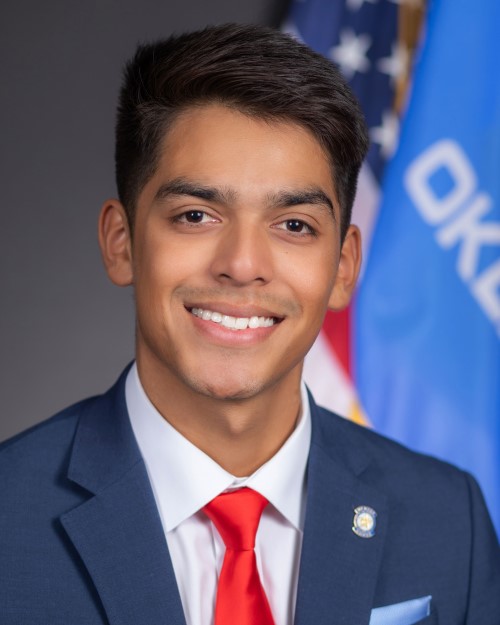
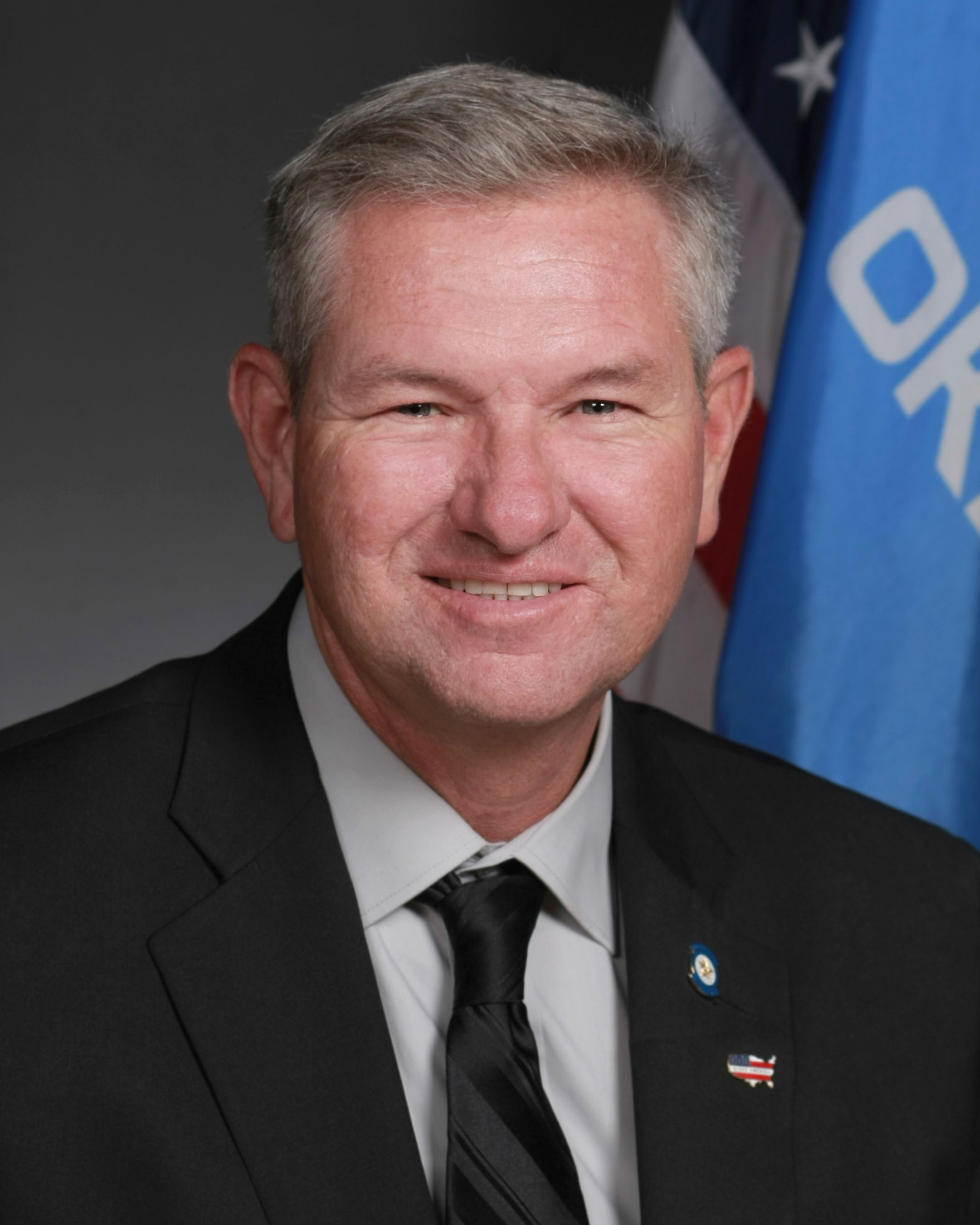
Arturo Alonso
100% support rate
Top opponent
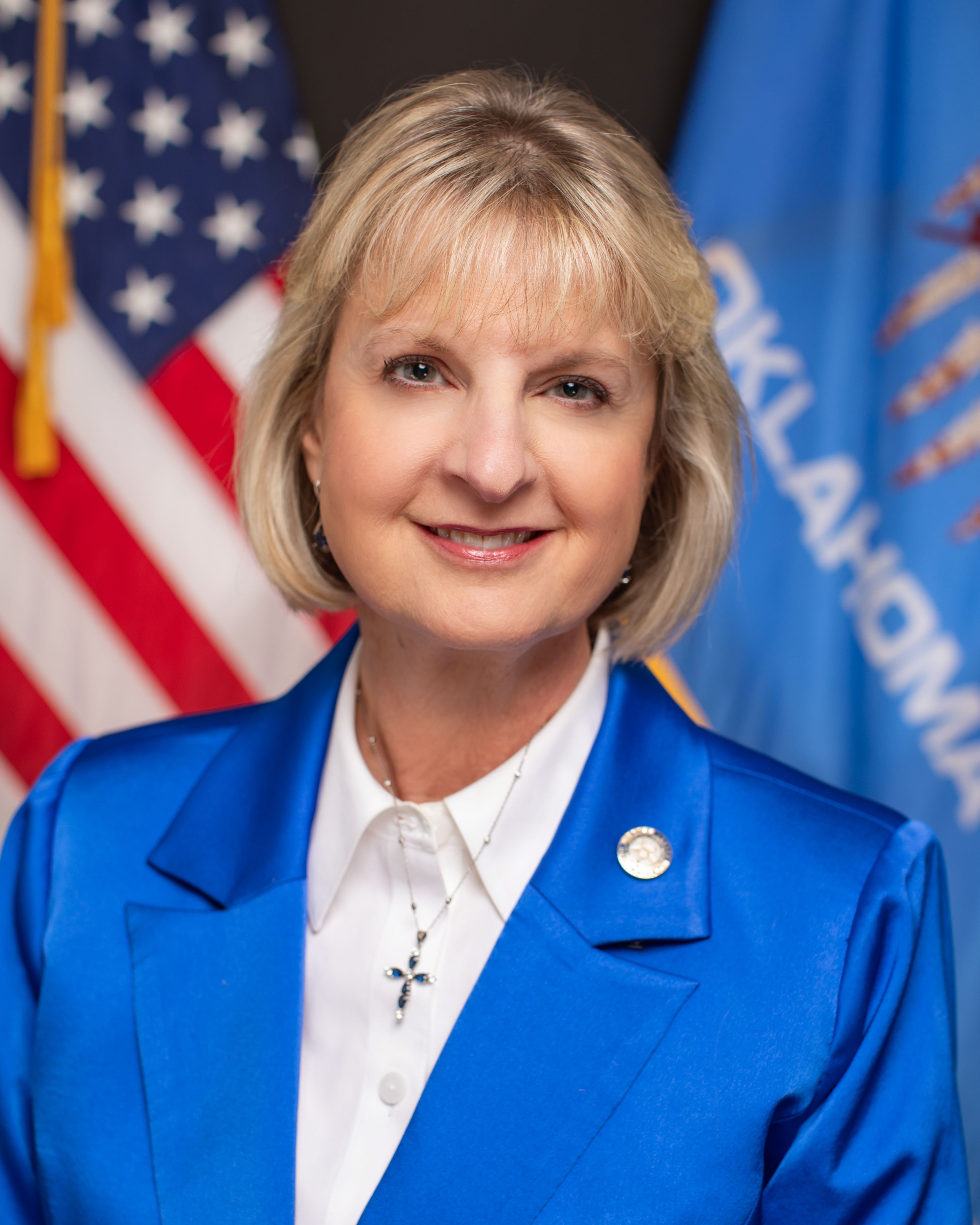
Ross Ford
0% support rate
Ranked legislators
10
5 support · 5 oppose
Key legislators

Who's moving courts in Oklahoma

Legislators moving courts in Oklahoma
Legislator Party Stance Support rate Votes
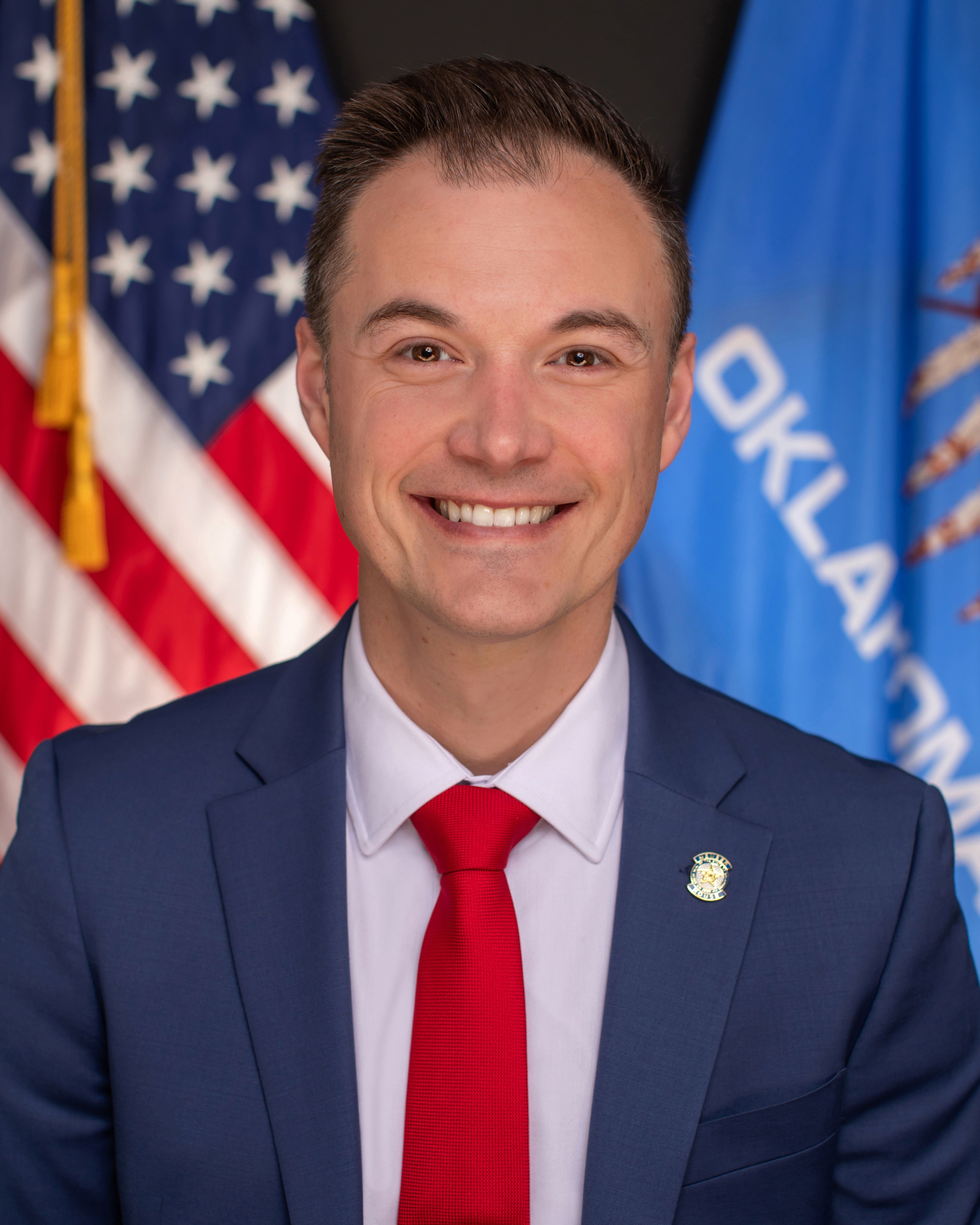
Arturo Alonso
Arturo Alonso House · District 89
D
Strong +
100% 4
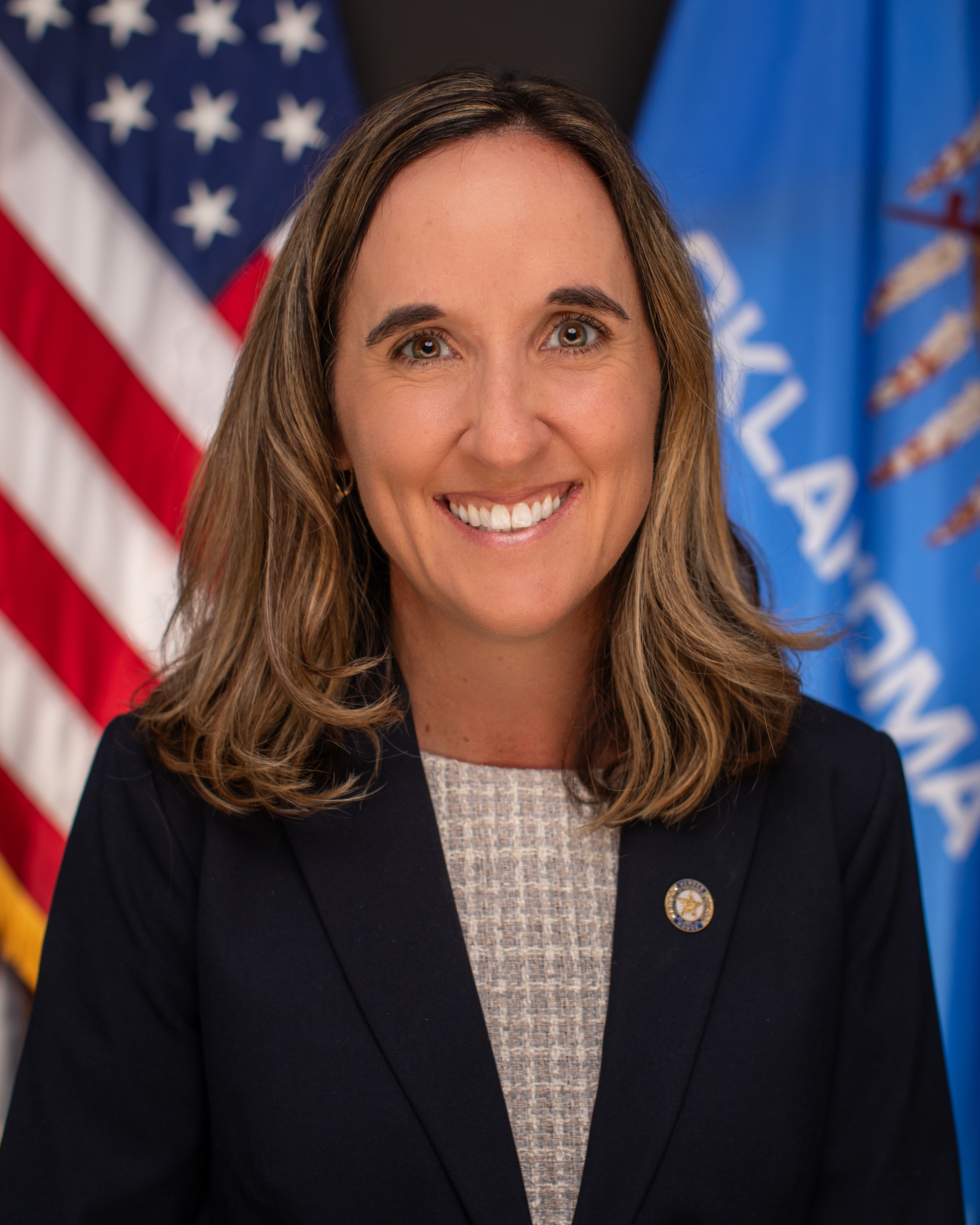
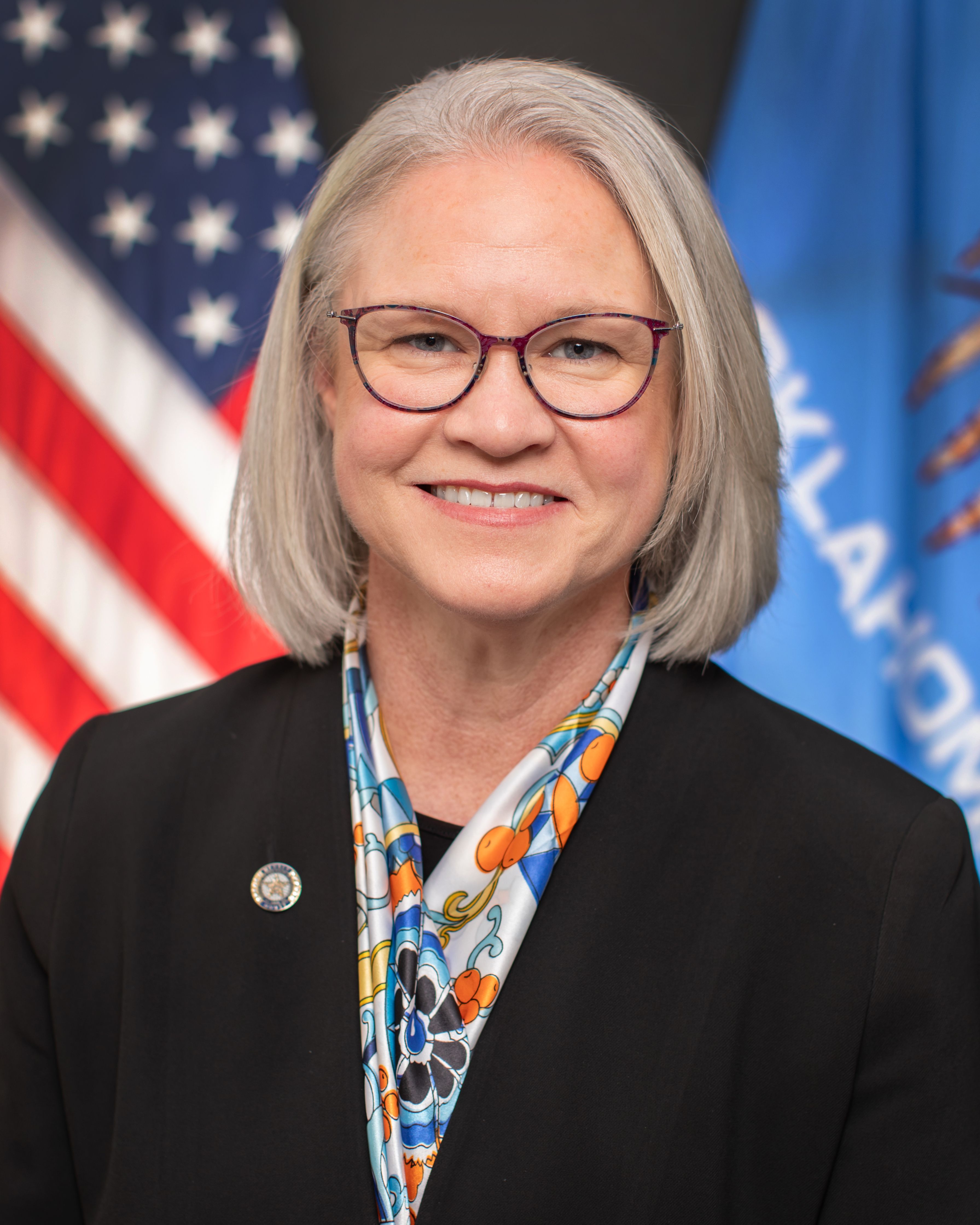
Ellen Pogemiller
Ellen Pogemiller House · District 88
D
Strong +
100% 4
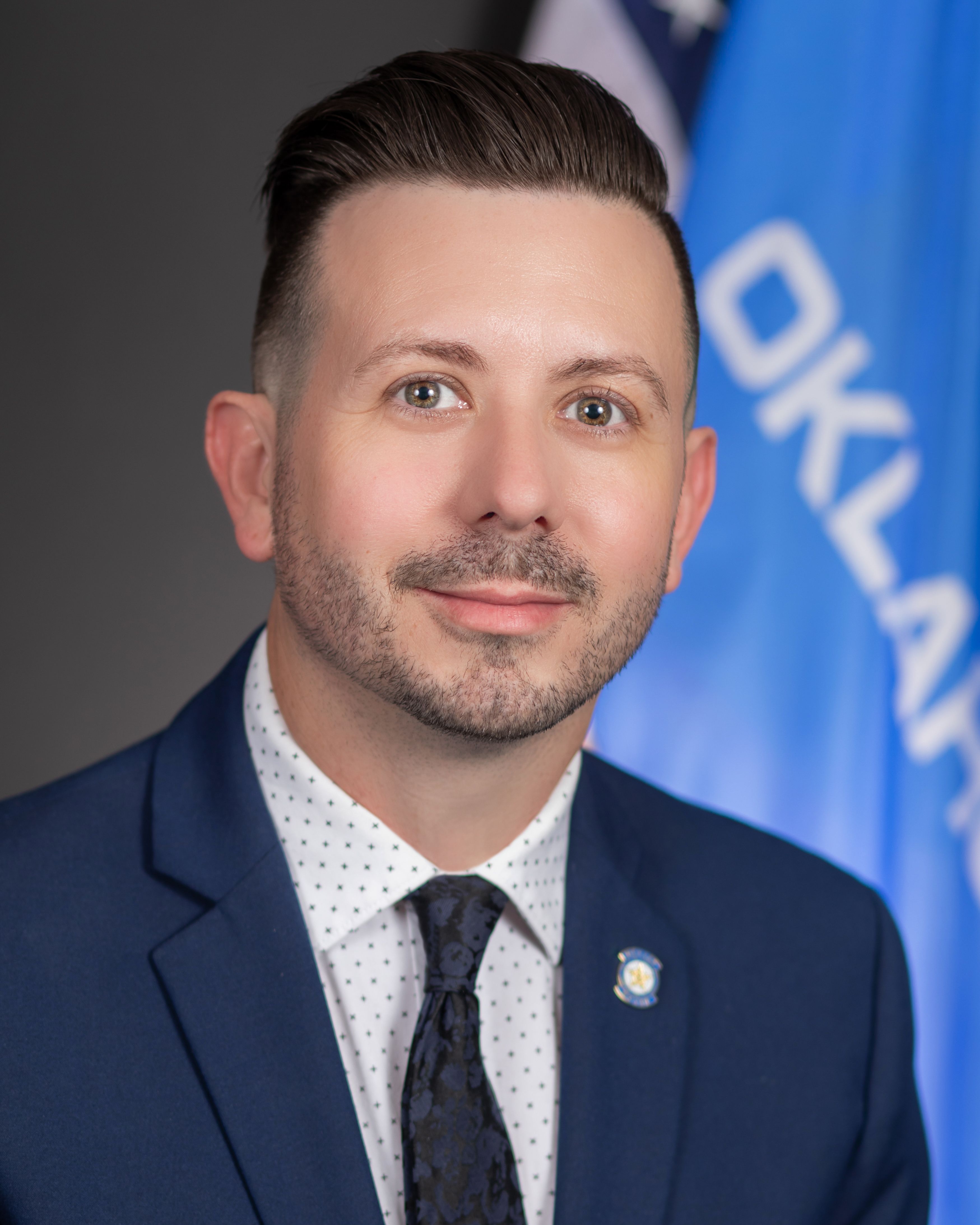
Jared Deck
Jared Deck House · District 44
D
Strong +
100% 4
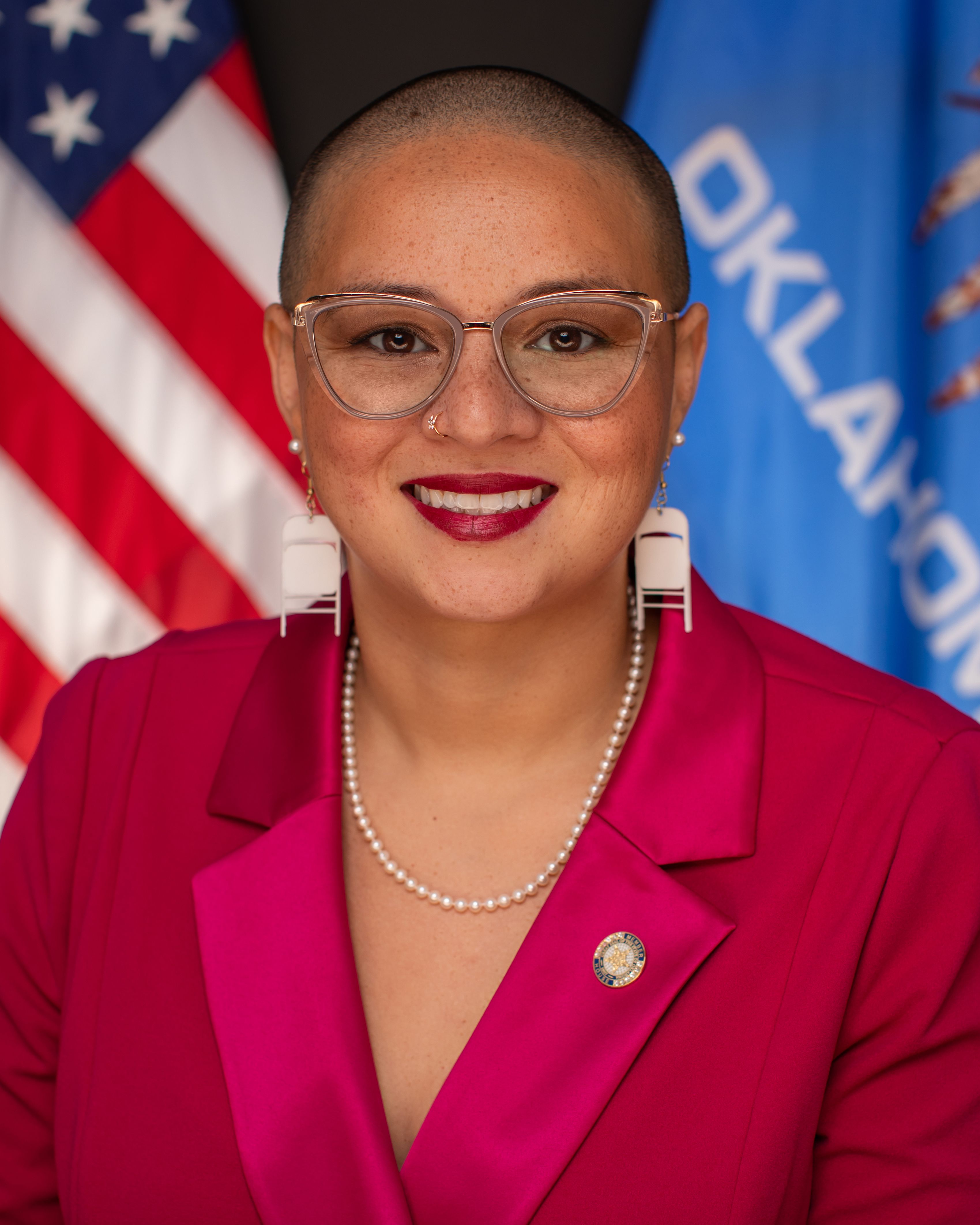
Michelle McCane
Michelle McCane House · District 72
D
Strong +
100% 4
Trish Ranson
Trish Ranson House · District 34
D
Strong +
100% 4
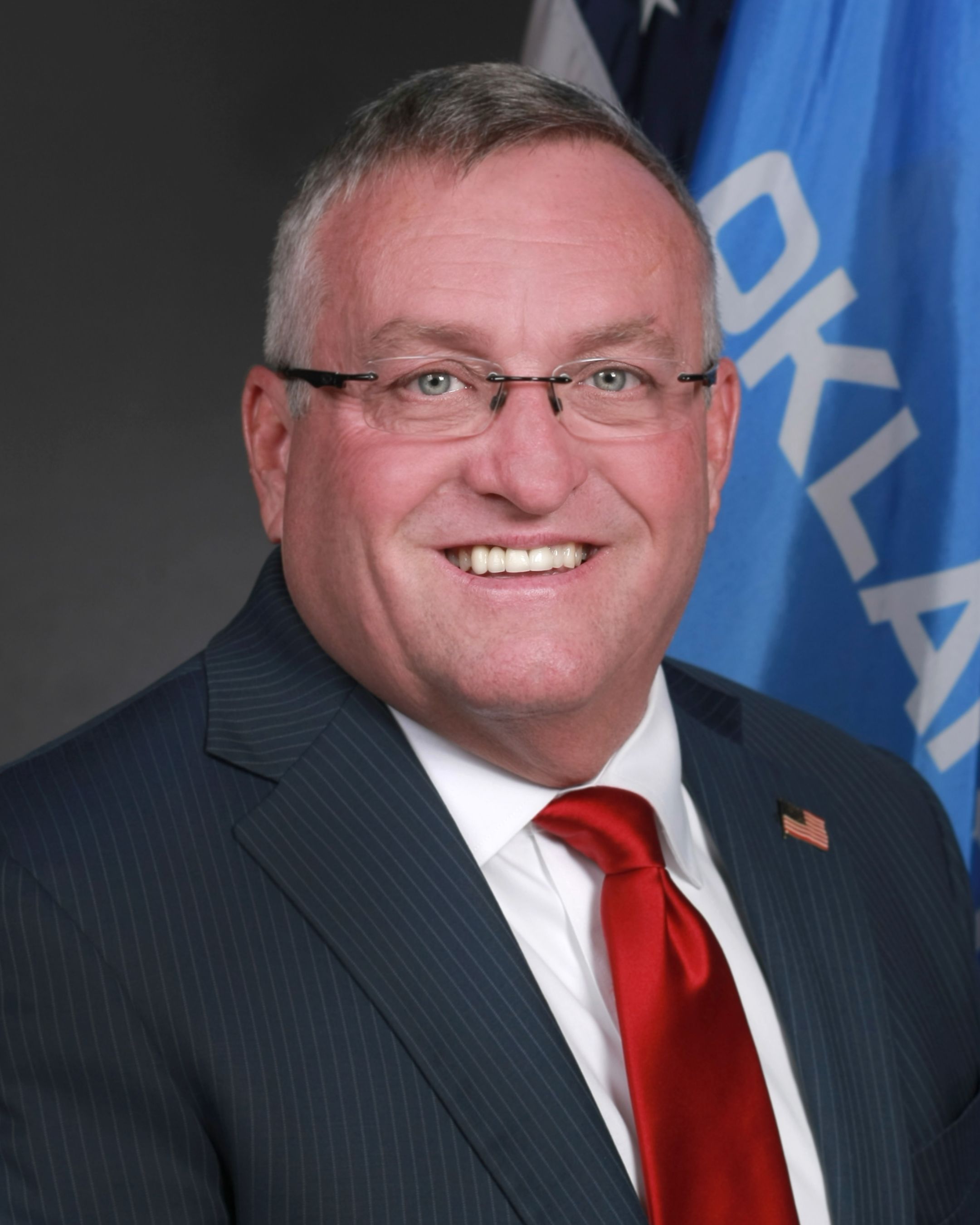
Ross Ford
Ross Ford House · District 76
R
Strong −
0% 5
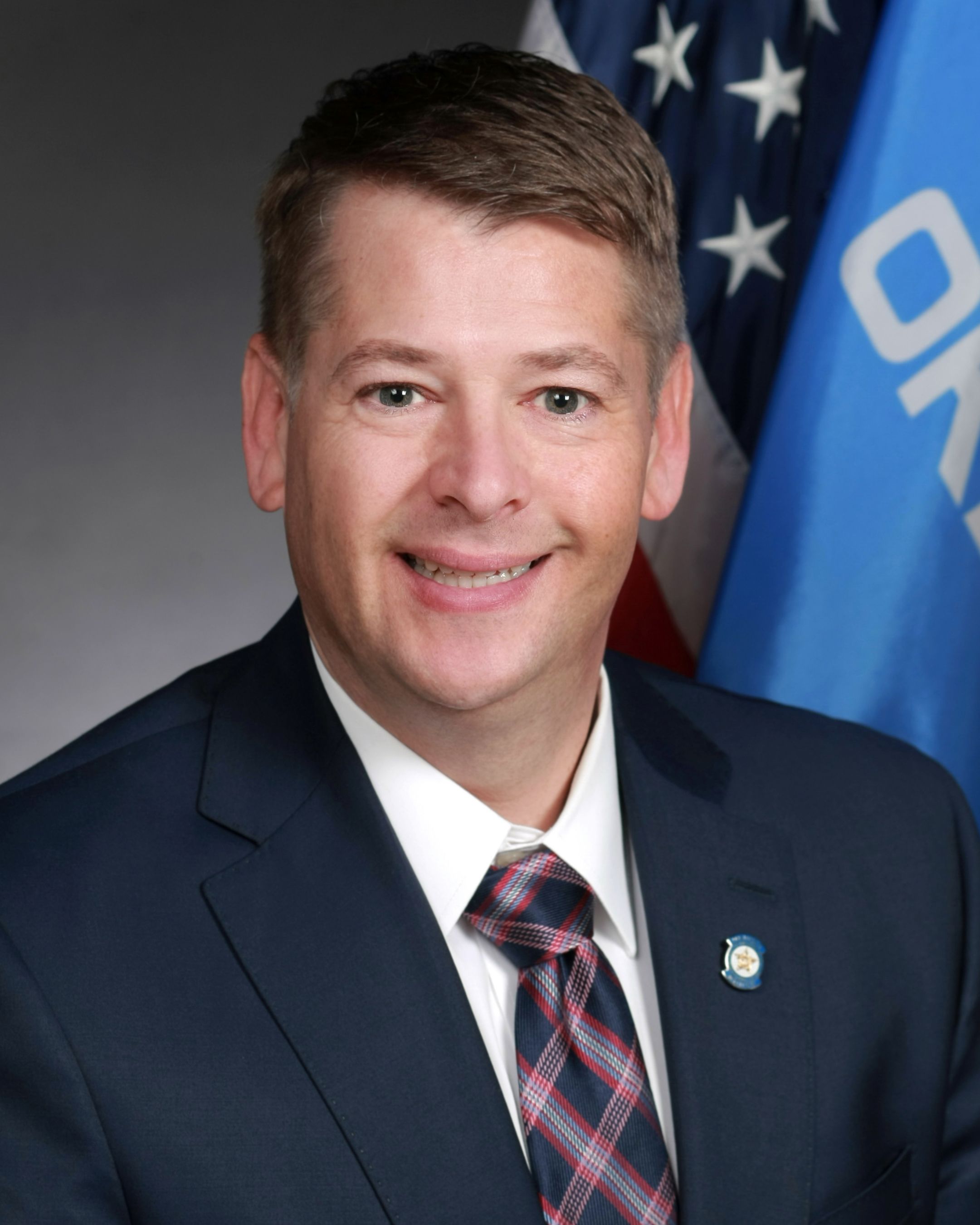
Chris Sneed
Chris Sneed House · District 14
R
Strong −
0% 4
Cody Maynard
Cody Maynard House · District 21
R
Strong −
0% 4
David Smith
David Smith House · District 18
R
Strong −
0% 4
Denise Crosswhite Hader
Denise Crosswhite Hader House · District 41
R
Strong −
0% 4
Showing 1–10 of 11 bills

All criminal justice bills

in committee · Oklahoma · Senate Feb 19, 2026

SB 1878: Criminal procedure; authorizing bail to be me with a surety bond; requiring Court of Criminal Appeals to adopt uniform statewide bond schedule. Effective date.

SB 1878 prohibits Oklahoma courts from accepting bail payments made by charitable bail organizations for defendants. This directly affects defendants who rely on these organizations to secure pretrial release. The bill amends state law to require courts to reject bail payments if they suspect a charitable group paid for it, though it does not change bail amounts or eligibility. The law would take effect on November 1, 2026, if enacted.
Sub-Topics Courts
in committee · Oklahoma · Senate Feb 3, 2026

SB 2089: Cities and towns; requiring certain cities operate a court of record. Effective date.

SB 2089 requires Oklahoma cities with populations over 65,000 (as determined by the latest federal census) to establish a formal "Municipal Criminal Court of Record" for handling serious ordinance violations. It increases maximum penalties for certain offenses, such as allowing fines up to $2,500 for repeat prostitution violations in cities over 200,000 people, and sets new limits like $1,200 fines or six-month jail terms for most violations. Defendants facing fines over $500 are guaranteed a jury trial unless they waive it, and courts gain authority to handle cases involving traffic offenses related to alcohol/drugs. The bill takes effect November 1, 2026, directly affecting residents in large cities and city governments required to create these courts.
Sub-Topics Corrections Courts
signed · Oklahoma · House May 4, 2026

HB 3497: Criminal procedure; appeals taken by the state or municipality; clarification; effective date.

HB 3497 expands when the state or local governments can appeal pretrial rulings in criminal cases. It specifically adds two new grounds for appeals: 1) decisions suppressing evidence in felony cases where appellate review serves justice, and 2) rulings suppressing evidence in cases involving specific drug or trafficking laws (Sections 13.1 of Title 21 and 571 of Title 57). The bill prioritizes these appeals and requires courts to pause proceedings while appeals are pending. This directly affects prosecutors and municipalities seeking to challenge evidence suppression before trial. The changes take effect November 1, 2026.
Sub-Topics Courts
signed · Oklahoma · House Apr 30, 2025

HB 1579: Juvenile bureaus; salaries and expenses; limitations; effective date.

HB 1579 sets salary limits for juvenile bureau staff in Oklahoma counties, capping directors' pay at 90% of Class A county officer salaries and other employees at 85%. It requires juvenile court judges (with county commissioner oversight) to establish expense limits for bureau operations and mandates that all bureau costs - salaries and expenses - be funded through county budgets or dedicated sales taxes. The bill also specifies that county excise boards must appropriate funds for bureau staffing and operations, consistent with other county officer budgets. Additionally, it clarifies that district attorneys represent juvenile bureaus in lawsuits, unless conflicts arise. The law became effective November 1, 2025.
signed · Oklahoma · House May 12, 2025

HB 1693: Criminal procedure; clarifying evidentiary hearing requirements; effective date.

HB 1693 clarifies Oklahoma's process for determining if a death row inmate is mentally competent to be executed. It requires inmates to file a motion challenging competency within seven days of the state's execution date request, with the court ordering a hearing to assess if the inmate can rationally understand the execution. The law establishes a presumption of competency, meaning inmates must prove incompetence by showing a "substantial doubt" through evidence like medical records. If found incompetent, the court mandates mental health treatment to restore competency within 30 days, with the state providing care until the inmate regains competency or the execution date is rescheduled.
Sub-Topics Corrections Courts
in committee · Oklahoma · House Feb 4, 2025

HB 2525: Criminal procedure; modifying eligibility procedures for indigent representation by the Oklahoma Indigent Defense System; effective date.

HB 2525 modifies Oklahoma's process for determining eligibility for free legal representation through the Oklahoma Indigent Defense System. It requires criminal defendants seeking free counsel to pay a $40 nonrefundable application fee (with possible court deferral), submit a sworn statement confirming they contacted three licensed Oklahoma attorneys without success, and provide details about bond status. The bill deletes a prior rule that created a rebuttable presumption of eligibility if a defendant couldn't post bail (other than personal recognizance), removing a key pathway for some low-income defendants to qualify. This directly affects criminal defendants in Oklahoma who cannot afford private attorneys and seek court-appointed counsel.
Sub-Topics Courts
in committee · Oklahoma · Senate Feb 25, 2025

SB 734: Fees; increasing sheriff's fee for certain service. Effective date. Emergency.

SB 734 increases court fees for defendants convicted in Oklahoma criminal cases, directly affecting individuals sentenced for offenses like traffic violations, misdemeanors, and felonies. The bill adds new mandatory fees: $3 for the Child Abuse Multidisciplinary Account, $10 for courthouse security, $15 for impaired driving cases, and additional amounts for the Law Library Fund, Court Information System, Victim Services, and other state accounts. It maintains the existing sheriff’s service fee range ($50-$150 for within-county service) but clarifies how these fees are allocated. These changes apply to all criminal cases, with fees collected at sentencing and deposited into specified state funds.
in committee · Oklahoma · Senate Feb 4, 2025

SB 899: Protection from Domestic Abuse Act; modifying provisions related to protective orders. Effective date.

SB 899 modifies Oklahoma's Protection from Domestic Abuse Act by requiring non-family victims (e.g., neighbors or coworkers) to file a police report with law enforcement before submitting a protective order petition to court. It also allows electronic service of orders across county lines and mandates courts to consider a defendant's criminal history when issuing orders. The bill changes penalty rules for violating protective orders but maintains existing provisions allowing courts to waive fees for victims who cannot afford them. These changes directly affect individuals seeking protection from domestic abuse who are not family members or in dating relationships with the abuser.
in committee · Oklahoma · House Feb 4, 2025

HB 1312: Crimes and punishments; making certain acts unlawful; codification; effective date.

HB 1312 makes it a felony for individuals unlawfully present in the U.S. to be arrested for a criminal offense in Oklahoma, punishable by up to life in prison. However, courts may suspend prosecution and order deportation instead, requiring the Department of Corrections to arrange transportation to return the person to their country of origin. If someone returns to Oklahoma after deportation and is arrested again, the court can revoke the suspended sentence and impose the full original prison term. The law takes effect on November 1, 2025, directly affecting undocumented immigrants arrested for state crimes.
signed · Oklahoma · Senate May 14, 2025

SB 657: Justifiable homicide; authorizing appeal of certain ruling to Court of Criminal Appeals. Effective date.

SB 657 (Oklahoma Senate Bill 657) allows police officers and others acting under their command to appeal pretrial rulings finding their use of deadly force unjustified directly to the Oklahoma Court of Criminal Appeals within 10 days. The law requires the court to give these appeals priority and automatically stays the underlying case while the appeal is pending. Officers who miss the 10-day deadline forfeit the immediate appeal but retain the right to raise the issue at trial or on direct appeal. The bill amends Oklahoma Statute 21 O.S. 2021, Section 732, and takes effect November 1, 2025.
Showing 1 to 10 of 11 bills
1 2 Next