Issue · Criminal Justice

Criminal Justice

Every criminal justice bill, vote, and legislator stance in Oklahoma, automatically classified by Maddy, our AI policy reader.

Total bills
448
2026 Regular Session
Top supporter
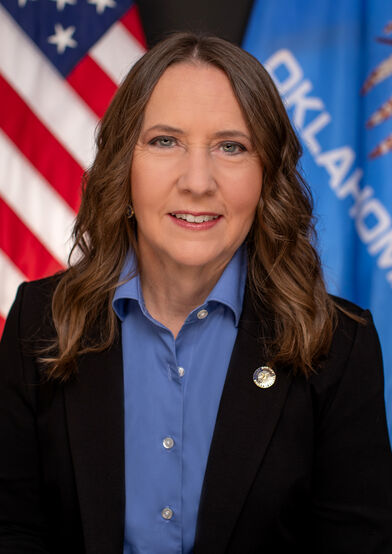
Aletia Timmons
76% support rate
Top opponent
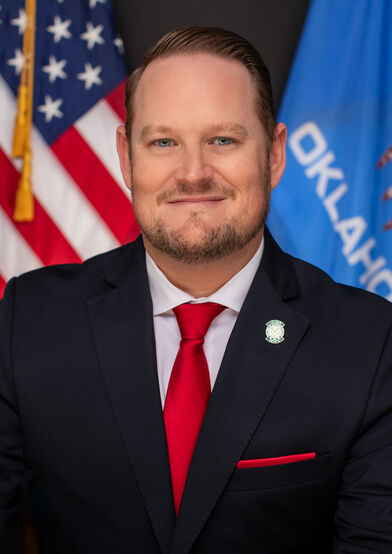
Brian Guthrie
24% support rate
Ranked legislators
10
5 support · 5 oppose
Key legislators

Who's moving criminal justice in Oklahoma

Legislators moving criminal justice in Oklahoma
Legislator Party Stance Support rate Votes
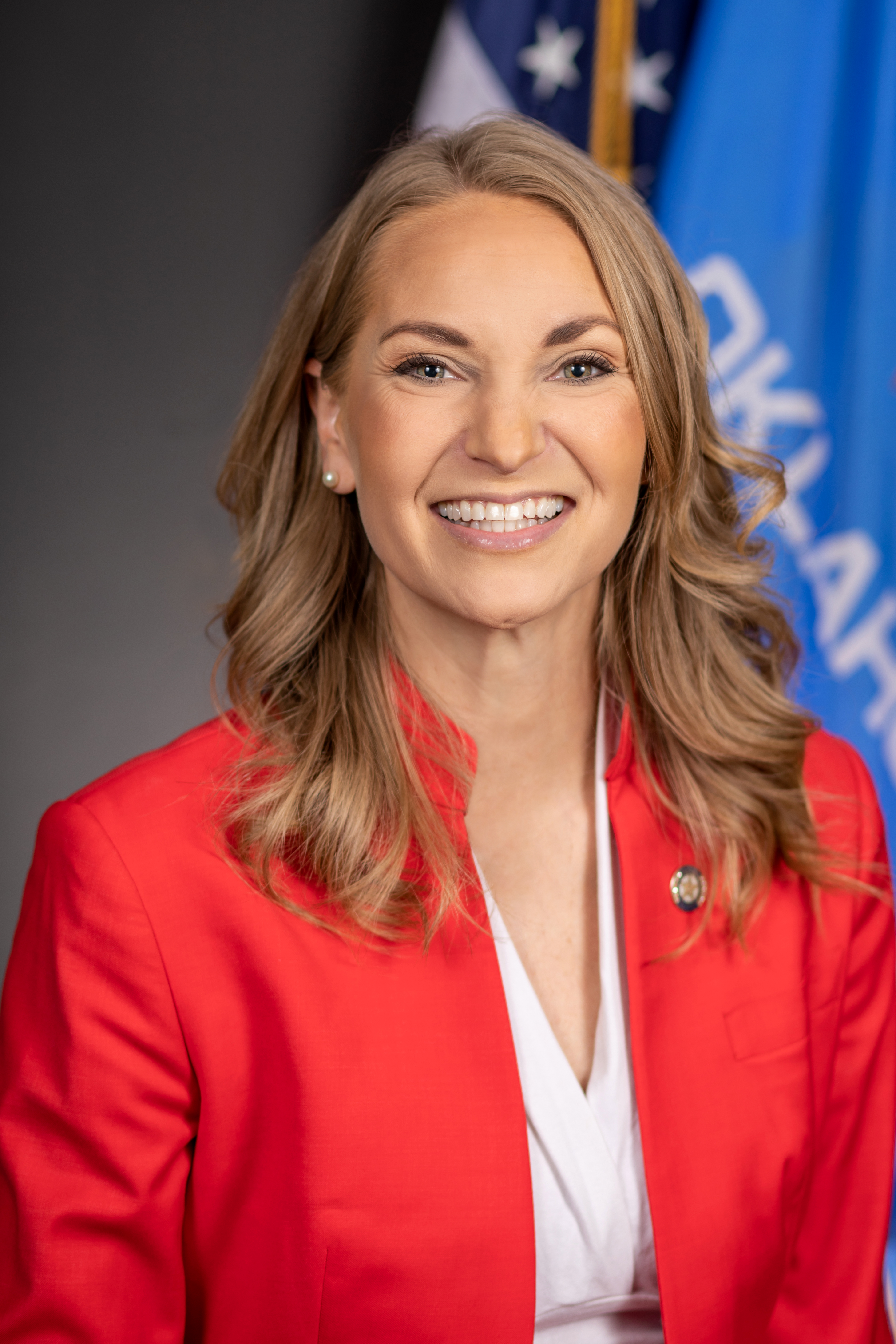
Aletia Timmons
Aletia Timmons House · District 97
D
Support
76% 91
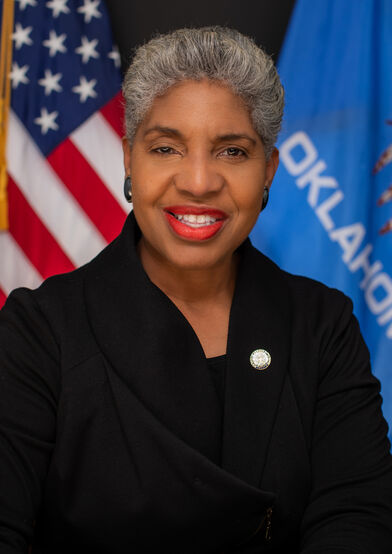
Regina Goodwin
Regina Goodwin Senate · District 11
D
Support
73% 225
Michael Brooks
Michael Brooks Senate · District 44
D
Support
72% 274
Carri Hicks
Carri Hicks Senate · District 40
D
Support
71% 184
Julia Kirt
Julia Kirt Senate · District 30
D
Support
70% 174
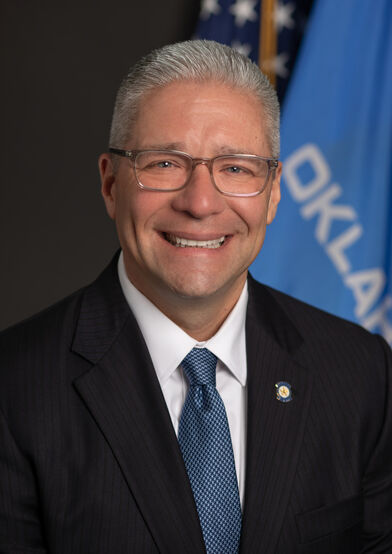
Brian Guthrie
Brian Guthrie Senate · District 25
R
Oppose
24% 158
Lisa Standridge
Lisa Standridge Senate · District 15
R
Oppose
26% 220
Jay Steagall
Jay Steagall House · District 43
R
Oppose
27% 149
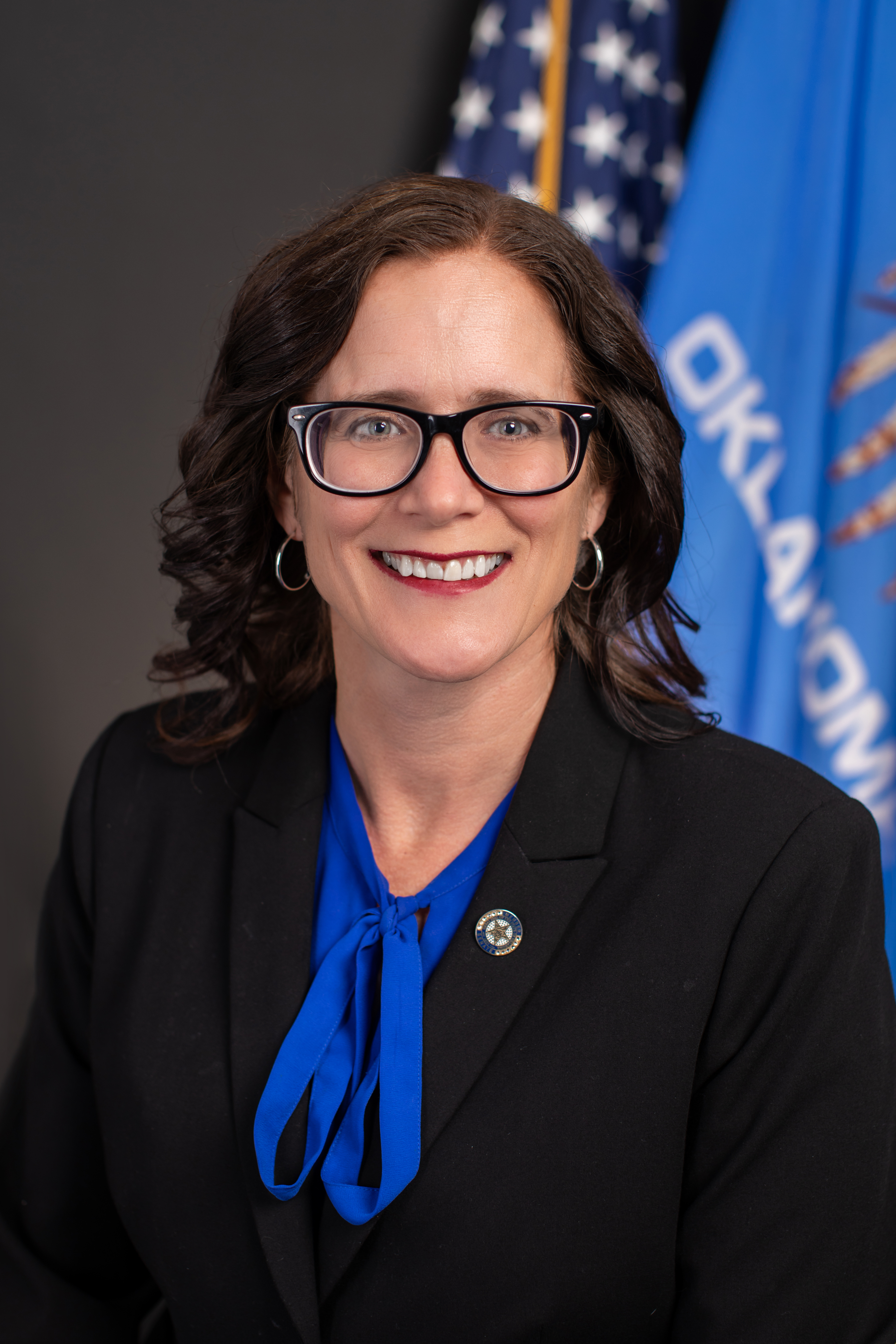
Julie McIntosh
Julie McIntosh Senate · District 3
R
Oppose
28% 164
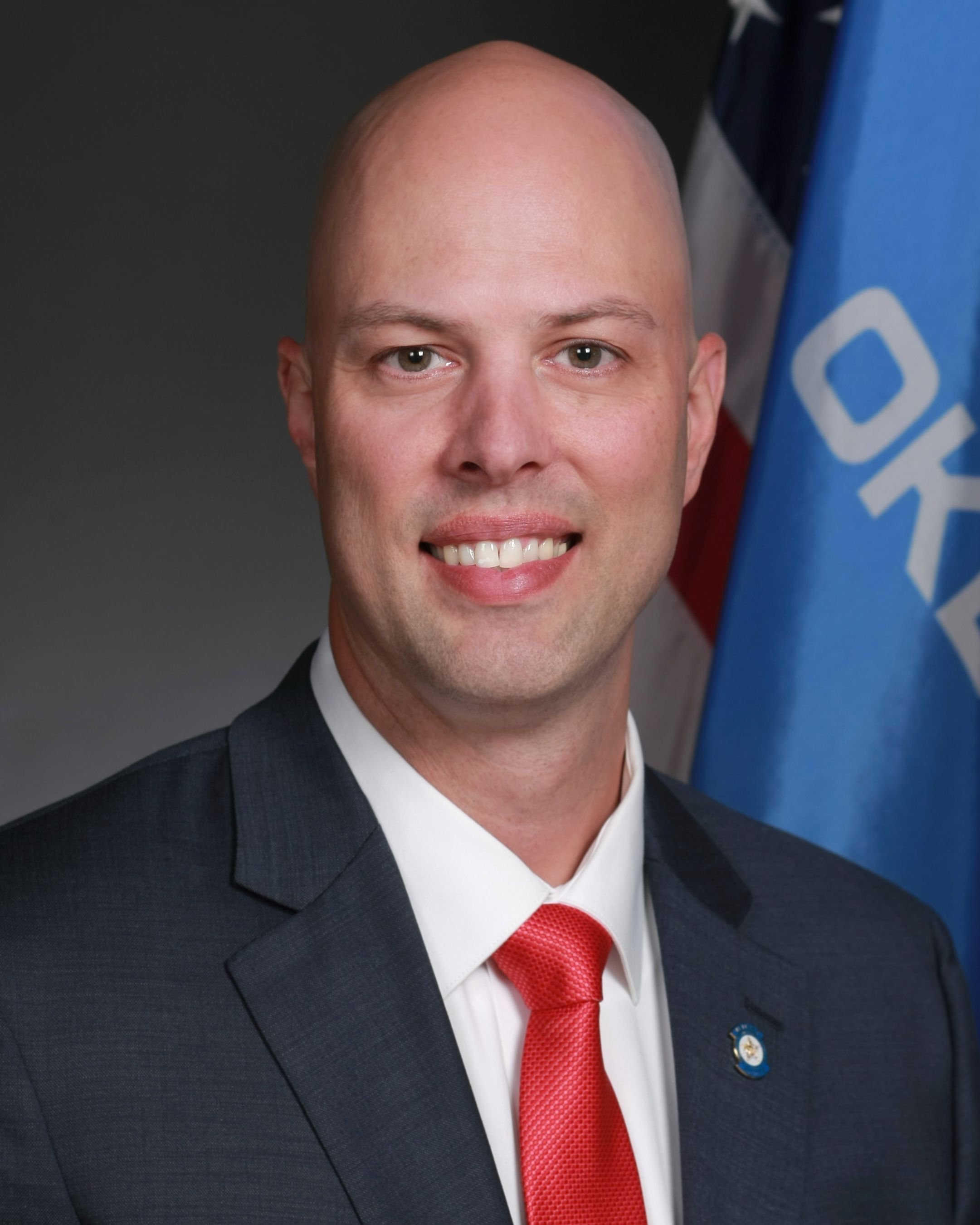
Dusty Deevers
Dusty Deevers Senate · District 32
R
Oppose
28% 156
Showing 251–260 of 448 bills

All criminal justice bills

in committee · Oklahoma · House Feb 4, 2025

HB 1142: Civil penalty expungement; Oklahoma Civil Penalty Expungement Policy Act of 2025; effective date.

HB 1142 creates the "Oklahoma Civil Penalty Expungement Policy Act of 2025," establishing a new policy to allow expungement of civil penalties (like fines or fees) for eligible individuals. This policy does not become part of the Oklahoma Statutes but will take effect on November 1, 2025. It directly affects Oklahomans who have paid civil penalties and meet the policy's criteria for having those penalties removed from their record. The bill provides the framework for this expungement process without altering existing codified law.
passed · Oklahoma · House Apr 22, 2025

HB 2802: Professions and occupations; additional terms; effective date.

HB 2802 amends Oklahoma's licensing laws for professions and occupations to limit when criminal history can block a license. It prohibits denial based on sealed/expunged records, arrests without conviction, or convictions over five years old (unless involving specific violent offenses like domestic abuse or sex offenses). Licensing agencies must now consider factors like the offense's relevance to the job, time passed, rehabilitation efforts, and provide written notice with appeal rights if denying a license. This directly affects applicants with criminal records seeking licenses for jobs like nursing, contracting, or childcare, ensuring decisions are based on specific, relevant criteria rather than vague standards.
Sub-Topics Domestic Violence Professional Licensing Tags Licensing
passed · Oklahoma · House Apr 16, 2026

HB 1002: Stalking; directing law enforcement agencies to provide certain notification to victims of stalking; effective date.

HB 1002 requires Oklahoma law enforcement agencies to file specific notifications with victims of stalking, rather than serving them directly. This bill directly affects stalking victims by changing how they receive official updates about their cases. The key provision amends existing procedures to mandate that law enforcement "file" these notifications with victims, streamlining the process while ensuring victims are informed. The bill is currently moving through committee with a "Do Pass" recommendation after committee amendments.
in committee · Oklahoma · House Feb 4, 2025

HB 1862: Law enforcement officers; creating the Oklahoma Law Enforcement Event Deconfliction Act; directing law enforcement personnel to submit certain information to the event deconfliction system; codification; effective date.

HB 1862 creates the "Oklahoma Law Enforcement Event Deconfliction Act," requiring all Oklahoma law enforcement personnel (including federal, state, tribal, and local agencies) to submit specific details about planned high-risk operations - such as raids, warrant executions, or surveillance - to a centralized event deconfliction system at least one hour before the event. The system identifies potential conflicts (e.g., overlapping operations) and mandates personnel to resolve them before proceeding, with failure to do so risking civil, administrative, or criminal penalties. Submitted information - including location, time, contact details, and search radius - is confidential and exempt from public records laws, while misuse (like submitting or accessing data for non-investigative purposes) is punishable by misdemeanor charges. The law aims to prevent accidental clashes between law enforcement teams during coordinated or overlapping operations.
Sub-Topics Law Enforcement
in committee · Oklahoma · House Feb 4, 2025

HB 1074: Commutations; allowing certain offenders to submit applications for commutation once every two years; effective date.

HB 1074 allows nonviolent offenders in Oklahoma to submit commutation applications (requests to reduce prison sentences) once every two years, instead of less frequently. It creates an accelerated process for inmates convicted of crimes reclassified from felony to misdemeanor under Oklahoma law. The bill also requires the Pardon and Parole Board to notify victims 20 days before hearings and provide detailed annual reports to the legislature on commutation and parole decisions. This affects nonviolent offenders seeking sentence reductions and ensures victims receive advance notice of review proceedings.
signed · Oklahoma · Senate Apr 22, 2026

SB 1161: Oklahoma Health Care Authority; general appropriations; modifying certain date; providing for duties and compensation of administrators and employees. Effective date. Emergency.

SB 1161 allocates $100,000 from Oklahoma's General Revenue Fund to the Department of Corrections for the 2026 fiscal year. This funding supports the department's existing legal responsibilities, such as managing correctional facilities and staff operations. The bill declares an emergency to allow immediate use of these funds upon approval, bypassing standard budget timelines. It provides specific financial support for current Department of Corrections duties without creating new programs or altering existing laws.
Sub-Topics Revenue Corrections
died · Oklahoma · House Feb 5, 2025

HB 1971: Children; Accountability, Transparency, and Protection for Exploited Youth Act; report; sexual misconduct or exploitation; penalties; Office of Juvenile Affairs; Independent Oversight Committee; responsibilities; investigations; civil liability; damages; negligence; civil penalties; training; annual report; exception; Oklahoma Open Records Act; disclosure; confidentiality; judicial review; juvenile records; exception; codification; effective date.

HB 1971, the "Accountability, Transparency, and Protection for Exploited Youth Act," requires staff, contractors, and volunteers in Oklahoma juvenile facilities (including group homes and county detention centers) to immediately report suspected sexual misconduct or exploitation involving juveniles to both their supervisor and the Office of Juvenile System Oversight. Failure to report carries criminal penalties (up to 2 years in prison and $5,000 fines) and civil liability for negligence, with potential damages of up to $50,000 per victim. The bill mandates annual staff training on recognizing and reporting misconduct and requires the Oversight Committee to submit annual reports to the legislature. It also creates an exception to juvenile record confidentiality, allowing limited disclosure of relevant records to law enforcement, guardians, and legal representatives in sexual violence cases while maintaining broader confidentiality protections.
in committee · Oklahoma · Senate Feb 4, 2025

SB 416: Oklahoma Self-Defense Act; modifying scope of certain unlawful act related to prohibited ammunition. Effective date.

SB 416 modifies Oklahoma's Self-Defense Act to clarify that carrying a handgun (concealed or unconcealed) under this law with certain ammunition becomes a prohibited weapon. It specifically prohibits ammunition that is larger than .45 caliber, restricted bullets (as defined elsewhere in law), or any other ammunition already banned by law. This change directly affects individuals exercising their right to carry under Oklahoma's self-defense provisions. The bill updates the legal definition of prohibited ammunition within the Self-Defense Act without altering core self-defense rights. Violations would be punishable under existing criminal statutes.
Sub-Topics Firearms
signed · Oklahoma · House May 8, 2025

HB 1935: Criminal procedure; crimes; limitation; effective date.

HB 1935 amends Oklahoma's statute of limitations for prosecuting certain criminal cases. It shortens the time limit for prosecuting embezzlement of public funds (including school district funds) and specific financial crimes from 7 to 5 years after discovery. For sexual crimes against children, prosecutions can now continue until the victim's 45th birthday, while cases involving DNA evidence preserved at the time of the crime may proceed even after standard time limits expire. The bill also prohibits relying solely on recovered memories from therapy in such cases and sets a 3-year limit for wildlife crimes and fraud.
in committee · Oklahoma · House Feb 4, 2025

HB 1306: Crimes and punishments; expanding scope of certain unlawful acts; effective date.

HB 1306 expands penalties for adults who encourage minors to join criminal gangs or foreign terrorist organizations. It makes it a felony to recruit, solicit, or encourage minors to participate in gang activities, with penalties including up to 5 years in prison for first offenses and 5-10 years for repeat violations. The bill also defines "criminal street gangs" as groups of five or more committing specific crimes (like robbery, drug trafficking, or violence) and reclassifies gang-related offenses as public nuisances. This directly affects adults who facilitate minor runaways or gang involvement, and gang members committing the enumerated crimes.
Showing 251 to 260 of 448 bills
Previous 1 25 26 27 45 Next