Issue · Criminal Justice

Criminal Justice

Every criminal justice bill, vote, and legislator stance in Oklahoma, automatically classified by Maddy, our AI policy reader.

Total bills
448
2026 Regular Session
Top supporter
Aletia Timmons
76% support rate
Top opponent
Brian Guthrie
24% support rate
Ranked legislators
10
5 support · 5 oppose
Key legislators

Who's moving criminal justice in Oklahoma

Legislators moving criminal justice in Oklahoma
Legislator Party Stance Support rate Votes
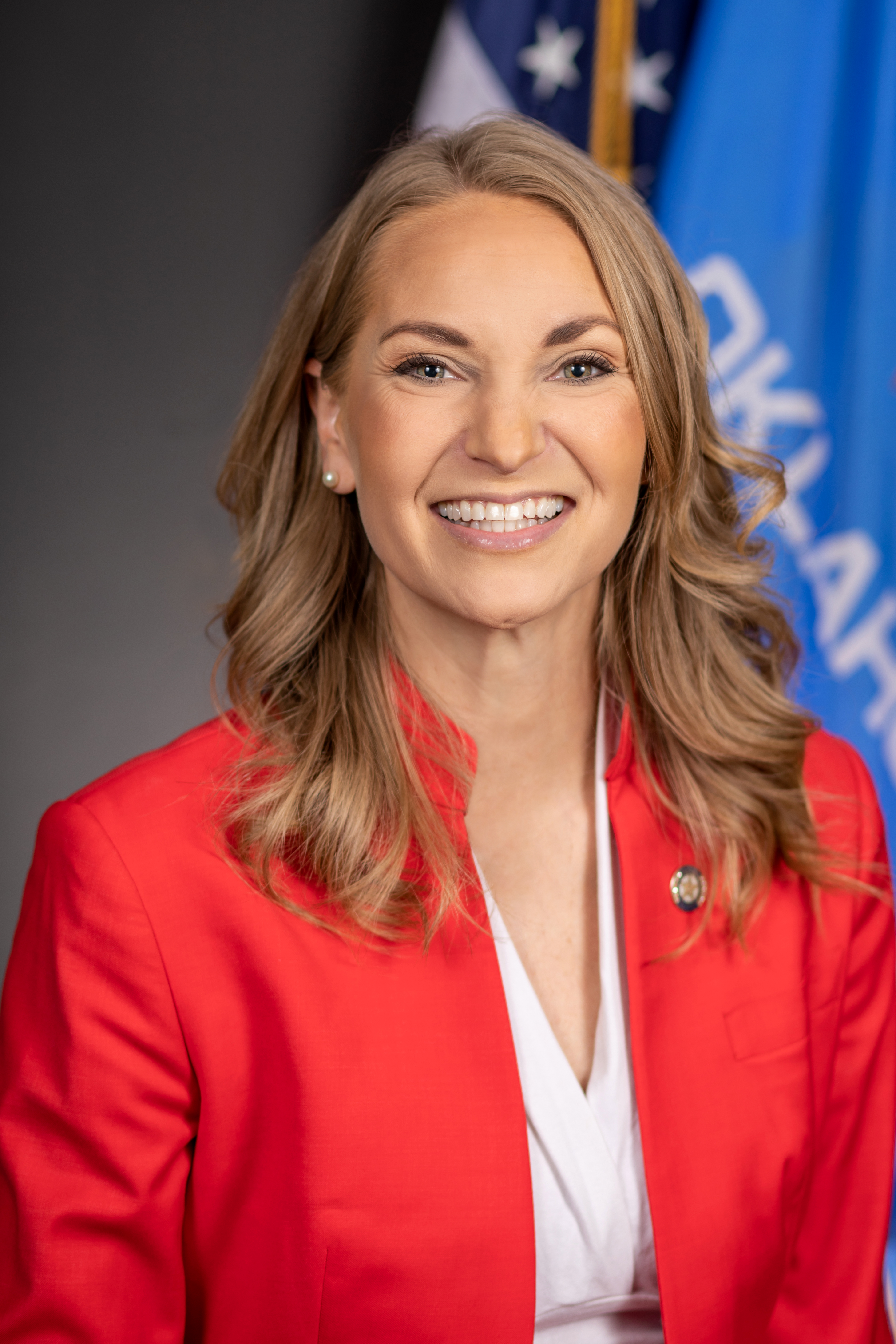
Aletia Timmons
Aletia Timmons House · District 97
D
Support
76% 91
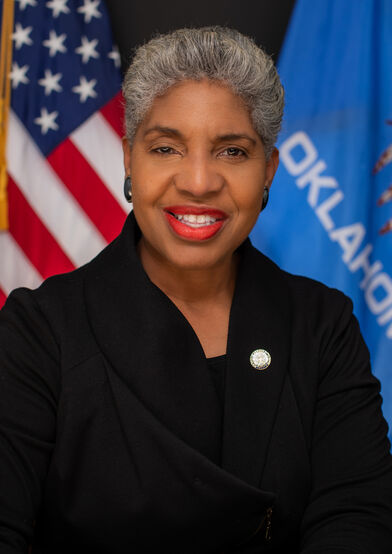
Regina Goodwin
Regina Goodwin Senate · District 11
D
Support
73% 225
Michael Brooks
Michael Brooks Senate · District 44
D
Support
72% 274
Carri Hicks
Carri Hicks Senate · District 40
D
Support
71% 184
Julia Kirt
Julia Kirt Senate · District 30
D
Support
70% 174
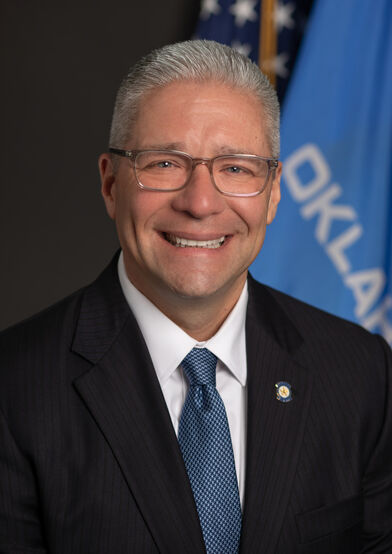
Brian Guthrie
Brian Guthrie Senate · District 25
R
Oppose
24% 158
Lisa Standridge
Lisa Standridge Senate · District 15
R
Oppose
26% 220
Jay Steagall
Jay Steagall House · District 43
R
Oppose
27% 149
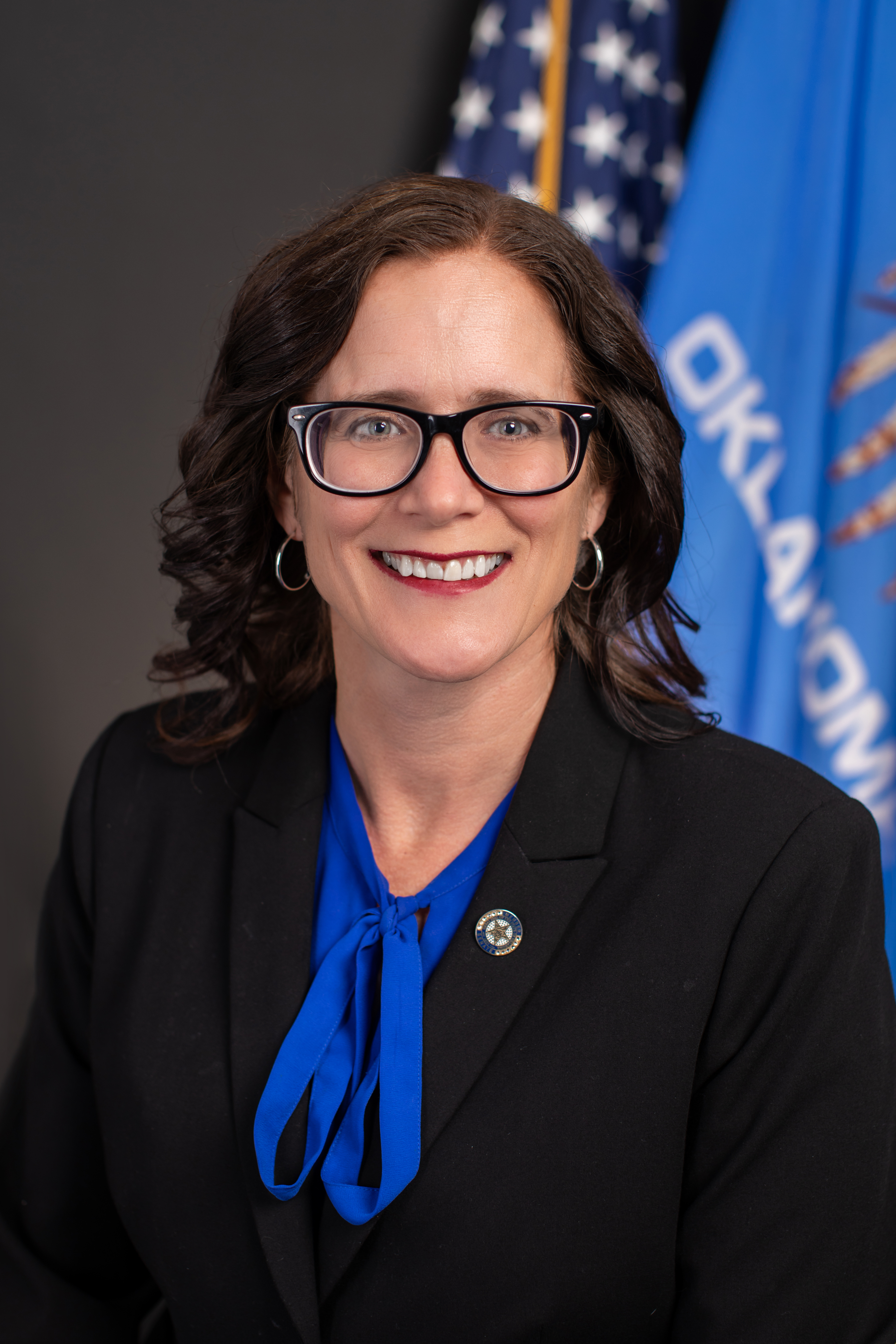
Julie McIntosh
Julie McIntosh Senate · District 3
R
Oppose
28% 164
Dusty Deevers
Dusty Deevers Senate · District 32
R
Oppose
28% 156
Showing 231–240 of 448 bills

All criminal justice bills

in committee · Oklahoma · Senate Feb 4, 2025

SB 163: Child custody; defining term. Effective date.

SB 163 amends Oklahoma's child custody law to clarify and strengthen requirements for joint custody arrangements. It requires parents seeking joint custody to submit detailed written plans covering living arrangements, child support, medical care, school placement, and visitation, along with signed affidavits agreeing to the plan. The bill creates a strong presumption that joint custody is inappropriate if domestic violence, child abuse, stalking, or harassment has occurred, prioritizing the child's safety. Courts must consider the victim's safety as a primary factor and can modify or terminate joint custody plans if they determine it's not in the child's best interest. The law becomes effective upon enactment.
Sub-Topics Domestic Violence
in committee · Oklahoma · House Feb 4, 2025

HB 1724: Abortion pills; Prevention of Maternal Harm Act of 2025; coerced abortion; imprisonment; fines; Schedule IV; mifepristone and misoprostol; effective date.

HB 1724, the "Prevention of Maternal Harm Act of 2025," criminalizes administering abortion-inducing drugs (mifepristone and misoprostol) without a pregnant person’s consent. It imposes penalties of 5-20 years in prison and fines up to $100,000 for "coerced criminal abortion by means of fraud," with harsher sentences if the pregnancy exceeds three months. The bill also redesignates mifepristone and misoprostol as Schedule IV controlled substances under Oklahoma law, treating them like other restricted medications. This directly affects healthcare providers, caregivers, or others who administer these drugs without consent, making non-consensual use a felony. The law takes effect November 1, 2025.
in committee · Oklahoma · Senate Feb 4, 2025

SB 302: State fiscal affairs; creating the Oklahoma Law Enforcement Legacy Fund; making an appropriation. Effective date. Emergency.

SB 302 creates the Oklahoma Law Enforcement Legacy Fund in the state treasury, funded by $563 million from 2023 unappropriated funds and $759 million from 2024 unappropriated funds. The bill requires the State Treasurer to invest fund monies prudently, maintain liquidity, and report quarterly on fund value. When the fund's value increases by $100 million or more in a fiscal year, the Treasurer must transfer that amount to the General Revenue Fund specifically to increase law enforcement wages. This transfer mechanism triggers automatically upon reaching each $100 million increment, with the fund's principal and investment returns accruing to the fund itself. The bill takes effect July 1, 2025.
signed · Oklahoma · House May 4, 2026

HB 1739: Retirement; Oklahoma Law Enforcement Retirement System; contribution; top base salary; benefit computation; effective dates; contingent effective dates; emergency.

HB 1739 increases employer contributions to Oklahoma's law enforcement retirement system from 11% to 16.5% over five years, starting July 2025. It changes how retirement benefits are calculated for certain officers by using the highest salary for similar positions (instead of final average salary) to determine payments. The bill directly affects current and future retirees in the Oklahoma Law Enforcement Retirement System, including highway patrol officers, investigators, and other covered law enforcement roles. Benefits will be based on the greater of either the top salary for comparable positions or the member's final average salary, multiplied by 2.5% per year of service.
Sub-Topics Law Enforcement
in committee · Oklahoma · House Feb 4, 2025

HB 2200: Crimes and punishments; increasing and deleting certain penalties; effective date.

HB 2200 increases penalties for stealing or interfering with mail in Oklahoma. It makes unauthorized possession, destruction, or taking of mail (from mailboxes, delivery vehicles, or premises) punishable as a misdemeanor (up to 2 years in jail or $5,000 fine) or, for three or more offenses within 60 days, a felony (2-5 years in prison or $5,000 fine). The bill requires convicted individuals to pay restitution to victims as specified in Oklahoma law. This directly affects people who steal or tamper with mail, including postal items, packages, or delivery vehicles.
signed · Oklahoma · House May 27, 2025

HB 2235: Wrongful convictions; increasing liability amount for claims of wrongful incarceration; codification.

HB 2235 creates a new automatic process for sealing eligible arrest records in Oklahoma, directly affecting individuals with clean-slate eligible arrests (e.g., dismissed cases or non-convictions). It requires the Oklahoma State Bureau of Investigation to monthly identify eligible records, notify law enforcement and prosecutors, and automatically seal records after 45 days if no objections are raised (e.g., for unpaid restitution or ongoing criminal activity). The bill mandates annual reports to the legislature on non-sealed cases and prohibits employers/educators from requiring disclosure of sealed records. This focuses on expungement procedures, not compensation for wrongful convictions, as clarified by the codified process in the bill text.
signed · Oklahoma · House May 15, 2025

HB 1993: Crimes and punishments; clarifying scope of certain unlawful act; effective date.

HB 1993 clarifies and strengthens penalties for drivers who elude law enforcement officers in Oklahoma. It defines specific misdemeanor penalties for willfully increasing speed, extinguishing lights, or otherwise attempting to evade officers, with higher fines for repeat offenses. The bill escalates penalties to felony charges if the eluding endangers others or causes "great bodily injury" (serious injury creating substantial risk of death or permanent disfigurement), imposing prison terms of 1-5 years and fines up to $5,000. This law, effective November 1, 2025, directly affects drivers who attempt to flee police vehicles.
signed · Oklahoma · Senate May 5, 2025

SB 369: Assault and battery; modifying scope of certain unlawful act. Effective date.

SB 369 expands the definition of aggravated assault and battery against law enforcement officers in Oklahoma. It specifically includes attempts to gain control of an officer's firearm or strangulation as qualifying offenses. The law applies to police officers, sheriffs, deputies, highway patrol officers, corrections personnel, and state/federal peace officers enforcing state laws while on duty. This change makes those specific acts punishable as a felony with penalties including up to life in prison or a $5,000 fine. The bill was approved by the governor on May 3, 2025, and is now in effect.
signed · Oklahoma · House May 27, 2025

HB 1003: Crimes and punishments; modifying age limitations for certain prohibited acts.

HB 1003 modifies Oklahoma's rape statutes by raising age thresholds for certain offenses. It increases the age of protection from 16 to 18 years in key situations (e.g., when a victim is under 18, in school, or in foster care), and clarifies that school employees engaging in sexual conduct with students under 20 must be 18 or older. The bill also updates age difference rules for consent-based cases, requiring perpetrators to be at least 18 and four years older than the victim (who must be 16 or older). These changes directly affect minors in educational or foster care settings and their adult perpetrators. The law took effect May 27, 2025, without gubernatorial action.
in committee · Oklahoma · Senate Feb 4, 2025

SB 1093: Judicial training; requiring specified amount of annual training for certain judges. Effective date.

SB 1093 requires judges who handle domestic violence cases in Oklahoma to complete eight hours of annual judicial training. The training covers domestic violence dynamics, trauma impacts on victims and children, identifying aggressors, batterer tactics, victim protection orders, victim rights, and evidence-based practices for substance abuse and mental health treatment. This applies specifically to judges presiding over domestic violence cases and is subject to available funding. The bill becomes effective November 1, 2025.
Sub-Topics Domestic Violence
Showing 231 to 240 of 448 bills
Previous 1 23 24 25 45 Next