Issue · Criminal Justice

Criminal Justice

Every criminal justice bill, vote, and legislator stance in Oklahoma, automatically classified by Maddy, our AI policy reader.

Total bills
448
2026 Regular Session
Top supporter
Aletia Timmons
76% support rate
Top opponent
Brian Guthrie
24% support rate
Ranked legislators
10
5 support · 5 oppose
Key legislators

Who's moving criminal justice in Oklahoma

Legislators moving criminal justice in Oklahoma
Legislator Party Stance Support rate Votes
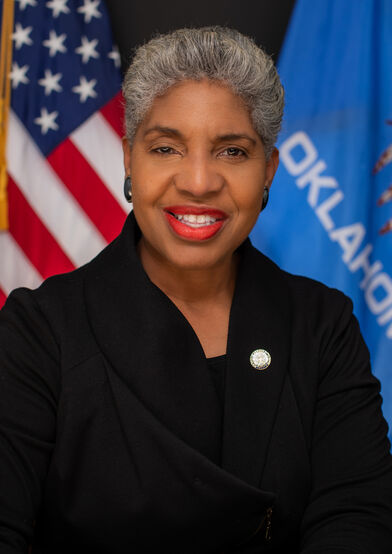
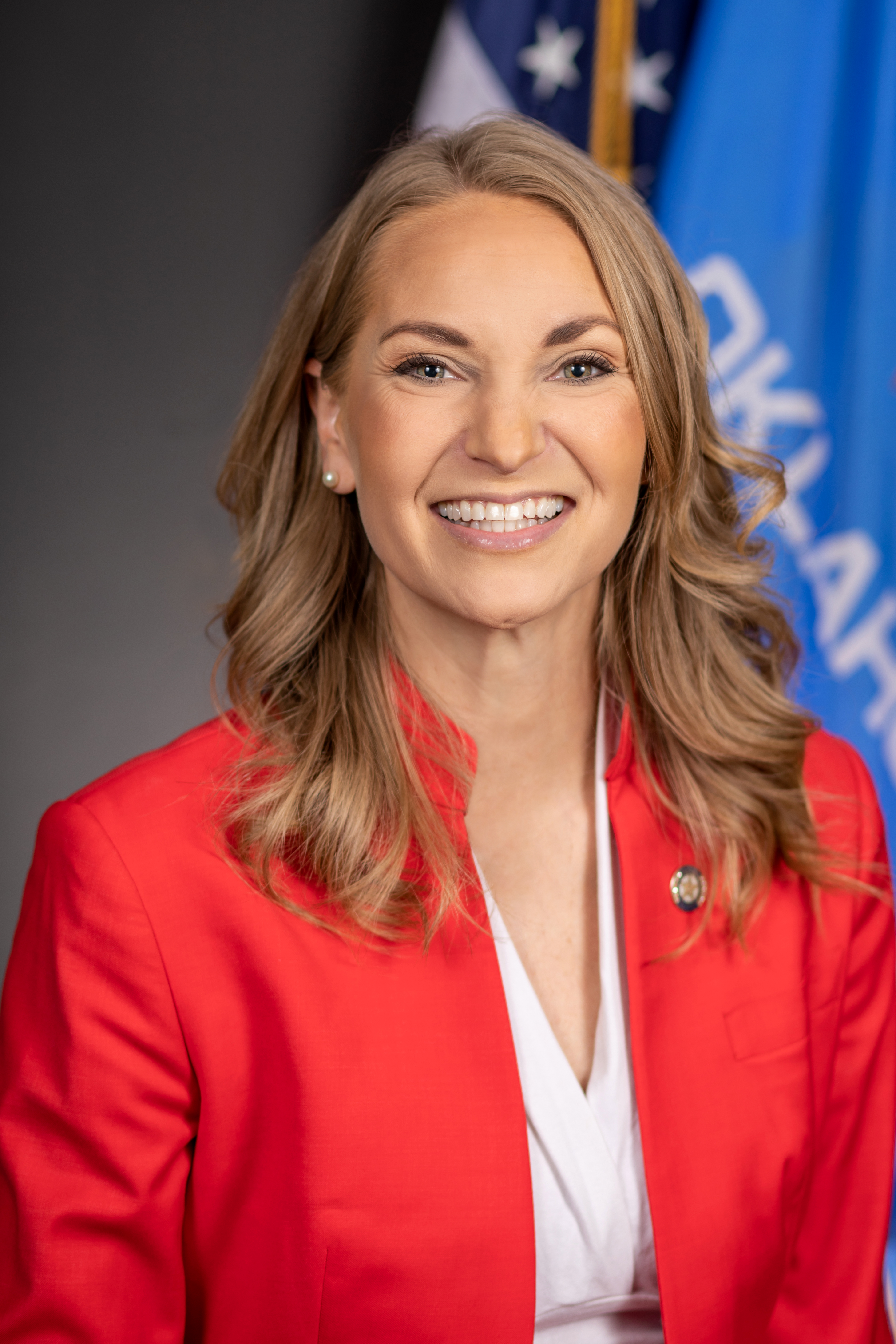
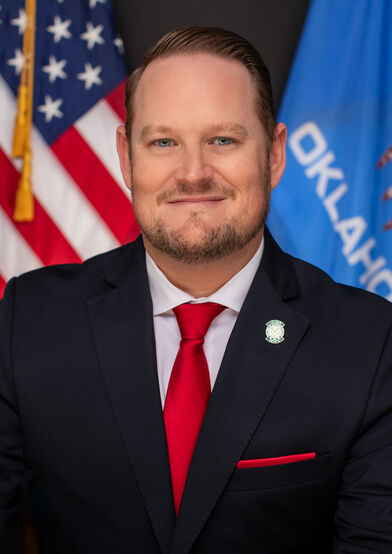
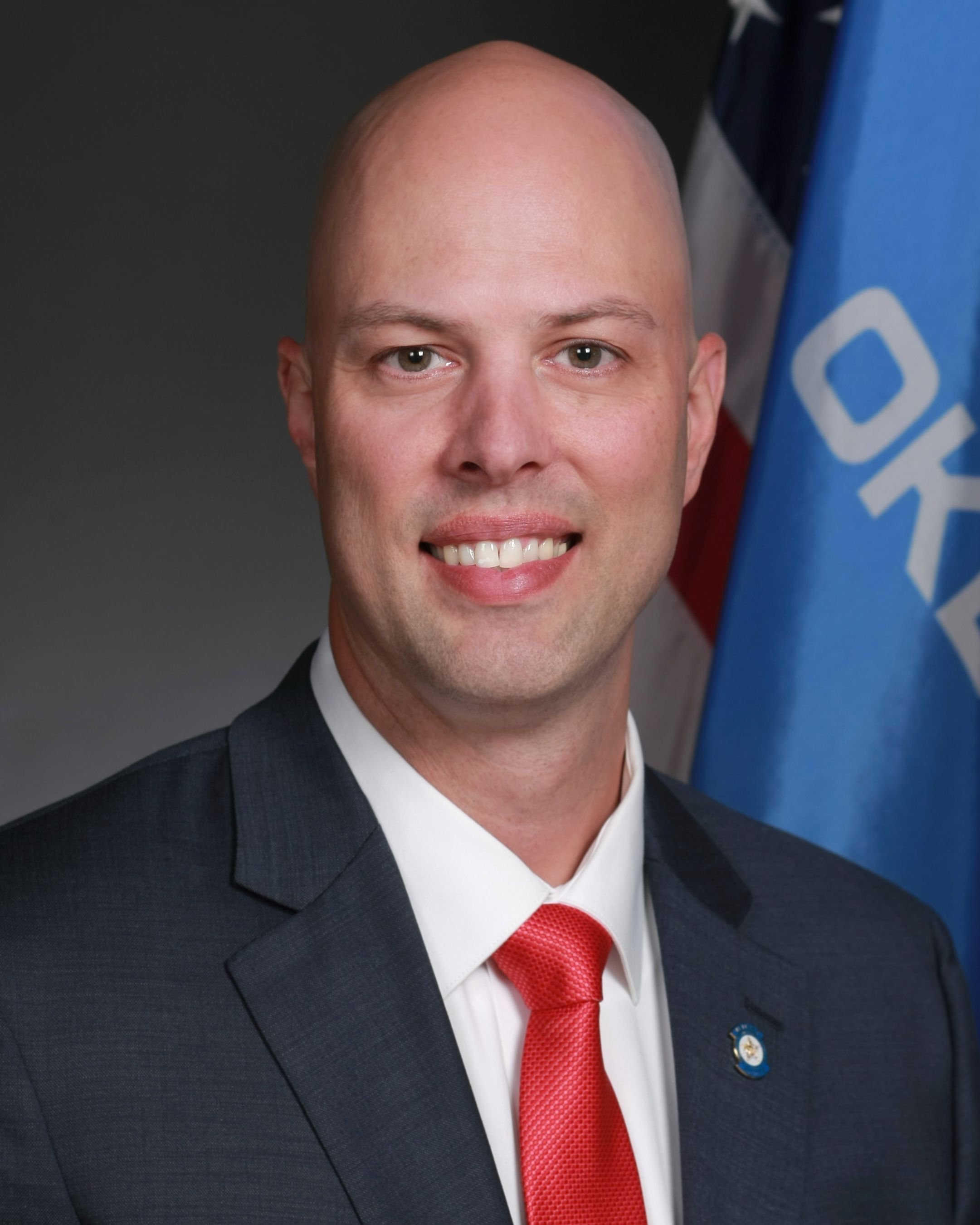
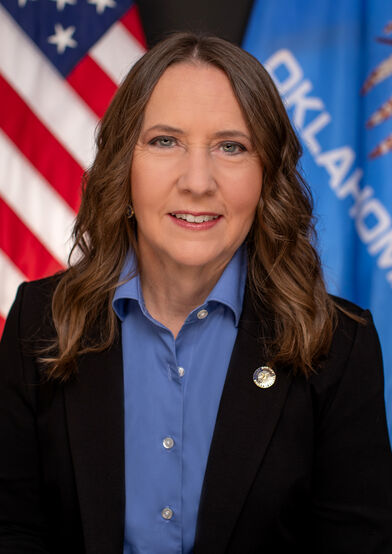
Aletia Timmons
Aletia Timmons House · District 97
D
Support
76% 91
Regina Goodwin
Regina Goodwin Senate · District 11
D
Support
73% 225
Michael Brooks
Michael Brooks Senate · District 44
D
Support
72% 274
Carri Hicks
Carri Hicks Senate · District 40
D
Support
71% 184
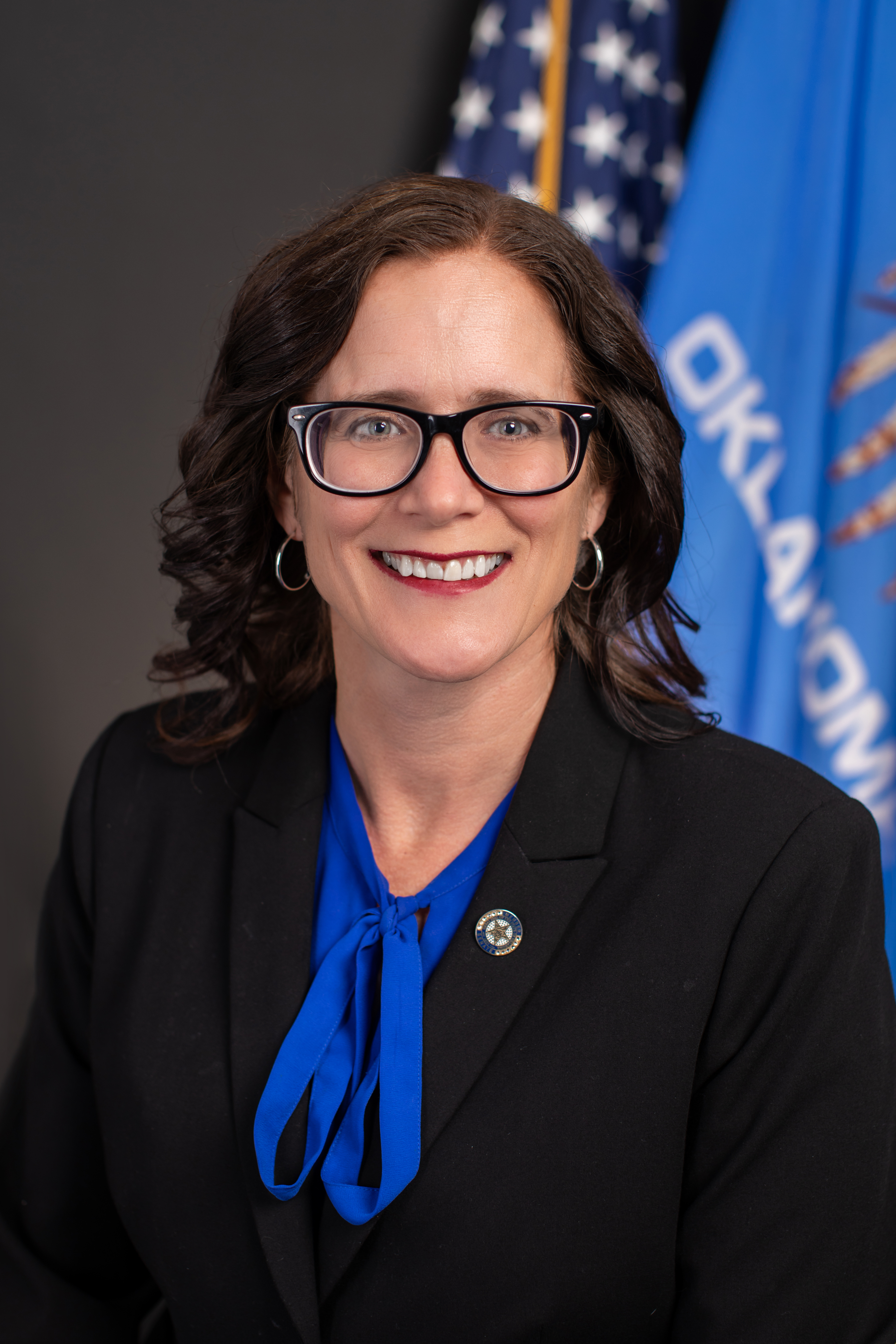
Julia Kirt
Julia Kirt Senate · District 30
D
Support
70% 174
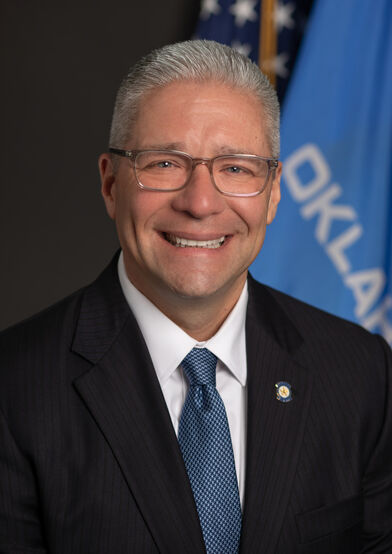
Brian Guthrie
Brian Guthrie Senate · District 25
R
Oppose
24% 158
Lisa Standridge
Lisa Standridge Senate · District 15
R
Oppose
26% 220
Jay Steagall
Jay Steagall House · District 43
R
Oppose
27% 149
Julie McIntosh
Julie McIntosh Senate · District 3
R
Oppose
28% 164
Dusty Deevers
Dusty Deevers Senate · District 32
R
Oppose
28% 156
Showing 201–210 of 448 bills

All criminal justice bills

signed · Oklahoma · House Apr 30, 2025

HB 1579: Juvenile bureaus; salaries and expenses; limitations; effective date.

HB 1579 sets salary limits for juvenile bureau staff in Oklahoma counties, capping directors' pay at 90% of Class A county officer salaries and other employees at 85%. It requires juvenile court judges (with county commissioner oversight) to establish expense limits for bureau operations and mandates that all bureau costs - salaries and expenses - be funded through county budgets or dedicated sales taxes. The bill also specifies that county excise boards must appropriate funds for bureau staffing and operations, consistent with other county officer budgets. Additionally, it clarifies that district attorneys represent juvenile bureaus in lawsuits, unless conflicts arise. The law became effective November 1, 2025.
signed · Oklahoma · Senate May 5, 2026

SB 1232: Crimes and punishments; creating felony offense related to copper theft. Effective date.

SB 1232 elevates copper theft from a misdemeanor to a felony offense under Oklahoma law. It directly affects individuals who steal copper, such as from power lines, pipes, or infrastructure, by increasing penalties. The bill amends Section 1727 of the Oklahoma Statutes to establish felony charges for copper theft, moving it from a lower-level offense to a more serious criminal classification. This change specifically targets theft of copper valued at $100,000 or less, as referenced in existing statutes.
died · Oklahoma · Senate Feb 26, 2026

SB 1335: Oklahoma Campus Security Act; requiring certain campus police officers to complete certain training. Effective date. Emergency.

SB 1335 requires campus police officers at Oklahoma's public universities, community colleges, and public school districts to complete six hours of evidence-based sexual assault and sexual violence training. Existing officers must complete this training within one year of the bill's effective date (July 1, 2026). The bill updates Oklahoma's Campus Security Act to mandate this training for all campus police officers employed by governing boards of higher education institutions and public school districts. It does not change other officer duties or requirements, focusing solely on this specific training obligation.
Sub-Topics Policing Violent Crime
signed · Oklahoma · Senate May 29, 2025

SB 85: County jails; increasing reimbursement rate amount. Effective date.

SB 85 increases the daily reimbursement rate for Oklahoma counties housing state inmates from $27 to $32 per inmate. Counties that incur higher actual costs can request reimbursement for those costs by September 30, with the state either accepting the amount or having the State Auditor determine it if rejected. The bill also adds a 3% annual inflation adjustment to the base rate and specifies that reimbursements must cover jail operational expenses and personnel costs. This directly affects county governments managing jails under state incarceration agreements.
Sub-Topics Corrections
signed · Oklahoma · Senate May 12, 2026

SB 1325: Protection from Domestic Abuse Act; requiring defendants charged with certain domestic violence offenses to use a Global Positioning System (GPS) device when released on bond. Effective date.

SB 1325 requires courts to mandate GPS monitoring for defendants charged with specific domestic violence offenses - such as domestic abuse by strangulation, with a deadly weapon, or after a prior conviction - when released on bond. Defendants must pay all costs for the GPS device and monitoring, which the Oklahoma Department of Corrections will administer until the case concludes. Victims may also request limited location monitoring (e.g., alerts if the defendant nears specified locations, excluding their home or workplace), but only after a court finds evidence of the defendant’s intent to commit violence. The bill takes effect November 1, 2026, and GPS devices must be removed if the defendant is acquitted, incarcerated, or the case dismissed.
signed · Oklahoma · Senate May 6, 2026

SB 1255: Pardons and paroles; requiring medical director of the Department of Corrections to make certain request. Effective date.

SB 1255 requires Oklahoma's Department of Corrections medical director to certify qualifying medical conditions and request the Pardon and Parole Board to place eligible inmates on a special docket for compassionate parole consideration. It directly affects inmates with specific terminal or debilitating conditions like dementia, cancer, HIV/AIDS, or conditions causing near-death (six-month life expectancy), or those unable to perform basic self-care. The bill bypasses the standard two-step parole hearing process for these inmates and mandates that at least three Board members must concur to consider medical parole. The Board must document concurrence in meeting minutes, and parolees may face revocation if their medical condition poses public safety risks.
in committee · Oklahoma · Senate Feb 3, 2026

SB 1396: Sales tax; providing exemption for certain organizations providing support for first responders. Effective date.

SB 1396 amends Oklahoma's sales tax law to exempt certain organizations that support first responders from paying sales tax on goods and services they purchase. Specifically, it adds exemptions for organizations providing support to municipal law enforcement, fire departments, emergency medical services, municipal disaster mitigation services, and first responder canine training facilities. This means these eligible organizations will not pay state sales tax on qualifying purchases directly related to their support services. The bill updates the existing tax exemption list in Section 1356 of Oklahoma Statutes without changing other existing exemptions.
signed · Oklahoma · House May 8, 2025

HB 2705: Sexual assault victims; directing law enforcement agencies to inform sexual assault victims of the status of certain evidence; codification; effective date.

HB 2705 requires Oklahoma law enforcement agencies to inform sexual assault victims about the status of forensic evidence in their case upon the victim's request. Specifically, victims must be told whether DNA was tested, if the DNA profile was entered into the state DNA database (CODIS), and if a match was found with another case. The law does not compel agencies to provide this information without a request and explicitly excludes details that could interfere with ongoing investigations. This law, effective November 1, 2025, directly affects sexual assault victims and law enforcement agencies handling such cases.
in committee · Oklahoma · Senate Feb 3, 2026

SB 1235: Personal property; prohibiting municipality, county, and state from seizing certain personal property. Emergency.

SB 1235 prohibits Oklahoma municipalities, counties, and the state from seizing personal property on public property without specific legal justification, such as the property being abandoned, a threat to safety, evidence of a crime, or contraband. It requires written notices 48 hours in advance for abandoned property and two verbal warnings (48 and 24 hours prior) for unclaimed property, plus 90 days of secure storage before disposal. The bill specifically protects birth certificates, state/national IDs (like driver licenses), and unexpired prescription medications from disposal, even after the 90-day period. This law directly affects property owners who leave items unattended in public spaces, ensuring due process before removal or disposal.
in committee · Oklahoma · Senate Feb 3, 2026

SB 1331: Alicia's Law; creating the Internet Crimes Against Children Revolving Fund. Effective date. Emergency.

SB 1331, "Alicia's Law," creates the Internet Crimes Against Children Revolving Fund within the Oklahoma State Bureau of Investigation (OSBI). The fund, financed by legislative appropriations, grants, and other designated sources, directly supports the Internet Crimes Against Children Task Force and enhances collaboration with local, state, and federal law enforcement. Key provisions establish this as a continuing fund (not limited by fiscal years) for specific expenditures approved by the OSBI Director. The bill takes effect July 1, 2026, and was declared an emergency to address urgent public safety needs.
Sub-Topics Law Enforcement
Showing 201 to 210 of 448 bills
Previous 1 20 21 22 45 Next