Issue · Criminal Justice

Criminal Justice (Corrections)

Every criminal justice bill, vote, and legislator stance in Oklahoma, automatically classified by Maddy, our AI policy reader.

Total bills
124
2026 Regular Session
Top supporter
John Waldron
89% support rate
Top opponent
Lisa Standridge
12% support rate
Ranked legislators
10
5 support · 5 oppose
Key legislators

Who's moving corrections in Oklahoma

Legislators moving corrections in Oklahoma
Legislator Party Stance Support rate Votes
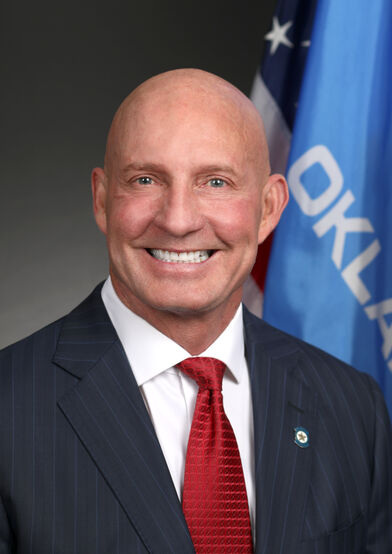
John Waldron
John Waldron House · District 77
D
Strong +
89% 19
Michael Brooks
Michael Brooks Senate · District 44
D
Strong +
88% 51
Regina Goodwin
Regina Goodwin Senate · District 11
D
Strong +
87% 45
Michelle McCane
Michelle McCane House · District 72
D
Strong +
86% 22
Nikki Nice
Nikki Nice Senate · District 48
D
Strong +
85% 27
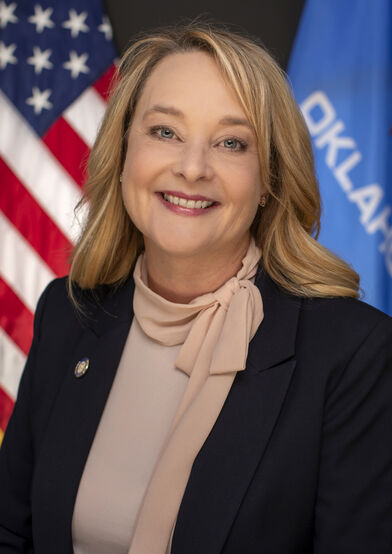
Lisa Standridge
Lisa Standridge Senate · District 15
R
Strong −
12% 32
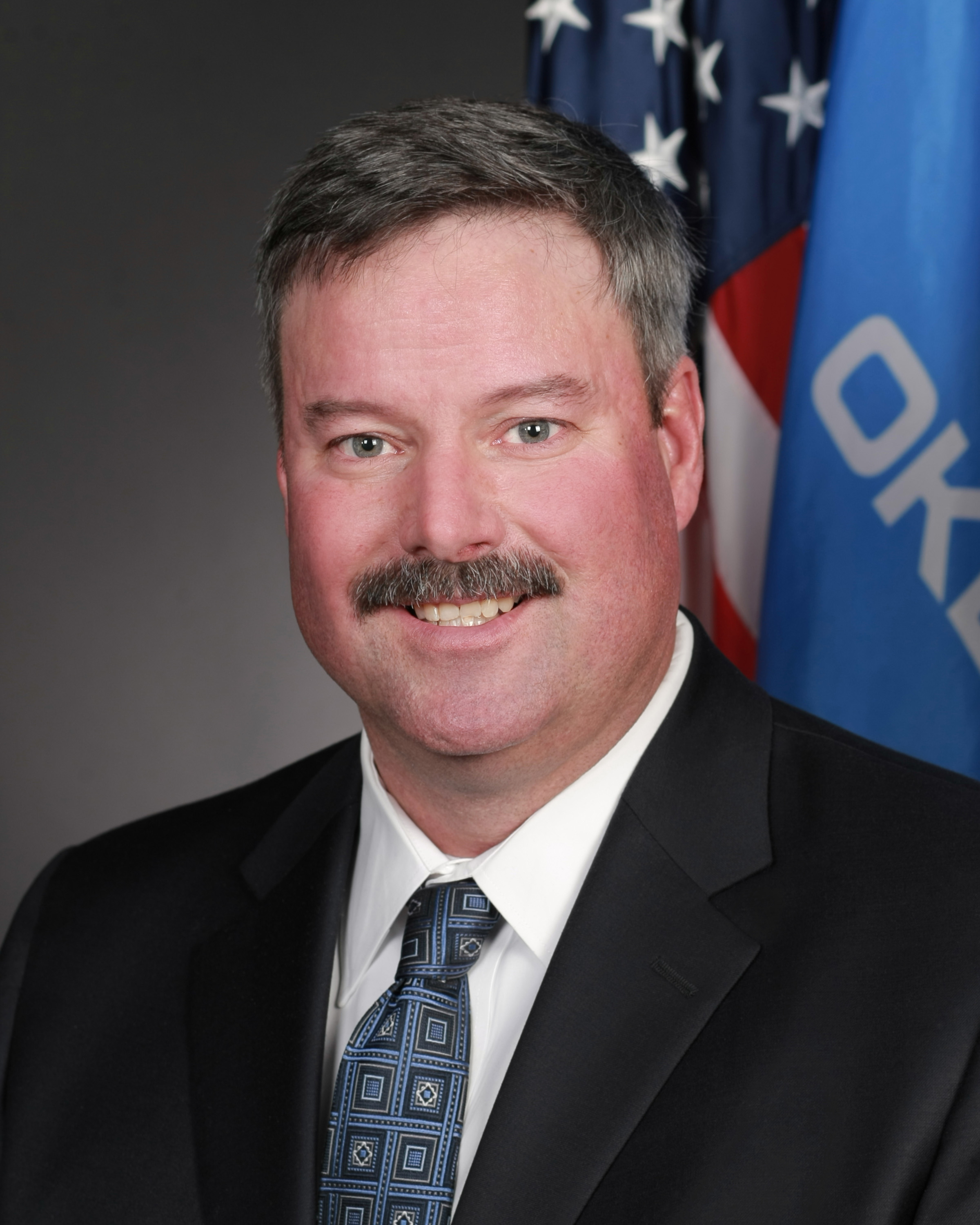
Casey Murdock
Casey Murdock Senate · District 27
R
Strong −
14% 43
Darrell Weaver
Darrell Weaver Senate · District 24
R
Strong −
14% 43
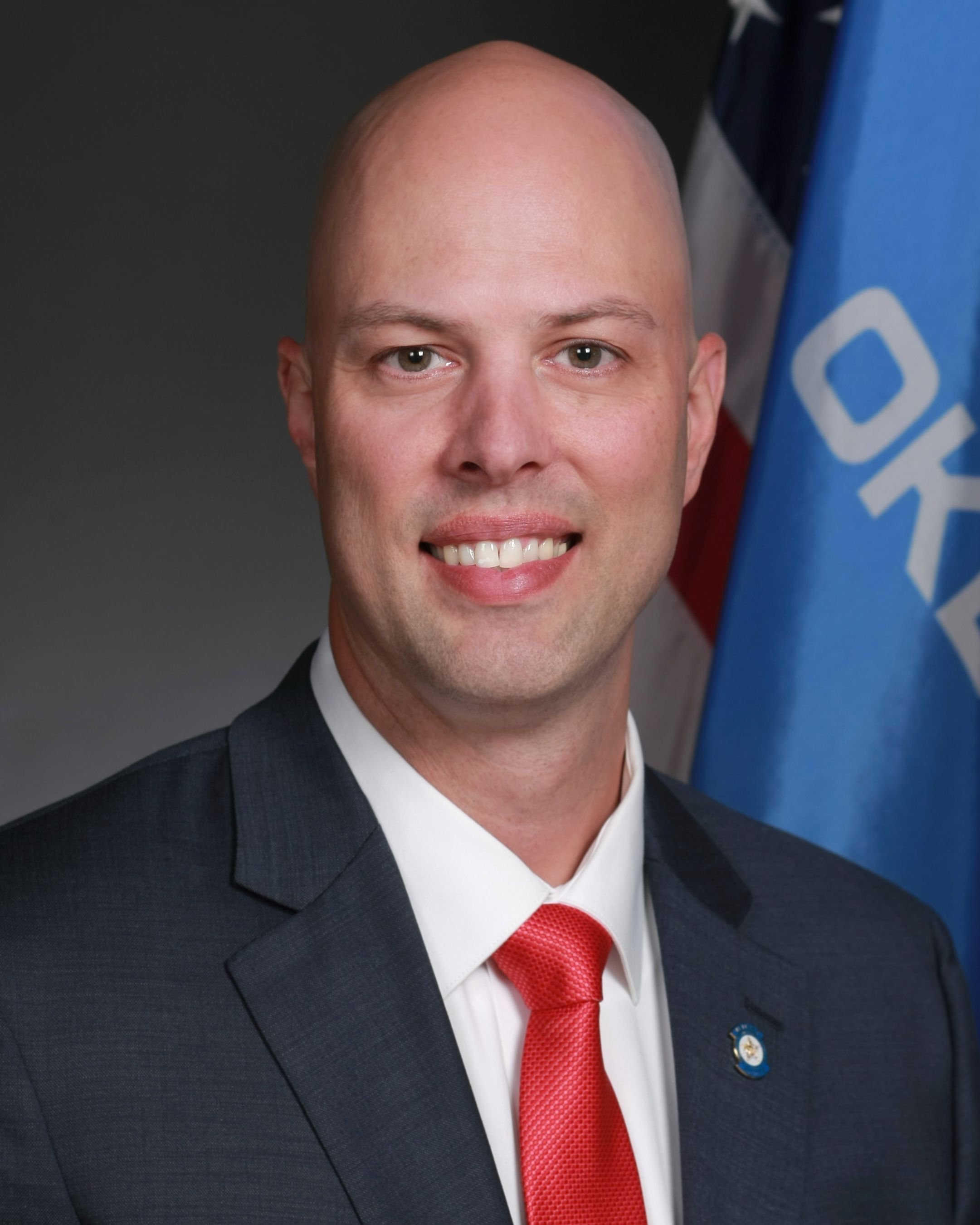
Jay Steagall
Jay Steagall House · District 43
R
Strong −
14% 14
Shane Jett
Shane Jett Senate · District 17
R
Strong −
15% 27
Showing 11–20 of 124 bills

All criminal justice bills

in committee · Oklahoma · House Feb 3, 2026

HB 3966: Wrongful convictions; providing for retroactive application of wrongful conviction claims; effective date.

HB 3966 allows Oklahoma residents wrongfully convicted of felonies and later cleared through a governor's pardon or court order finding actual innocence to receive compensation. The bill calculates payments as $50,000 for each full year served in prison, with additional $50,000 per year for time spent on death row and $25,000 per year for parole or probation time. Compensation is capped at $1 million paid as a lump sum, or in annual installments over three years for larger awards. This retroactive law applies to all wrongful convictions resulting in imprisonment since 1975, with claims requiring documented evidence of innocence from the governor or court.
in committee · Oklahoma · Senate Feb 4, 2026

SB 1914: Driving under the influence; modifying provisions related to blood or breath alcohol concentration. Effective date.

Oklahoma's SB 1914 lowers the legal blood alcohol concentration (BAC) limit for DUI convictions from 0.08% to 0.05% for all drivers starting June 1, 2028. It removes timing requirements for administering BAC tests and updates penalties, classifying repeat offenses as felonies (Class C2 for second offenses, Class B4 for third offenses) with mandatory treatment assessments, ignition interlock devices, and longer prison terms. The bill directly affects drivers tested for BAC in Oklahoma, modifying the threshold for legal impairment and escalating consequences for repeat violations. Key changes include revised BAC limits for evidence, updated felony classifications, and removal of outdated procedural requirements across related statutes.
Sub-Topics Corrections
in committee · Oklahoma · Senate Feb 3, 2026

SB 1762: Protection of fundamental rights; prohibiting certain acts of punishment, penalty, or legal sanction. Effective date.

SB 1762, the "Oklahoma Protection of Fundamental Rights and Public Policy Act," prohibits female genital mutilation (FGM) as a felony punishable by up to five years in prison and a $20,000 fine, while banning corporal punishments like stoning, flogging, or amputation as legal sanctions. It extends the statute of limitations for civil claims involving sexual assault or coercive medical procedures (including those related to gender identity) until the victim's 45th birthday and invalidates marriages entered under coercion, force, or for minors under 18. The bill also prohibits discrimination based on gender or religion in family law matters, such as inheritance or custody, and invalidates arbitration agreements that would enforce discriminatory rules. Male circumcision for religious, cultural, or medical reasons remains permitted under the law.
in committee · Oklahoma · Senate Feb 12, 2026

SB 1446: Oklahoma Law on Obscenity and Child Sexual Abuse Material; modifying certain penalty related to child sex trafficking. Effective date.

SB 1446 modifies Oklahoma's penalties for offenses involving child sexual abuse material and child sex trafficking. It increases penalties for "child prostitution sex trafficking" to a Class B1 felony, requiring a minimum 10-year prison sentence and escalating fines (up to $15,000 for repeat offenses). The bill directly affects individuals convicted of these specific crimes under Sections 1029 and 1030 of Oklahoma law. It also updates statutory references and includes community service requirements for related misdemeanor violations. The law takes effect November 1, 2026.
in committee · Oklahoma · Senate Feb 3, 2026

SB 2089: Cities and towns; requiring certain cities operate a court of record. Effective date.

SB 2089 requires Oklahoma cities with populations over 65,000 (as determined by the latest federal census) to establish a formal "Municipal Criminal Court of Record" for handling serious ordinance violations. It increases maximum penalties for certain offenses, such as allowing fines up to $2,500 for repeat prostitution violations in cities over 200,000 people, and sets new limits like $1,200 fines or six-month jail terms for most violations. Defendants facing fines over $500 are guaranteed a jury trial unless they waive it, and courts gain authority to handle cases involving traffic offenses related to alcohol/drugs. The bill takes effect November 1, 2026, directly affecting residents in large cities and city governments required to create these courts.
Sub-Topics Corrections Courts
passed · Oklahoma · House Apr 1, 2026

HB 3266: Reckless driving; D2 felony offenses; making certain acts unlawful; effective date.

HB 3266 amends Oklahoma law to expand the definition of Class D2 felony offenses, adding 22 specific violations including reckless driving that causes a collision (Section 11-901, item 10). It also includes multiple abortion-related offenses such as performing abortions after the first trimester, violating pain-awareness laws, and conducting abortions on minors without consent (items 11-19). The bill specifies penalties: Class D2 felons face up to 2 years in prison (with 20% mandatory service), increasing to 5-10 years for repeat offenders. It exempts certain offenses (like abortion violations) from these penalties, instead applying existing statutes. This bill directly affects individuals convicted of these specific offenses under Oklahoma Statutes.
in committee · Oklahoma · House Feb 3, 2026

HB 4154: Crimes and punishments; increasing penalties; effective date.

HB 4154 amends Oklahoma law to increase penalties for making false financial statements when seeking property, cash, loans, or credit. It directly affects individuals who knowingly provide false information about their financial condition to obtain these benefits. The bill elevates the offense from a misdemeanor to a felony, increasing potential penalties to up to two years in jail or fines of $500-$2,500 (or both). The law takes effect November 1, 2026.
Sub-Topics Corrections
in committee · Oklahoma · House Feb 3, 2026

HB 4416: Pretrial data; creating the Pretrial Data Collection Act; requiring certain entities to collect specific data; codification; effective date.

HB 4416, the "Pretrial Data Collection Act," requires Oklahoma police departments, sheriff offices, and county jails to collect standardized data on individuals in pretrial detention starting January 1, 2027. It mandates monthly reporting of specific details including demographic information (race, age, ZIP code), arrest and charge details, health conditions (mental illness, substance use disorders), jail costs, and facility capacity to the Oklahoma State Bureau of Investigation. The bill also requires the Bureau to publish this data in a public, searchable, machine-readable format on its website by July 1, 2027, for agencies with 500+ employees. This legislation aims to create transparency around pretrial detention practices through standardized data collection and public access.
passed · Oklahoma · House Apr 21, 2026

HB 4170: Crimes and punishments; taking of crude oil or gasoline; making certain acts unlawful; penalty; effective date.

HB 4170 amends Oklahoma law to increase penalties for stealing crude oil, gasoline, or oil/gas drilling equipment. It sets misdemeanor penalties for theft under $1,000 (up to 60 days jail or $500 fine) and Class C2 felony penalties for $1,000+ value (fines up to $50,000 or 1-10 years in prison). The bill also adds felony charges if theft causes environmental damage requiring over $2,500 in cleanup costs. It directly affects individuals stealing oil/gas infrastructure, with penalties including fines, imprisonment, and forfeiture of tools used in the crime. The law takes effect November 1, 2026.
Sub-Topics Corrections
in committee · Oklahoma · Senate Feb 3, 2026

SB 1468: Firearms; modifying elements of certain offenses. Effective date.

SB 1468 amends Oklahoma law to define and restrict specific firearms and ammunition. It defines "restricted bullets" (less than 60% lead core with fluorocarbon coating designed to penetrate body armor) and "restricted weapons" (automatic firearms or conversion devices like "Glock switches," excluding bump stocks). The bill makes it unlawful to manufacture, sell, possess, or use these items, with violations classified as Class B4 felonies punishable by up to 10 years in prison and fines up to $10,000. This law directly affects individuals or businesses involved in handling these specific firearms or ammunition, effective November 1, 2026.
Sub-Topics Corrections Firearms
Showing 11 to 20 of 124 bills