Issue · Criminal Justice

Criminal Justice

Every criminal justice bill, vote, and legislator stance in Oklahoma, automatically classified by Maddy, our AI policy reader.

Total bills
448
2026 Regular Session
Top supporter
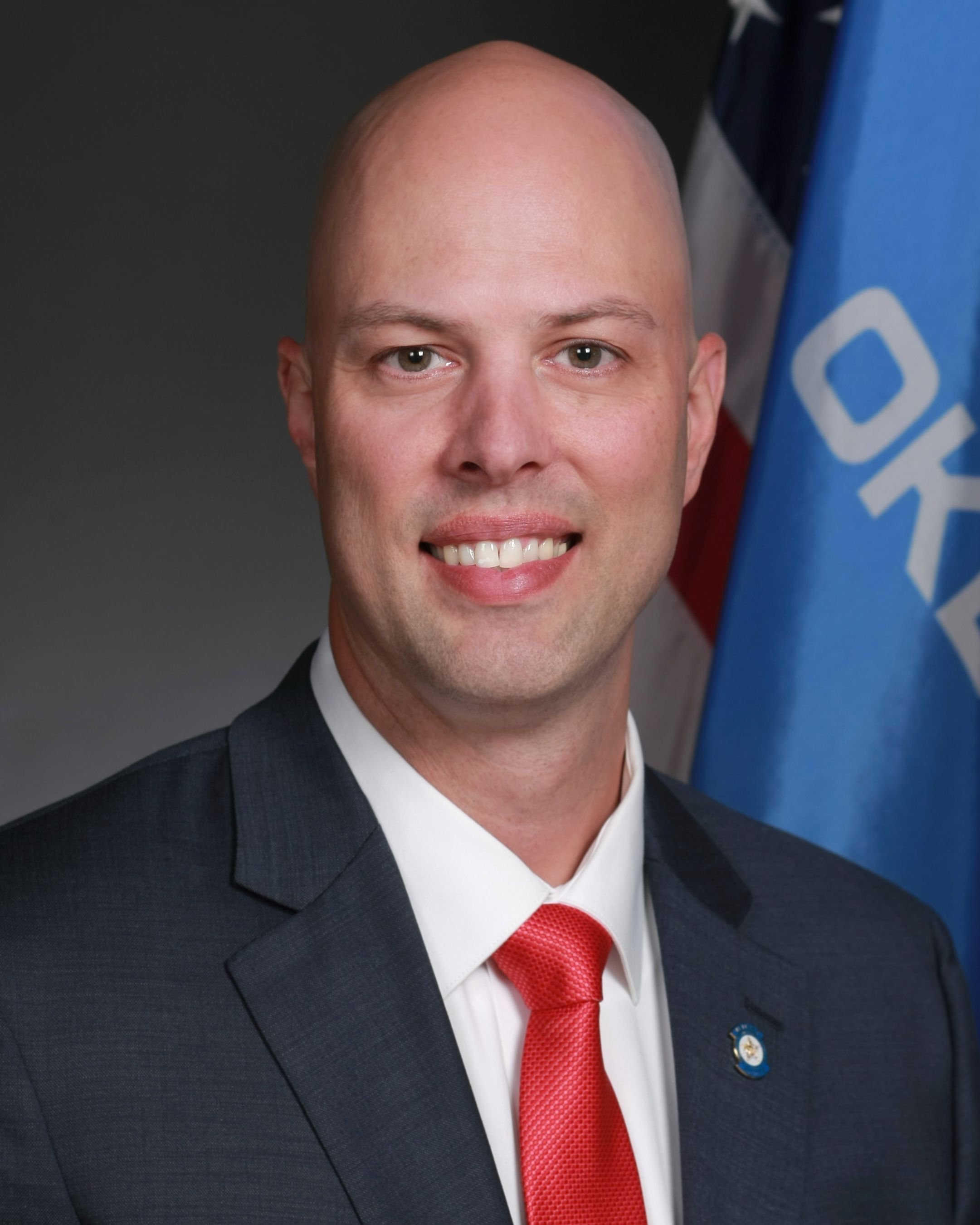
Aletia Timmons
76% support rate
Top opponent
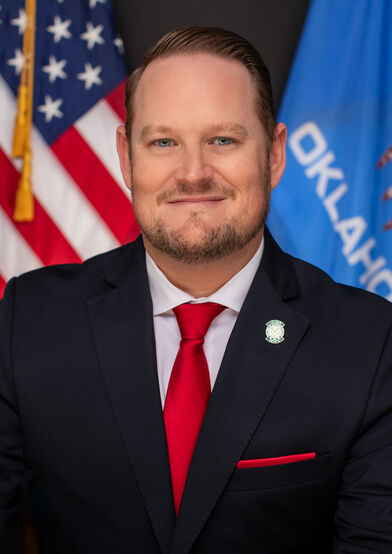
Brian Guthrie
24% support rate
Ranked legislators
10
5 support · 5 oppose
Key legislators

Who's moving criminal justice in Oklahoma

Legislators moving criminal justice in Oklahoma
Legislator Party Stance Support rate Votes
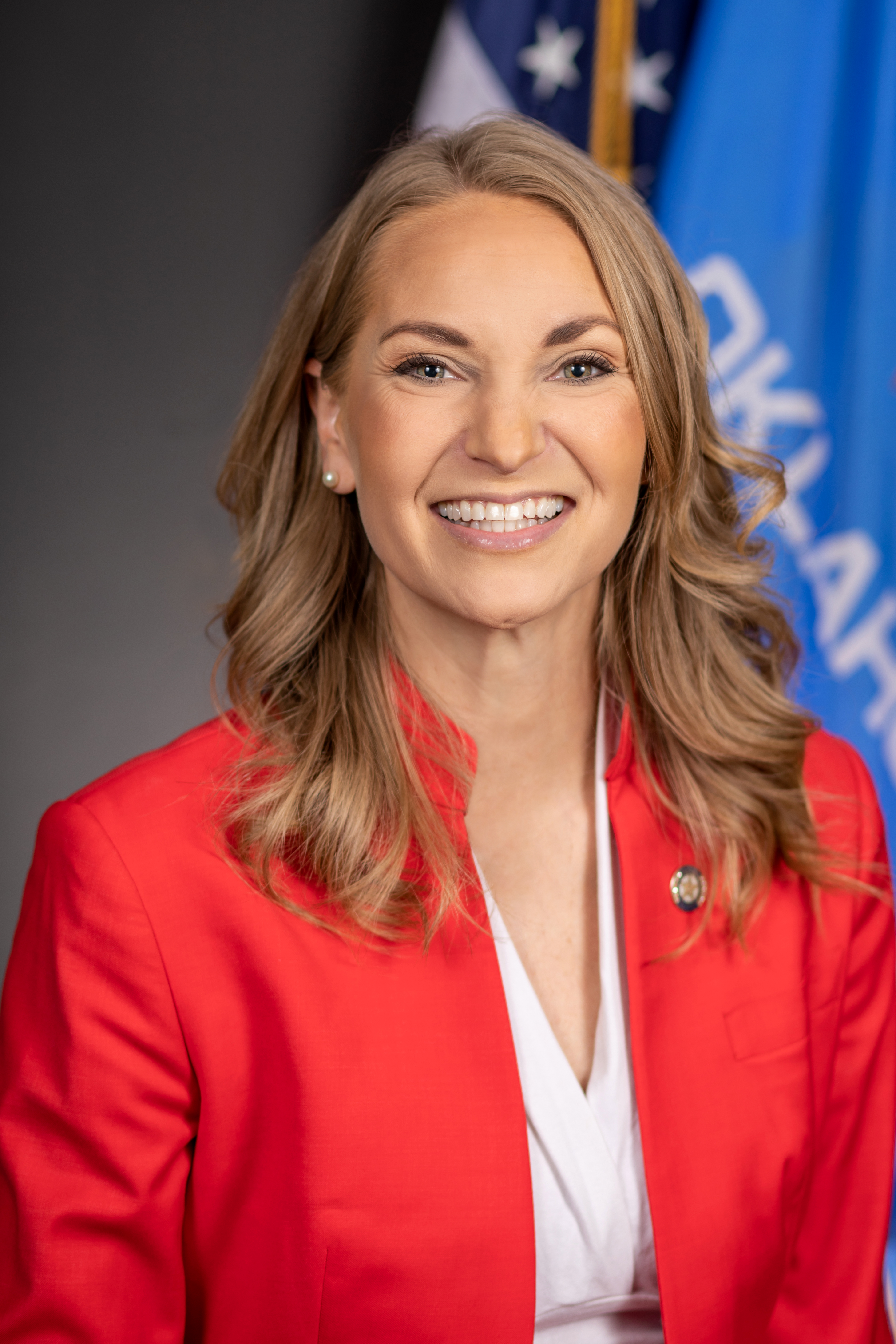
Aletia Timmons
Aletia Timmons House · District 97
D
Support
76% 91
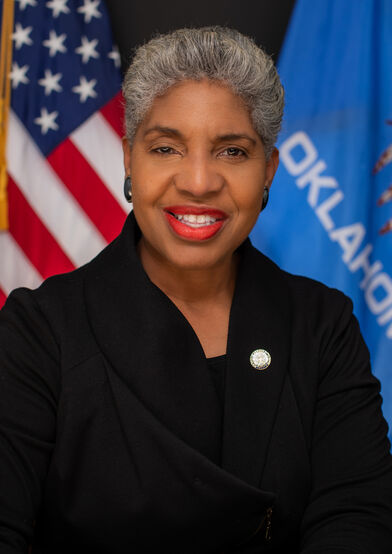
Regina Goodwin
Regina Goodwin Senate · District 11
D
Support
73% 225
Michael Brooks
Michael Brooks Senate · District 44
D
Support
72% 274
Carri Hicks
Carri Hicks Senate · District 40
D
Support
71% 184
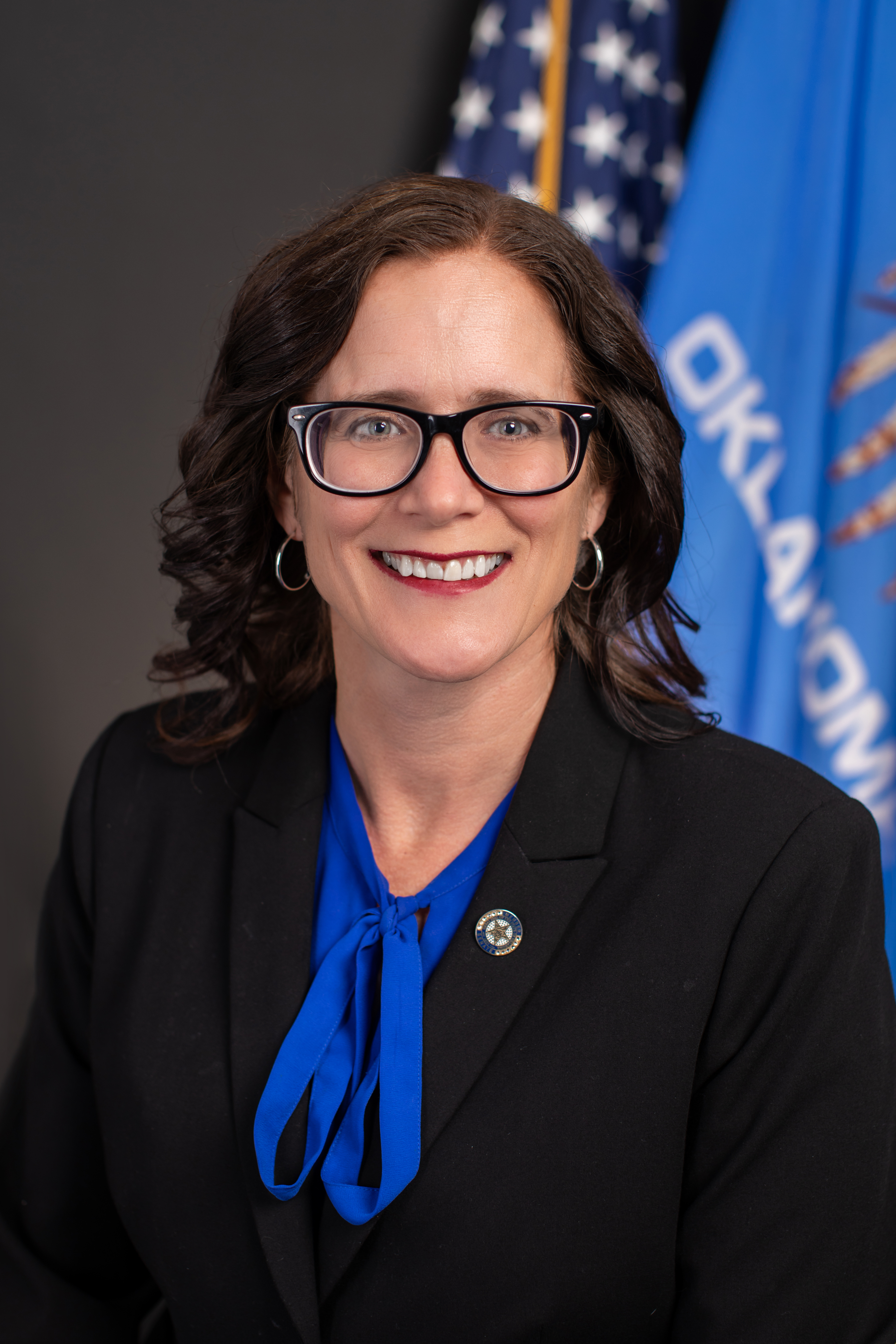
Julia Kirt
Julia Kirt Senate · District 30
D
Support
70% 174
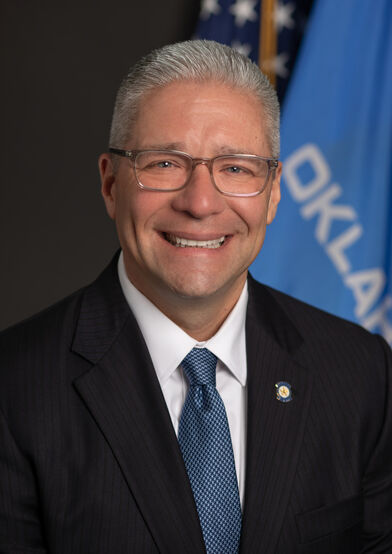
Brian Guthrie
Brian Guthrie Senate · District 25
R
Oppose
24% 158
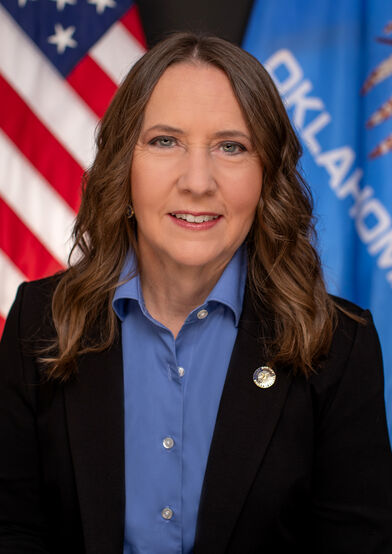
Lisa Standridge
Lisa Standridge Senate · District 15
R
Oppose
26% 220
Jay Steagall
Jay Steagall House · District 43
R
Oppose
27% 149
Julie McIntosh
Julie McIntosh Senate · District 3
R
Oppose
28% 164
Dusty Deevers
Dusty Deevers Senate · District 32
R
Oppose
28% 156
Showing 11–20 of 448 bills

All criminal justice bills

passed · Oklahoma · House Apr 16, 2026

HB 3082: Firefighters; prohibiting fire departments from employing previously convicted sex offenders; effective date.

HB 3082 prohibits Oklahoma fire departments from employing anyone convicted of an offense requiring registration under the state's Sex Offenders Registration Act, including those who pled guilty or received deferred judgments. This directly affects firefighters (both volunteer and paid) with certain sex offense convictions, barring them from employment in fire departments. The law requires fire departments to ensure compliance, with violations punishable as misdemeanors carrying fines up to $1,000. The bill takes effect November 1, 2026, adding a specific employment restriction to existing registration laws.
in committee · Oklahoma · House Feb 3, 2026

HB 3458: Appropriation; School Security Revolving Fund; amount; purpose; effective date; emergency.

HB 3458 appropriates $150 million from Oklahoma's General Revenue Fund to the School Security Revolving Fund for the 2027 fiscal year. This funding directly supports school security initiatives, including school resource officers, as authorized under existing law (Section 5-148.1 of Title 70). The bill takes effect on July 1, 2026, and is designated as an emergency measure to address immediate security needs. It does not create new policies but allocates existing funds to implement current school security requirements.
died · Oklahoma · Senate Feb 23, 2026

SB 1192: Alcohol and drug substance abuse counseling; increasing certain alcohol and drug assessment and evaluation fee. Effective date.

SB 1192 increases the fee for alcohol and drug assessments from $160 to $200 per person. It also raises certification application fees for assessment personnel ($100-$200 initially, $25-$150 for renewal). The bill directs $15 of each assessment fee to the Department of Public Safety, with 90% (about $13.50) going to the Community-based Substance Abuse Revolving Fund and 10% ($1.50) covering administrative costs. This affects individuals required to undergo assessments (e.g., for driver license issues) and certified assessment professionals. The changes take effect November 1, 2026.
passed · Oklahoma · House May 11, 2026

HB 1163: Medical marijuana; decreasing weight amount of marijuana for aggravated trafficking offense; effective date.

HB 1163 lowers the weight threshold for "aggravated trafficking" of marijuana in Oklahoma from 1,000 pounds to 25 pounds. This means possessing 25 pounds or more of marijuana would now trigger the more severe aggravated trafficking penalties, rather than the standard trafficking penalties. The bill directly affects individuals convicted of large-scale marijuana offenses, potentially increasing penalties for lower quantities. It amends Oklahoma’s Illegal Drugs Act (63 O.S. 2021, Section 420) by changing the weight specifications in subsection C(1)(b) for marijuana trafficking offenses. The change applies to all marijuana possession cases meeting this new threshold, not just medical marijuana.
Sub-Topics Drug Policy
signed · Oklahoma · House May 12, 2026

HB 3980: District Attorneys Council; Rural District Attorney Loan Repayment Assistance Program; Rural District Attorney Loan Repayment Assistance Program Revolving Fund; codification; effective date.

HB 3980 creates a program to help assistant district attorneys in rural Oklahoma pay back education loans. It provides state-funded repayment assistance of up to $5,000 per year (capped at $50,000 total) for eligible employees who work full-time in designated high-need rural districts. Participants must complete 2,000 hours of service for every $5,000 covered, and must repay the state pro-rata if they leave before meeting this requirement. The program is funded through a new state revolving fund managed by the District Attorneys Council.
in committee · Oklahoma · Senate Feb 3, 2026

SB 2164: Game wardens; requiring consent of property owner to enter property without probable cause; establishing gunshots do not constitute probable cause. Effective date,

SB 2164 requires Oklahoma game wardens to obtain a property owner's consent before entering private land without a valid legal reason, and specifically states that hearing gunshots alone does not constitute sufficient cause for entry. This bill directly affects landowners and game wardens by changing entry procedures on private property. The key provision clarifies that game wardens must secure permission from the owner to investigate potential violations on private land, rather than relying on the sound of gunshots as justification. The bill amends existing law to explicitly define these requirements without altering other game warden duties.
signed · Oklahoma · Senate May 29, 2026

SB 633: Children; Children's Code; enacting Leo's Law; fentanyl testing; child endangerment; appropriating funds. Effective date.

SB 633 requires Oklahoma's Office of Juvenile Affairs to implement a centralized management system for juvenile records, integrating with existing child welfare and juvenile justice systems. It authorizes specific schools (including the Oklahoma School for the Blind and Deaf), public school districts, and other personnel already permitted under state law to access certain confidential records and reports. The system must secure data while enabling case-specific tracking and program monitoring. The bill takes effect November 1, 2025.
Sub-Topics Juvenile Justice
passed · Oklahoma · House Apr 16, 2026

HB 3907: Vulnerable juveniles and adults; terms; Office of Juvenile Affairs; county juvenile detention centers; Department of Human Services; temporary staff members; effective date.

HB 3907 bans the use of temporary staffing agencies and contracting organizations for facilities serving vulnerable individuals in Oklahoma. The bill prohibits juvenile detention centers, post-adjudication treatment facilities, Intermediate Care Facilities for individuals with intellectual disabilities (ICF-IID), and adult companion homes certified by the Oklahoma Department of Human Services from hiring temporary staff or using external staffing agencies. Instead, these facilities must directly hire full-time staff for all positions. The law applies to facilities operated by the Oklahoma Juvenile Authority, Department of Human Services, or Oklahoma Health Care Authority and takes effect November 1, 2026.
Sub-Topics Juvenile Justice
in committee · Oklahoma · House Feb 4, 2025

HB 1309: Capital punishment; staying the execution of judgments in all death penalty cases; emergency.

HB 1309 halts all executions in Oklahoma for death penalty cases by suspending all execution procedures. It requires courts and the governor to vacate all current execution dates and prohibits setting new ones. The bill directly affects all inmates currently sentenced to death in Oklahoma, stopping their executions until the legislature acts. Execution statutes remain suspended until repealed, though death sentences themselves remain in effect.
signed · Oklahoma · House May 15, 2025

HB 2103: Judicial Nominating Commission; recusal of member; removal of board member; campaign contributions disclosure; eligibility of members; effective date.

HB 2103 updates procedures for Oklahoma's Judicial Nominating Commission. It requires Commission members to recuse themselves if related by blood or marriage to a judicial applicant within the third degree, and mandates immediate removal for violations. The bill also requires members to disclose campaign contributions to judicial candidates within 10 days of receiving applications, with this information posted publicly online. These changes take effect November 1, 2025, and the bill was approved by the Governor on May 14, 2025. The law focuses on transparency and conflict avoidance in judicial appointments.
Showing 11 to 20 of 448 bills