

Issue · Budget & Taxes
Budget & Taxes
Every budget & taxes bill, vote, and legislator stance in Oklahoma, automatically classified by Maddy, our AI policy reader.
Total bills
751
2026 Regular Session
Top supporter
Chris Kannady
88% support rate
Top opponent
Tom Gann
20% support rate
Ranked legislators
10
5 support · 5 oppose
Key legislators
Who's moving budget & taxes in Oklahoma
| Legislator | Party | Stance | Support rate | Decisive votes |
|---|---|---|---|---|
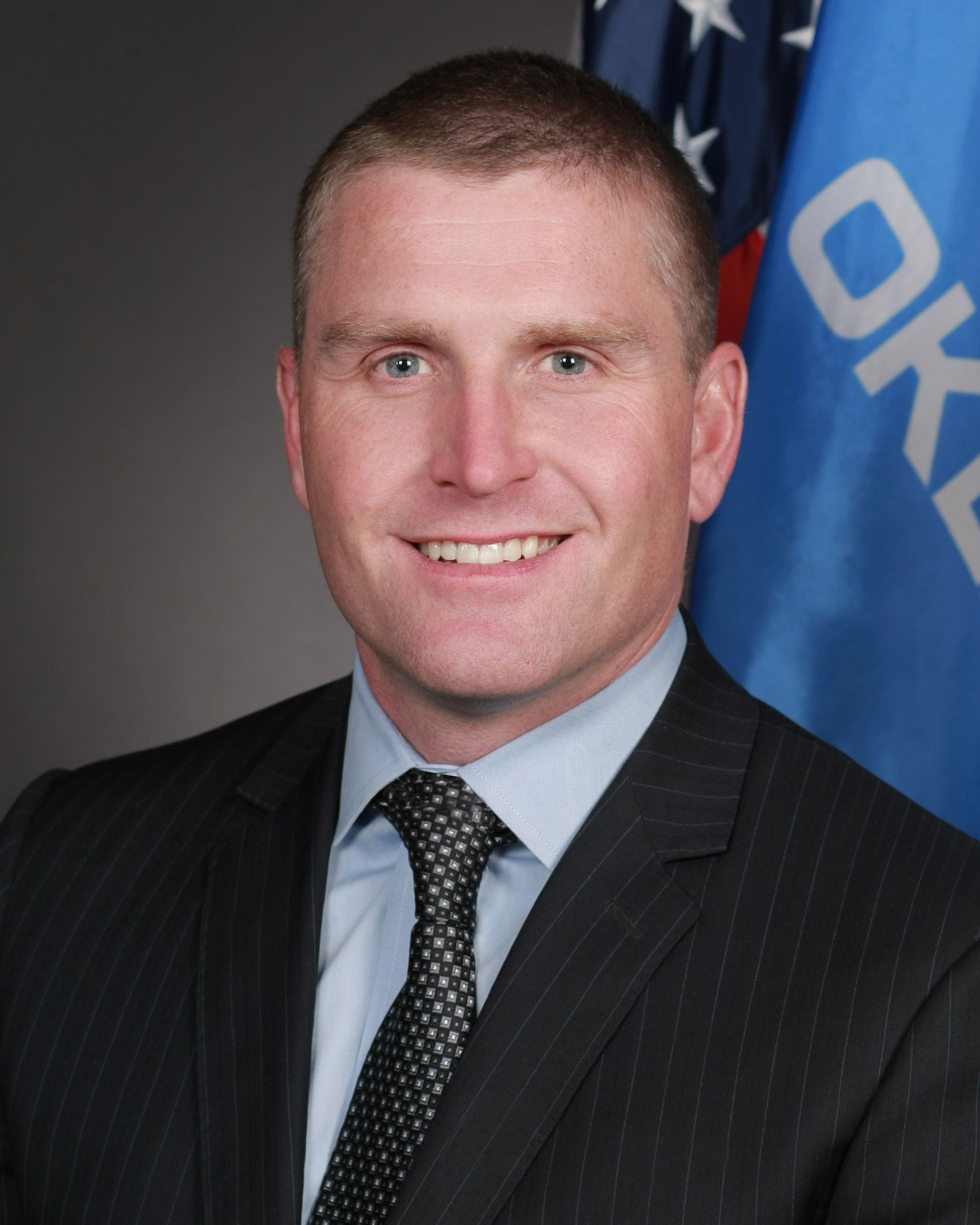
Chris Kannady
House · District 91
|
R |
Strong +
|
88% | 77 |
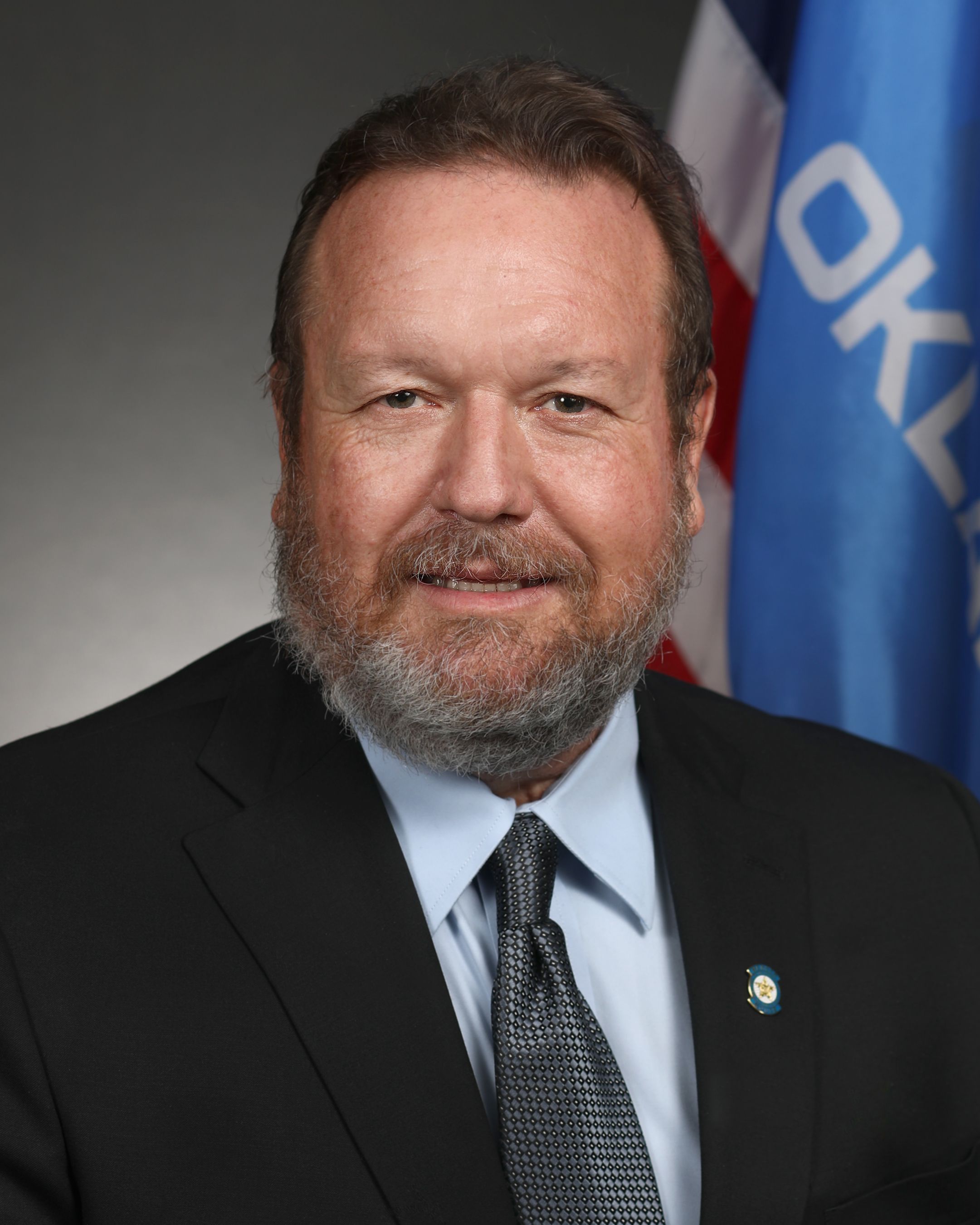
Eddy Dempsey
House · District 1
|
R |
Strong +
|
88% | 123 |
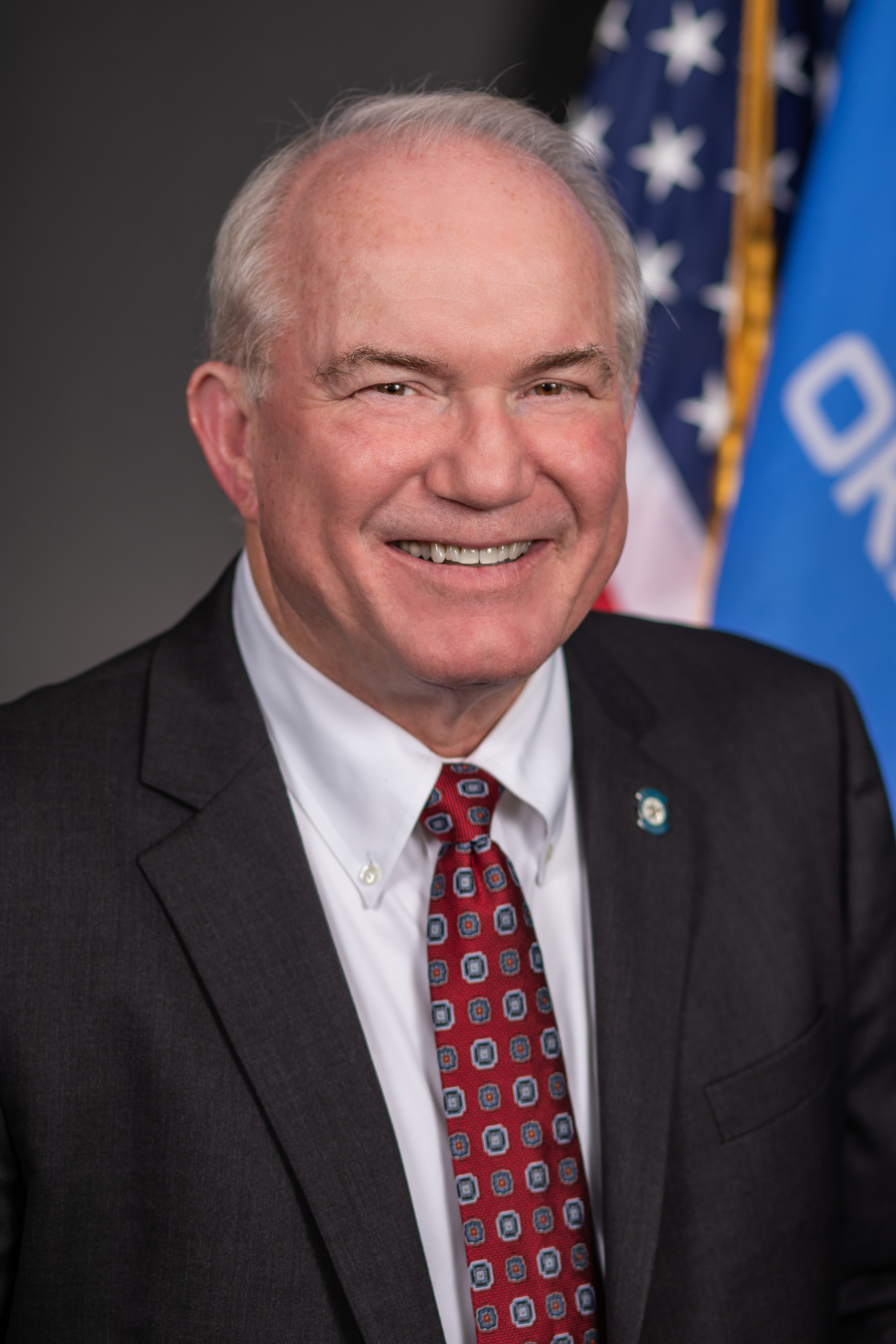
John Haste
Senate · District 36
|
R |
Strong +
|
87% | 166 |
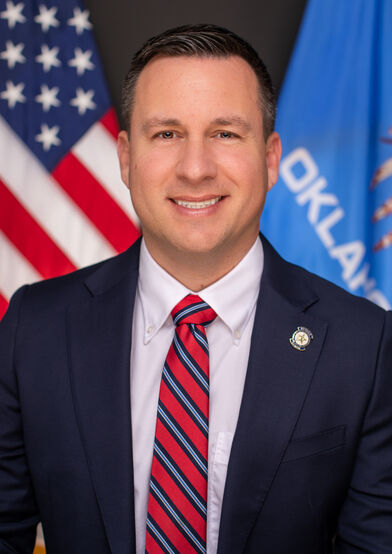
Aaron Reinhardt
Senate · District 37
|
R |
Strong +
|
87% | 171 |
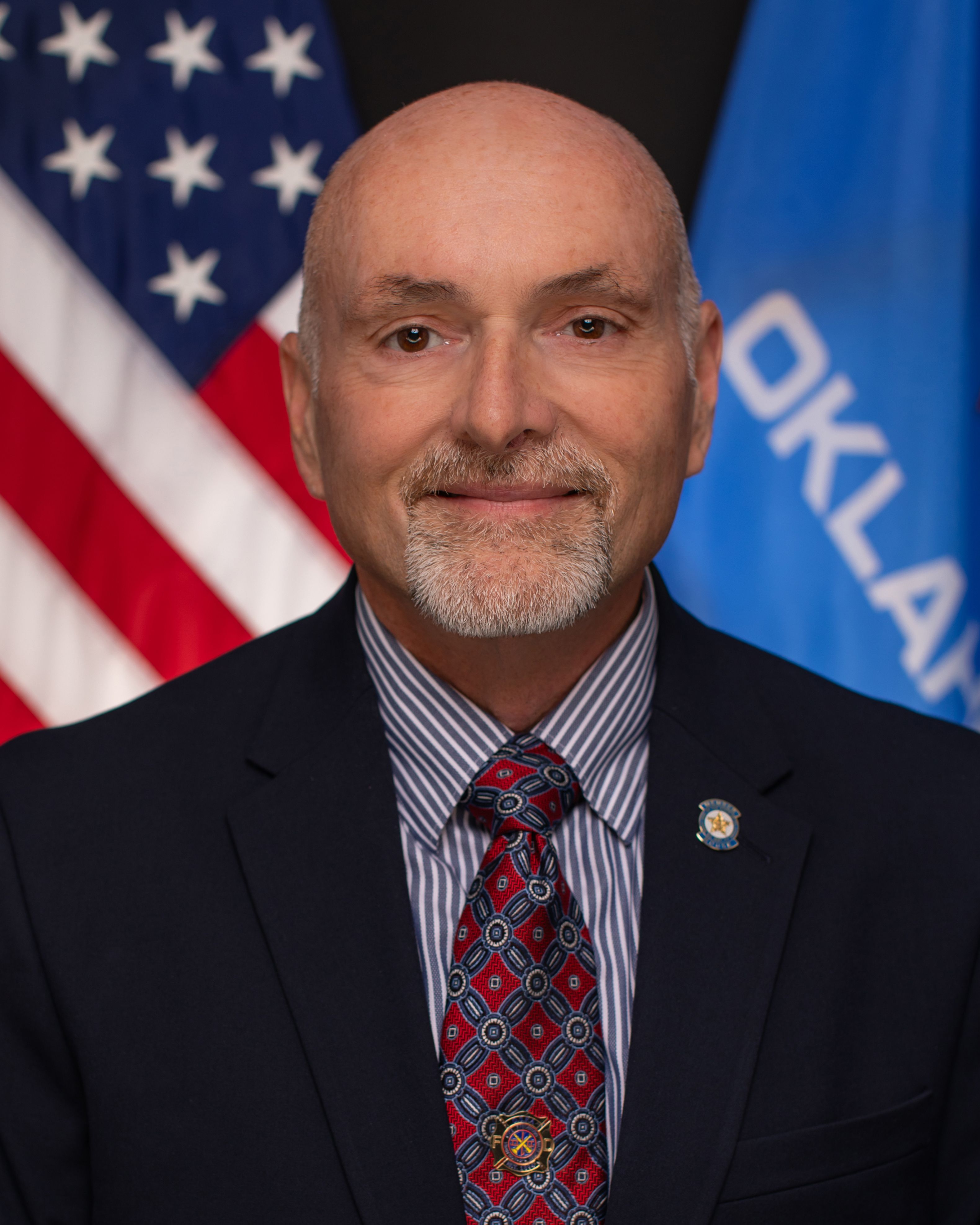
Mike Kelley
House · District 60
|
R |
Strong +
|
87% | 153 |

Tom Gann
House · District 8
|
R |
Strong −
|
20% | 153 |

Molly Jenkins
House · District 33
|
R |
Oppose
|
23% | 148 |

Rick West
House · District 3
|
R |
Oppose
|
24% | 148 |

Jim Shaw
House · District 32
|
R |
Oppose
|
26% | 163 |

Justin Humphrey
House · District 19
|
R |
Oppose
|
28% | 104 |
Showing 561–570 of 751
bills
All budget & taxes bills
SB 295: Income tax; modifying certain income tax rate for certain tax years. Effective date.
SB 239: Income tax; limiting credit allowance for zero-emission facilities to certain tax years; limiting carry forward of credit. Effective date.
Topics
✗ Budget & TaxesOpposes Budget & TaxesLimits tax credit carry-forward beyond 2025, restricting tax benefits for businesses generating zero-emission energy.
✗ EnergyOpposes EnergyBill limits tax credit carry-forward for zero-emission facilities beyond 2025, restricting long-term incentives for renewable energy projects.
✗ EnvironmentOpposes EnvironmentLimits tax credit duration for clean energy facilities, ending carry-forwards after 2025, weakening long-term incentives for zero-emission power generation.
HB 2942: Revenue and taxation; Health Care Sharing Ministry Tax Parity Act; definitions; income tax deduction; effective date.
Topics
✗ Budget & TaxesOpposes Budget & TaxesCreates new tax deduction for HCSM members, reducing state tax revenue and expanding tax breaks beyond standard health insurance.
✓ HealthcareSupports HealthcareAllows tax deduction for HCSM expenses, treating them like insurance premiums, expanding tax-advantaged healthcare access for religious/ethical groups.
SB 1193: School funding; removing limitations on school district general fund carryover and penalties for exceeding limitations. Effective date. Emergency.
Topics
✓ Budget & TaxesSupports Budget & TaxesRemoves restrictions on school fund carryover and penalties, promoting fiscal flexibility and budget management within school districts per bill summary.
✓ EducationSupports EducationRemoves restrictions on school fund carryover and penalties, increasing budget flexibility and preventing loss of state aid for districts with high per-pupil revenue.
HB 2402: Revenue and taxation; Oklahoma Advanced Manufacturing Incentive Act of 2025; time period; eligibility requirements; collaboration.
Topics
✓ Budget & TaxesSupports Budget & TaxesProvides corporate tax breaks (up to 50%) for qualifying manufacturers, advancing tax incentive policy as a fiscal tool.
✓ EnergySupports EnergyBill provides tax incentives for waste heat recovery technology, directly promoting energy efficiency and clean energy infrastructure development.
✓ EnvironmentSupports EnvironmentBill incentivizes low-temperature waste heat electrification tech (energy efficiency), promoting cleaner manufacturing and reduced emissions through tax breaks for qualifying facilities.
✓ TechnologySupports TechnologyBill provides tax breaks/grants for manufacturers of low-temp waste heat electrification technology, directly funding and promoting this specific tech sector.
HB 2894: Oklahoma Rural Jobs Act; cap on capital investment tax credits; authorizing and limiting additional participation in program under certain conditions.
SB 285: Income tax; providing tax credit for contributions to certain higher education institution foundations. Effective date.
Topics
✓ Budget & TaxesSupports Budget & TaxesCreates tax credit reducing taxpayer liability for education donations, aligning with tax relief indicators for public service funding.
✓ EducationSupports EducationCreates tax credit for higher ed foundation donations, incentivizing private funding to boost resources for Oklahoma's higher education institutions.
SB 49: Sales tax; providing exemption for certain nonprofits preventing child abuse. Effective date.
SB 816: Income tax; providing credit for certain child care expenses; providing credit for qualifying child care worker. Effective date.
Topics
✓ Budget & TaxesSupports Budget & TaxesCreates tax credits for employers and child care workers, providing direct tax relief and strengthening fiscal support for lower/middle-income groups.
✓ Labor & EmploymentSupports Labor & EmploymentProvides direct $1,000 refundable tax credit to qualified child care workers, expanding worker benefits and supporting employment in this sector.