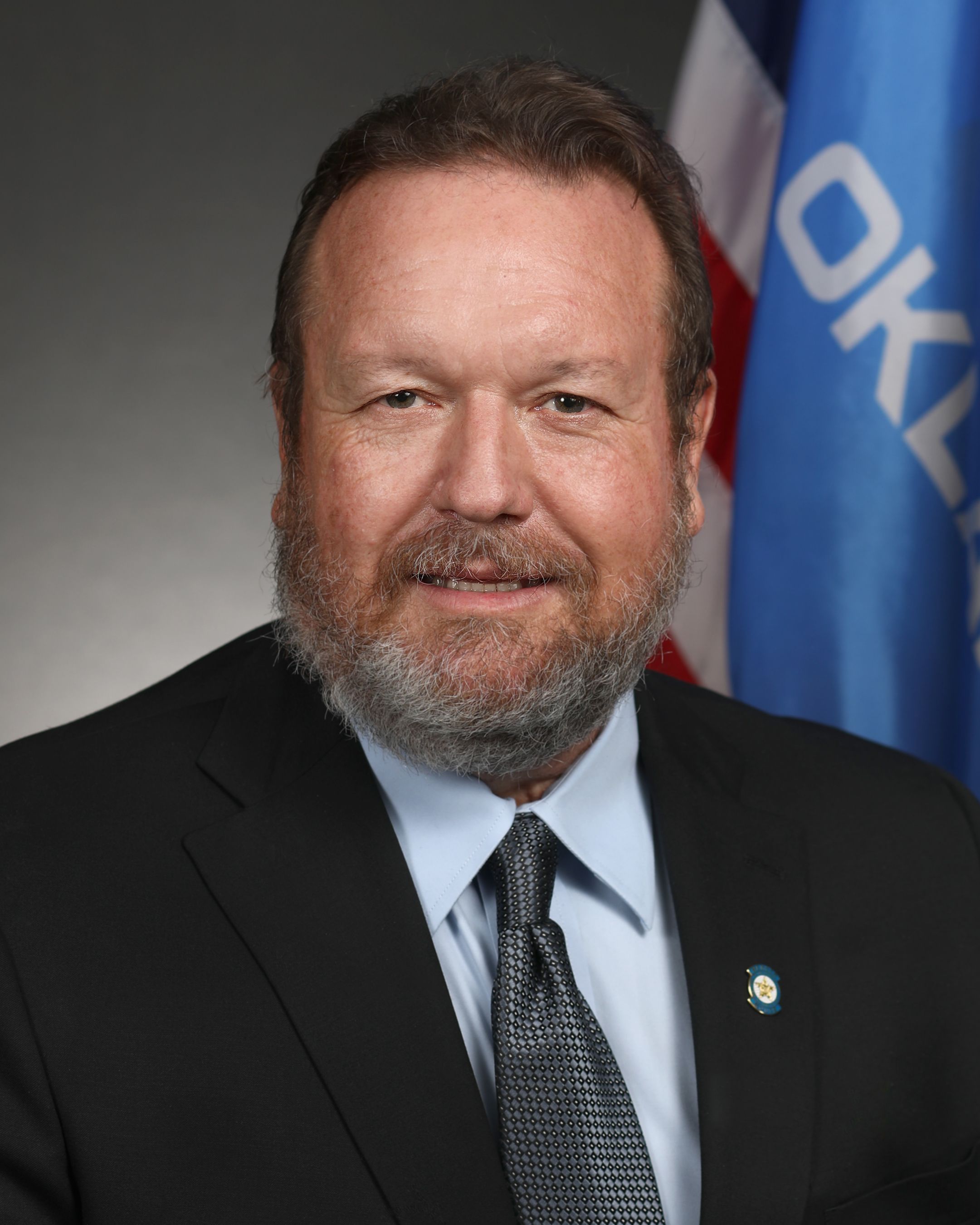
This Oklahoma House Concurrent Resolution expresses support for eliminating the United States Department of Education and urges the U.S. Congress to cooperate with that goal. The document argues that education is a state responsibility under the Tenth Amendment and claims that federal involvement has led to excessive regulations and poor student outcomes in Oklahoma. It highlights concerns about declining national reading scores and asserts that local control would better address educational needs. The resolution does not change any laws or policies within Oklahoma but serves as a formal statement of legislative sentiment regarding federal education policy.
This bill amends the Oklahoma Tourism Development Act to increase the cumulative inducement amount that can be provided annually for tourism promotion. It directly affects state agencies responsible for developing and marketing Oklahoma as a travel destination. The key provision allows for a higher annual budget allocation to incentivize tourism growth through financial incentives. The bill became law on May 7, 2025, without requiring the Governor's signature.
This bill proposes a constitutional amendment to create a five-year property tax exemption for new or expanded manufacturing facilities in Oklahoma, aiming to encourage businesses to locate or grow within the state. The exemption applies to qualifying manufacturing concerns that are new to the state or relocating, and it specifically covers expansions of existing facilities. To prevent financial harm to other local governments, the bill requires the Legislature to establish reimbursement systems for schools, counties, cities, and other entities that lose revenue due to the tax exemption, and it ensures these reimbursement amounts count toward debt limits for local governments. After the five-year exemption period ends, counties may retain up to 25% of the new property taxes generated from previously exempted facilities to fund additional economic development and job creation.
This bill proposes a constitutional amendment to Oklahoma that limits how much money the state must return to local governments when they lose tax revenue due to property tax exemptions for new manufacturing facilities. The amendment would cap reimbursement to counties, cities, schools, and other taxing jurisdictions at the amount of tax revenue they collected before the new or expanded manufacturing facility was built. It also allows counties to keep up to 25% of increased tax revenue after the five-year exemption period ends, provided they use it for economic development. The bill requires a special election on August 25, 2026, where Oklahoma voters will decide whether to approve or reject this change to the state constitution.
This bill establishes the State Budget Act of 2026, which will govern Oklahoma's state budget for that fiscal year. It directly affects state government operations by setting the legal framework for budget allocations and spending. The key provision is that the act becomes effective on November 1, 2026, marking the start of the new fiscal year. The legislation also notes that it will not be codified in the Oklahoma Statutes, meaning it serves as a temporary budget authorization rather than a permanent law.
HB 4215 establishes the "Oklahoma Film, Television and Music Incentives Act of 2026," creating a new economic development program for the state's film, television, and music industries. The bill formally names the incentive program and sets its effective date as November 1, 2026. It does not detail specific financial incentives or eligibility rules in the provided text. This legislation directly affects producers and businesses in Oklahoma's entertainment sector by establishing a framework for potential future incentives. The bill is currently in early committee review with no specific provisions outlined beyond its name and effective date.
SB 237 requires the Commissioners of the Land Office to make payments to certain counties instead of collecting ad valorem taxes from them. This change directly affects counties that currently receive tax revenue from state-owned lands and the state agency responsible for managing those lands. The bill establishes a new payment mechanism to replace the existing tax collection process, ensuring counties receive their share of land-related revenue. The legislation is currently in the early stages of review by the Appropriations and Budget committee.
This bill authorizes an emergency appropriation of approximately $19.66 million to the Oklahoma Department of Mental Health and Substance Abuse Services. The funds must come from the Rate Preservation Fund in the State Treasury and are designated specifically for Title XIX services, which are Medicaid-funded mental health and substance abuse programs. The legislation includes an emergency provision, allowing the funding to take effect immediately upon the governor's approval without waiting for the regular budget cycle. This action provides direct financial resources to the state agency responsible for administering mental health and substance abuse services.
SB 90 provides a 5% benefit increase for retirees in several Oklahoma public employee retirement systems, including firefighters, police officers, judges, law enforcement, teachers, and general public employees. This applies to those receiving benefits as of June 30, 2025, and continuing to receive them after the bill's effective date (July 1, 2026). The bill includes offset provisions for certain pre-1981 retirees: their increases may be partially reduced based on changes to firefighter or police officer base salaries. The policy directly affects current retirees in these specific systems without altering the core benefit structure for most recipients.
This proposed constitutional amendment (HJR 1060) would create a full homestead exemption for the fair cash value of a primary residence for:
- Disabled firefighters (100% service-connected), police officers (100% service-connected), and volunteer police officers (federally certified), along with their surviving spouses.
Eligibility requires Oklahoma residency, certification of 100% disability, and prior or current homestead exemption eligibility.
The exemption applies starting January 1, 2027, and allows qualifying individuals to transfer to a new homestead within the same calendar year while maintaining the exemption.
This is a voter-approved constitutional change, not an existing law.