

Issue · Budget & Taxes
Budget & Taxes
Every budget & taxes bill, vote, and legislator stance in Oklahoma, automatically classified by Maddy, our AI policy reader.
Total bills
751
2026 Regular Session
Top supporter
Chris Kannady
88% support rate
Top opponent
Tom Gann
20% support rate
Ranked legislators
10
5 support · 5 oppose
Key legislators
Who's moving budget & taxes in Oklahoma
| Legislator | Party | Stance | Support rate | Decisive votes |
|---|---|---|---|---|
Chris Kannady
House · District 91
|
R |
Strong +
|
88% | 77 |
Eddy Dempsey
House · District 1
|
R |
Strong +
|
88% | 123 |
John Haste
Senate · District 36
|
R |
Strong +
|
87% | 166 |

Aaron Reinhardt
Senate · District 37
|
R |
Strong +
|
87% | 171 |
Mike Kelley
House · District 60
|
R |
Strong +
|
87% | 153 |

Tom Gann
House · District 8
|
R |
Strong −
|
20% | 153 |

Molly Jenkins
House · District 33
|
R |
Oppose
|
23% | 148 |

Rick West
House · District 3
|
R |
Oppose
|
24% | 148 |

Jim Shaw
House · District 32
|
R |
Oppose
|
26% | 163 |
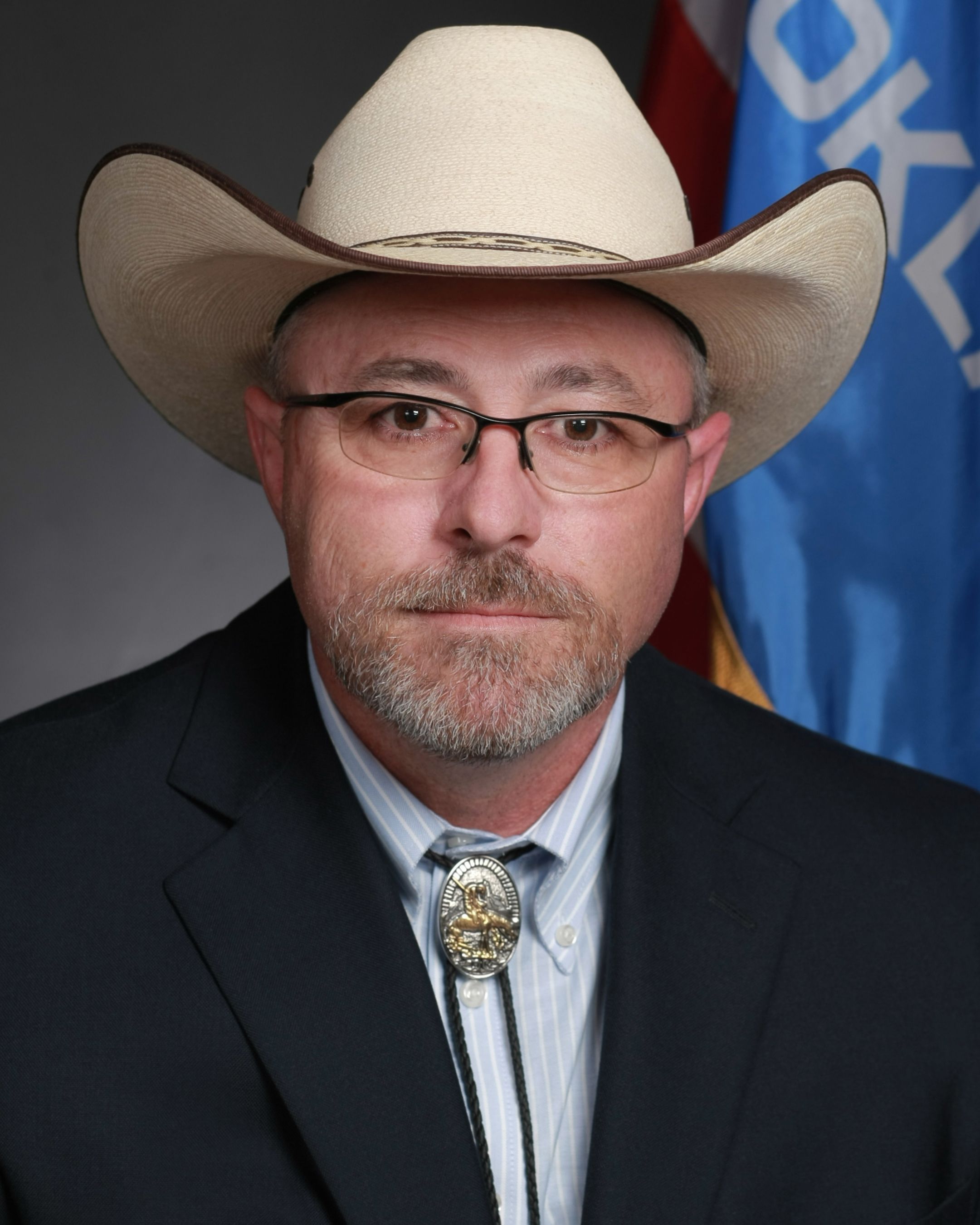
Justin Humphrey
House · District 19
|
R |
Oppose
|
28% | 104 |
Showing 531–540 of 751
bills
All budget & taxes bills
HB 2115: Public assistance programs; directing the Department of Human Services to administer certain programs; federal funds; requirements; transferring certain powers, duties, records, assets and monies to the Department; effective date.
Topics
✓ Budget & TaxesSupports Budget & TaxesProvides grants for low-income weatherization, funding essential public assistance program under budget allocation.
✓ EnergySupports EnergyBill funds energy efficiency upgrades (weatherization, insulation) for low-income households via conservation grants, directly advancing energy conservation through reduced consumption.
✓ EnvironmentSupports EnvironmentProvides grants for weatherization (insulation, energy audits) to conserve energy, reduce emissions, and lower utility costs for low-income households, directly advancing environmental conservation.
✓ HousingSupports HousingProvides weatherization grants ($3,000 max) to low-income elderly/handicapped homeowners, reducing utility costs and supporting housing affordability for vulnerable residents.
HB 2745: Revenue and taxation; banking privilege tax; deductions; effective date.
Topics
✗ Budget & TaxesOpposes Budget & TaxesBill creates tax deductions for large banks/credit unions, reducing government revenue via privilege tax breaks, aligning with 'tax breaks primarily for wealthy'.
✓ HousingSupports HousingCreates tax deductions for banks making qualifying housing loans (single-family residences), incentivizing lending to advance housing development and affordability.
HB 1183: Revenue and taxation; motor vehicle excise tax; value of vehicle; effective date.
Sub-Topics
Sales Tax
HB 2401: State government; State Government Act of 2025; effective date.
SB 1130: University Hospitals Authority; making an appropriation; stating purpose. Effective date. Emergency.
Topics
✓ Budget & TaxesSupports Budget & TaxesAppropriates $100,000 from General Revenue Fund to State Board of Education for operations, fulfilling legal duties without policy changes.
✓ EducationSupports EducationAppropriates $100k to State Board of Education for operations, directly funding educational governance without restrictions or policy changes.
SJR 25: Constitutional amendment; creating the Taxpayer's Bill of Rights.
Sub-Topics
Business Taxes
SJR 3: Constitutional amendment; modifying limit on fair cash value of homestead to provide exemption for the full amount of fair cash value for seniors.
HB 1856: State government; Oklahoma 10-8 Fund; grant program; Office of the Attorney General; revolving fund; appropriation; effective date.
Topics
✓ Budget & TaxesSupports Budget & TaxesAllocates $20M state appropriation for peace officer bonuses, directly increasing government spending on public safety programs per budget & taxes topic.
✓ Criminal JusticeSupports Criminal JusticeBill funds new officer recruitment via bonuses to address vacancies, directly strengthening law enforcement staffing within criminal justice system.
HB 1742: Schools; Oklahoma Parental Choice Tax Credit Act; website requirements; effective date.
Topics
✓ Budget & TaxesSupports Budget & TaxesCreates tax credit program for education expenses, providing tax relief to qualifying households per income tiers, aligning with tax relief indicators for middle/lower income.
✓ EducationSupports EducationCreates tax credits for private school tuition, tutoring, and educational expenses, expanding parental choice and access to education funding through direct financial support.