Maddy summaryThe Land of the Free Act of 2026 amends federal immigration law to remove a specific ground for deportation related to protected speech activities. By striking a particular subsection of the Immigration and Nationality Act, the bill aims to prevent individuals from being deported solely for engaging in constitutionally protected expression. This change directly affects immigrants who might otherwise face removal proceedings based on their speech. The legislation does not alter other deportation criteria or create new categories of removable offenses.
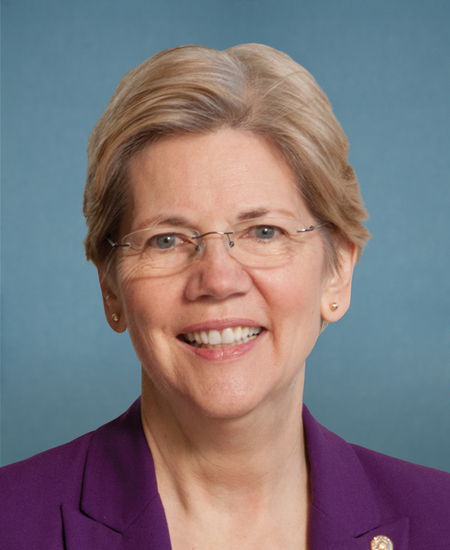
Sen. Elizabeth Warren
Sponsored bills
Maddy summaryThe Stock Buyback Accountability Act of 2026 raises the federal excise tax on corporate stock repurchases from 1 percent to 4 percent, directly affecting corporations that buy back their own shares. This change also modifies existing tax rules to exclude stock issued to high-income executives and employees earning over $1 million from the tax calculation. The new provisions apply to stock repurchases occurring after the law is enacted, with specific transition rules for partial-year transactions, while the adjustments to tax exemptions take effect for taxable years ending more than 90 days after enactment.
Maddy summaryThe Make More in America Act of 2026 expands the Export-Import Bank's authority to provide loans, guarantees, and other financial support specifically for U.S. manufacturing projects that are intended for export. This new program targets strategic industries such as renewable energy, semiconductors, shipbuilding, and advanced robotics, with a goal of creating at least 30 percent of the Bank's annual financing for these domestic projects. To ensure accountability, the bill requires recipients to meet prevailing wage standards, commit to workforce training, and adhere to strict timelines, with funds subject to clawback if these conditions are not met. Additionally, the legislation increases the Bank's overall lending authority, establishes a new interagency committee to coordinate federal investment strategies, and tightens rules on who is eligible for Bank support.
First Rhode Island Regiment Congressional Gold Medal Act This bill provides for the award of a single Congressional Gold Medal to the First Rhode Island Regiment, collectively, in recognition of their dedicated service during the Revolutionary War.
Maddy summaryThe Child Safety and Well-Being Act of 2026 establishes a new federal Children's Commission to advocate for the interests of all children and specifically marginalized youth, including foster care recipients and those facing systemic barriers. This 15-member commission, appointed by the Comptroller General, will conduct research, review federal regulations, and issue reports to ensure that child well-being is considered in government policies and legislation. The bill also creates a Children's Commissioner to lead the commission and requires agencies to share relevant data, while authorizing $7.5 million annually from 2027 through 2034 to fund these operations.
Maddy summaryThe AI Bubble Transparency Act requires major financial institutions to report detailed data on their investments in companies that build artificial intelligence hardware and infrastructure, such as chip makers and data centers. These reports must include specific information about the size, type, and financial health of the companies involved, while smaller banks and those with minimal exposure are exempt from these requirements. Within a year of passing, regulators will compile this information into a public report assessing how risks in the AI sector could impact overall financial stability and will offer recommendations to reduce those risks.
Maddy summaryThe Critical Defense Ownership Review Act requires the Department of Defense to review any attempt by an investment company to acquire at least a 25 percent stake or control of a major defense supplier. Under this law, such transactions must undergo a premerger notification process where the Department evaluates national security risks, competition impacts, and the financial stability of the involved companies. If the Department identifies concerns, it must report its findings to federal antitrust authorities within 30 days. Additionally, the bill mandates a triennial review every three years to assess how mergers and acquisitions affect the health of the defense industrial base, with results reported to Congress. These provisions directly impact investment firms seeking to invest in defense contractors and aim to ensure the continued reliability of critical military supply chains.
Maddy summaryThe Natural Climate Solutions Research and Extension Act of 2026 directs federal funding toward studying and promoting land management practices that help store carbon or lower greenhouse gas emissions in agricultural lands, grasslands, wetlands, and forests. This legislation specifically supports projects that incorporate traditional ecological knowledge, enhance biodiversity, and reduce water runoff. By amending an existing agricultural law, the bill ensures that research grants prioritize these environmental benefits to improve climate resilience.
Maddy summaryThe Restore Military Families' Voices Act prohibits landlords of privatized military housing from asking tenants to sign nondisclosure agreements regarding their living conditions. It expands protections against retaliation by allowing tenants to report issues to the Chief Housing Officer, inspectors general, and members of Congress without fear of reprisal from their landlords or the chain of command. The bill also requires the Inspector General to notify military department secretaries and congressional committees within ten business days of receiving a retaliation report. These changes directly affect families renting privatized housing units and the organizations responsible for overseeing those properties.
Maddy summaryThis joint resolution seeks to reject a specific federal rule issued by the Centers for Medicare & Medicaid Services regarding the WISeR Model, which was designed to reduce wasteful spending by requiring prior authorization for select Medicare services. If passed, the measure would legally nullify the rule, preventing the Centers for Medicare & Medicaid Services from enforcing the new prior authorization requirements on healthcare providers. The bill directly affects Medicare beneficiaries and medical facilities that would otherwise have to comply with these administrative changes. By invoking the Congressional Review Act, the legislation aims to stop the implementation of the policy without altering the underlying statute governing Medicare.