Maddy summarySRES 536 is a non-binding Senate resolution designating December 2, 2025, as "World Nuclear Energy Day." It commemorates nuclear energy's role in clean power generation, highlighting historical milestones like the first nuclear chain reaction (1942) and the first commercial nuclear plant (1957). The resolution celebrates nuclear energy's contributions to U.S. electricity (18% of generation, 43% carbon-free), job creation (over 70,000 direct jobs), and national security, without creating new laws or affecting any group. It serves as a symbolic recognition of the industry's achievements.
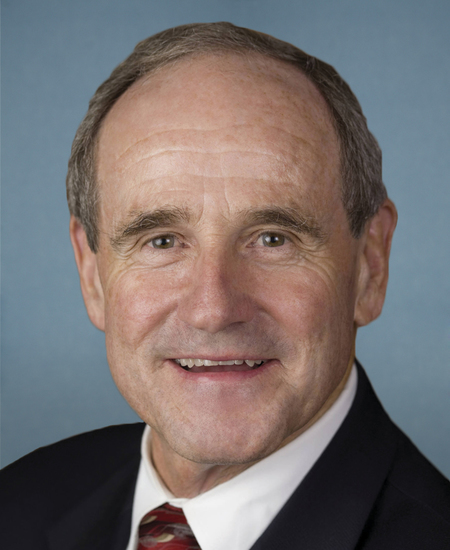
Sen. James E. Risch
Sponsored bills
Maddy summaryThe PBM Price Transparency and Accountability Act requires pharmacy benefit managers (PBMs) to be more transparent about drug pricing and ensure accurate payments to pharmacies. It establishes national average drug acquisition cost benchmarks for Medicaid, prohibits PBMs from keeping excessive profits through "spread pricing," and mandates detailed reporting of drug pricing, rebates, and fees. The bill affects Medicaid programs, Medicare Part D plans, and the PBMs that negotiate drug prices on behalf of insurers. It includes enforcement mechanisms like civil penalties for non-compliance and requires PBMs to report detailed pricing information to the Secretary of Health and Human Services.
Maddy summaryThis bill directs the Secretary of the Interior to collaborate with Indian Tribes within one year of enactment to identify culturally significant "Native American seeds" and support tribal seed banks, traditional agriculture systems, and seed protection efforts. It requires the Secretary to safeguard any culturally sensitive or confidential information shared by Tribes under this Act, prohibiting its disclosure. The bill does not authorize new funding, relying instead on existing appropriations for implementation. It directly affects Indian Tribes by empowering them to manage and protect their traditional seed resources under federal guidance.
Maddy summaryThe Back the Blue Act of 2025 creates new federal criminal offenses for killing or assaulting law enforcement officers, judges, and certain public safety personnel (including firefighters and first responders) while they are on duty or because of their official status. It increases penalties for these crimes, including minimum 10-year prison terms for killing officers and longer sentences for assaults causing serious injury, with the death penalty possible for killings. The bill also adds a "flight to avoid prosecution" provision for those fleeing to evade charges for killing officers, expands law enforcement officers' rights to carry firearms in certain circumstances, and limits federal habeas corpus relief for individuals convicted of killing law enforcement officers. This legislation directly affects law enforcement officers, judges, and public safety personnel, as well as individuals who commit violence against them.
Maddy summaryThis bill increases the tax exclusion for capital gains when selling a primary residence. It doubles the exclusion amount from $250,000 (for single filers) to $500,000 and from $500,000 (for married couples) to $1,000,000. The bill also adds an inflation adjustment for amounts after 2025, tying future increases to the cost-of-living adjustment. It directly affects homeowners who sell their primary residence and would otherwise owe tax on profits exceeding the previous limits. The changes apply to sales after the bill's enactment date.
Maddy summaryThis bill requires the Veterans Health Administration to expand its existing informed consent directive (currently covering long-term opioid therapy) to include written consent for five additional medication categories: antipsychotics, stimulants, antidepressants, anxiolytics, and narcotics. It directly affects Veterans receiving VA care for these specific medications, mandating that providers obtain written informed consent before prescribing them. The key mechanism is updating VA Directive 1005 to explicitly apply to these new medication types, ensuring consistent consent processes across VA treatment. This change applies only to VA healthcare settings, not to civilian medical practices.
Maddy summaryS 1228 amends the Public Lands Corps Act of 1993 to change cost-sharing requirements for conservation projects run by qualified youth or conservation corps on public lands. It increases the federal government's required cost-share from 75% to 90% and decreases the non-federal partner's share from 25% to 10%. This directly affects conservation corps and their partners by reducing their financial burden for projects on public lands. The bill makes no other changes to the Act's provisions.
Maddy summarySRES 513 is a non-binding Senate resolution designating November 22, 2025, as National Adoption Day and all of November 2025 as National Adoption Month. It aims to promote public awareness of adoption, particularly for children in foster care awaiting permanent families, and encourages Americans to support adoption efforts. The resolution directly affects the public, adoption agencies, and foster care systems by formally recognizing these dates for nationwide awareness campaigns. It does not create new laws or policies but seeks to highlight existing adoption opportunities and the need for stable homes for children.
Maddy summaryS 3267, the ASAP Act, would require Medicare to cover early detection screening tests for Alzheimer's disease and related dementias starting January 1, 2028. The bill defines these tests as FDA-cleared or approved blood, genomic, or imaging-based screenings for pre-symptomatic or early-stage detection. It directly affects Medicare beneficiaries aged 65+ who may be at risk for Alzheimer's, ensuring coverage for these specific tests once approved. The key provision adds these screenings to Medicare's payment system under Section 1833(h)(1)(A) of the Social Security Act.
Maddy summarySRES 507 designates November 20, 2025, as "National Rural Health Day," continuing an annual observance established in 2011. The resolution recognizes rural health care providers and the communities they serve, acknowledging challenges like hospital closures and access barriers in rural areas. It does not create new policies or funding but formally designates a date for public recognition. This procedural resolution was introduced by multiple senators and passed unanimously.