

Maddy summaryThe FRONTIER Act establishes a regulatory framework for the largest artificial intelligence developers to manage and disclose risks associated with their most powerful models, known as "frontier models." It requires companies meeting specific revenue and spending thresholds to create public safety frameworks, undergo independent third-party audits, and report incidents or potential harms to the Department of Commerce. The bill also creates a system where the Secretary of Commerce can issue emergency orders to suspend or restrict model development if an imminent catastrophic risk is identified. Additionally, the legislation preempts state laws that impose new obligations on AI developers regarding risk transparency, auditing, and incident reporting to ensure a uniform national approach.
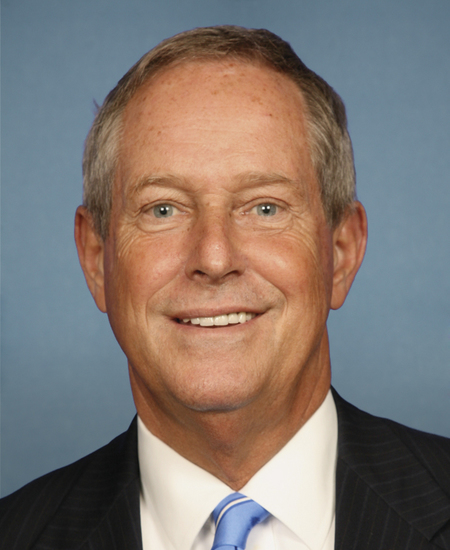
Rep. Joe Wilson
Sponsored bills
Maddy summaryThis bill designates Afghanistan for Temporary Protected Status, allowing nationals who have lived continuously in the United States since the law's enactment to apply for a legal stay until July 1, 2029. To qualify, applicants must pass background checks and submit biometric data, while the Department of Homeland Security is required to process these applications within 90 days unless national security concerns justify a brief extension. The legislation also permits eligible individuals to request fee waivers for their applications and allows for special travel consent in emergency situations that require a short trip abroad.
Maddy summaryThis bill prohibits the United States from providing any voluntary or assessed funding to the United Nations Relief and Works Agency for Palestine Refugees in the Near East. The restriction applies directly to the U.S. government's financial contributions to the agency, effectively cutting off official U.S. support. However, the law allows for humanitarian aid to individuals who receive help from UNRWA if that aid is delivered through other organizations that do not promote violence, terrorism, or antisemitism. Ultimately, the legislation mandates a complete halt to direct U.S. funding for UNRWA while permitting indirect assistance under specific conditions.
Maddy summaryThis bill reauthorizes and expands the Accelerating Access to Critical Therapies for ALS Act through 2031, extending funding for research into treatments for amyotrophic lateral sclerosis. It requires drug manufacturers to share interim clinical trial data with the FDA to better assess the progress of investigational drugs and clarifies that phase 3 clinical trial definitions include combined phase 2/3 trials and planned trials not yet enrolling participants. The legislation also mandates the FDA to publish an updated five-year action plan for ALS and other rare neurodegenerative diseases, including resource needs and coordination strategies with broader disease communities. Additionally, the bill requires the Government Accountability Office to submit a report on the program's implementation four years after enactment.
Maddy summaryThe PREVENT ESRD Act establishes a ten-year demonstration program to help prevent kidney disease from progressing to end-stage renal disease, which places a heavy financial burden on Medicare. Starting in 2027, the program invites private health plans, Medicaid programs, and other insurers to voluntarily join an initiative where they must cover specific kidney care services, such as screenings, medications, and nutrition support, with little to no cost to patients. Participating plans can earn shared savings payments from Medicare if they successfully reduce the rate of kidney disease progression compared to a benchmark based on their historical data, provided they maintain high quality of care and do not avoid enrolling high-risk patients. The legislation also requires the Department of Health and Human Services to hold listening sessions and gather public input to refine the program's scope and ensure it meets the needs of patients and providers.
Maddy summaryHR 6213, the Heat Workforce Standards Act of 2025, prohibits the U.S. Department of Labor from finalizing, implementing, or enforcing OSHA's proposed "Heat Injury and Illness Prevention" standard (published August 30, 2024). This bill directly blocks the specific regulatory proposal targeting heat safety in both outdoor and indoor work settings. It does not create new requirements or affect workers; it solely prevents the implementation of the existing OSHA proposal. The bill is procedural, focusing on halting a regulatory action rather than establishing new policy.
Maddy summaryThe AADAPT Act reauthorizes and expands Project ECHO grants to improve Alzheimer’s and dementia care through technology-enabled training. It specifically funds grants for healthcare providers in rural, frontier, or medically underserved areas to enhance early diagnosis, quality care, and provider retention for dementia patients. The bill authorizes $1 million annually (2027-2032) for these dementia-focused training programs, requiring funds to supplement - not replace - existing resources. This directly supports primary care providers licensed to serve underserved communities, using collaborative online learning to address care gaps.
Maddy summaryThis bill, known as the Daughters of the American Revolution Membership Integrity Act, amends federal law to explicitly limit membership in the Daughters of the American Revolution to adult human females. It defines a female as someone who naturally possesses or would have the reproductive system capable of producing ova for fertilization, regardless of any congenital anomalies or medical disruptions. By adding this specific definition to the organization's governing code, the legislation clarifies the genealogical and biological requirements for joining the group. The change directly affects the organization's eligibility rules but does not alter its internal operations or funding.
Maddy summaryThis bill moves the administration of international education programs from the Department of Education to the Department of State. It specifically transfers oversight of the International Education Programs under the Higher Education Act and the Fulbright-Hays program, while simultaneously repealing the Institute for International Public Policy within the Department of Education. To manage this shift, the Office of Management and Budget will ensure there is no net increase in federal employees and will handle the transfer of personnel, funds, and contracts, with existing grants and pending applications remaining valid during the transition. The changes officially take effect six months after enactment, though some transfers can begin immediately.
Maddy summaryThis bill requires Medicare Advantage plans to implement electronic pre-approval systems for medical services by 2028 and meet transparency reporting standards starting in 2027. Plans must publicly report data on approval/denial rates, appeal outcomes, response times, and technology use for pre-approval requests, including details on how denials relate to clinical criteria. It establishes a 24-hour response timeframe for certain requests and mandates annual reviews of pre-approval requirements based on data and input from seniors and providers. The law directly affects Medicare Advantage plans, seniors enrolled in these plans, and healthcare providers who submit pre-approval requests. These changes aim to make the pre-approval process faster, more transparent, and more accountable for seniors seeking covered medical services.