Maddy summaryThis bill directs the Small Business Administration to create educational resources for small business owners and employees regarding their rights and responsibilities during immigration enforcement actions. The SBA must develop online modules, a physical card, and planning guides that explain how to respond to searches or arrests, including the constitutional right to remain silent and consult a lawyer. These materials will be made available in English and the 15 most commonly spoken languages in the U.S., with content reviewed by legal experts and government agencies to ensure accuracy.
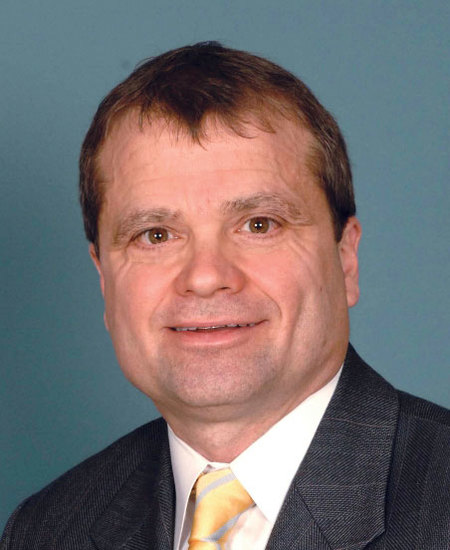
Rep. Mike Quigley
Sponsored bills
Maddy summaryThis bill establishes federal protections and funding to expand access to in vitro fertilization and intrauterine insemination for individuals, military service members, and veterans. It requires most private health plans, Medicaid programs, and Medicare to cover these fertility treatments without imposing higher cost-sharing than other medical services. Additionally, the legislation mandates that the Department of Defense and the Department of Veterans Affairs provide specific fertility preservation and treatment benefits to uniformed service members and eligible veterans. The bill also includes preemption clauses that override state laws restricting these procedures and prohibits discrimination based on marital status, sex, or sexual orientation in the provision of care.
Maddy summaryThis bill would invalidate a final rule issued by the U.S. Fish and Wildlife Service and the National Oceanic and Atmospheric Administration that rescinded the definition of "harm" under the Endangered Species Act. By declaring that the 2026 rule has no force or effect, the legislation aims to restore the previous legal interpretation of how actions can harm protected species. This change directly affects entities subject to the Endangered Species Act by reinstating the broader regulatory framework for protecting endangered and threatened wildlife.
Maddy summaryThe WINGS Act of 2026 expands federal financial aid eligibility to cover specific aviation training expenses for students enrolled in qualifying aviation programs at colleges and universities. Under this bill, students could use federal funds to pay for costs such as flight simulator hours, aircraft instruction, aviation training materials, and licensing exam fees. The legislation defines eligible programs as those offering associate's or bachelor's degrees in aviation-related fields and includes professional degree programs that meet specific regulatory training standards. These changes would take effect on July 1, 2027, allowing students to access financial support for practical aviation training components starting with the 2027-2028 award year.
Maddy summaryThis bill reauthorizes and expands the Accelerating Access to Critical Therapies for ALS Act through 2031, extending funding for research into treatments for amyotrophic lateral sclerosis. It requires drug manufacturers to share interim clinical trial data with the FDA to better assess the progress of investigational drugs and clarifies that phase 3 clinical trial definitions include combined phase 2/3 trials and planned trials not yet enrolling participants. The legislation also mandates the FDA to publish an updated five-year action plan for ALS and other rare neurodegenerative diseases, including resource needs and coordination strategies with broader disease communities. Additionally, the bill requires the Government Accountability Office to submit a report on the program's implementation four years after enactment.
Maddy summaryThis bill expands federal election laws to prevent foreign nationals from influencing U.S. elections by tightening restrictions on domestic companies with significant foreign ownership or control. It requires businesses that are at least 50% owned by foreign individuals, or those with specific foreign influence, to file a sworn certification proving they are not foreign-controlled before making any political donations or spending money on election activities. Additionally, the law clarifies that these rules apply to state and local ballot initiatives and mandates that corporate political action funds certify their managers and board members are U.S. citizens or permanent residents. The legislation also prohibits recipients of funds from these businesses from using the money for further political contributions unless they receive and verify the required compliance certification.
Maddy summaryThe Children's Safe Welcome Act of 2026 establishes comprehensive protections for noncitizen children in immigration custody, primarily affecting families at the border and children placed in government care. The bill mandates that children remain with their parents or family members unless there is clear evidence of an imminent threat to national security or serious harm to the child, while also requiring the federal government to phase out large congregate care facilities in favor of smaller, family-like settings. Key provisions include strict standards for detention and housing conditions, such as 24-hour access to medical care, nutritious food, and recreational activities, alongside the creation of an independent Ombudsperson office to monitor compliance and investigate complaints. Additionally, the legislation ensures that children receive free legal representation, prohibits the use of welfare records in immigration proceedings, and establishes rigorous oversight for any emergency influx facilities used during surges in arrivals.
Maddy summaryThis concurrent resolution formally recognizes the persistent wage gap between Black women and white, non-Hispanic men in the United States. It highlights data showing that Black women earn significantly less than their male counterparts and reaffirms Congress's support for existing laws that prohibit pay discrimination based on sex or race. The document does not create new laws or change policy but serves as a symbolic statement to raise awareness about the economic disparities faced by Black women.
Maddy summaryThe 988 Lifeline Location Improvement Act of 2026 directs the Federal Communications Commission to study how to require callers to the 988 Suicide and Crisis Lifeline to send their precise location information to emergency responders. This requirement would primarily affect telecommunications companies, 911 service providers, and crisis centers that currently handle calls from users who may not be able to verbally state their address. The bill also asks the Government Accountability Office to produce a report on the legal, technical, and financial challenges of implementing such a system, including considerations for privacy and accessibility for users with hearing loss. By mandating these studies, the legislation aims to gather necessary data before deciding on a policy to ensure callers can be routed to local help more effectively.
Maddy summaryThe Protecting Immigrants From Legal Exploitation Act of 2026 aims to combat fraud by increasing criminal penalties for individuals who falsely represent themselves as immigration lawyers or provide fraudulent services. It requires non-lawyer immigration service providers to identify themselves on applications and allows victims of unauthorized practice of law to withdraw and resubmit their immigration forms without penalty. The bill also empowers the Attorney General to issue civil injunctions against fraudulent providers and mandates that convicted fraudsters reimburse their clients for services rendered. To support legitimate legal aid, the legislation authorizes funding for outreach programs and grants to nonprofit organizations that provide direct legal assistance to immigrants.