Maddy summaryH.Res. 1267 is a non-binding resolution that expresses the House of Representatives' view that small business owners deserve fundamental rights when seeking financing. It outlines specific protections such as clear pricing, fair underwriting, and respectful debt collection practices for entrepreneurs. While the bill does not create new laws, it encourages Congress to use these principles as a guide for future legislation aimed at protecting small businesses.
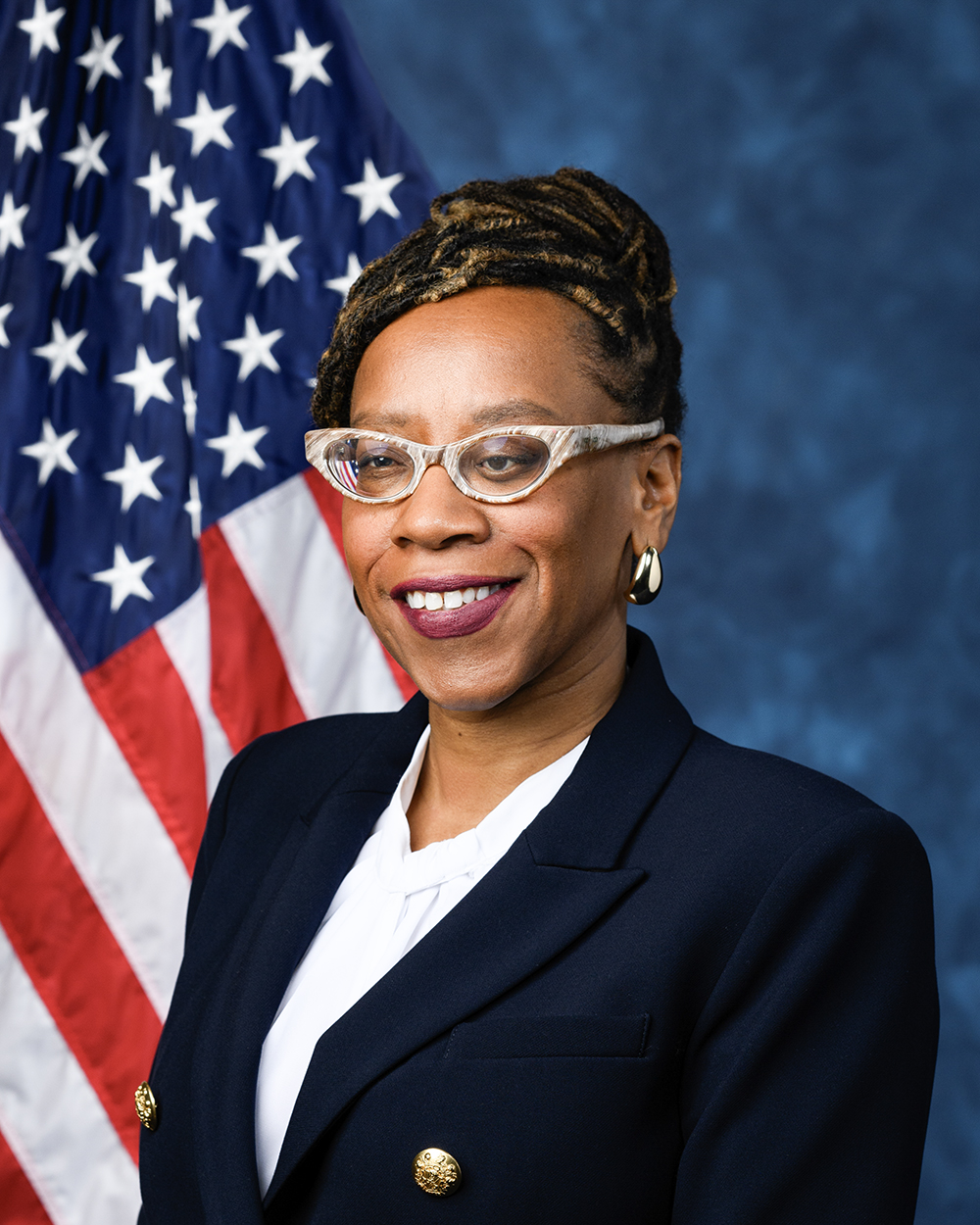
Rep. Lateefah Simon
Sponsored bills
Maddy summaryThis resolution formally designates May 10, 2026, as National Asian American, Native Hawaiian, and Pacific Islander Mental Health Day to raise awareness about mental health within these communities. The text highlights that many individuals in this diverse group face barriers to care, including high costs, language differences, and cultural stigma, which result in low rates of treatment utilization. While the measure itself is symbolic and does not create new laws or funding, it encourages federal, state, and local agencies to develop policies that improve access to culturally and linguistically appropriate mental health services.
Maddy summaryThis bill prohibits the U.S. government from spending money on military actions against Iran between its enactment and December 31, 2026, unless Congress explicitly approves the use of force. It allows for military action only if Congress declares war, passes a specific authorization, or if the action is necessary to defend the United States or its allies from an imminent attack while following reporting requirements. The law directly restricts the President's ability to deploy troops without legislative approval during the specified timeframe.
Maddy summaryThe Vote by Mail Protection Act of 2026 directly affects the federal government by nullifying Executive Order 14399, which previously required citizenship verification in federal elections. This legislation prohibits any federal agency from enforcing the order or using taxpayer funds to carry out its activities. By repealing the executive order, the bill removes the mandate for agencies to verify citizenship as a condition for voting in federal elections.
Maddy summaryThis resolution formally recognizes the week of May 4 through May 8, 2026, as "Teacher Appreciation Week" to honor the work of public school educators. It highlights the importance of teachers in the education system and notes that a majority of them support various policies, including protections for students and funding for public schools. The document also expresses the view that teachers should have a direct role in education policymaking at federal, state, and local levels. By issuing this designation, the House of Representatives aims to acknowledge the value of teachers and encourage government leaders to engage with them on issues affecting the classroom.
Maddy summaryThis bill is a non-binding resolution that expresses the House of Representatives' sentiment to honor public servants for their dedication to the United States. It specifically acknowledges the work of federal, state, and local government employees, as well as uniformed service members, who deliver essential services and support the economy. The resolution calls on the American public to observe Public Service Recognition Week with ceremonies and activities that recognize these contributions. Because it is a symbolic expression of the House's feelings rather than a law with enforceable rules, it does not create new policies or mandate specific actions.
Maddy summaryThe ADAPT Assets Act establishes a competitive grant program to fund up to 10 demonstration projects that help critical transportation infrastructure withstand natural hazards. Eligible recipients include states, local governments, transit agencies, ports, and Tribal entities, with funding capped at an 80 percent federal share. The program specifically targets large-scale projects costing at least $500 million that address barriers like complex governance or the integration of nature-based solutions, allowing funds to cover design, permitting, and construction. To ensure transparency and coordination, the bill requires the Department of Transportation to publish a public dashboard tracking project progress and to submit periodic reports evaluating the effectiveness of these resilience investments.
Maddy summaryThis resolution expresses the House of Representatives' sense that the United States must permanently end the unhoused crisis by 2029 while protecting the civil and human rights of unhoused individuals. It calls for specific actions such as allocating billions of dollars in funding for affordable housing, expanding access to healthcare and food assistance, and removing barriers that prevent people with criminal records from receiving public services. The text also urges the government to decriminalize behaviors like sleeping in public or panhandling, prohibit discrimination based on housing status, and establish legal protections for those providing services to unhoused communities. Additionally, it requests the creation of more accurate methods for counting the unhoused population and mandates annual reports on law enforcement interactions with this population.
Maddy summaryH.R. 1243 is a House resolution that formally recognizes May as Asian American, Native Hawaiian, and Pacific Islander Heritage Month to celebrate the contributions of these communities to U.S. history. The bill highlights the diverse populations, historical milestones, and significant achievements of Asian Americans, Native Hawaiians, and Pacific Islanders in government, the military, and society. It also acknowledges the ongoing challenges faced by these groups, including a rise in hate crimes and historical discrimination. As a commemorative resolution, the measure does not create new laws or funding but serves to express official congressional appreciation and awareness.
Maddy summaryThe CHARTER Act aims to ensure that public funds for charter schools are not used to generate profits for for-profit companies. It directly affects charter schools receiving federal money by prohibiting them from contracting with for-profit entities to run, manage, or oversee their daily operations. While the bill allows schools to hire for-profit vendors for specific services like food, supplies, and transportation, it strictly bans contracts where a for-profit company controls the school or takes a cut of its revenue. These rules will only apply to new or renewed contracts made after the law is passed, with full enforcement beginning three years later.