Issue · Housing

Housing

Every housing bill, vote, and legislator stance in Ohio, automatically classified by Maddy, our AI policy reader.

Total bills
122
136th Legislature (2025-2026)
Top supporter
Ty Moore
100% support rate
Top opponent
Ashley Bryant Bailey
0% support rate
Ranked legislators
10
5 support · 5 oppose
Key legislators

Who's moving housing in Ohio

Legislators moving housing in Ohio
Legislator Party Stance Support rate Votes
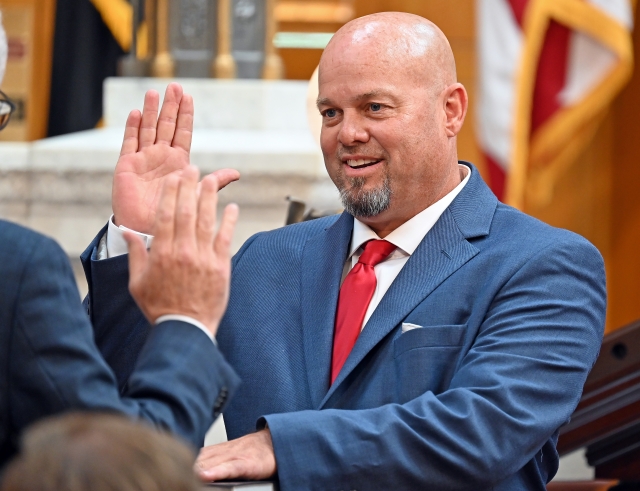
Ty Moore
Ty Moore House · District 95
R
Strong +
100% 36
Scott Oelslager
Scott Oelslager House · District 48
R
Strong +
100% 41
Justin Pizzulli
Justin Pizzulli House · District 90
R
Strong +
100% 39
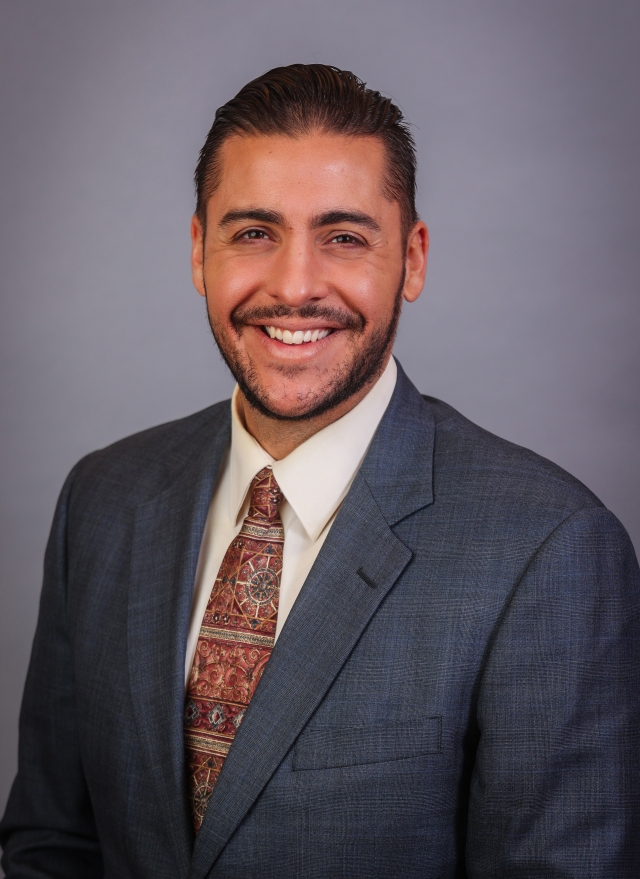
Cindy Abrams
Cindy Abrams House · District 29
R
Strong +
90% 49
Nick Santucci
Nick Santucci House · District 64
R
Strong +
89% 45
Ashley Bryant Bailey
Ashley Bryant Bailey House · District 26
D
Strong −
0% 37
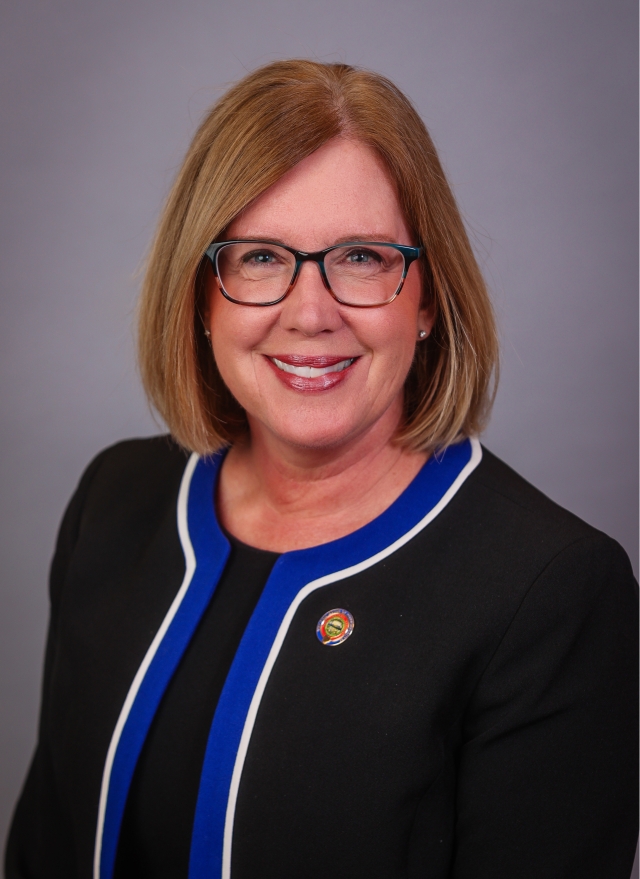
Veronica Sims
Veronica Sims House · District 33
D
Strong −
0% 40
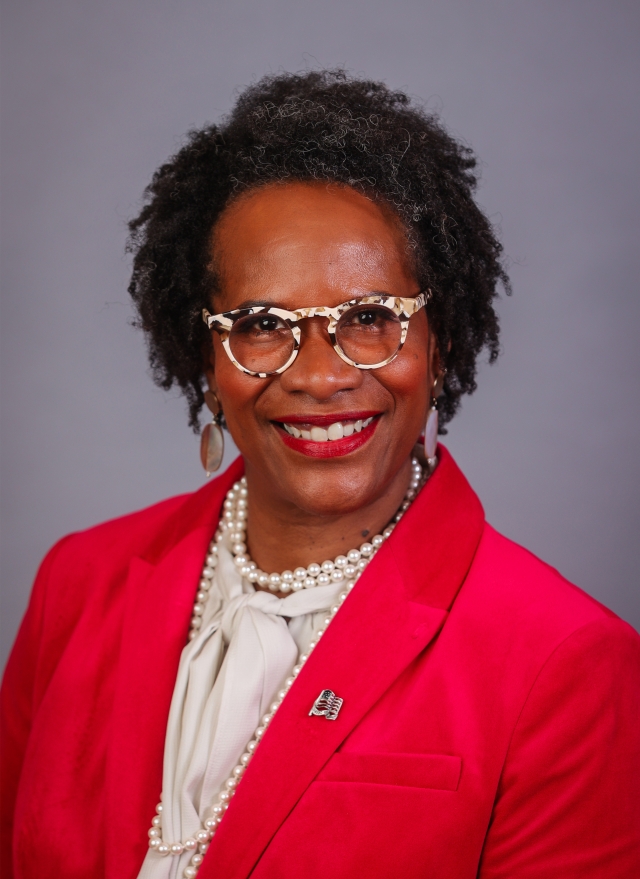
Latyna Humphrey
Latyna Humphrey House · District 2
D
Strong −
12% 45
Munira Abdullahi
Munira Abdullahi House · District 9
D
Strong −
12% 40
Meredith Lawson‐Rowe
Meredith Lawson‐Rowe House · District 5
D
Strong −
12% 42
Showing 41–50 of 122 bills

All housing bills

in committee · Ohio · House Jun 18, 2025

HB 288: Require construction project owners to timely pay contractors

HB 288 requires private construction project owners to pay contractors on time by amending Ohio's Revised Code (section 4113.61). This directly affects private property developers and project owners who hire contractors for construction work. The key provision establishes a legal obligation for owners to make payments according to agreed-upon schedules, preventing delays without requiring new payment terms. The bill creates a clear standard for timely payment in private construction contracts.
in committee · Ohio · House Oct 1, 2025

HB 456: Regards amending a pre-1994 community reinvestment area

HB 456 amends Ohio law to expand the ability of certain municipalities to adjust community reinvestment areas established before 1994. The bill directly affects local governments with pre-1994 designated areas by allowing them to modify boundaries or other features without requiring new legislation for each change. Key provisions update the existing legal process to make amendments more straightforward, reducing administrative barriers. This concrete policy change streamlines how communities can adapt reinvestment areas to current needs while maintaining their designated status.
in committee · Ohio · House Feb 26, 2025

HB 113: Regards annexation and financial disclosure forms, tax exemptions

To amend sections 102.02, 709.022, 709.023, 709.024, 709.16, and 3735.67 and to enact section 3311.222 of the Revised Code to modify the law regarding annexation and financial disclosure forms, and to require school district approval of residential community reinvestment area property tax exemptions.
in committee · Ohio · House Apr 9, 2025

HB 225: Phase out subminimum wage for individuals with disabilities

To amend sections 4111.06, 4111.14, 5122.28, 5123.022, 5123.023, 5123.87, 5747.98, and 5751.98 and to enact sections 3304.45, 4111.061, 5747.87, and 5751.56 of the Revised Code to phase out the subminimum wage for individuals with physical or mental disabilities, to authorize a tax credit for purchases made from nonprofit corporations that hire such individuals, and to name this act the Ohio Employment First and Greater Opportunities for Persons with Disabilities Act.
Sub-Topics Tax Credits Minimum Wage Tags People with Disabilities
passed · Ohio · Senate May 27, 2026

SB 225: Expand the Address Confidentiality Program

SB 225 expands Ohio's Address Confidentiality Program to protect victims of specific crimes by providing a confidential address that replaces their actual address on public records. It directly affects individuals fleeing domestic violence, stalking, human trafficking, rape, sexual battery, or crimes involving deadly weapons, including minors, incompetents, or wards under guardianship. Key changes include adding "human trafficking" and "trafficking in persons" to qualifying crimes, requiring a notarized safety statement, and mandating certified application assistants to help applicants complete forms. The program will assign a confidential address managed by the Secretary of State, which forwards mail and receives legal process while keeping the participant's real address private.
in committee · Ohio · House Apr 9, 2025

HB 216: Enact A HAND UP Act

To establish the 'A HAND UP' pilot program, to designate this act as the Actionable Help And New Dignity for Upward Progression (A HAND UP) Act, and to make an appropriation.
Sub-Topics Appropriations
in committee · Ohio · House Apr 9, 2025

HB 215: Prohibit property tax levies from taking effect in current year

To amend section 323.131 and to enact section 5705.17 of the Revised Code to prohibit most property tax levies submitted at a general election from taking effect in the current tax year.
in committee · Ohio · Senate Oct 1, 2025

SB 246: Prohibit terminating electric, gas service to certain households

To amend sections 4933.12, 4933.121, and 4933.123 and to enact sections 4933.125, 4933.126, 4933.127, 4933.128, 4933.129, 4933.1210, and 4933.1211 of the Revised Code to prohibit terminating electric or gas service to certain households and establish a payment plan for these services.
in committee · Ohio · House Sep 15, 2025

HB 421: Enact Taxpayers Freedom Trilogy–Act II: Arresting Inside Millage

To enact sections 5705.262 and 5705.263 of the Revised Code to allow electors to reduce unvoted property taxes by initiative and to name this act the Taxpayers Freedom Trilogy – Act Two: Arresting Inside Millage.
Sub-Topics Property Tax Property Taxes Tags Local Government
in committee · Ohio · House Feb 26, 2025

HB 100: Authorize grant program for retailers that sell donated goods

HB 100 creates a temporary grant program for nonprofit retailers (501(c)(3) organizations) that sell donated physical goods. To qualify, retailers must provide job training and employment services for people facing employment barriers like disabilities, homelessness, or criminal history. Eligible retailers can receive grants covering up to 25% of state sales tax revenue from donated goods sales, capped at $1 million per retailer annually. Grants must be used exclusively for job training programs serving disadvantaged workers, with annual reporting to the state.
Showing 41 to 50 of 122 bills
Previous 1 4 5 6 13 Next