Issue · Budget & Taxes

Budget & Taxes

Every budget & taxes bill, vote, and legislator stance in Ohio, automatically classified by Maddy, our AI policy reader.

Total bills
3
136th Legislature (2025-2026)
Top supporter
Mark Johnson
94% support rate
Top opponent
Hearcel Craig
0% support rate
Ranked legislators
10
5 support · 5 oppose
Key legislators

Who's moving budget & taxes in Ohio

Legislators moving budget & taxes in Ohio
Legislator Party Stance Support rate Votes
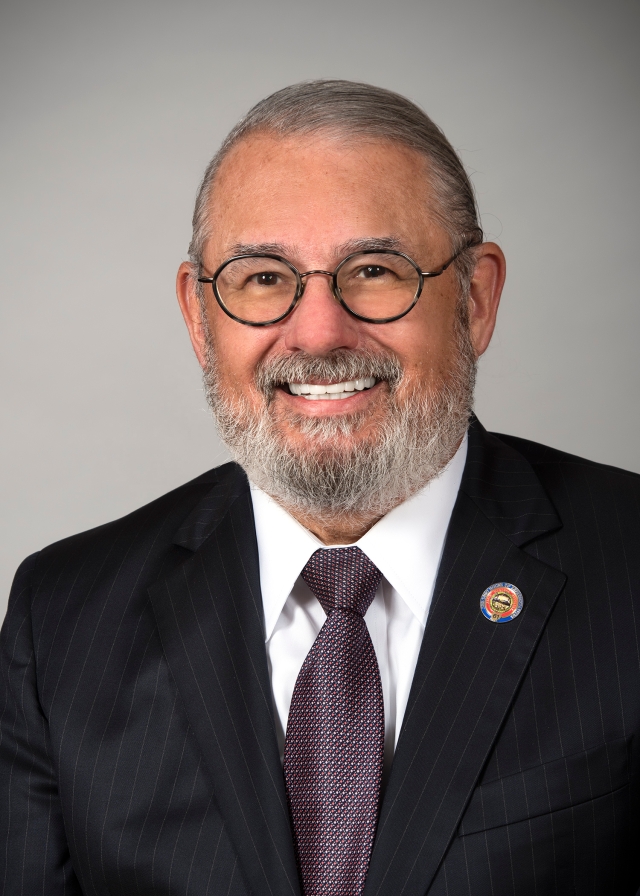
Mark Johnson
Mark Johnson House · District 92
R
Strong +
94% 52
Jamie Callender
Jamie Callender House · District 57
R
Strong +
94% 50
Bernie Willis
Bernie Willis House · District 74
R
Strong +
93% 45
Justin Pizzulli
Justin Pizzulli House · District 90
R
Strong +
92% 42
Steve Wilson
Steve Wilson Senate · District 7
R
Strong +
92% 30
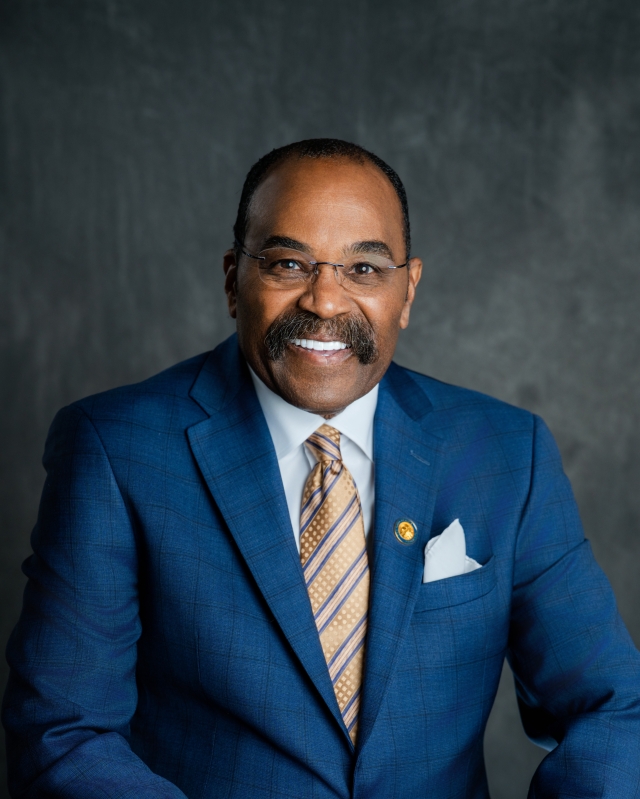
Hearcel Craig
Hearcel Craig Senate · District 15
D
Strong −
0% 29
Bill DeMora
Bill DeMora Senate · District 25
D
Strong −
0% 35
Catherine Ingram
Catherine Ingram Senate · District 9
D
Strong −
7% 35
Kent Smith
Kent Smith Senate · District 21
D
Strong −
12% 42
Nickie Antonio
Nickie Antonio Senate · District 23
D
Strong −
14% 28
Showing 3 of 3 bills

All budget & taxes bills

signed · Ohio · Senate Sep 7, 2026

SB 223: Require ODNR discount program for veterans, service members

To amend section 1546.04 of the Revised Code to require the ODNR Chief of the Division of Parks and Watercraft to establish a discount program for veterans and service members for park services and rentals.
signed · Ohio · Senate Jun 16, 2026

SB 63: Prohibit use of ranked choice voting; withhold funding for use

To amend sections 3501.01 and 5747.502 and to enact sections 3505.011, 3513.141, 5747.504, and 5747.505 of the Revised Code to generally prohibit the use of ranked choice voting and to withhold Local Government Fund distributions from a municipality or chartered county that uses ranked choice voting.
passed · Ohio · Senate Mar 26, 2025

SB 2: Increase power generation; improve Ohio’s electric grid

SB 2 creates a tax exemption program for developers building on former coal mines or brownfield sites in Ohio, offering five years of property tax relief to encourage investment in these economically distressed areas. It also clarifies that small renewable energy projects (under 50 megawatts, like solar farms, wind farms, and biogas digesters) can be regulated by local zoning boards without changing their tax classification as public utilities. The bill directly affects local governments, developers, and small renewable energy operators by streamlining approvals for these projects while preserving existing tax treatment. These changes aim to support grid reliability and affordability by facilitating new power generation in targeted communities.