SB 2 Ohio Senate · 136th Legislature (2025-2026)

Increase power generation; improve Ohio’s electric grid

SB 2 creates a tax exemption program for developers building on former coal mines or brownfield sites in Ohio, offering five years of property tax relief to encourage investment in these economically distressed areas. It also clarifies that small renewable energy projects (under 50 megawatts, like solar farms, wind farms, and biogas digesters) can be regulated by local zoning boards without changing their tax classification as public utilities. The bill directly affects local governments, developers, and small renewable energy operators by streamlining approvals for these projects while preserving existing tax treatment. These changes aim to support grid reliability and affordability by facilitating new power generation in targeted communities.
Bill status passed 3 of 5 stages cleared
Introduction
Jan 2025
Committee Review
Mar 2025
Senate Passage
Mar 2025
House Passage
Governor
Introduced Jan 22, 2025 Last action Mar 26, 2025
Maddy AI version diff · 1 comparison

What changed between versions

As Introduced As Passed by the Senate · 8 edits · Mar 19, 2025
MODERATE
This bill was amended to expand its scope by adding additional cosponsors and clarifying the legislative intent to include utility tangible personal property taxation changes and repeals of parts of H.B. 6. The substantive policy changes focus on creating new tax exemptions for brownfields and former coal mines, defining small renewable energy facilities to streamline permitting, and establishing a loan fund for school energy efficiency projects. The amendments also introduce accelerated review timelines for utility facility construction in priority investment areas and modify valuation procedures for public utilities.
Scope change
The bill's scope was expanded to include utility tangible personal property taxation changes and repeals of specific sections from H.B. 6 of the 133rd General Assembly. The applicability of tax exemptions was extended to brownfields and former coal mines, and the definition of 'electric light company' was clarified to exclude self-generators and mercantile customer self-power systems.
DEFINITION

Added new definitions for 'Subdivision', 'Legislative authority', 'Subdivision's territory', 'Brownfield', 'Former coal mine', and 'Qualifying property' to support tax exemption provisions.

Defined 'small wind farm', 'small solar facility', 'anaerobic digester', and 'other small electric generating facility' to clarify which facilities are exempt from power siting board jurisdiction and subject to local zoning authority.

ELIGIBILITY

Created a new tax exemption program allowing legislative authorities to designate brownfields and former coal mines as priority investment areas, providing five years of property tax exemption for qualifying property in those areas.

TIMELINE

Reduced the power siting board's decision timeline for construction certificates in priority investment areas from 90 days to 45 days, and established automatic approval if no decision is made within the timeframe.

FISCAL

Established the 'school energy performance contracting loan fund' to provide low-interest loans to school districts for energy conservation measures, with repayment terms of up to 10 years at 2% annual interest.

REQUIREMENT

Modified public utility valuation procedures to include projected valuations for natural gas, water-works, and sewage disposal system companies, and added requirements for three independent appraisals when large water-works or sewage disposal companies acquire municipal systems.

Added new provisions requiring electric distribution utilities to audit behind-the-meter electric generation service compliance and prohibiting utilities from recovering certain costs from retail customers not receiving behind-the-meter service.

TECHNICAL

Corrected formatting and line breaks in several sections, particularly in the definitions of major utility facilities and the power siting board's application review procedures.

Floor votes · Senate Mar 19, 2025

How they voted

320
Passed
Total votes 32
Mar 19, 2025
D Democratic9
9 Yea
100% Yea
R Republican23
23 Yea
100% Yea
Vote distribution
All Yea All Nay Mixed No data
Full legislative history

Actions timeline

Total actions
6
Key actions
1
Committee
2
Mar 26, 2025
Committee
Referred to committee
lower
Mar 24, 2025
Introduced
Introduced
lower
Mar 19, 2025
Upper · Passed
Passed - Amended
upper
Jan 29, 2025
Committee
Referred to committee
upper
Jan 22, 2025
Introduced
Introduced
upper
1 primary · 0 co-sponsors

Sponsors

Role
Legislator
Party
State
District
P
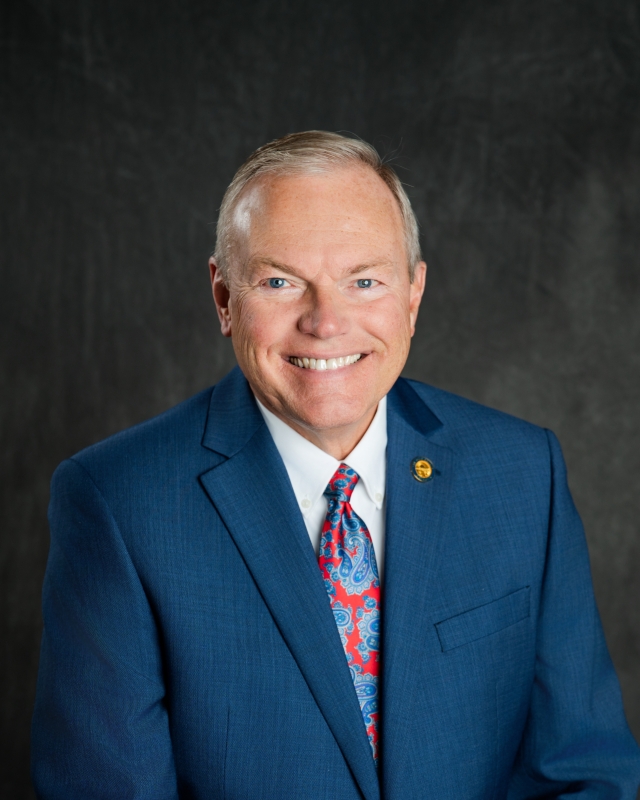
Photo of Bill Reineke
Bill Reineke
RRepublican
OH
26