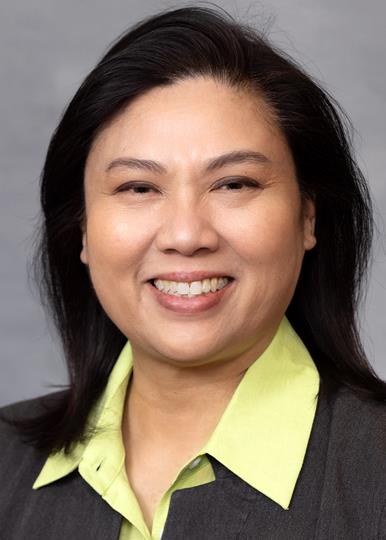
Photo of Maria Cervania
D North Carolina House · District 41 On the 2026 ballot

Rep. Maria Cervania

Compare
Total votes
542
all sessions
Attendance
100%
of floor votes
Higher than 91% of chamber peers
With party
92%
of cast votes
Lower than 87% of chamber peers
Bipartisan score
4%
crosses aisle rarely
Higher than 84% of chamber peers
Sponsored
781
bills & resolutions
Higher than 97% of chamber peers
Committees
8
assignments
781 bills and resolutions

Sponsored bills

Total
781
Primary
50
Co-sponsor
731
This page
781
matching current filters
Co-sponsor HB 1166
In committee · North Carolina House · Co-sponsor
Reorganize and Fund Rare Disease Advisory Council.

Maddy summaryHB 1166 reorganizes the North Carolina Advisory Council on Rare Diseases by moving it from the University of North Carolina at Chapel Hill to the Department of Health and Human Services. The bill establishes a 19-member council with diverse representation, including physicians, researchers, patients, caregivers, and industry representatives, who will advise state officials on research, diagnosis, treatment, and education for rare diseases. It also provides funding for the council's operating expenses and sets rules for membership terms, meetings, and the selection of a chair.

In committee May 12, 2026 1 co-sponsor
Co-sponsor HB 433
Signed into law · North Carolina House · Co-sponsor
State Fiscal Recovery Fund/NC Pandemic Recovery Office Revisions.

Maddy summaryHouse Bill 433 allows licensed registered nurses (RNs) to serve as school nurses in North Carolina public schools. The bill prohibits the State Board of Education from requiring a four-year degree for school nurse employment. It specifies that RNs with at least two years of experience in a hospital or health clinic can work as school nurses without needing additional certifications or licenses. These qualified registered nurses will be paid under the certified school nurse pay scale.

Signed into law May 12, 2026 1 co-sponsor
Co-sponsor HB 1229
In committee · North Carolina House · Co-sponsor
Strip Corporations of Political Spending.

Maddy summaryThis bill proposes amending the North Carolina Constitution to ban corporations from spending money to influence election outcomes. It directly affects business entities by stating that only human beings can exercise political spending power within the state. The measure includes specific exceptions for political committees and news organizations owned by parties or candidates, while threatening to revoke corporate legal protections like limited liability for any violations. Because the bill requires voter approval, it will be placed on the November 2026 ballot for a public referendum rather than becoming law immediately.

In committee May 11, 2026 1 co-sponsor
Co-sponsor HB 1192
died · North Carolina House · Co-sponsor
Energy and Housing Affordability Act.

Maddy summaryHB 1192, known as the Energy and Housing Affordability Act, modifies how electric utilities in North Carolina handle changes in fuel costs and establishes rules for on-site power generation by large customers. The bill requires utilities to provide detailed data on fuel usage and emissions treatment to the Public Service Commission, which will then use a new sharing mechanism to adjust customer rates. Under this mechanism, if fuel costs rise or fall from a baseline, customers and utility shareholders will split the financial impact, with customers covering eighty percent and shareholders absorbing the remaining twenty percent of any variance. Additionally, the act appropriates funds to support a workforce housing loan program aimed at improving housing affordability.

died May 7, 2026 1 co-sponsor
Co-sponsor HB 1195
In committee · North Carolina House · Co-sponsor
MOMnibus 3.5.

Maddy summaryThis bill establishes a grant program within the North Carolina Department of Health and Human Services to fund community organizations focused on improving maternal health outcomes for Black women. The program provides financial awards ranging from $10,000 to $50,000 to support initiatives that address social determinants of health, such as housing, transportation, nutrition, and access to childcare. Eligible applicants must be community-based groups led by Black women that offer evidence-based services including doula support, mental health care, and culturally respectful training for health workers. The legislation also requires the department to provide technical assistance to grant recipients and submit annual reports on fund usage and program effectiveness.

In committee May 5, 2026 1 co-sponsor
Co-sponsor HB 1196
In committee · North Carolina House · Co-sponsor
Require Free Water in Bars.

Maddy summaryThis bill requires bars and restaurants in North Carolina to provide free drinking water to any customer who asks for it. The rule applies only during hours when alcohol is legally sold and mandates that the water be safe and served in containers holding at least six fluid ounces. To inform the public, the state will distribute posters to these businesses that must be displayed prominently where customers can see them.

In committee May 5, 2026 1 co-sponsor
Co-sponsor HB 1191
In committee · North Carolina House · Co-sponsor
Fostering Care in NC Act 2026.

Maddy summaryHB 1191, titled the Fostering Care in NC Act 2026, introduces several changes to how North Carolina handles cases involving juveniles and child welfare. The bill increases privacy protections by sealing court records in abuse and neglect cases and clarifying who can access them. It also updates procedures for expunging names from the responsible individuals list and requires courts to schedule permanency planning hearings within 30 days. Additionally, the act mandates that siblings be placed together whenever possible and ensures counties communicate before transferring cases to improve coordination on care and financial support.

In committee May 5, 2026 1 co-sponsor
Co-sponsor HB 1197
In committee · North Carolina House · Co-sponsor
Revise NC Teaching Fellows Program.

Maddy summaryHB 1197 updates the North Carolina Teaching Fellows Program by increasing forgivable loan amounts for future students and establishing stricter criteria for selecting partner teacher training institutions. Under the new rules, eligible students can receive up to $10,000 per academic year, while the program will only partner with schools that meet specific performance standards, such as high licensure pass rates and alignment with the Science of Reading. Additionally, the bill mandates a study by the Friday Institute to investigate why some participants choose to repay their loans in cash rather than fulfilling their service obligations. These changes are set to take effect for the 2026-2027 academic year, with previous program revisions applied retroactively to current participants.

In committee May 5, 2026 1 co-sponsor
Co-sponsor HB 1184
In committee · North Carolina House · Co-sponsor
Voucher School Transparency Act.

Maddy summaryHB 1184, known as the Voucher School Transparency Act, requires nonpublic schools in North Carolina that receive Opportunity Scholarship funds to submit detailed annual reports to the State Board of Education. These schools must provide financial documentation, standardized test scores for students in grades three and higher, and specific data on graduation rates, teacher licensure, and student demographics. The bill also mandates that schools with at least 70 scholarship recipients or $100,000 in funding undergo annual financial audits, while smaller schools are audited every three years. Additionally, the legislation requires these institutions to conduct criminal background checks for staff, maintain physical facilities within the state, and share safety plans with local law enforcement.

In committee May 5, 2026 1 co-sponsor
Primary HB 1188
In committee · North Carolina House · Lead sponsor
Limits on Immigration Detention Facilities.

Maddy summaryThis North Carolina bill prohibits cities, counties, and local or state law enforcement agencies from entering contracts to detain noncitizens in locked immigration facilities for civil immigration cases. It also bans these agencies from maintaining facilities specifically designed to house individuals awaiting removal proceedings under federal authority. To support oversight, the Department of Public Safety must collect and report annual data on detainees, including demographics, legal status, and release or deportation details. The law includes funding for administrative costs and is set to take effect on December 1, 2026.

In committee May 5, 2026 0 co-sponsors
Showing 21 to 30 of 781 bills
Previous 1 2 3 4 79 Next