Issue · Technology

Technology

Every technology bill, vote, and legislator stance in North Carolina, automatically classified by Maddy, our AI policy reader.

Total bills
230
119th Congress
Top supporter
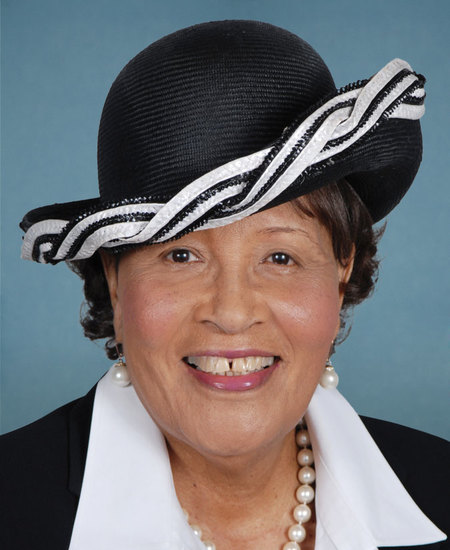
Alma S. Adams
77% support rate
Top opponent
Pat Harrigan
23% support rate
Ranked legislators
9
4 support · 5 oppose
Key legislators

Who's moving technology in North Carolina

Legislators moving technology in North Carolina
Legislator Party Stance Support rate Votes
Alma S. Adams
Alma S. Adams House · District 12
D
Support
77% 262
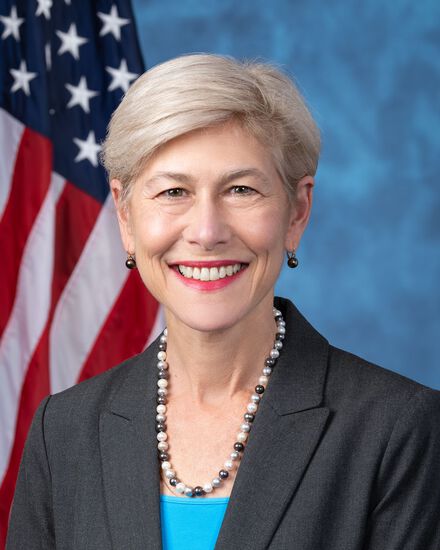
Deborah K. Ross
Deborah K. Ross House · District 2
D
Support
77% 262
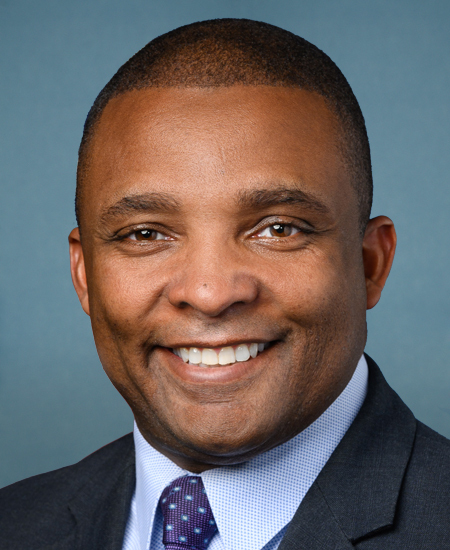
Donald G. Davis
Donald G. Davis House · District 1
D
Support
76% 255
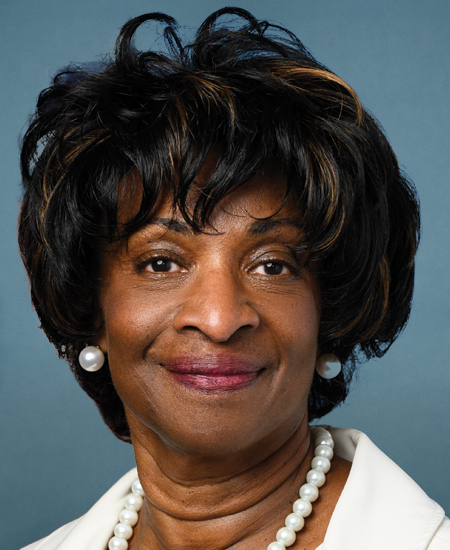
Valerie P. Foushee
Valerie P. Foushee House · District 4
D
Support
73% 255
Pat Harrigan
Pat Harrigan House · District 10
R
Oppose
23% 259
Mark Harris
Mark Harris House · District 8
R
Oppose
27% 263
Brad Knott
Brad Knott House · District 13
R
Oppose
29% 261
Ted Budd
Ted Budd Senate
R
Oppose
31% 218
Gregory F. Murphy
Gregory F. Murphy House · District 3
R
Oppose
32% 223
Showing 1–10 of 230 bills

All technology bills

in committee · United States · House Jul 9, 2026

HR 9619: People-First Chatbot Act

The People-First Chatbot Act imposes strict privacy and safety regulations on companies that create or distribute AI chatbots, requiring them to obtain explicit user consent before using personal data for training or advertising purposes. The bill mandates that providers clearly disclose when users are interacting with an AI rather than a human, prohibit the sale of chat logs, and limit data retention to five years unless required by law. Additionally, companies must conduct monthly risk assessments for potential harms such as emotional dependence or compulsive usage, with specific safeguards required to protect minors from features that could cause significant injury. Enforcement is handled by the Federal Trade Commission, while state attorneys general and private individuals are granted the right to file lawsuits against providers who violate these provisions.
in committee · United States · House Aug 20, 2026

HR 10130: Army Quantum Readiness Act

The Army Quantum Readiness Act requires the Secretary of the Army to establish a new initiative focused on integrating quantum computing and advanced technologies into military operations, intelligence, and logistics. This initiative aims to identify practical applications for these technologies, assess necessary infrastructure upgrades such as power and cybersecurity, and develop strategies for training the required workforce. The bill also authorizes the creation of pilot projects and demonstration activities to test quantum-enabled tools, including artificial intelligence and secure networking. Finally, it mandates that the Secretary submit a detailed report to Congress within 270 days outlining readiness requirements, recommended investments, and necessary legislative changes to accelerate this transition.
in committee · United States · House Jul 22, 2026

HR 9858: STRATA Act of 2026

The STRATA Act of 2026 establishes a new program within the Department of State to foster international partnerships focused on advancing critical minerals technologies, aiming to strengthen U.S. supply chains and national security. This initiative allows the Secretary of State to form alliances with allied and partner nations, universities, and private companies while explicitly prohibiting collaborations with designated countries of concern such as China and Russia. Key provisions include the creation of International Centers of Excellence for research and training, the development of a digital platform to connect stakeholders with funding opportunities, and the establishment of clear guidelines for intellectual property and data security within these partnerships. The program authorizes the use of specific funding sources to support joint projects in extraction, recycling, and manufacturing, with a requirement that all activities conclude within ten years of the bill's enactment.
in committee · United States · House Jul 21, 2026

HR 9799: Online Sellers’ Bill of Rights Act of 2026

The Online Sellers' Bill of Rights Act of 2026 aims to protect third-party businesses using major online marketplaces by requiring these platforms to provide greater transparency and due process. Under the bill, the Federal Trade Commission must create rules that limit how long platforms can hold inventory or freeze funds, mandate written notice within 72 hours for any restrictions, and ensure sellers receive at least 30 days' warning before significant policy changes. The law also establishes a presumption of innocence, placing the burden of proof on the platform to demonstrate a violation rather than on the seller, and allows for specific appeals processes. Enforcement is handled through the FTC, which can pursue violations as unfair competition, while state attorneys general and individual sellers retain the right to file civil lawsuits for damages.
in committee · United States · Senate Aug 4, 2026

S 5225: K–12 AI Literacy and Readiness Act of 2026

The K-12 AI Literacy and Readiness Act of 2026 allows federal education funds to be used for teaching artificial intelligence to students and training educators on how to use it responsibly. By amending the Elementary and Secondary Education Act, the bill permits schools to spend money on AI curricula that focus on safe and effective usage, as well as professional development for teachers and staff. This change directly affects state and local school districts by expanding the list of allowable expenses to include specific instruction on AI tools and the skills needed to teach them. The legislation defines artificial intelligence using the same standard established in the National Artificial Intelligence Initiative Act of 2020 to ensure consistency across programs.
in committee · United States · House Jul 27, 2026

HR 9971: Advancing International and Foreign Language Education Act

The Advancing International and Foreign Language Education Act amends the Higher Education Act to support research, innovation, and professional training in global education. It allows universities, libraries, and nonprofits to receive competitive grants for studying the capacity and demand for foreign language programs, as well as for developing new teaching methods and digital resources. The bill also expands funding for global business and professional education to help students gain international skills in fields like science, engineering, and law, while creating a national database to track education trends. Additionally, the legislation updates definitions to include community colleges and heritage students, and repeals certain existing programs to streamline requirements.
Sub-Topics Higher Education
in committee · United States · House Jul 22, 2026

HR 9862: Responsible Artificial Intelligence for Veterans Act of 2026

The Responsible Artificial Intelligence for Veterans Act of 2026 requires the Department of Veterans Affairs to hire an independent research center to evaluate artificial intelligence tools currently used or being developed for patient care within the Veterans Health Administration. This evaluation will focus on five specific high-risk systems to assess their safety, accuracy, fairness, and how well they integrate with existing medical workflows. The law mandates that the findings be reported to Congress within a year, followed by a detailed plan from the VA to address any identified risks or gaps in oversight. Additionally, a government auditor will review both the evaluation and the VA's response plan to ensure accountability, all without requesting new funding for the initiative.
in committee · United States · House Jul 22, 2026

HR 9880: GPS Modernization Acceleration Act

The GPS Modernization Acceleration Act directs the President to speed up the transition to a more secure and resilient Global Positioning System by updating aging satellites and ground control systems. This legislation requires the creation of a clear timeline to deploy 24 new GPS IIIF satellites and prioritizes the L5 signal to improve accuracy and reduce vulnerability to interference, jamming, or spoofing. It mandates coordination between the Department of Defense, the Department of Transportation, and other federal agencies to upgrade military equipment and protect critical civilian infrastructure. Additionally, the bill requires the Secretary of Defense to submit annual reports to Congress detailing progress, funding needs, and strategies for countering GPS threats over a three-year period.
in committee · United States · Senate Jul 22, 2026

S 5063: FIRST Act

The FIRST Act establishes a new program within the Department of State to promote the international deployment of American small modular reactor technology. Managed by the Under Secretary for Arms Control and International Security, the program will advocate for U.S. nuclear exports, ensure high safety and security standards, and provide support for project development and workforce training abroad. The legislation requires the program to submit detailed reports and briefings to Congress every 120 days regarding its activities and funding, and it is set to expire in 2034.
Sub-Topics Nuclear
in committee · United States · House Jul 23, 2026

HR 9909: Small Unmanned Aircraft Systems Operational Test, Evaluation, and Training Corridor Act

This bill directs the Department of Defense to create designated airspace corridors specifically for testing and training small drones and the systems used to detect or neutralize them. These zones would allow military personnel to safely practice operating various drone technologies, such as sensors and autonomous software, alongside counter-drone measures like electronic warfare and directed energy weapons. The Secretary of Defense must identify suitable locations, potentially building new facilities or using existing ones, while consulting with other government agencies to ensure safety and address regulatory hurdles. Additionally, the bill requires the Pentagon to report to Congress within 90 days of establishing a corridor, providing details on its location, necessary resources, and any agreements with other federal partners.
Sub-Topics Emerging Technology
Showing 1 to 10 of 230 bills
1 2 3 23 Next