Issue · Technology

Technology

Every technology bill, vote, and legislator stance in North Carolina, automatically classified by Maddy, our AI policy reader.

Total bills
273
119th Congress
Top supporter
Alma S. Adams
77% support rate
Top opponent
Pat Harrigan
23% support rate
Ranked legislators
9
4 support · 5 oppose
Key legislators

Who's moving technology in North Carolina

Legislators moving technology in North Carolina
Legislator Party Stance Support rate Votes
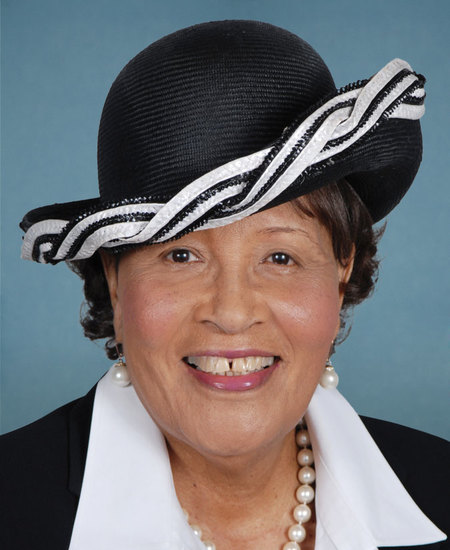
Alma S. Adams
Alma S. Adams House · District 12
D
Support
77% 262
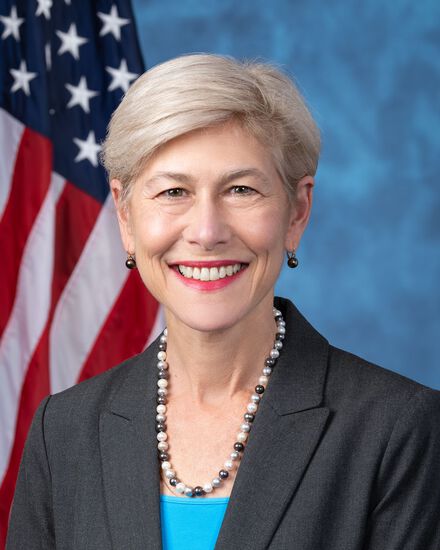
Deborah K. Ross
Deborah K. Ross House · District 2
D
Support
77% 262
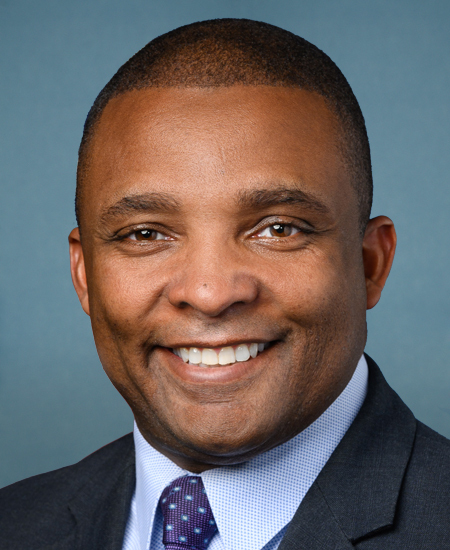
Donald G. Davis
Donald G. Davis House · District 1
D
Support
76% 255
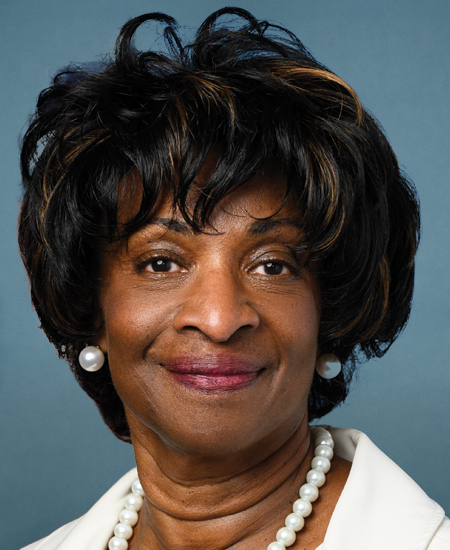
Valerie P. Foushee
Valerie P. Foushee House · District 4
D
Support
73% 255
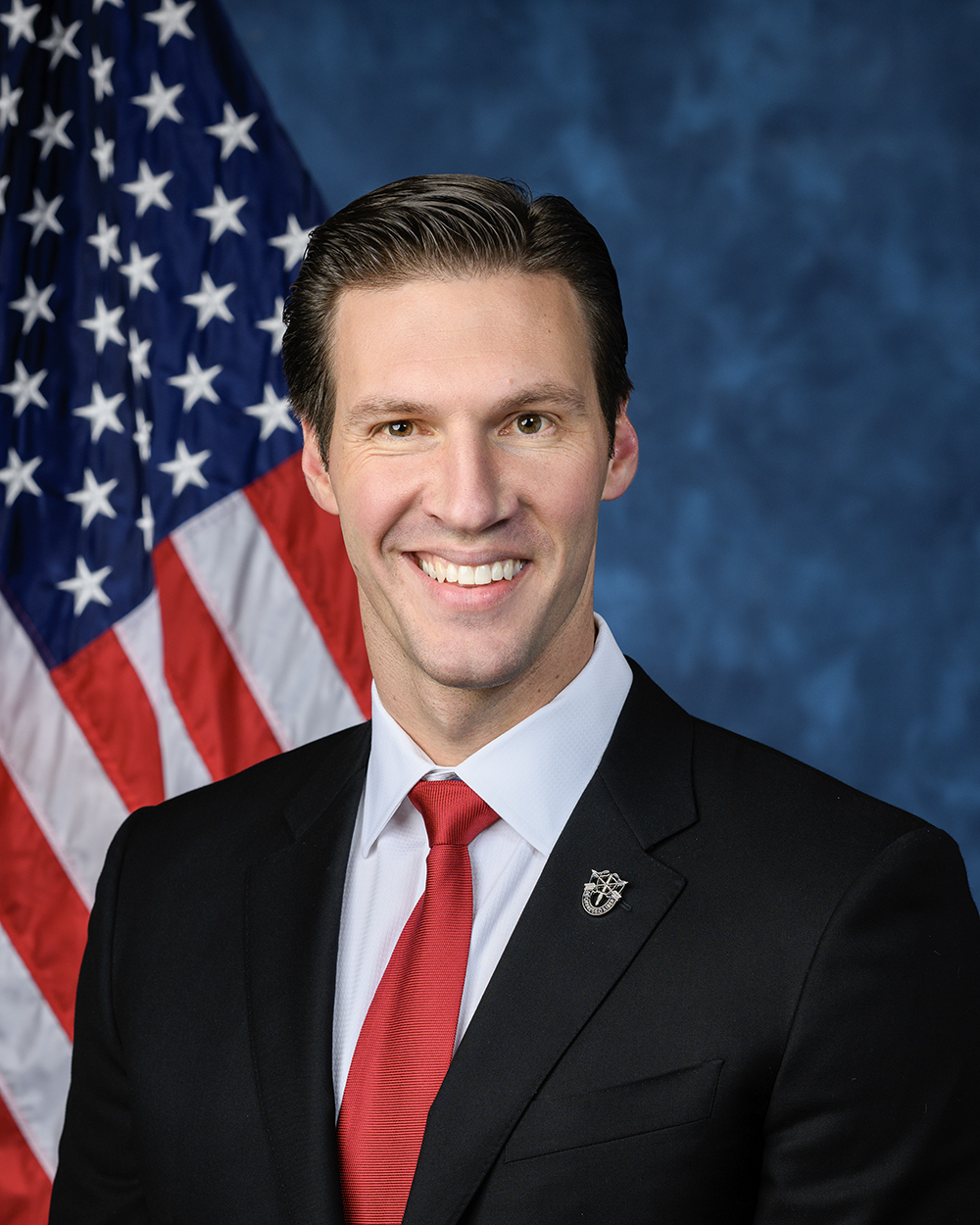
Pat Harrigan
Pat Harrigan House · District 10
R
Oppose
23% 259
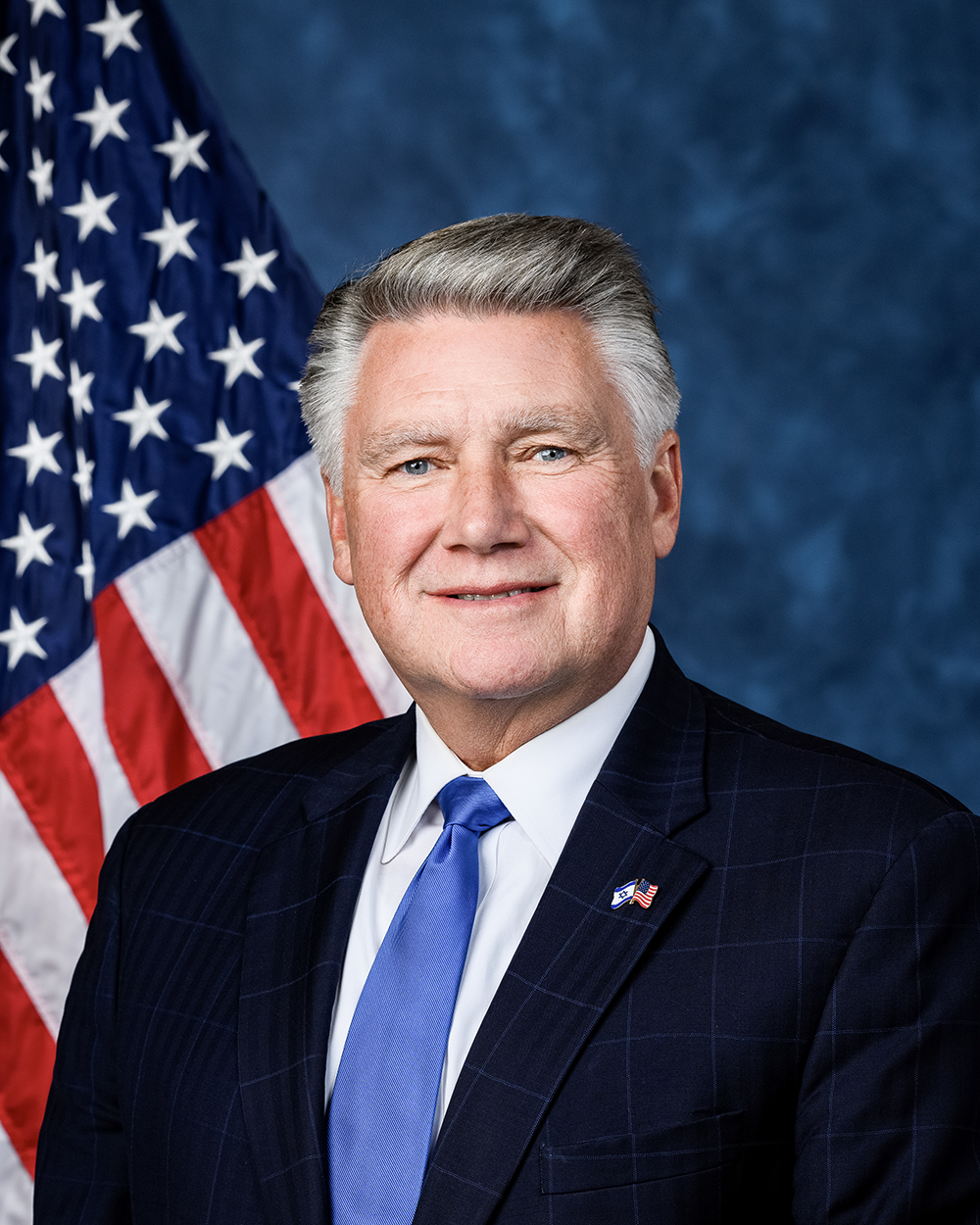
Mark Harris
Mark Harris House · District 8
R
Oppose
27% 263
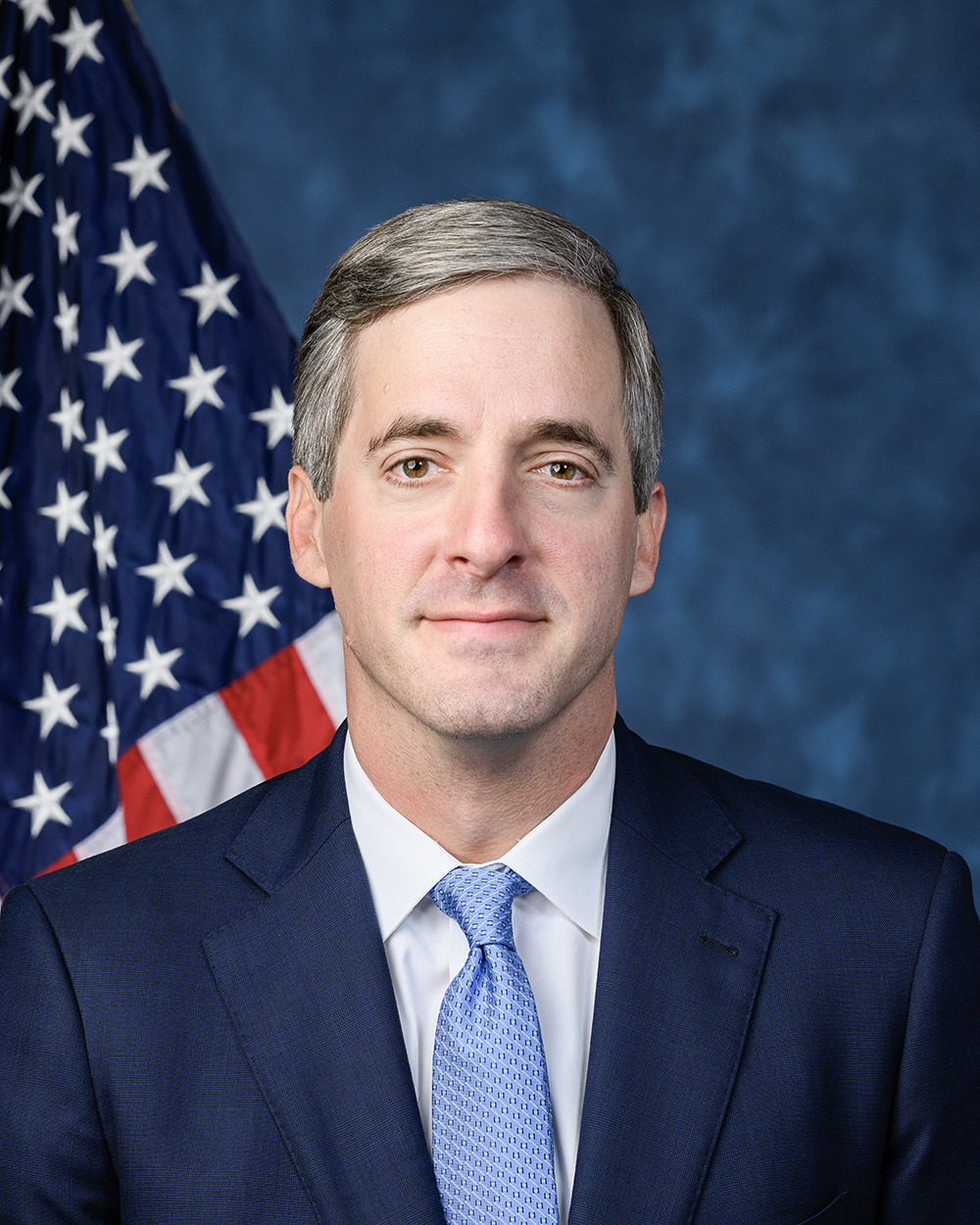
Brad Knott
Brad Knott House · District 13
R
Oppose
29% 261
Ted Budd
Ted Budd Senate
R
Oppose
31% 218
Gregory F. Murphy
Gregory F. Murphy House · District 3
R
Oppose
32% 223
Showing 1–10 of 273 bills

All technology bills

in committee · United States · House Jul 9, 2026

HR 9619: People-First Chatbot Act

The People-First Chatbot Act imposes strict privacy and safety regulations on companies that create or distribute AI chatbots, requiring them to obtain explicit user consent before using personal data for training or advertising purposes. The bill mandates that providers clearly disclose when users are interacting with an AI rather than a human, prohibit the sale of chat logs, and limit data retention to five years unless required by law. Additionally, companies must conduct monthly risk assessments for potential harms such as emotional dependence or compulsive usage, with specific safeguards required to protect minors from features that could cause significant injury. Enforcement is handled by the Federal Trade Commission, while state attorneys general and private individuals are granted the right to file lawsuits against providers who violate these provisions.
in committee · United States · House Sep 8, 2026

HR 10310: Robo COP Act

The Robo COP Act directs the Federal Trade Commission to update its telemarketing rules within 180 days to ban automated political phone calls to individuals who have registered on the national do-not-call list. This legislation specifically targets outbound calls that play a recorded message rather than connecting to a live person, provided the call is intended to promote or oppose a candidate or issue, or if it mentions a political candidate's name. The law directly affects political campaigns and organizations that use robocalls for fundraising or advocacy by restricting their ability to contact opted-out voters.
in committee · United States · House Aug 20, 2026

HR 10130: Army Quantum Readiness Act

The Army Quantum Readiness Act requires the Secretary of the Army to establish a new initiative focused on integrating quantum computing and advanced technologies into military operations, intelligence, and logistics. This initiative aims to identify practical applications for these technologies, assess necessary infrastructure upgrades such as power and cybersecurity, and develop strategies for training the required workforce. The bill also authorizes the creation of pilot projects and demonstration activities to test quantum-enabled tools, including artificial intelligence and secure networking. Finally, it mandates that the Secretary submit a detailed report to Congress within 270 days outlining readiness requirements, recommended investments, and necessary legislative changes to accelerate this transition.
in committee · United States · House Aug 13, 2026

HR 10092: GATE Act of 2026

The GATE Act of 2026 prohibits U.S. national laboratories from admitting or granting access to foreign nationals from China, Russia, Iran, North Korea, and Cuba who are not permanent residents or U.S. citizens. This ban applies to individuals seeking to visit the facilities or work there for more than 30 consecutive days. The Secretary of Energy may issue a written waiver to allow specific exceptions if they determine that the benefits to the United States outweigh national security and economic risks, a decision made in consultation with intelligence officials. Any such waivers must be reported to relevant congressional committees within 30 days, including details on the individual's country of origin and the specific reasons for the exception.
in committee · United States · House Sep 2, 2026

HR 10221: Flock-Off Act

The Flock-Off Act prohibits federal agencies, state and local governments, and other recipients of federal funds from using federal money to purchase, operate, or maintain automated camera systems that capture biometric data or license plate information. The bill requires these entities to remove any existing covered camera systems within 180 days of enactment, with violations resulting in the withholding of further federal funding until reimbursed. Specific exceptions allow for the continued use of such systems within one mile of the U.S. borders for security purposes and on toll roads strictly for toll collection and enforcement.
in committee · United States · House Aug 27, 2026

HR 10166: Foreign Propaganda Disclosure Act

The Foreign Propaganda Disclosure Act amends the Foreign Agents Registration Act to explicitly include social media influencers in its regulatory scope. The bill defines a social media influencer as any individual who maintains a monetized account on a social media platform, using an existing definition from the Trafficking Victims Prevention and Protection Reauthorization Act of 2022. By making this addition, the legislation requires these specific digital content creators to comply with the same registration and disclosure obligations currently applied to other foreign agents.
Sub-Topics Social Media
in committee · United States · House Jul 22, 2026

HR 9858: STRATA Act of 2026

The STRATA Act of 2026 establishes a new program within the Department of State to foster international partnerships focused on advancing critical minerals technologies, aiming to strengthen U.S. supply chains and national security. This initiative allows the Secretary of State to form alliances with allied and partner nations, universities, and private companies while explicitly prohibiting collaborations with designated countries of concern such as China and Russia. Key provisions include the creation of International Centers of Excellence for research and training, the development of a digital platform to connect stakeholders with funding opportunities, and the establishment of clear guidelines for intellectual property and data security within these partnerships. The program authorizes the use of specific funding sources to support joint projects in extraction, recycling, and manufacturing, with a requirement that all activities conclude within ten years of the bill's enactment.
in committee · United States · House Aug 6, 2026

HR 10044: AI Tax and Work Protection Act

The AI Tax and Work Protection Act imposes a new excise tax on companies that develop or sell artificial intelligence foundation models, with rates that increase based on the national unemployment level. The revenue generated from this tax is placed into a dedicated trust fund to finance a new federal jobs program administered by a newly created Office of Job Creation within the Department of Labor. This program awards grants to state, local, and tribal governments to hire permanent, full-time workers for specific public service roles, such as in education, healthcare, infrastructure, and community safety. To ensure the jobs created do not replace existing workers, the bill includes strict nondisplacement rules and mandates that grant recipients provide employees with strong labor protections, including collective bargaining rights, competitive wages, and paid leave. Additionally, the legislation directs the Bureau of Labor Statistics to study the impact of AI on the workforce and establishes an advisory committee to guide the implementation of the job creation initiatives.
in committee · United States · House Aug 3, 2026

HR 10017: Permanent CBDC Ban Act

This bill, titled the Permanent CBDC Ban Act, aims to permanently prohibit the Federal Reserve from issuing a central bank digital currency. It achieves this by amending the Federal Reserve Act to remove the specific legal authority that allows the Reserve to create such a digital currency. The legislation directly affects the Federal Reserve by stripping away its power to launch a digital version of the dollar. By deleting the relevant subsection of the law, the bill ensures that the Reserve cannot issue a CBDC in the future.
in committee · United States · House Jul 21, 2026

HR 9799: Online Sellers’ Bill of Rights Act of 2026

The Online Sellers' Bill of Rights Act of 2026 aims to protect third-party businesses using major online marketplaces by requiring these platforms to provide greater transparency and due process. Under the bill, the Federal Trade Commission must create rules that limit how long platforms can hold inventory or freeze funds, mandate written notice within 72 hours for any restrictions, and ensure sellers receive at least 30 days' warning before significant policy changes. The law also establishes a presumption of innocence, placing the burden of proof on the platform to demonstrate a violation rather than on the seller, and allows for specific appeals processes. Enforcement is handled through the FTC, which can pursue violations as unfair competition, while state attorneys general and individual sellers retain the right to file civil lawsuits for damages.
Showing 1 to 10 of 273 bills
1 2 3 28 Next