Issue · Housing

Housing

Every housing bill, vote, and legislator stance in North Carolina, automatically classified by Maddy, our AI policy reader.

Total bills
146
2025-2026 Session
Top supporter
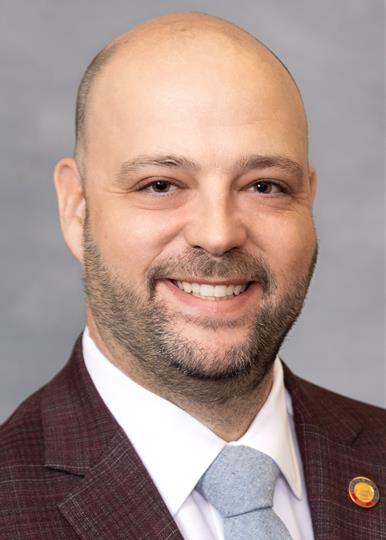
Nasif Majeed
100% support rate
Top opponent
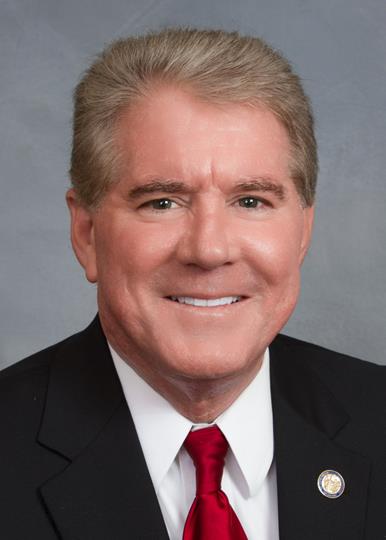
Lindsey Prather
17% support rate
Ranked legislators
10
5 support · 5 oppose
Key legislators

Who's moving housing in North Carolina

Legislators moving housing in North Carolina
Legislator Party Stance Support rate Votes
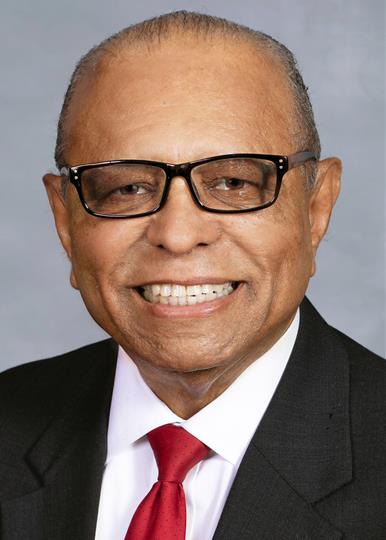
Nasif Majeed
Nasif Majeed House · District 99
I
Strong +
100% 22
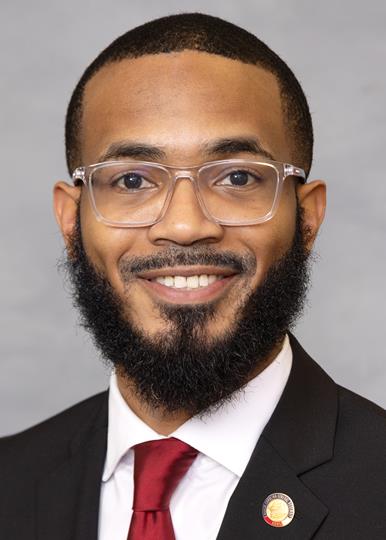
Jordan Lopez
Jordan Lopez House · District 112
D
Support
71% 28
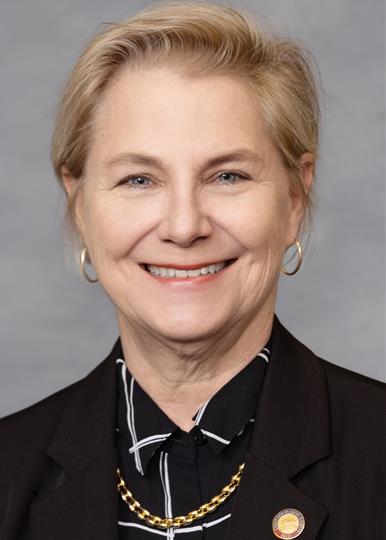
Deb Butler
Deb Butler House · District 18
D
Support
71% 28
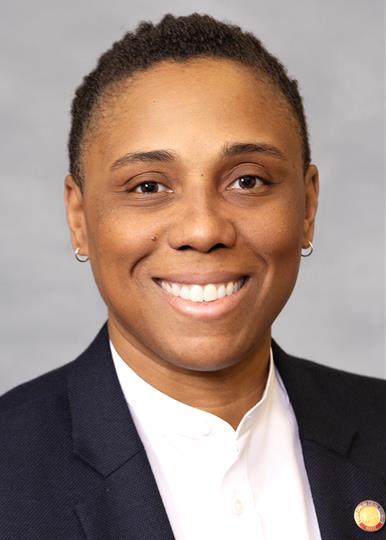
Kanika Brown
Kanika Brown House · District 71
D
Support
71% 28
Vernetta Alston
Vernetta Alston House · District 29
D
Support
67% 26
Lindsey Prather
Lindsey Prather House · District 115
D
Strong −
17% 24
Bryan Cohn
Bryan Cohn House · District 32
D
Oppose
29% 26
Wyatt Gable
Wyatt Gable House · District 14
R
Oppose
29% 28
Stephen Ross
Stephen Ross House · District 63
R
Oppose
29% 23
Karl Gillespie
Karl Gillespie House · District 120
R
Oppose
29% 28
Showing 111–120 of 146 bills

All housing bills

in committee · North Carolina · Senate Mar 25, 2025

SB 395: Disaster Relief Eviction Moratorium Act.

SB 395, the Disaster Relief Eviction Moratorium Act, allows North Carolina's Governor to issue an executive order banning residential evictions in declared emergency areas during disasters causing widespread job loss or economic hardship. The moratorium starts at up to 90 days, with possible 30-day extensions, for a maximum total of 180 days, and applies directly to renters and landlords in the affected area. The Governor must determine that the disaster would lead to increased homelessness without the ban, and the moratorium cannot be overridden by the General Assembly or Council of State. The bill also permits the Governor to direct state and federal funds toward rental assistance programs to support both tenants and landlords during the moratorium.
in committee · North Carolina · Senate Mar 26, 2025

SB 495: Regulation of Accessory Dwelling Units.

SB 495 requires North Carolina local governments to permit at least one accessory dwelling unit (ADU) per single-family residential lot, defined as a smaller secondary home (under 800 sq ft) attached or detached from the main house. It prohibits local governments from banning long-term rentals of ADUs, imposing extra parking requirements, charging higher fees than standard permits, or restricting utility connections. Local governments must adopt implementing regulations by January 1, 2027, or ADUs will be allowed without restrictions. The bill excludes historic districts, National Historic Landmarks, and properties with private covenants restricting dwelling types.
Sub-Topics Building Codes Zoning
died · North Carolina · Senate Mar 26, 2025

SB 542: Western NC Support; Expand Comm. Eco. Dev.

SB 542 allocates $20.3 million in one-time funding and $1 million annually to support Western North Carolina recovery and economic development. It provides $10 million specifically for long-term housing recovery for residents impacted by Hurricane Helene, $5 million to Community Development Corporations (CDCs), $300,000 for women’s business centers, and $5 million for broader economic development programs. The bill also includes $1 million in recurring funds to assist with ongoing housing recovery, match federal disaster funds, and support community services statewide. This legislation directly affects Western NC residents recovering from Hurricane Helene, CDCs, and women’s business centers in Western NC, the Triad, and Piedmont regions.
in committee · North Carolina · Senate Mar 26, 2025

SB 499: Allow Housing Near Jobs.

SB 499, "Allow Housing Near Jobs," requires North Carolina local governments to automatically permit residential development - including converting existing commercial buildings - anywhere areas are currently zoned for commercial, office, or retail use. It eliminates the need for special permits or zoning amendments in these zones, directly affecting developers and local planning departments. The bill does not override building or fire codes but takes effect October 1, 2025, aiming to increase housing options near job centers.
in committee · North Carolina · Senate Mar 26, 2025

SB 497: Expand Middle Housing.

SB 497 requires all North Carolina local governments to allow "middle housing" types - including duplexes, fourplexes, townhouses, and similar multi-unit structures - in every residentially zoned area, including zones currently permitting only single-family homes. It prohibits local governments from blocking these housing types through excessive regulations, such as requiring public hearings, restricting building height to less than three stories, or mandating commercial building codes or fire sprinklers. The law also prevents restrictions on long-term rentals and private parking arrangements, while exempting historic districts and requiring existing municipal infrastructure (water/sewer systems) to be available. Local governments must use the same permitting processes for middle housing as for single-family homes, with an 18-month implementation deadline. This bill aims to increase housing options and affordability by expanding where multi-unit housing can be developed without changing zoning maps.
Sub-Topics Building Codes Zoning
died · North Carolina · Senate Mar 26, 2025

SB 632: Homes for Heroes.

SB 632 ("Homes for Heroes") creates a homebuyers' assistance program for North Carolina public servants (including teachers, firefighters, law enforcement, and emergency medical personnel) who are first-time homebuyers. It provides up to $25,000 or 10% of a home's purchase price - covering down payments, mortgage insurance, and closing costs - using $200 million in state funds, with mortgage assistance limited to 60 months. Separately, it establishes a tax credit for volunteer firefighters and rescue workers who incur unreimbursed work expenses, capping the credit at $5,000 or the taxpayer's annual income tax liability, requiring 36 hours of annual training. The program begins July 1, 2025, and the tax credit applies to taxable years starting January 1, 2025.
in committee · North Carolina · Senate Mar 26, 2025

SB 708: Working Families Act.

SB 708, the "Working Families Act," directly affects low- and middle-income North Carolina families by reducing child care costs, increasing tax credits, raising wages, and providing housing assistance. It cuts parent copayments for subsidized child care to 7% of gross income (down from 10%), reenacts a refundable child tax credit with income-based payments up to $250 per child, and raises the statewide minimum wage to $15 per hour starting September 1, 2025 - while allowing cities to set higher local rates. The bill also increases income limits for property tax relief and creates a homebuyers' program offering assistance to first-time public servant homebuyers (including teachers, firefighters, police, and EMTs). These changes aim to reduce living costs and support working families through concrete financial adjustments.
in committee · North Carolina · Senate Mar 26, 2025

SB 724: Safe Parks and Public Spaces Act.

SB 724 prohibits unauthorized camping in public parks, sidewalks, and other public spaces (like non-designated areas), except for temporary sites specifically approved for homeless encampments. It defines "public camping" as using tents, bedding, or personal items on public property without authorization, making violations a misdemeanor punishable by fines or short jail time (with first offenses directed to shelters instead of charges). Local governments must enforce this ban and cannot allow regular camping on non-designated public areas, while citizens can sue municipalities that fail to comply. The bill also withholds state homelessness funding from counties or cities that violate these provisions and fail to correct violations after notice.
in committee · North Carolina · Senate Mar 26, 2025

SB 758: Water and Sewer Allocation Reforms.

SB 758 (Water and Sewer Allocation Reforms) prohibits local governments in North Carolina from imposing unauthorized conditions on water or sewer service for new residential housing projects (single-family or multifamily). It bans requirements like extra fees, design restrictions, or arbitrary scoring systems for allocating service, and mandates quarterly public reports on infrastructure capacity. Local governments receiving public funds must publish capacity data, develop annual expansion plans, and prioritize areas facing imminent shortages. The bill directly affects developers seeking service and local governments managing water/sewer systems, ensuring service allocation is based on available capacity - not arbitrary rules. Violations can trigger court-ordered compliance or fines up to $5,000 per day.
died · North Carolina · Senate Mar 26, 2025

SB 750: Restore the American Dream.

SB 750, "Restore the American Dream," aims to address North Carolina's affordable housing shortage by funding the Housing Trust Fund. The bill provides a one-time $30 million allocation for the 2025-2026 fiscal year and establishes recurring revenue streams: 1.5% of property deed fees and 33% of real estate transfer tax proceeds will be directed to the fund. These funds will support affordable housing solutions - including home ownership, rentals, and supportive housing - for over 815,000 North Carolinians lacking access to affordable housing and 930,000 cost-burdened households. The bill seeks to reverse a 68% funding decline in the Housing Trust Fund over the past decade, ensuring sustainable resources for housing development.
Showing 111 to 120 of 146 bills
Previous 1 11 12 13 15 Next