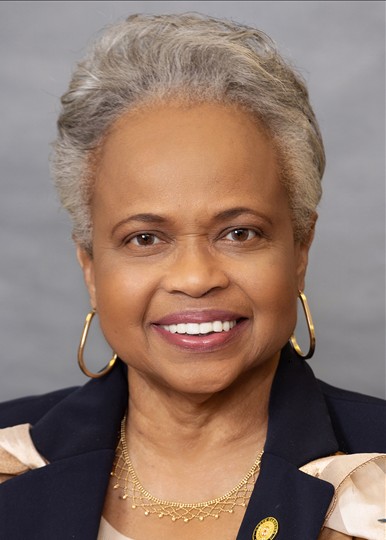
The "North Carolina Compassionate Care Act" (HB 1011) seeks to legalize the medical use of cannabis for individuals diagnosed with specific debilitating medical conditions. The bill establishes a system where qualified patients, certified by a physician, and their designated caregivers can obtain registry identification cards from the Department of Health and Human Services. It outlines a list of qualifying debilitating conditions, including cancer, epilepsy, and PTSD. This legislation also details the creation of a regulated system for the cultivation, processing, and dispensing of medical cannabis through licensed facilities. Its intent is to protect patients and their doctors from criminal and civil penalties related to the medical use of cannabis.
HB 756 appropriates $100,000 in one-time state funds to the Harmony Empowerment Life Center, a nonprofit organization, to expand its "Never Limit An Athlete's Mind" program. The program directly supports minorities and their families in Wake, Durham, Forsyth, Guilford, Mecklenburg, Union, and Anson counties by improving mental health resources and preparing them for future opportunities. The bill provides a directed grant through the Office of State Budget and Management for the 2025-2026 fiscal year. This funding enables the nonprofit to extend its existing services to additional counties without creating new statewide policies.
HB 774 ("School Breakfast for All") mandates that all North Carolina public schools (pre-K through 12) provide free breakfast to every student, eliminating costs for families. It establishes a Farm-to-Table Initiative requiring schools to partner with local farmers for fresh, locally sourced ingredients in breakfast meals. The bill allocates $39 million in recurring state funds for the 2025-2026 fiscal year to cover program costs, while requiring annual reports on participation rates, costs, and impacts on student health and academic performance. This directly affects all public school students, school districts, and North Carolina agricultural producers.
HB 682 allows North Carolina to override federal restrictions that block food and cash assistance (TANF) for people convicted of certain drug-related felonies. It directly affects individuals with Class H or I controlled substance felony convictions who complete substance abuse treatment (while incarcerated or in the community) and avoid new drug offenses for six months. The bill requires counties to offer food and cash benefits to eligible individuals who meet these conditions, making treatment participation a requirement for accessing aid. This change aims to support successful reintegration by removing a barrier to basic needs assistance for this group.
HB 122, the North Carolina Healing Arts Act, would establish a new North Carolina Healing Arts Commission to regulate specific complementary medicine professions. It directly affects reflexologists and music therapists by requiring them to obtain state licenses to practice, ensuring they meet standards for public safety and professional competence. The bill creates the Commission to develop licensing rules, issue and enforce licenses, handle disciplinary actions, and set fees - all funded by practitioner fees rather than state funds. This legislation aims to protect consumers by standardizing qualifications for these healing arts professions while creating a formal regulatory structure.
Tags
Licensing
SB 179 appropriates $2.5 million from North Carolina's General Fund annually for the 2025-2026 fiscal year to fund middle school programming through the nonprofit Voices Together. The bill directly supports middle school students in North Carolina school systems who have intellectual or developmental disabilities or experience learning delays, preparing them for future employment services. This funding enables Voices Together to expand its existing high school-level transition services to younger students through structured educational programming. The bill takes effect July 1, 2025, and is currently pending in the Senate.
House Bill 433 allows licensed registered nurses (RNs) to serve as school nurses in North Carolina public schools. The bill prohibits the State Board of Education from requiring a four-year degree for school nurse employment. It specifies that RNs with at least two years of experience in a hospital or health clinic can work as school nurses without needing additional certifications or licenses. These qualified registered nurses will be paid under the certified school nurse pay scale.
HB 463 establishes a supplemental insurance plan for North Carolina first responders diagnosed with specific mental health conditions (like anxiety, depression, or PTSD) directly resulting from their job. It provides three key benefits: up to $5,000 annually for out-of-pocket mental health costs, 75% of salary or $5,000 monthly (max 12 weeks/year) for leave due to treatment, and disability benefits (75% salary or $5,000/month, max 36 months) if unable to work. Eligibility requires a job-related diagnosis, current employment as a defined first responder (including police, firefighters, EMTs, and dispatchers), and exclusion from workers' compensation benefits. The plan aims to support recovery and return to duty while limiting benefits to cover gaps not met by other sources.
SB 85 requires body piercing establishments (excluding medical professionals like doctors performing piercings as part of their practice) to obtain annual permits from the state health department. To get a permit, businesses must pass health department inspections covering sanitation of premises, equipment, and procedures. The Commission for Public Health will create specific rules for permit requirements, including hygiene standards, which will determine the permit process. The bill takes effect once these rules are adopted, but no rules exist yet as the bill is still in early legislative stages.
HB 974 requires North Carolina's Department of Health and Human Services (DHHS) to study how hospice care facilities handle complaints from patients and families. The study will analyze complaint data, engage hospice administrators and care associations, and identify common issues and best practices for improving complaint procedures, investigations, communication, and family involvement. DHHS must submit findings and recommendations to legislative committees by April 2026, focusing on actionable steps for hospice facilities to enhance accountability. This bill does not change current laws but mandates a review to inform future policy.