Issue · Healthcare

Healthcare

Every healthcare bill, vote, and legislator stance in North Carolina, automatically classified by Maddy, our AI policy reader.

Total bills
600
119th Congress
Top supporter
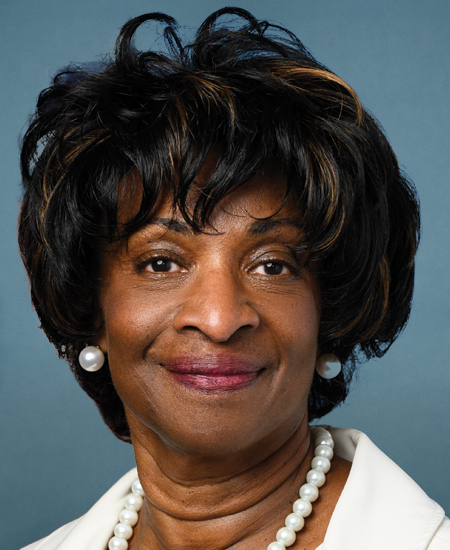
Valerie P. Foushee
61% support rate
Top opponent
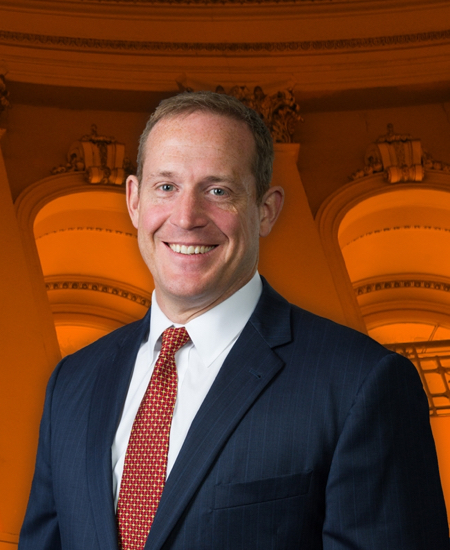
Ted Budd
24% support rate
Ranked legislators
8
3 support · 5 oppose
Key legislators

Who's moving healthcare in North Carolina

Legislators moving healthcare in North Carolina
Legislator Party Stance Support rate Votes
Valerie P. Foushee
Valerie P. Foushee House · District 4
D
Support
61% 206
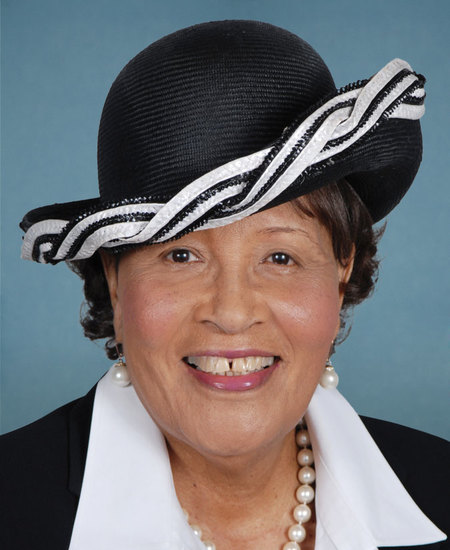
Alma S. Adams
Alma S. Adams House · District 12
D
Mixed
56% 210
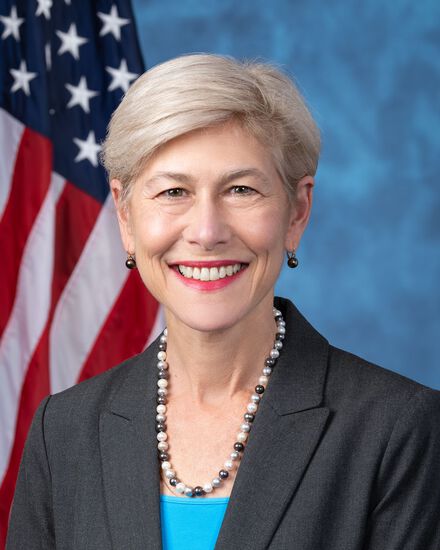
Deborah K. Ross
Deborah K. Ross House · District 2
D
Mixed
56% 210
Ted Budd
Ted Budd Senate
R
Oppose
24% 222
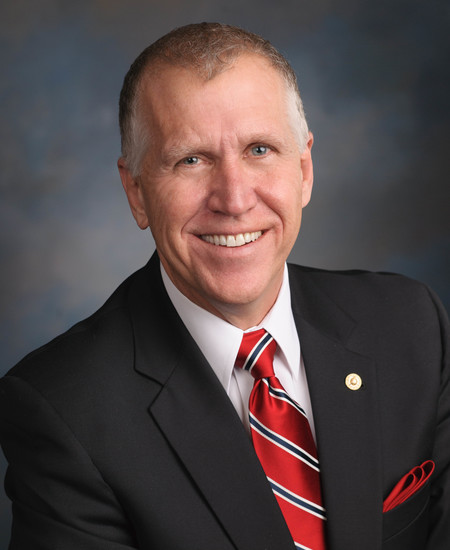
Thom Tillis
Thom Tillis Senate
R
Oppose
25% 212
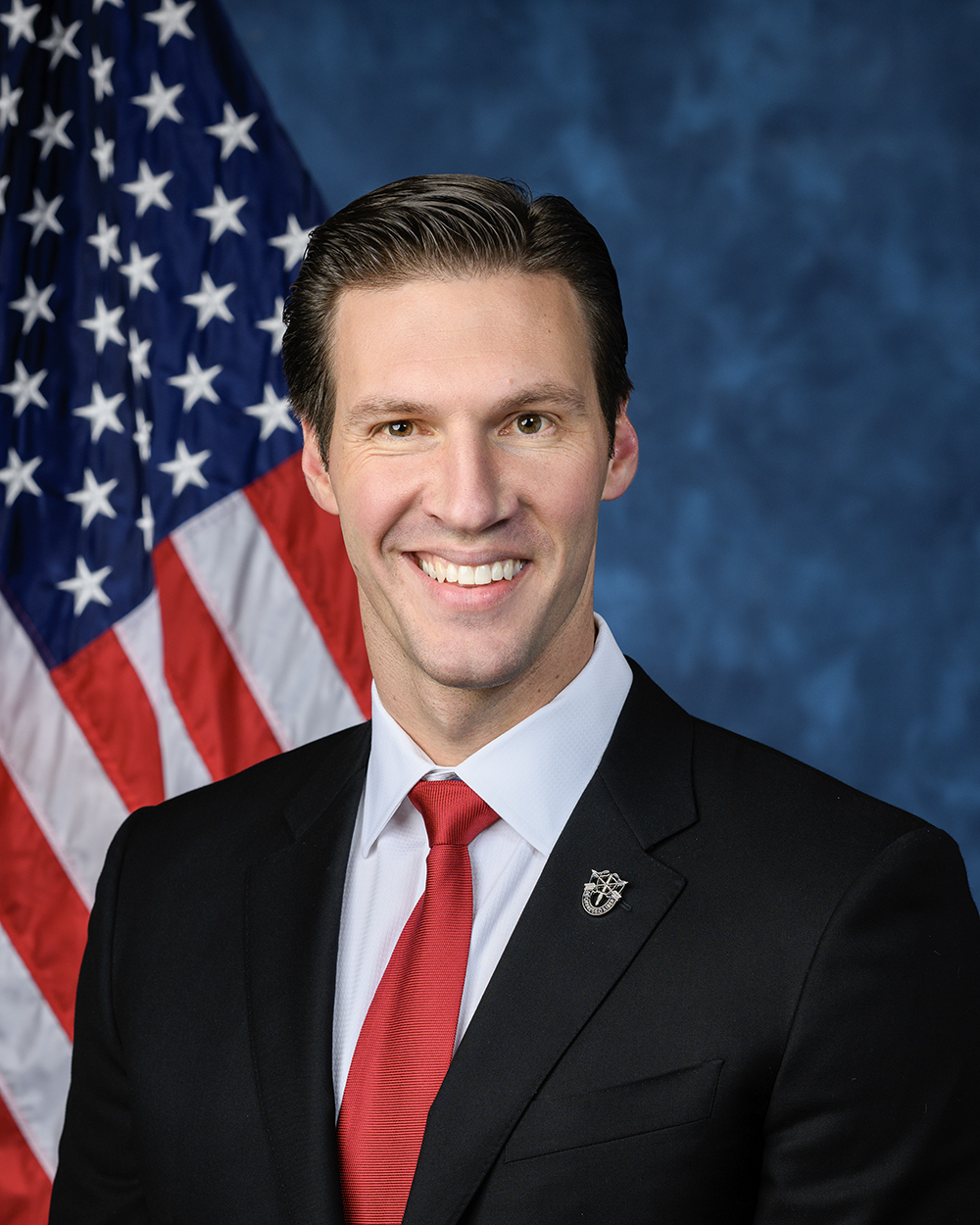
Brad Knott
Brad Knott House · District 13
R
Oppose
28% 210
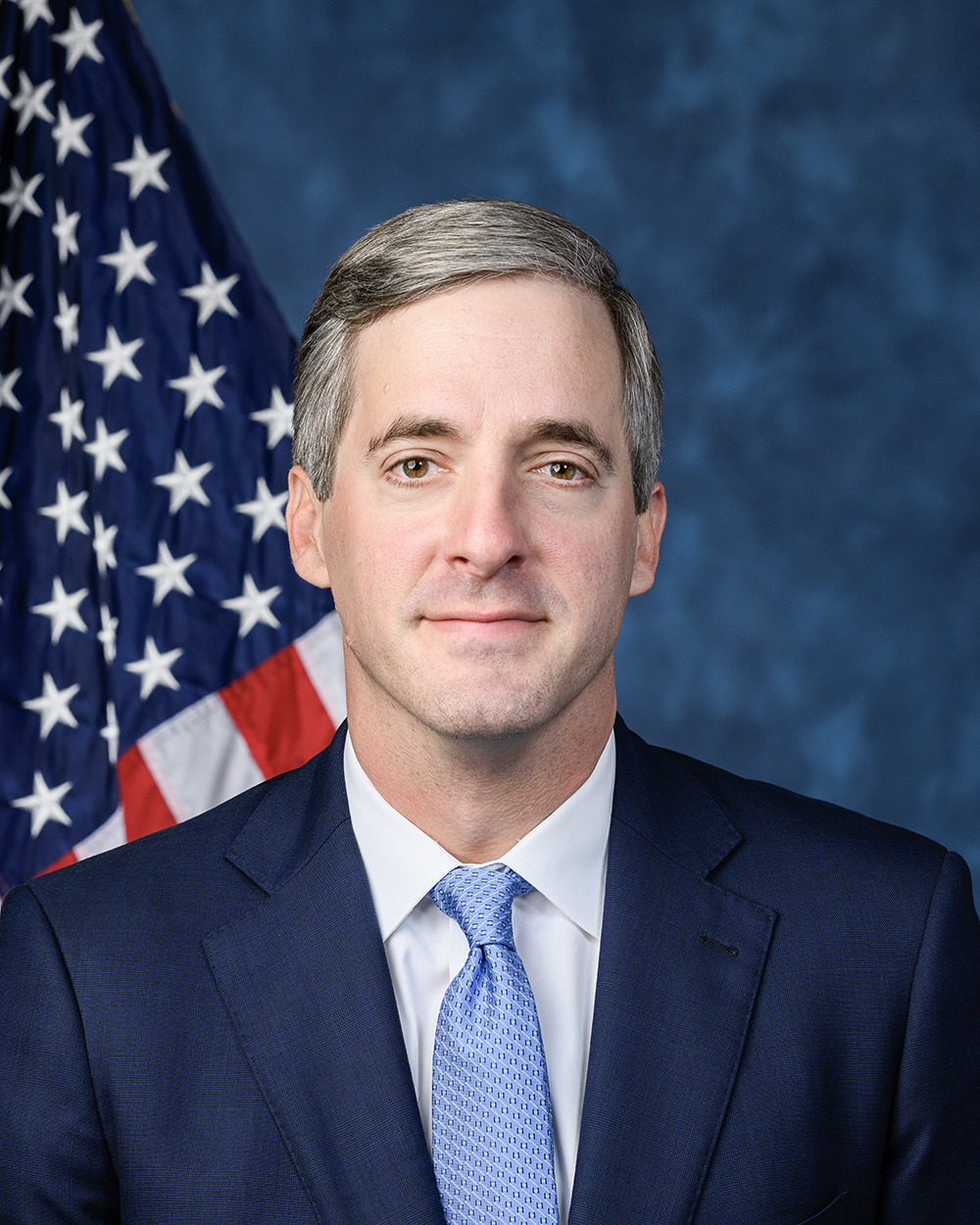
Pat Harrigan
Pat Harrigan House · District 10
R
Oppose
28% 209
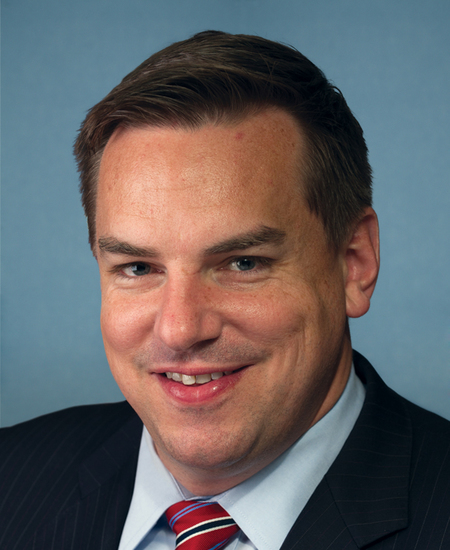
Richard Hudson
Richard Hudson House · District 9
R
Oppose
33% 209
Showing 1–10 of 600 bills

All healthcare bills

in committee · United States · House Sep 8, 2026

HR 10311: Health Care Accountability Mission Act of 2026

The Health Care Accountability Mission Act of 2026 allows the Secretary of Health and Human Services to impose civil monetary penalties on for-profit hospitals, critical access hospitals, and rural emergency hospitals that repeatedly fail to meet safety standards in ways that immediately jeopardize patient health. Specifically, a penalty of up to $10,000 per day may be assessed if a hospital has received a similar determination within the previous two years. The bill requires these determinations to be published on a public website maintained by the Centers for Medicare & Medicaid Services and applies existing procedural rules for civil monetary penalties to this new provision.
in committee · United States · House Sep 10, 2026

HR 10345: EBOLA Act

The EBOLA Act requires the President to rejoin the World Health Organization within 30 days of enactment and immediately coordinate with that body to address an ongoing Ebola outbreak in Central and Eastern Africa. The legislation authorizes necessary funding to cover U.S. membership fees and financial obligations, as well as voluntary contributions to support international disease response efforts. By mandating this rapid re-entry into the global health agency, the bill aims to enhance the nation's ability to monitor emerging infectious diseases and prevent the spread of the virus to American soil.
Sub-Topics Public Health
in committee · United States · House Aug 27, 2026

HR 10159: To authorize the Secretary of the Army to convey to the State of North Carolina a certain parcel of real property located at Fort Bragg, North Carolina, on which the State shall construct a veterans' State home, and for other purposes.

This bill authorizes the Secretary of the Army to transfer approximately 20 acres of land at Fort Bragg in North Carolina to the state government without charge. The property is intended for the construction of a veterans' home under the jurisdiction of the North Carolina Department of Military and Veterans Affairs. The state is required to pay all costs associated with the transfer, including environmental reviews and administrative fees, with any excess prepayments refunded by the federal government. If the land is no longer used for the designated veterans' facility, ownership may revert to the United States at the Secretary's discretion.
in committee · United States · House Sep 10, 2026

HRES 1528: Recognizing suicide as a serious public health problem and expressing support for the designation of September, 2026, as "National Suicide Prevention Month" as well as September 10, 2026, as "World Suicide Prevention Day".

This House resolution formally recognizes suicide as a serious public health problem in the United States and expresses support for designating September 2026 as National Suicide Prevention Month and September 10, 2026, as World Suicide Prevention Day. The bill cites data from the CDC, SAMHSA, and the VA to highlight that suicide is a leading cause of death among young people, veterans, and during the postpartum period, while also noting the significant economic costs associated with it. It declares suicide prevention a national priority and emphasizes that mental health is as important as physical health. The resolution supports the development of strategies to improve access to quality mental health, substance abuse, and suicide prevention services for all communities.
in committee · United States · House Jul 27, 2026

HR 9959: Green New Deal for Public Schools Act

The Green New Deal for Public Schools Act directs over $700 billion in federal funding to public schools, prioritizing those serving the most vulnerable communities based on CDC social vulnerability rankings. The legislation establishes a new Office of Sustainable Schools and authorizes grants for "healthy green retrofits" that convert school buildings into zero-carbon facilities with clean air, water, and energy systems, while also providing funds to hire additional educators, mental health professionals, and support staff. Additionally, the bill mandates increased federal funding for special education under the Individuals with Disabilities Education Act and creates a climate resiliency program that allows schools to function as community centers during natural disasters. All grant recipients must adhere to strict labor standards, including prevailing wage requirements, Buy American provisions, and local hiring goals that prioritize residents of the surrounding community.
in committee · United States · House Jul 22, 2026

HR 9832: Medicare Dental Benefit Act of 2026

This bill amends Medicare to cover dental and oral health services for the first time, affecting all current and future Medicare beneficiaries. It defines covered services to include routine cleanings, fillings, extractions, root canals, crowns, dentures, and emergency care. For most individuals, federal payment for these services will gradually increase from 0% to 80% over an eight-year period, while low-income individuals eligible for prescription drug subsidies will receive 80% coverage immediately. The legislation also establishes frequency limits, such as two cleanings and exams per year and a five-year limit on full dentures, and requires the U.S. Preventive Services Task Force to include at least one oral health professional.
in committee · United States · House Sep 3, 2026

HR 10293: Rural Emergency Hospital Designation Improvement Act

The Rural Emergency Hospital Designation Improvement Act expands Medicaid coverage for services provided by rural emergency hospitals and allows these facilities to offer additional inpatient units for psychiatric, rehabilitation, and obstetric care. It also creates a pathway for existing facilities that operate similarly to rural emergency hospitals to convert their status by waiving certain requirements, while permitting them to provide skilled nursing "swing bed" services under specific agreements. To support financial sustainability, the bill increases Medicare payments for diagnostic laboratory tests performed at these hospitals by 5 percent starting in 2027 and ensures that facilities reverting to critical access hospital status can regain their necessary provider designation. Additionally, the legislation designates rural emergency hospitals as health professional shortage areas to facilitate National Health Service Corps placements and includes them in the Small Rural Hospital Improvement Program grant eligibility.
in committee · United States · House Sep 2, 2026

HR 10223: End Tuberculosis Now Act of 2026

The End Tuberculosis Now Act of 2026 amends the Foreign Assistance Act to designate ending the global tuberculosis emergency as a major objective of U.S. foreign policy and authorizes the President to provide funding for prevention, diagnosis, and treatment programs worldwide. The bill sets specific targets to be achieved by 2030, including an 80 percent reduction in new infections and a 90 percent reduction in deaths compared to 2015 levels, while also requiring that 30 million individuals receive preventive treatment. Key provisions mandate the use of innovative diagnostic tools, support for drug-resistant TB care, and coordination with private sector partners to develop vaccines and lower treatment costs. The legislation requires annual reports to Congress detailing program progress and expenditures, and it includes a sunset clause that terminates these specific authorities on January 1, 2033.
in committee · United States · House Sep 1, 2026

HR 10216: Public Transit Mental Health Awareness Act

The Public Transit Mental Health Awareness Act requires public transit agencies that receive federal assistance to display information about the national suicide prevention hotline in areas visible to passengers. This information must state that the service is free, confidential, and available around the clock. Agencies can meet this requirement by placing the notice on all their vehicles or in all their transit facilities, provided it does not block existing revenue-generating advertising space. The law includes a provision allowing agencies to remain compliant if they make reasonable efforts to restore displays that are damaged or removed, with the mandate taking effect one year after enactment.
Sub-Topics Mental Health
in committee · United States · House Aug 27, 2026

HRES 1491: Expressing support for the designation of the week of August 25 through August 31, 2026, as "Black Breastfeeding Week".

This House resolution expresses support for designating the week of August 25 through August 31, 2026, as "Black Breastfeeding Week" to raise awareness about racial disparities in maternal and infant health. The bill highlights data showing that Black mothers face higher barriers to breastfeeding and experience significantly higher infant mortality rates compared to White mothers. It calls on Congress to support policies that provide affordable healthcare, paid parental leave, and safe workplace accommodations for nursing mothers. Additionally, the resolution urges lawmakers to address broader systemic issues such as housing, transportation, and economic opportunity to improve health outcomes in Black communities.
Showing 1 to 10 of 600 bills
1 2 3 60 Next