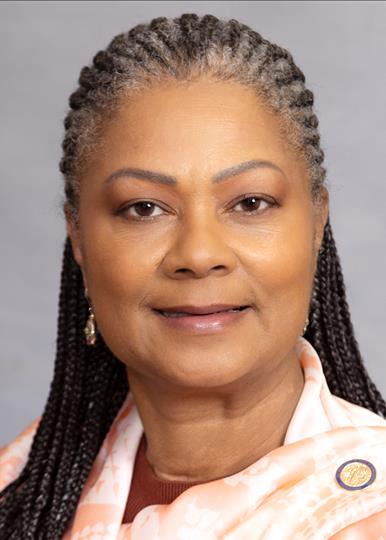
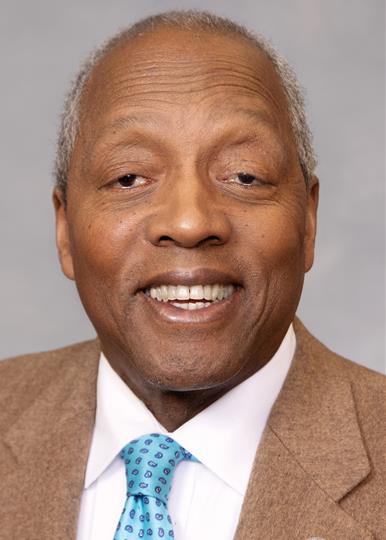
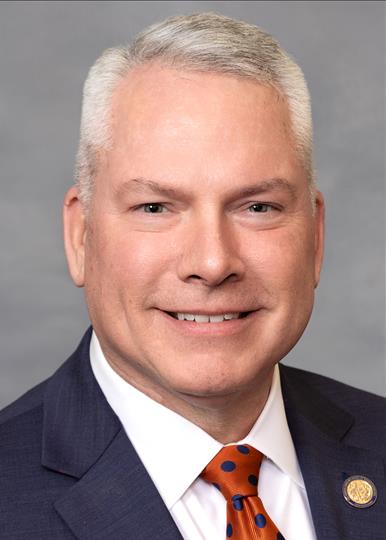
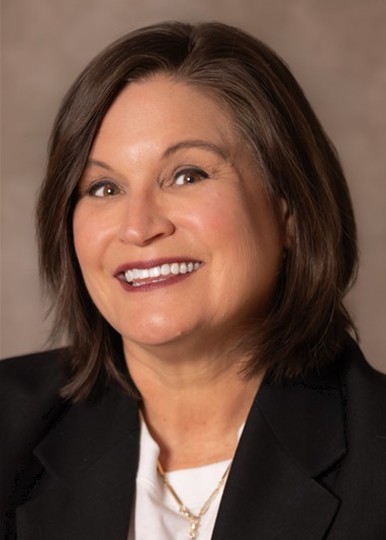
Key legislators
Who's moving k-12 education in North Carolina
Showing 61–64 of 64
bills
All education bills
HB 959 requires North Carolina public schools to adopt internet safety policies by January 2026, limiting student access to age-appropriate content and blocking social media except for teacher-directed educational use. It mandates annual social media literacy instruction in all grades, covering mental health impacts, misinformation, online safety, and identifying cyberbullying. The bill also establishes rules for wireless device use during class, prohibiting personal device use except for educational purposes, medical needs, or special education plans. These provisions directly affect all K-12 public schools and students across North Carolina, with policies to be implemented starting in the 2026-2027 school year.
SB 125 reorganizes North Carolina's community college statutes and makes specific changes to education policy. It prohibits community colleges from using a secondary school's accreditation status (like certification) as a factor in admissions, financial aid, or scholarships for students. The bill also requires community colleges to report annually on college transfer program performance, including student success rates at four-year institutions, and mandates detailed reporting on the 2+2 E-Learning Initiative for teacher training. These provisions directly affect community college students, institutions, and educators seeking teacher licensure.
SB 227 prohibits North Carolina public schools from teaching or promoting 12 specific "divisive concepts" defined in the bill, such as claims that one race is inherently superior or that individuals bear responsibility for past actions of their race. The bill directly affects K-12 students, teachers, and school employees by banning instruction on these concepts and restricting professional development that includes them. Key provisions include requiring schools to avoid "discriminatory practices" and preventing staff from being compelled to affirm divisive concepts. The bill does not ban all diversity initiatives but targets specific teachings it deems contrary to "equality and rights of all persons." This is a proposed bill (not yet law) currently under review in the North Carolina Senate.
HB 87 (Educational Choice for Children Act) allows North Carolina to participate in a federal tax credit program that encourages donations to private scholarship organizations. The bill requires the State Education Assistance Authority to maintain and publish an annual list of qualifying scholarship groups operating in North Carolina, enabling donors to claim federal tax credits for contributions. These scholarships can cover elementary and secondary school costs, including homeschooling expenses, as permitted under federal law. The law becomes effective after 2026, with the Authority needing to establish necessary rules by July 2026 to comply with federal requirements.