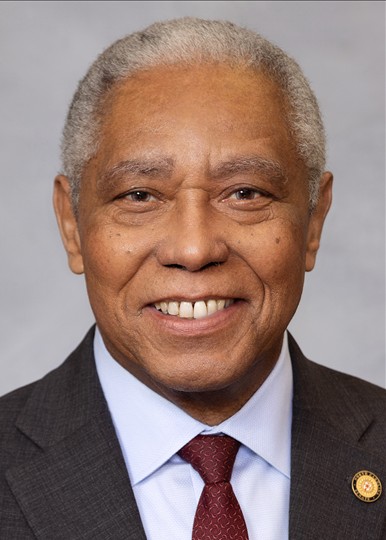
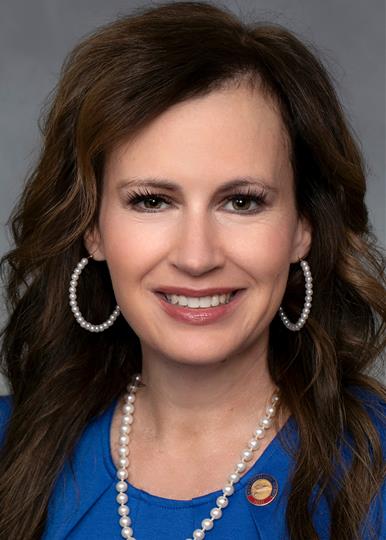
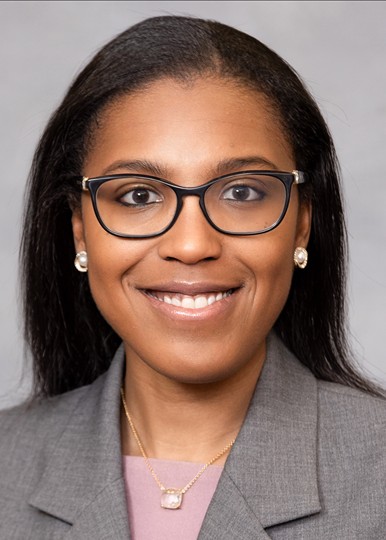
Key legislators
Who's moving education in North Carolina
Showing 5 of 5
bills
All education bills
SB 355 waives tuition at North Carolina public colleges for survivors of correctional officers, probation officers, or firefighters who died in the line of duty or became permanently disabled. It specifically covers spouses of disabled officers and children (ages 17-24) of disabled officers, with eligibility requiring service-connected death/disability and verification from relevant agencies. The waiver applies to both credit and noncredit programs, limiting bachelor’s degree support to 54 months. This policy directly affects families of these public safety workers by reducing education costs.
SB 528 (Child Care Regulatory Reforms and Flexibilities) allows five years of documented work experience in a licensed North Carolina child care facility to count as equivalent to the North Carolina Early Childhood Credential for lead teachers and star ratings. It also increases the maximum group size for toddlers from 18 to 20 children in centers maintaining a 1/9 staff-to-child ratio, while adjusting nap-time supervision requirements. These changes directly affect licensed child care centers, administrators, lead teachers, and staff by providing alternative pathways to meet credentialing requirements and adjusting operational standards for group sizes. The bill aims to increase flexibility for providers while maintaining safety and quality standards under North Carolina’s child care regulations.
This bill authorizes the University of North Carolina system to finance specific capital improvement projects, such as dormitory renovations and new construction, using non-state funds like gifts, grants, and hospital receipts. It allows the university to issue special obligation bonds to cover these costs and includes a mechanism for the Director of the Budget to adjust project funding if necessary. Additionally, the legislation standardizes the residency determination process for admission to the North Carolina School of Science and Mathematics and revises tuition grant rules for graduates of that school and the UNC School of the Arts. These changes aim to support university infrastructure development and ensure equitable access to specialized science and arts programs for North Carolina residents.
HB 87 (Educational Choice for Children Act) allows North Carolina to participate in a federal tax credit program that encourages donations to private scholarship organizations. The bill requires the State Education Assistance Authority to maintain and publish an annual list of qualifying scholarship groups operating in North Carolina, enabling donors to claim federal tax credits for contributions. These scholarships can cover elementary and secondary school costs, including homeschooling expenses, as permitted under federal law. The law becomes effective after 2026, with the Authority needing to establish necessary rules by July 2026 to comply with federal requirements.
House Bill 433 allows licensed registered nurses (RNs) to serve as school nurses in North Carolina public schools. The bill prohibits the State Board of Education from requiring a four-year degree for school nurse employment. It specifies that RNs with at least two years of experience in a hospital or health clinic can work as school nurses without needing additional certifications or licenses. These qualified registered nurses will be paid under the certified school nurse pay scale.