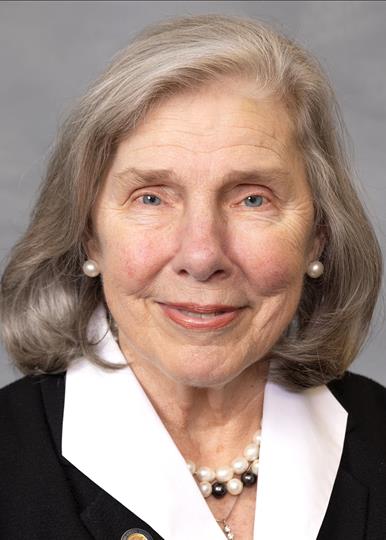
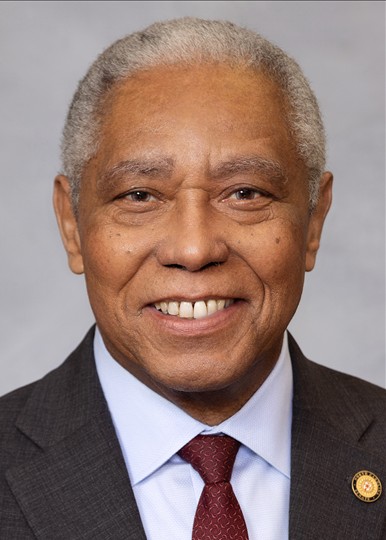
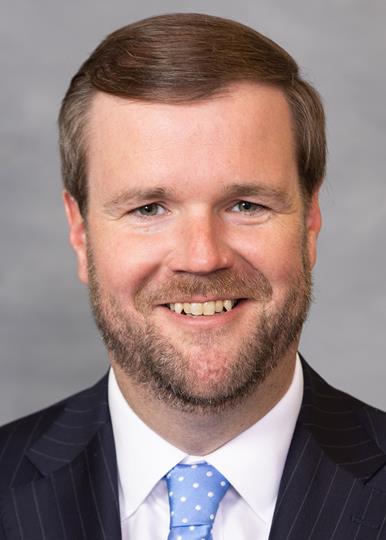
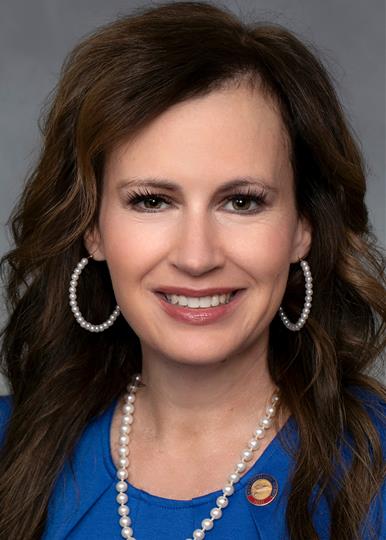
Key legislators
Who's moving education in North Carolina
Showing 4 of 4
bills
All education bills
SB 227 prohibits North Carolina public schools from teaching or promoting 12 specific "divisive concepts" defined in the bill, such as claims that one race is inherently superior or that individuals bear responsibility for past actions of their race. The bill directly affects K-12 students, teachers, and school employees by banning instruction on these concepts and restricting professional development that includes them. Key provisions include requiring schools to avoid "discriminatory practices" and preventing staff from being compelled to affirm divisive concepts. The bill does not ban all diversity initiatives but targets specific teachings it deems contrary to "equality and rights of all persons." This is a proposed bill (not yet law) currently under review in the North Carolina Senate.
SB 558 (North Carolina Senate Bill 558) requires public universities and community colleges to adopt diversity, equity, and inclusion policies that comply with state law while prohibiting the promotion of specific "divisive concepts." It defines 12 concepts as "divisive," including claims that one race or sex is inherently superior, individuals bear guilt for past actions of their race, or meritocracy is inherently racist. The bill mandates that institutions avoid teaching these concepts and bars community colleges from investigating protected speech (like satire) labeled as "microaggressions." It directly affects all public higher education employees, faculty, and students in North Carolina's university system and community colleges.
HB 805 requires North Carolina state agencies and local governments to use biological sex definitions (based on reproductive anatomy at birth) in all policies, replacing gender identity as a legal equivalent. It directly affects state programs, including healthcare, education, and civil rights enforcement, by mandating that "female," "male," and related terms refer solely to biological sex as defined in the bill. The bill also creates a new "Prevent Sexual Exploitation of Women and Minors Act" with definitions for consent and intimate visual depictions, while including provisions on birth certificates, school accommodations for religious objections, and parental access to library materials. These changes take effect January 1, 2026, and are intended to align state law with federal directives referenced in the bill's preamble.
HB 58 modifies local election rules across North Carolina. It extends Kittrell's mayor and commissioners' terms from two to four years, changes Asheboro's school board to seven partisan-elected members (down from 11) with four-year staggered terms, and eliminates a mandatory school funding floor for Scotland County. The bill also establishes residency districts for Anson County commissioners, clarifies vacancy procedures for Caswell County, and allows Scotland County to set school budgets without state-mandated funding minimums. These changes directly affect local governments and school boards in multiple counties, altering election structures and budget authority.