Issue · Budget & Taxes

Budget & Taxes

Every budget & taxes bill, vote, and legislator stance in North Carolina, automatically classified by Maddy, our AI policy reader.

Total bills
687
2025-2026 Session
Top supporter
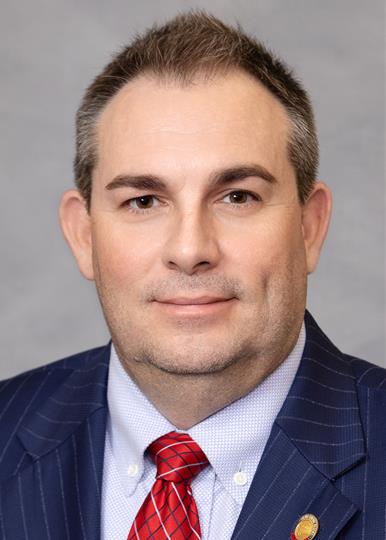
Mitchell Setzer
100% support rate
Top opponent
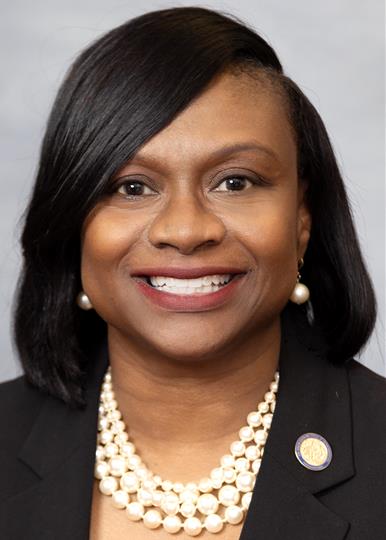
Amanda Cook
0% support rate
Ranked legislators
10
5 support · 5 oppose
Key legislators

Who's moving budget & taxes in North Carolina

Legislators moving budget & taxes in North Carolina
Legislator Party Stance Support rate Votes
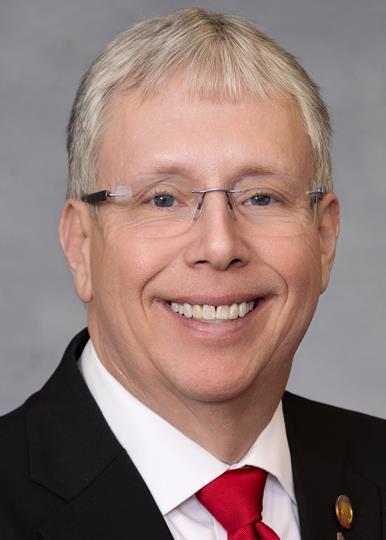
Mitchell Setzer
Mitchell Setzer House · District 89
R
Strong +
100% 52
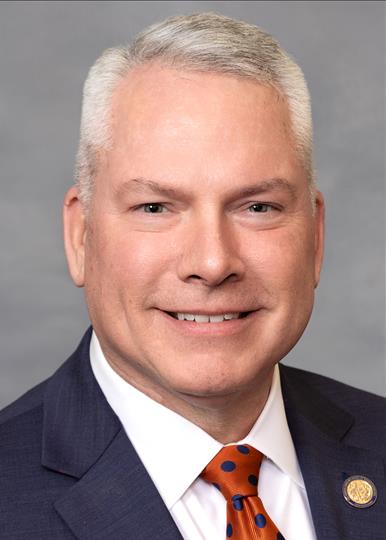
Grant Campbell
Grant Campbell House · District 83
R
Strong +
100% 50
Anna Ferguson
Anna Ferguson House · District 119
R
Strong +
100% 20
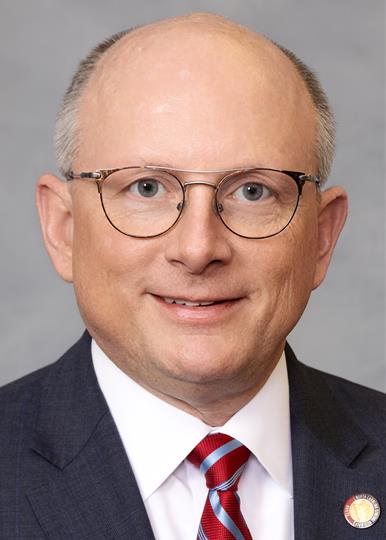
Tim Reeder
Tim Reeder House · District 9
R
Strong +
100% 51
John Bell
John Bell House · District 10
R
Strong +
100% 50
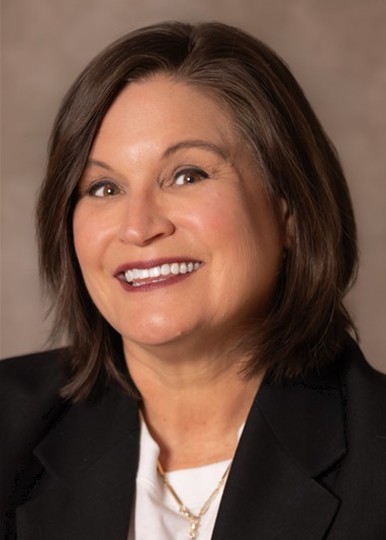
Amanda Cook
Amanda Cook House · District 60
D
Strong −
0% 20
Monika Johnson-Hostler
Monika Johnson-Hostler House · District 33
D
Strong −
8% 52
Marcia Morey
Marcia Morey House · District 30
D
Strong −
8% 52
Phil Rubin
Phil Rubin House · District 40
D
Strong −
8% 51
Deb Butler
Deb Butler House · District 18
D
Strong −
8% 50
Showing 61–70 of 687 bills

All budget & taxes bills

in committee · North Carolina · House Jun 30, 2026

HB 1121: Added Fee for Sexually Oriented Businesses.

This bill imposes a $10 fee on every customer entering sexually oriented businesses in North Carolina that also hold an alcohol permit. The collected fees must be remitted quarterly to the Department of Revenue and deposited into a fund designated for sexual assault and rape crisis services. Businesses are required to keep daily records of customer counts without collecting personal names, and they must submit these records for audit upon request. The legislation aims to address secondary impacts on public health and safety by funding support services rather than targeting the businesses' expressive content.
died · North Carolina · Senate May 5, 2026

SB 1059: Military Family Food Security and Readiness Act.

This bill, the Military Family Food Security and Readiness Act, aims to assist North Carolina military families by adjusting how their income is calculated for food assistance programs during deployments or activations. It would temporarily exclude certain military allowances, such as housing and subsistence pay, from income counts and allow eligible households to qualify for benefits with up to 25% higher income limits. For families who still do not meet standard criteria, the state would provide a supplemental nutrition program offering monthly benefits between $150 and $300, with an expedited application process to ensure quick access. The legislation applies to active-duty personnel, National Guard members, and reservists and includes funding to support these new provisions starting in the 2026-2027 fiscal year.
in committee · North Carolina · House May 12, 2026

HB 1074: Prescription Drug Expenses Tax Deduction.

This North Carolina bill allows taxpayers to deduct up to $5,000 of unreimbursed costs for prescribed medications and pharmacy fees from their state income tax. The deduction applies to expenses not covered by tax-advantaged accounts like Flexible Spending or Health Savings Accounts and prevents double-dipping if a federal deduction is already claimed for the same year. Effective for tax years starting on or after January 1, 2026, the measure directly affects individuals paying out-of-pocket for prescription drugs who itemize their state taxes.
in committee · North Carolina · Senate Apr 30, 2026

SB 942: Reenact EITC.

This bill reenacts North Carolina's state Earned Income Tax Credit (EITC) by updating the relevant law to apply for future tax years. It allows eligible low-to-moderate income individuals to receive a credit equal to 20% of their federal EITC amount, with the specific percentage varying based on the tax year. The credit is refundable, meaning taxpayers can receive a cash payment even if it exceeds their state tax liability, and the legislation includes a provision to automatically repeal the credit starting in 2014, which is overridden by the bill's effective date of January 1, 2026.
Sub-Topics Income Tax Tax Credits
died · North Carolina · Senate May 5, 2026

SB 1020: Affordable Housing Efficiency Grant Program.

This bill establishes the Affordable Housing Efficiency Grant Program in North Carolina to provide funding for energy efficiency and electric upgrades in affordable multifamily housing buildings. The program targets residential complexes with at least 50% of units reserved for low-income households that have been in service for at least 15 years, with a focus on projects located in underserved communities. Eligible buildings can receive grants of up to $0.75 per square foot to cover costs for measures such as heat pumps, electric water heaters, insulation, and related planning or health improvements, provided they maintain their affordability status. The Department of Environmental Quality will manage the program using $5 million in recurring state funds starting in the 2026-2027 fiscal year, while recipients must report annually on energy savings and other outcomes.
died · North Carolina · Senate Apr 30, 2026

SB 915: 2026 Governor's Budget.

SB 915 establishes the 2026 Governor's Budget for North Carolina, allocating specific funding amounts to state departments, institutions, and agencies for their current operations. The bill directly affects a wide range of entities, including public schools, universities, health and human services agencies, and justice system bodies, by providing financial resources for their services. Key provisions include detailed dollar amounts for each fiscal year of the 2025-2027 biennium, with savings reverting to the state fund if not fully utilized. This legislation sets the financial framework for state government activities but does not specify new programs or policy changes beyond the budget allocations.
died · North Carolina · Senate Apr 23, 2026

SB 793: Right to IVF.

This North Carolina bill establishes a legal right for patients to access assisted reproductive technologies, such as in vitro fertilization, and protects healthcare providers from state interference when offering these services. The legislation explicitly states that fertilized eggs or embryos outside the human body are not considered human beings under state law, while also maintaining existing health and safety regulations for medical facilities. Additionally, the bill appropriates $500,000 in state funds to increase financial support for the Medicaid Maternal Support Services program, known as the Baby Love Program, starting in the 2026-2027 fiscal year.
Sub-Topics Medicaid
died · North Carolina · Senate May 5, 2026

SB 1031: Returning Citizens Ready to Work.

This bill directs the North Carolina Department of Adult Correction to distribute state funds to 17 local reentry councils starting in the 2026-2027 fiscal year. The primary goal is to help individuals returning to society after incarceration by hiring new staff and providing financial support for housing and transportation. Specific provisions include funding for two new full-time positions at each council, rental assistance for those reentering the community, and transportation vouchers for people under post-release supervision. Additionally, the legislation allocates money to two community colleges to hire education navigators for justice-involved students and funds the creation of online training modules for agencies serving people with criminal records.
in committee · North Carolina · House May 4, 2026

HB 1137: Appropriation to the Lake Norman Community Development Corporation.

This bill allocates $4 million from the state's General Fund to the Lake Norman Community Development Corporation for the 2026-2027 fiscal year. The funding is divided equally, with $2 million designated for the Smithville Revitalization Plan to acquire property and build affordable homes, and another $2 million for additional affordable housing projects determined by the Corporation. Up to 15% of the total appropriation may be used for administrative expenses, and the funds become available starting July 1, 2026.
in committee · North Carolina · House May 4, 2026

HB 1142: Expand Quantum Computing Education.

This North Carolina bill aims to increase access to quantum computing education by funding STEM programs in public schools, particularly those near military bases. It allocates $2.6 million to hire specialized teachers and create hands-on learning opportunities for students, while also establishing a $200,000 grant program for universities to partner with high schools on research projects. Additionally, the legislation creates an income tax credit for businesses that participate in these educational initiatives, though the specific details of the tax credit are not fully shown in the provided text.
Showing 61 to 70 of 687 bills
Previous 1 6 7 8 69 Next