Issue · Budget & Taxes

Budget & Taxes

Every budget & taxes bill, vote, and legislator stance in North Carolina, automatically classified by Maddy, our AI policy reader.

Total bills
713
2025-2026 Session
Top supporter
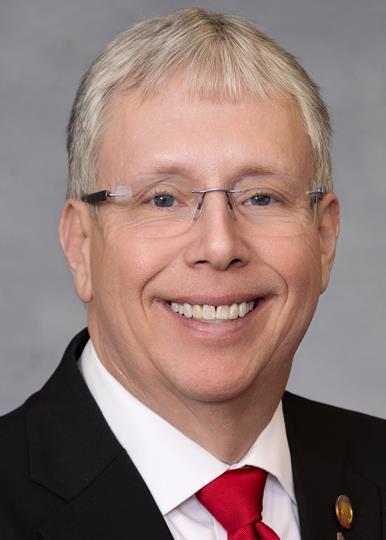
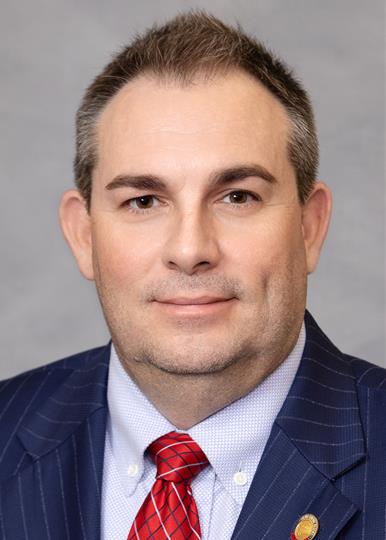
Mitchell Setzer
100% support rate
Top opponent
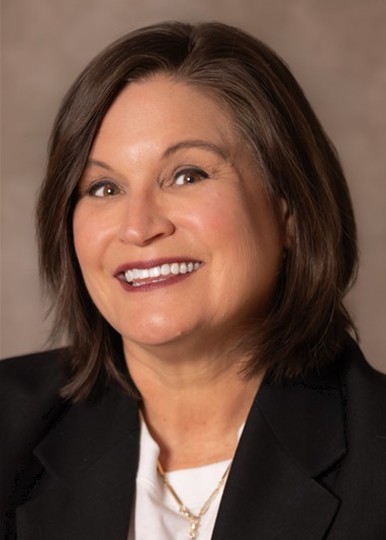
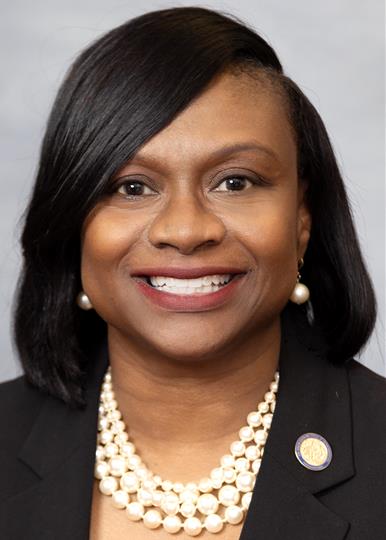
Amanda Cook
0% support rate
Ranked legislators
10
5 support · 5 oppose
Key legislators

Who's moving budget & taxes in North Carolina

Legislators moving budget & taxes in North Carolina
Legislator Party Stance Support rate Votes
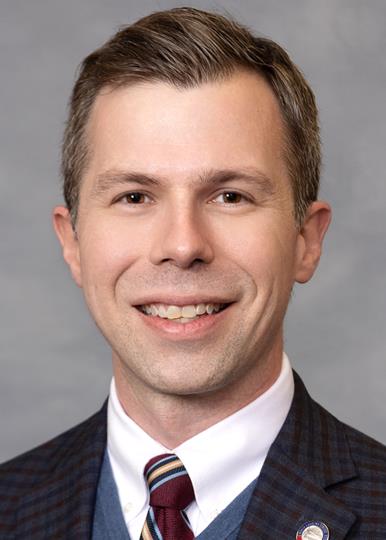
Mitchell Setzer
Mitchell Setzer House · District 89
R
Strong +
100% 52
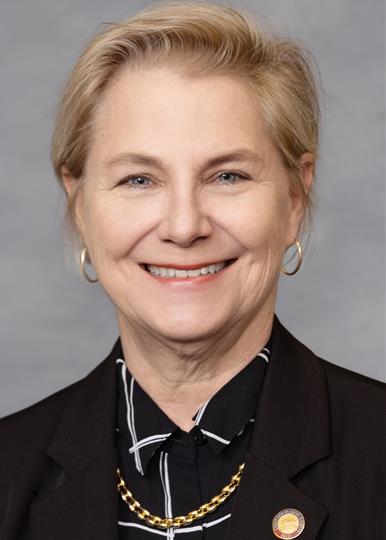
Grant Campbell
Grant Campbell House · District 83
R
Strong +
100% 50
Anna Ferguson
Anna Ferguson House · District 119
R
Strong +
100% 20
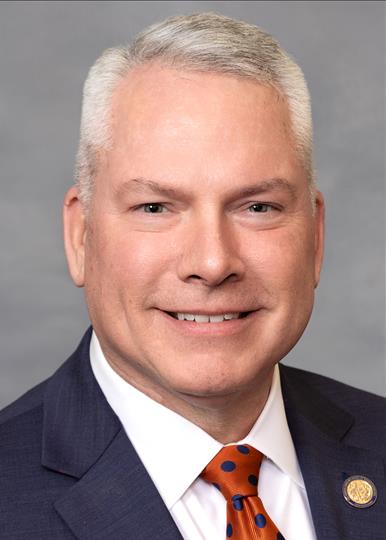
Tim Reeder
Tim Reeder House · District 9
R
Strong +
100% 51
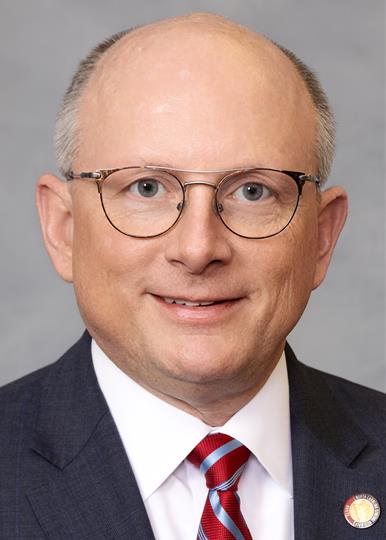
John Bell
John Bell House · District 10
R
Strong +
100% 50
Amanda Cook
Amanda Cook House · District 60
D
Strong −
0% 20
Monika Johnson-Hostler
Monika Johnson-Hostler House · District 33
D
Strong −
8% 52
Marcia Morey
Marcia Morey House · District 30
D
Strong −
8% 52
Phil Rubin
Phil Rubin House · District 40
D
Strong −
8% 51
Deb Butler
Deb Butler House · District 18
D
Strong −
8% 50
Showing 111–120 of 713 bills

All budget & taxes bills

in committee · North Carolina · House Apr 23, 2026

HB 1039: Constitutional Amendment: No Budget No Pay.

This bill proposes a constitutional amendment that would withhold the salaries and allowances of North Carolina General Assembly members if the legislature fails to pass a state budget by June 30. Under the proposed change, legislators would not receive any pay from July 1 until a budget is officially ratified or the current legislative term ends, whichever happens first. The amendment is currently in the process of being submitted to voters for approval at the November 2026 election. If approved by a majority of voters, the rule would become permanent law; if rejected, it will have no effect.
Sub-Topics State Budget
in committee · North Carolina · House May 4, 2026

HB 1145: Safety Funds for Highway 49 and Eastway Drive.

HB 1145 allocates $2.5 million from the Highway Fund to the North Carolina Department of Transportation for the 2026-2027 fiscal year. These funds are designated to upgrade utilities and street infrastructure at the intersection of Highway 49 and Eastway Drive. The primary goal of this project is to improve pedestrian safety at this specific location. The legislation takes effect on July 1, 2026.
in committee · North Carolina · Senate May 4, 2026

SB 967: Budget Requirement for Tax Triggers.

This bill requires the North Carolina General Assembly to adopt a full spending plan before it can lower tax rates. If the state collects more revenue than specific thresholds set for each fiscal year, the income tax rate will automatically decrease by 0.5% or drop to a minimum of 2.49%, whichever is higher. These automatic reductions would take effect in the tax years following the fiscal year in which the revenue targets are exceeded, starting in 2027. The law applies to future tax years through 2034 and uses final revenue figures reported by the Office of State Controller to determine if the trigger is met.
in committee · North Carolina · House May 4, 2026

HB 1181: Property Tax Modifications.

HB 1181 modifies North Carolina's property tax relief programs for seniors and disabled individuals by increasing the income limit for married couples and eliminating deferred tax liability under the homestead circuit breaker. The bill expands eligibility for the circuit breaker to include homeowners earning up to 70% of the area median income and introduces an alternative tax calculation for those who have owned their homes for at least 10 years. Additionally, the legislation appropriates funds to assist counties with property reappraisals and imposes an excise tax on the transfer of controlling interests in entities that hold real property interests.
in committee · North Carolina · Senate Apr 30, 2026

SB 943: Kids Over Corporations Act.

This bill, titled the Kids Over Corporations Act, would stop the scheduled elimination of the corporate income tax in North Carolina and instead set a permanent rate of five percent. It directly affects C corporations operating in the state by requiring them to pay this tax, while S corporations remain exempt from the levy. The law includes a temporary phase-in schedule where the tax rate starts at 2.25% in 2025 and gradually decreases to zero after 2029, though the bill's title suggests a permanent five percent rate. The legislation applies to taxable years beginning on or after January 1, 2026, and aims to ensure corporations contribute to public services funded by state revenue.
in committee · North Carolina · House Apr 22, 2026

HB 1032: Repeal Two Percent Local Grocery Tax.

This bill repeals the authority for North Carolina counties to collect a one percent local sales tax on groceries, effectively exempting food from these local taxes. By removing the option for voters to approve this specific tax, the legislation directly affects county governments and consumers who currently pay this surcharge on food purchases. The change applies to sales made on or after October 1, 2026, and does not alter the existing state sales tax rules.
in committee · North Carolina · Senate Apr 29, 2026

SB 860: Nonprofit Fundraising Sales Tax Exemption.

This bill expands sales tax exemptions in North Carolina for specific nonprofit organizations and adds a new exemption for diapers and incontinence underpads prescribed by Medicaid providers. It clarifies which types of nonprofits, such as hospitals and certain 501(c)(3) groups, qualify for tax-free purchases of goods and services needed for their operations, while explicitly excluding certain utility services and liquor. The legislation also establishes a formal application process requiring nonprofits to obtain an exemption number from the state and imposes liability for back taxes if the exemption number is misused. Additionally, the bill modifies ownership rules for property used by charities and sets annual dollar limits on the total tax exemptions and refunds available to eligible entities.
in committee · North Carolina · House May 4, 2026

HB 1158: Increase Market Rate/Rate Floor/Child Subsidy.

This bill raises child care subsidy rates in North Carolina to the 75th percentile of market costs, directly benefiting low-income families who use state-funded care. Starting in July 2026, the state will automatically update these rates based on future market studies and establish a minimum payment floor for providers in counties where local rates are lower. The legislation appropriates $60 million from the General Fund and $20 million from federal grants to cover the initial increase, with an additional $160 million allocated to maintain the statewide rate floor. While most counties will adopt the new statewide standard, areas with very few children in specific age groups may keep their current rates if the state rate would be too low to secure care for eligible families.
Sub-Topics State Budget Tags Children
died · North Carolina · Senate Apr 30, 2026

SB 907: The Ciji Graham Act.

SB 907, known as the Ciji Graham Act, establishes a new High-Risk Pregnancy Care Navigation Program in North Carolina to assist patients with high-risk pregnancies by providing licensed nurse consultants who help coordinate care and address barriers like transportation and insurance. The bill also creates a statewide pregnancy consultation hotline for healthcare providers and community organizations to offer immediate clinical guidance and referrals, alongside a centralized digital hub containing clinical guidelines and a directory of specialists and facilities. Funded through the state General Fund, these measures aim to improve maternal health outcomes and reduce disparities by ensuring timely access to appropriate medical resources and services.
in committee · North Carolina · House Apr 30, 2026

HB 1120: Financial Effectiveness and Transparency Act.

This bill redirects $6.75 million in state funding from the Carolina Pregnancy Care Fellowship to evidence-based maternal and infant health programs administered by the Department of Health and Human Services. It requires crisis pregnancy centers receiving state funds to submit detailed annual reports on their finances, staffing, and client services, while also mandating that these centers provide free copies of client records upon request. The legislation defines crisis pregnancy centers as nonprofit organizations offering pregnancy care and counseling but excludes facilities that perform abortions. These changes are designed to increase transparency and shift financial support toward specific public health initiatives starting in the 2026-2027 fiscal year.
Showing 111 to 120 of 713 bills
Previous 1 11 12 13 72 Next