Maddy summaryThis resolution expresses support for designating July 10th as Journeyman Lineworkers Recognition Day to honor the workers who maintain the nation's electrical grid. The bill specifically recognizes the dangerous conditions these employees face, such as working at heights near live power lines and responding to disasters like hurricanes and wildfires. It also commemorates Henry Miller, the first president of the International Brotherhood of Electrical Workers, who died on July 10, 1896, while performing his duties. Ultimately, the measure encourages the public to observe this day with reflection on the contributions of lineworkers.
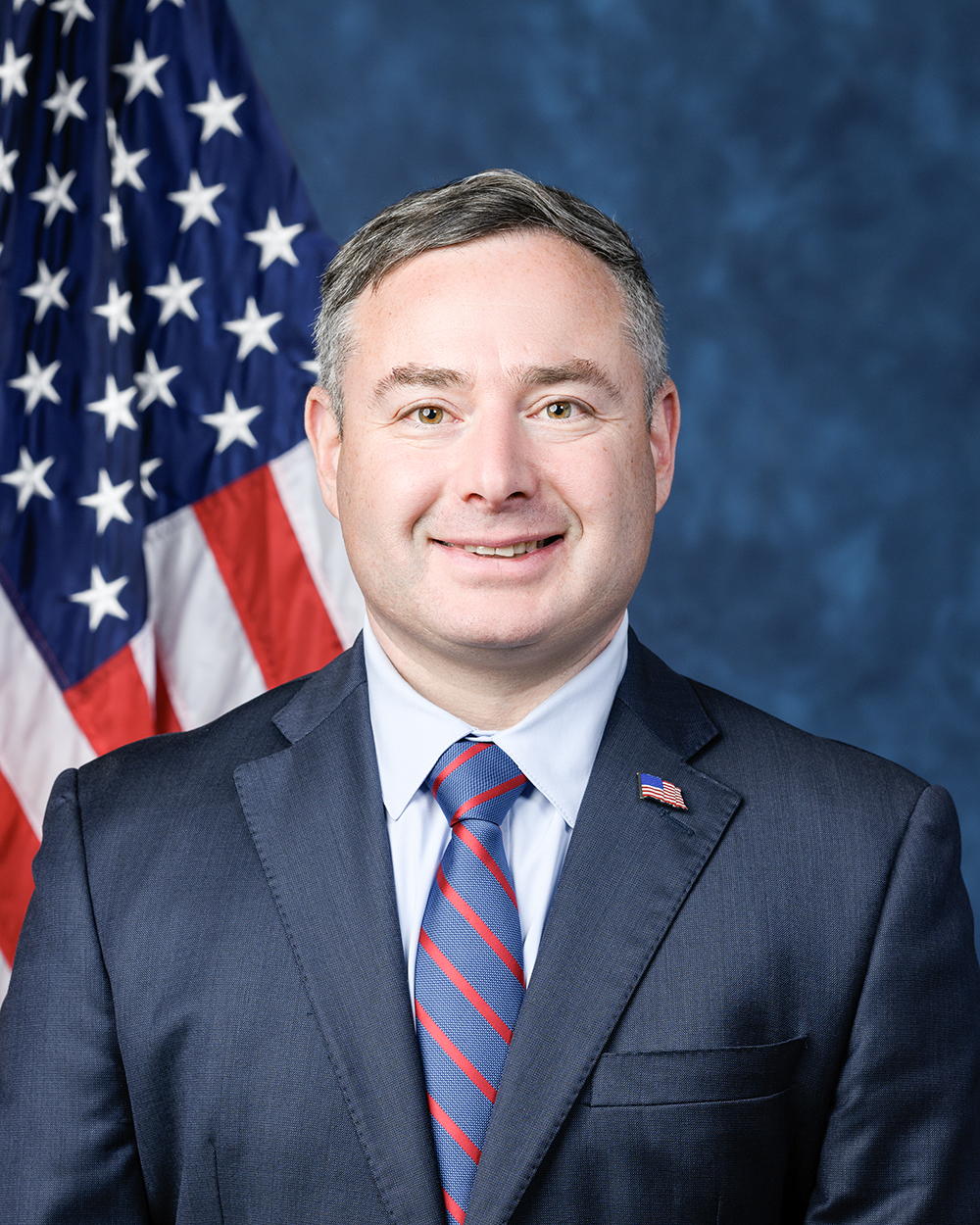
Rep. Eugene Simon Vindman
Sponsored bills
Maddy summaryThis bill requires investment companies and transfer agents to collect contact information for a trusted person when serving "specified adults" (individuals 65+ or with impairments affecting their ability to protect their interests). It allows these entities to temporarily delay cash payments from investments (up to 15 business days, extendable by 10 more days) if they reasonably suspect financial exploitation during a redemption request. The delay period requires written notification to the trusted contact, internal review, and holding funds securely. The bill aims to prevent exploitation by giving companies time to verify situations before releasing funds. It also mandates record-keeping and future SEC reporting on financial exploitation risks.
Maddy summaryThis bill removes the annual limit on the number of pay waivers the Secretary of Veterans Affairs can issue to critical health care workers. Currently, there is a cap on how many times these specific employees can receive temporary pay increases above the standard rate, which this legislation aims to eliminate. By deleting the relevant restriction in the U.S. Code, the measure allows the Department of Veterans Affairs to grant these salary adjustments without a numerical ceiling. The change directly affects VA medical staff and administrators who manage compensation for essential healthcare roles.
Maddy summaryThe Affordable Homes for Veterans Act of 2026 requires lenders to process applications for assuming existing VA home loans within 45 calendar days. This bill also mandates that the Department of Veterans Affairs update its guidance to ensure lenders cannot discourage applicants by suggesting longer wait times. Additionally, the law directs the Office of Inspector General to conduct a comprehensive assessment of current processing speeds and denial rates, with a report due to Congress within 18 months. These measures aim to make the process of taking over a veteran's home loan faster and more transparent for potential buyers.
Maddy summaryThe No Profiting from Public Service Act prohibits federal officials, including Members of Congress, judges, political appointees, and their families, from owning or trading specific financial investments like derivatives and futures. To comply, these individuals must sell or place such assets into a qualified blind trust within 90 days of taking office or acquiring the investment, with an additional restriction preventing them from controlling these trusts for 180 days after leaving office. The law explicitly bans officials from engaging in prediction markets tied to political events and imposes fines equal to 10% of the investment value along with the disgorgement of profits for any violations. Penalties cannot be paid using government funds or campaign contributions, and all fines must be publicly disclosed on a government website.
Maddy summaryThis bill establishes a Strategic Defense Innovation Working Group to facilitate cooperation between the United States and Ukraine on developing and producing unmanned military systems. The group, led by senior U.S. defense officials and including Ukrainian representatives, will identify effective drone technologies used by Ukraine and explore ways to co-develop, co-produce, and acquire them in the United States. Key provisions include creating frameworks for sharing military data and intellectual property, assessing supply chains to avoid reliance on adversarial nations, and reporting regularly to Congress on progress and legal barriers. The initiative aims to accelerate the deployment of proven Ukrainian drone capabilities while ensuring secure and compliant integration into U.S. defense efforts.
Maddy summaryThis bill, known as the Locating Our Unclaimed Veterans Act, directs the Department of Veterans Affairs to create a centralized database for storing information about unclaimed veteran remains received from coroners, state governments, and funeral homes. The system will collect details such as names, fingerprints, estimated age, and other identifiers to help confirm veteran status and identify next of kin, while also allowing the VA to share data with agencies like the FBI and Social Security Administration through formal agreements. The law requires the VA to submit annual reports to Congress for three years detailing how the system was implemented and how many remains were successfully identified, and the entire program is set to expire after three fiscal years.
Maddy summaryThis bill directs the Department of Veterans Affairs to raise disability compensation and survivor benefits starting December 1, 2026. The increases will match the percentage adjustment applied to Social Security benefits for that same period. Specifically, the law covers payments for wartime disabilities, clothing allowances, and financial support for surviving spouses and children. The Department must publish the new dollar amounts in the Federal Register once the Social Security adjustments are finalized.
Maddy summaryThe Veterans STAND Act requires the Department of Veterans Affairs to provide annual preventative health assessments to veterans with spinal cord injuries or disorders. These assessments cover risks for health complications, chronic pain management, dietary needs, prosthetic equipment, and access to assistive technologies like spinal cord neuromodulation devices. The VA must consult with medical specialists and device manufacturers when creating guidelines and submit yearly reports to Congress on veterans' use of these services and devices. This policy directly affects veterans with spinal cord injuries by ensuring regular, tailored health evaluations to improve long-term management and independence.
Maddy summaryThe WINGS Act directs the Department of Veterans Affairs to conduct a long-term study on the brain and mental health impacts of military aviation, specifically focusing on high-performance flight and G-force exposure. It requires examining links between flight hours, G-forces, and conditions like traumatic brain injury, depression, PTSD, and neurodegenerative diseases among military aviators. The bill mandates creating a centralized, anonymized health registry for participating aviators to track flight exposure and health outcomes over time. This study must produce interim and final reports to Congress within one and three years of enactment, directly affecting current and former military pilots and aircrew who operated aircraft like fighter jets, trainers, or tiltrotors.