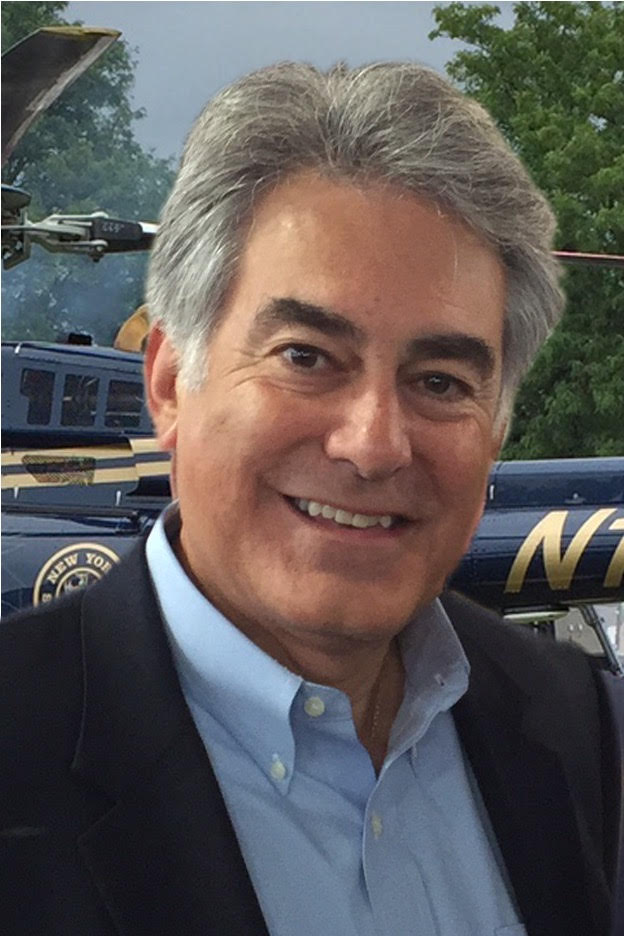
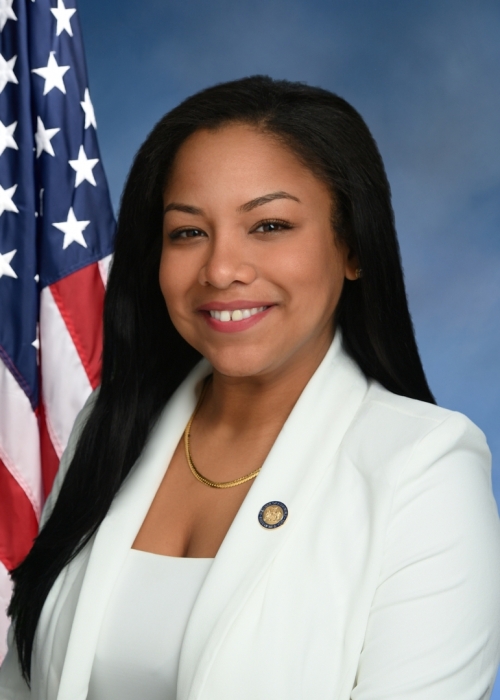
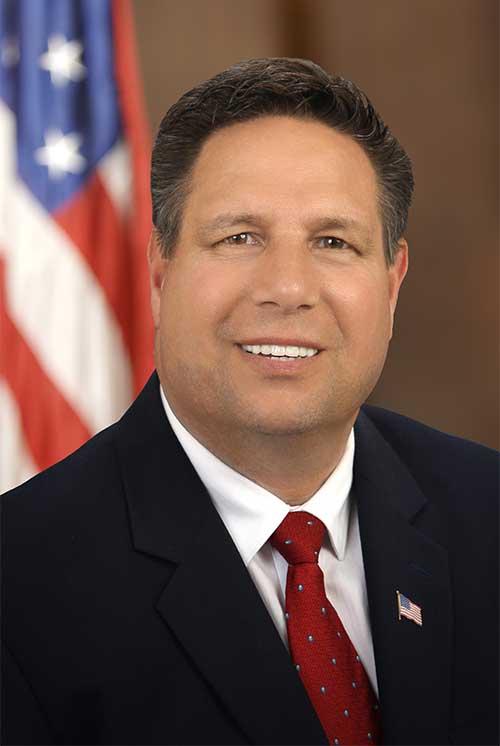
Key legislators
Who's moving technology in New York
Showing 11–15 of 15
bills
All technology bills
Aligns state and local procurement laws with federal law prohibiting the procurement of certain technology and electronic parts or products which are determined to pose a risk to state and national security; relates to the authority of the office of information technology services to issue certain guidance relating thereto.
This bill prohibits employers - including businesses, state agencies, and political subdivisions - from using an applicant's or employee's credit history for hiring, firing, or licensing decisions. It defines "employer" broadly to cover all entities with employees, including the state. The only exception allows credit checks for high-trust positions (e.g., government roles requiring public trust) if specifically approved by a state commission. This replaces prior legislation that had similar restrictions but different wording.
Bill A 4944 prohibits individuals from operating uncrewed aircraft, such as drones, over school grounds or specific critical infrastructure facilities in New York. It bans drones from hovering or remaining above these areas at altitudes below 250 feet, or from making contact with anything within their boundaries. Critical infrastructure includes fenced or clearly marked facilities like power plants, refineries, and water treatment plants. Exceptions apply to government agencies, law enforcement, or those with prior written consent, as well as drones continuously flying through at 250 feet or higher. Violations can result in misdemeanor charges.
Aligns state and local procurement laws with federal law prohibiting the procurement of certain information and communications technology and electronic parts or products which are determined to pose a risk to state and national security.
The RAISE Act establishes safety requirements for developers of powerful artificial intelligence models, known as "frontier models." A frontier model is defined as one trained with over 10^26 computational operations (costing more than $100 million) or a distilled version costing over $5 million. Large developers must implement documented safety protocols to prevent "critical harm," defined as events causing death, serious injury to 100+ people, or $1 billion in damages from AI misuse. The bill also defines key terms like "safety incident" and outlines remedies for violations, focusing on risk mitigation rather than restricting AI development.