S 6953 New York Senate · 2025 Regular Session

Relates to the training and use of artificial intelligence frontier models

The RAISE Act establishes safety requirements for developers of powerful artificial intelligence models, known as "frontier models." A frontier model is defined as one trained with over 10^26 computational operations (costing more than $100 million) or a distilled version costing over $5 million. Large developers must implement documented safety protocols to prevent "critical harm," defined as events causing death, serious injury to 100+ people, or $1 billion in damages from AI misuse. The bill also defines key terms like "safety incident" and outlines remedies for violations, focusing on risk mitigation rather than restricting AI development.
Bill status signed all 5 stages cleared
Introduction
Mar 2025
Committee Review
Jun 2025
Senate Passage
Jun 2025
Assembly Passage
Jun 2025
Signed into Law
Dec 2025
Introduced Mar 27, 2025 Signed Dec 19, 2025
Maddy AI version diff · 2 comparisons

What changed between versions

S6953A S6953B · 6 edits
MODERATE
The bill was amended to add new sponsors and strengthen oversight by recommitting it to committee for further review. Key substantive changes include expanding the definition of 'frontier models' to cover smaller models created through knowledge distillation, tightening liability rules for harm caused by AI systems, and clarifying what constitutes 'appropriate redactions' in safety reports.
Scope change
The bill's scope was expanded to include smaller AI models produced through knowledge distillation, provided they meet a five million dollar compute cost threshold, in addition to the original one hundred million dollar threshold for frontier models.
DEFINITION

Added a new provision to the 'frontier model' definition requiring that models created through knowledge distillation must exceed five million dollars in compute costs to qualify.

Changed 'appropriate redactions' to apply only to 'safety and security protocol' rather than 'safety and security protocol or audit report', narrowing the scope of redactions allowed.

Modified the 'critical harm' definition to remove 'creation' of frontier models from the list of developer activities that could cause harm, and changed 'limited human intervention' to 'no meaningful human intervention' for AI conduct crimes.

Expanded the 'critical harm' causation standard to require that developer activities were a 'substantial factor' in bringing about harm, with additional requirements about foreseeability and preventability.

ELIGIBILITY

Added new sponsors to the bill including Sens. BAILEY, BORRELLO, HOYLMAN-SIGAL while removing Sens. ER, LIU, MAYER, PALUMBO, SALAZAR from the original list.

REQUIREMENT

Changed the bill's procedural status from being discharged and amended to being discharged, amended, reprinted as amended, and recommitted to the committee for further consideration.

Floor votes · Senate Jun 12, 2025 · Assembly Jun 12, 2025

How they voted

581
Passed · 4 other
Total votes 63
Jun 12, 2025
D Democratic41
37 Yea 1 Nay 3
90% Yea
R Republican22
21 Yea 1
95% Yea
Vote distribution
All Yea All Nay Mixed No data
Full legislative history

Actions timeline

Total actions
17
Key actions
7
Committee
3
Amendments
4
Dec 19, 2025
Signed into law
SIGNED CHAP.699
upper
Jun 12, 2025
Lower · Passed
PASSED ASSEMBLY
lower
Jun 12, 2025
Committee
REFERRED TO WAYS AND MEANS
lower
Jun 12, 2025
Upper · Passed
PASSED SENATE
upper
Jun 12, 2025
Committee
COMMITTEE DISCHARGED AND COMMITTED TO RULES
upper
Jun 9, 2025
Upper · Passed
PRINT NUMBER 6953B
upper
Jun 9, 2025
Upper · Passed
AMEND AND RECOMMIT TO INTERNET AND TECHNOLOGY
upper
Jun 3, 2025
Upper · Passed
PRINT NUMBER 6953A
upper
Jun 3, 2025
Upper · Passed
AMEND AND RECOMMIT TO INTERNET AND TECHNOLOGY
upper
Mar 27, 2025
Committee
REFERRED TO INTERNET AND TECHNOLOGY
upper
1 primary · 16 co-sponsors

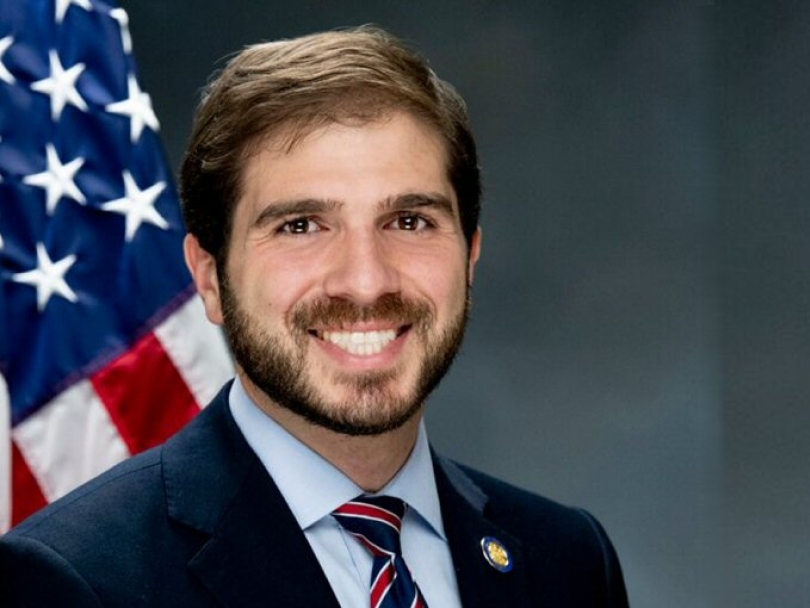
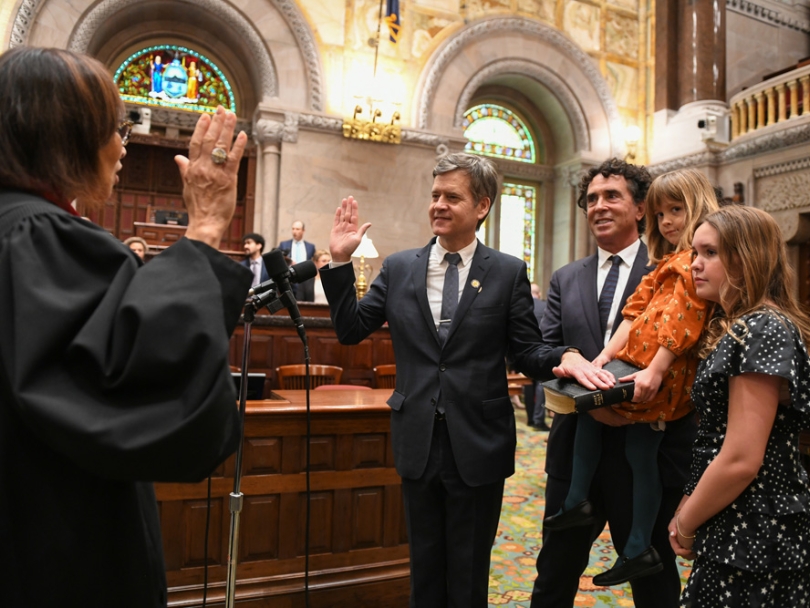
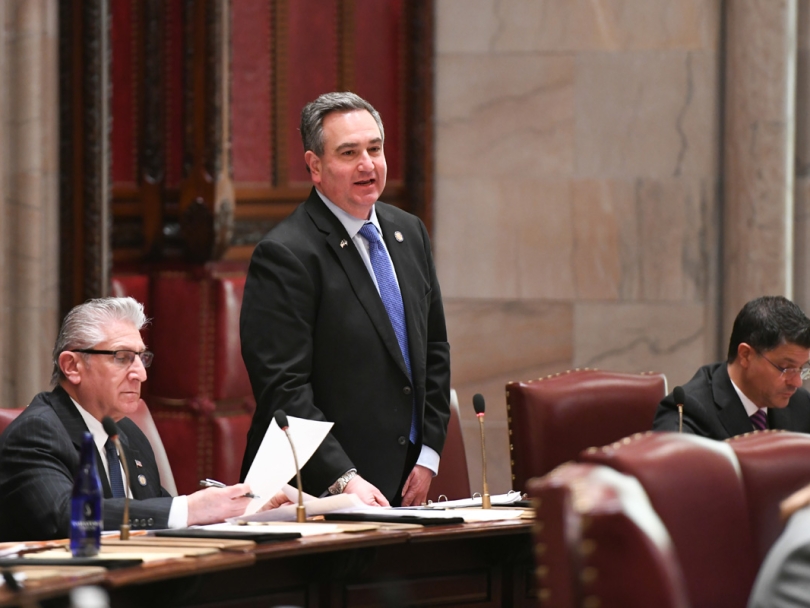
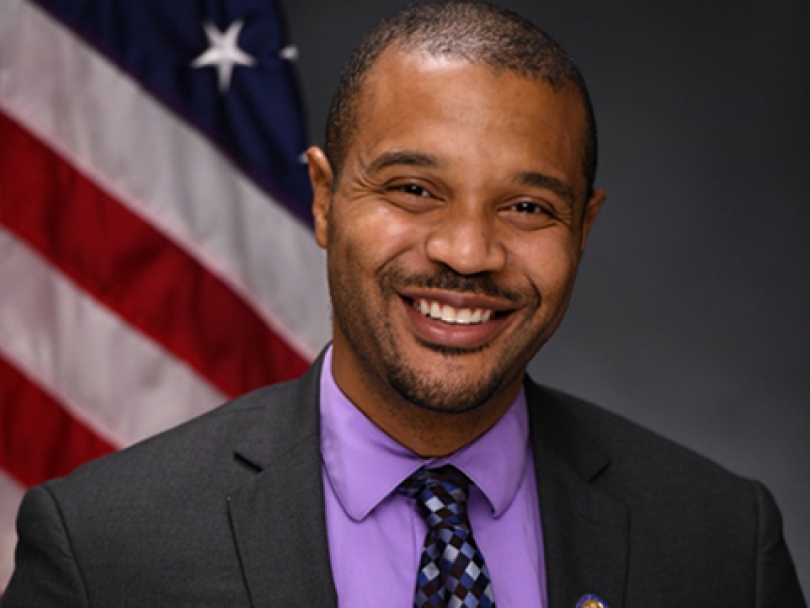
Sponsors