Issue · Healthcare

Healthcare (Public Health)

Every healthcare bill, vote, and legislator stance in New York, automatically classified by Maddy, our AI policy reader.

Total bills
163
2025 Regular Session
Top supporter
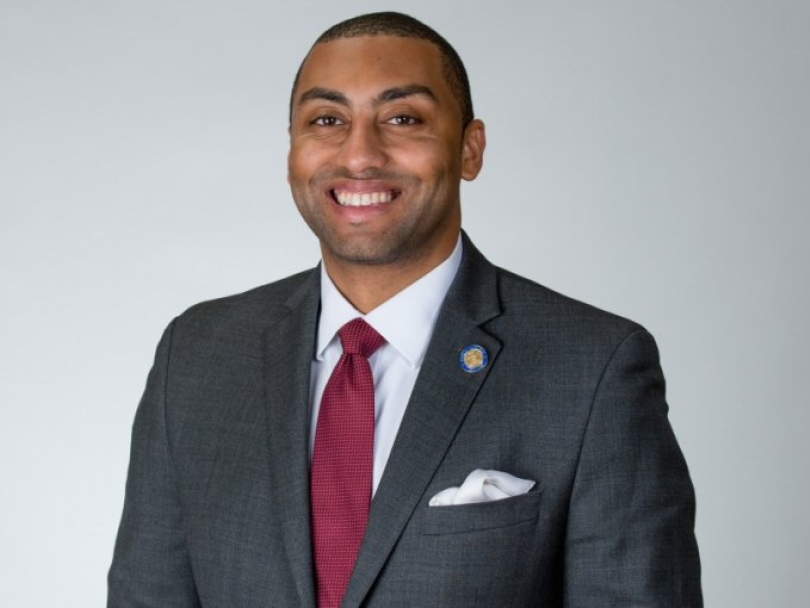
Jamaal Bailey
100% support rate
Top opponent
Rob Ortt
0% support rate
Ranked legislators
10
5 support · 5 oppose
Key legislators

Who's moving public health in New York

Legislators moving public health in New York
Legislator Party Stance Support rate Decisive votes
Jamaal Bailey
Jamaal Bailey Senate · District 36
D
Strong +
100% 23
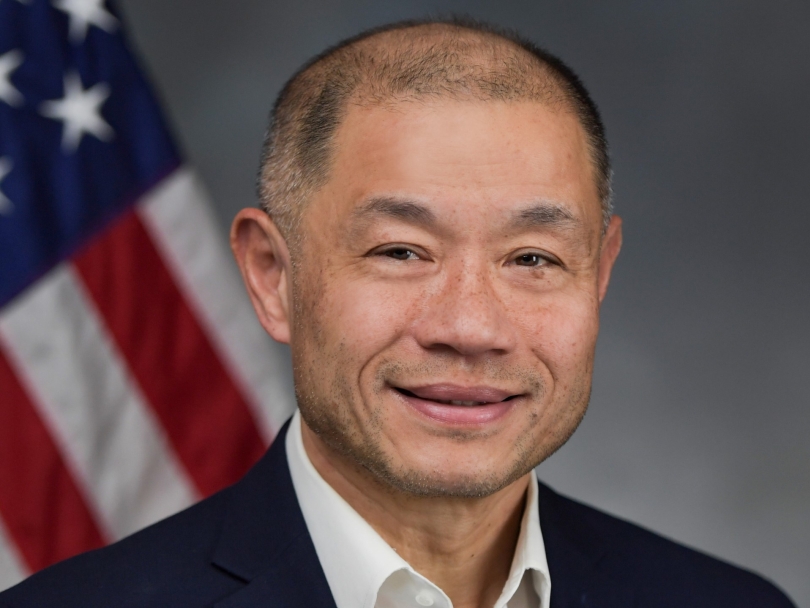
John Liu
John Liu Senate · District 16
D
Strong +
100% 22
Leroy Comrie
Leroy Comrie Senate · District 14
D
Strong +
100% 22
Luis Sepúlveda
Luis Sepúlveda Senate · District 32
D
Strong +
100% 22
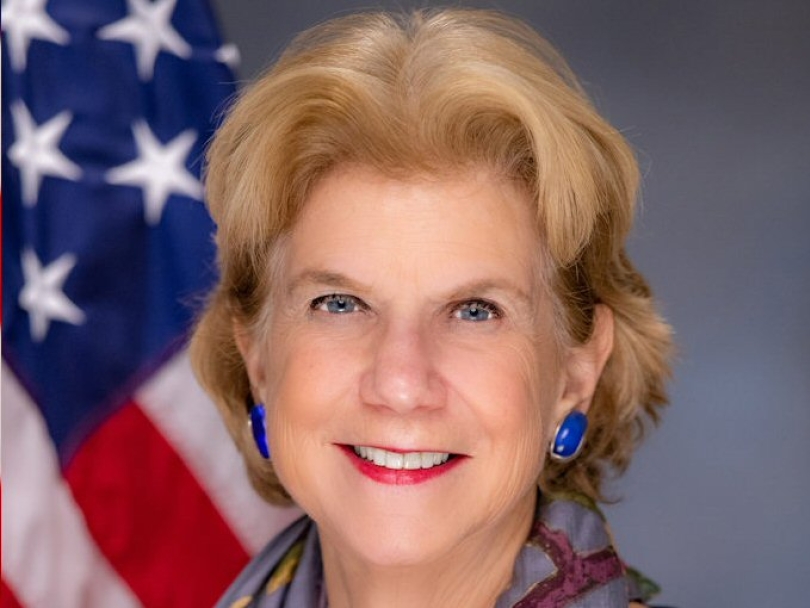
Shelley Mayer
Shelley Mayer Senate · District 37
D
Strong +
100% 22
Rob Ortt
Rob Ortt Senate · District 62
R
Strong −
0% 21
Joe Griffo
Joe Griffo Senate · District 53
R
Strong −
10% 20
Mark Walczyk
Mark Walczyk Senate · District 49
R
Strong −
11% 19
Tom O'Mara
Tom O'Mara Senate · District 58
R
Strong −
14% 22
Alexis Weik
Alexis Weik Senate · District 8
R
Strong −
16% 19
Showing 111–120 of 163 bills

All healthcare bills

in committee · New York · Assembly Apr 30, 2026

A 645: Authorizes the presence of epinephrine auto-injector devices on pre-school premises

This bill allows preschool facilities in New York to keep epinephrine auto-injectors (devices for treating severe allergic reactions) on-site. It directly affects preschools and their staff by authorizing these facilities to have the devices available without needing prior individual prescriptions for each child. The key mechanism adds "pre-school facilities" to a list of authorized locations under public health law, alongside schools, camps, and other entities already permitted to maintain such devices. The policy change focuses on making emergency allergy treatment accessible at preschools, without requiring specific staff training or mandating device use.
Sub-Topics Public Health
in committee · New York · Senate Jan 7, 2026

S 5589: Provides public access to epinephrine auto-injector devices at schools

This bill requires all New York schools - including public, charter, and non-public elementary and secondary schools - to maintain and properly test epinephrine auto-injectors for emergency use during severe allergic reactions. It designates school districts and schools as "public access epinephrine auto-injector device providers" under public health law, mandating they post clear signs showing device locations, notify regional health councils of device locations, and follow manufacturer and government maintenance standards. The law directly affects students, staff, and visitors at all covered schools by ensuring immediate access to life-saving treatment during allergic emergencies. The policy takes effect 90 days after enactment, with no cost or funding mechanisms specified in the bill text.
Sub-Topics Public Health
passed both · New York · Assembly Jun 1, 2026

A 9168: Relates to reporting on food security trends

This bill requires New York's Department of Public Health to annually report on food security trends at the county level. It directs the department to include the USDA's standard six-item food security survey in its existing health tracking system and publicly post the results online each year. The law directly affects New York residents by creating a state-level tracking system to monitor food insecurity, replacing the discontinued federal USDA report. This provides lawmakers and community organizations with updated, localized data to inform decisions about nutrition assistance programs and resource allocation.
Sub-Topics Public Health
in committee · New York · Assembly Jan 7, 2026

A 153: Enacts the "total access to menstrual products (TAMP) act"

The "Total Access to Menstrual Products (TAMP) Act" requires all female-designated and gender-neutral bathrooms in New York to provide free menstrual products - including sanitary napkins, tampons, and panty liners - to users. It directly affects workplaces (factories, mines, offices), public facilities (county/city buildings, state universities), hospitals, hotels, and transportation (railroad cars), mandating these products be available at no cost. Key provisions amend labor, public health, and municipal laws to standardize this requirement across all covered facilities. The law focuses on ensuring accessibility without cost, avoiding policy speculation or advocacy.
Sub-Topics Public Health
in committee · New York · Senate Jan 7, 2026

S 2661: Includes senior citizens as vulnerable populations eligible for supportive housing

This bill amends New York's public health law to explicitly include senior citizens (defined as 62+ years old) as a vulnerable population eligible for supportive housing programs. It requires that funding and housing development initiatives specifically address the needs of seniors, with grant applications and allocations prioritizing accessible housing and services for this group. The policy change ensures seniors are formally recognized in eligibility criteria for housing support, directing state funds toward their housing stability and community-based services.
in committee · New York · Senate Jan 7, 2026

S 4720: Adds services delivered to individuals with developmental disabilities to the requirement that telehealth services be reimbursed at the applicable in person rates or fees regardless of location

Adds services delivered, to individuals with developmental disabilities and traumatic brain injury, through a facility licensed under article twenty-eight of the public health law, to the requirement that telehealth services be reimbursed at the applicable in person rates or fees regardless of the location of the patient or the clinician.
passed · New York · Senate Feb 5, 2026

S 1619: Allows a licensed pharmacist to order and administer certain tests

This bill allows licensed pharmacists to order and administer specific medical tests, including COVID-19, flu, RSV, strep throat, HbA1c, hepatitis C, and HIV tests, all authorized by the FDA. It directly affects pharmacists (expanding their clinical role) and patients (increasing access to convenient testing). The law requires tests to meet FDA authorization and federal "waiver" requirements, aligning pharmacists with qualified health professionals under existing public health law. The bill modifies prior 2022 legislation but includes a sunset provision, with most provisions set to expire on July 1, 2028.
Sub-Topics Public Health
in committee · New York · Assembly Sep 8, 2025

A 3362: Relates to insurance coverage for pediatric acute-onset neuropsychiatric syndrome

This bill requires health insurance plans to cover rehabilitation services for children diagnosed with pediatric acute-onset neuropsychiatric syndrome (PANS) when a doctor certifies the treatment is medically necessary. It directly affects children with PANS and all health insurance providers offering coverage in New York, including group plans. The law mandates coverage without requiring prior authorization beyond a physician's written certification of medical necessity. The bill references the definition of PANS from Public Health Law §207, ensuring consistent application across all health plans.
passed · New York · Assembly Apr 22, 2026

A 2078: Requires the immunization of certain post-secondary students against hepatitis B

This bill updates public health law to require hepatitis B vaccination for certain post-secondary students, adding it to existing immunization mandates for measles, mumps, and rubella. It specifies that required vaccines must meet U.S. public health standards and state health department approval. The law takes effect July 1st following enactment and directly affects students at colleges and universities in the state. The change modifies existing public health regulations without creating new programs or funding.
Sub-Topics Public Health
in committee · New York · Senate Jan 7, 2026

S 4348: Relates to requiring hospitals to provide forms in Punjabi

This bill requires hospitals in New York to provide medical forms and printed health information in Punjabi when a patient requests it. It directly affects hospitals (all facilities covered under public health law) and patients who need materials in Punjabi. The key provision mandates translation of any form given to or signed by a patient upon their request. The law takes effect 90 days after enactment. It does not apply to all forms universally, only when a patient specifically asks for Punjabi translation.
Sub-Topics Public Health
Showing 111 to 120 of 163 bills
Previous 1 … 11 12 13 … 17 Next