Issue · Criminal Justice

Criminal Justice (Domestic Violence)

Every criminal justice bill, vote, and legislator stance in New York, automatically classified by Maddy, our AI policy reader.

Total bills
99
2025 Regular Session
Top supporter
Gustavo Rivera
100% support rate
Top opponent
George Borrello
0% support rate
Ranked legislators
10
5 support · 5 oppose
Key legislators

Who's moving domestic violence in New York

Legislators moving domestic violence in New York
Legislator Party Stance Support rate Decisive votes
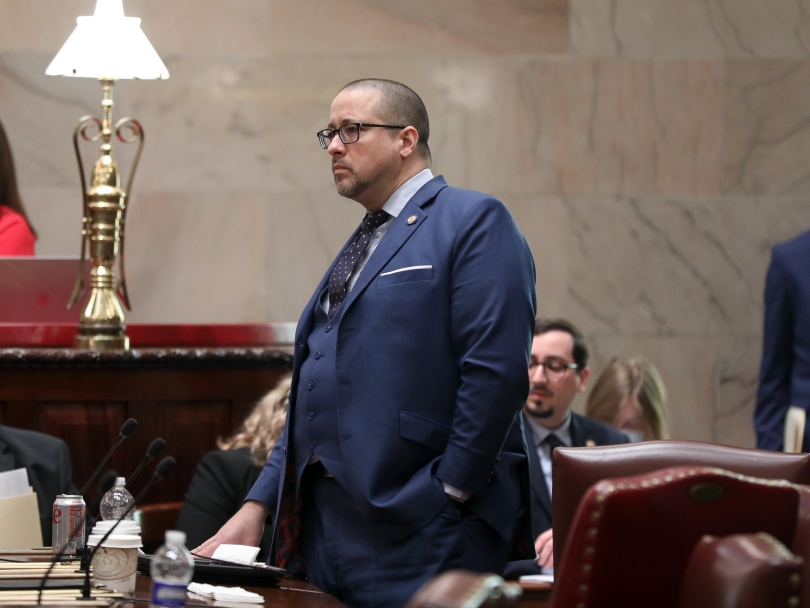
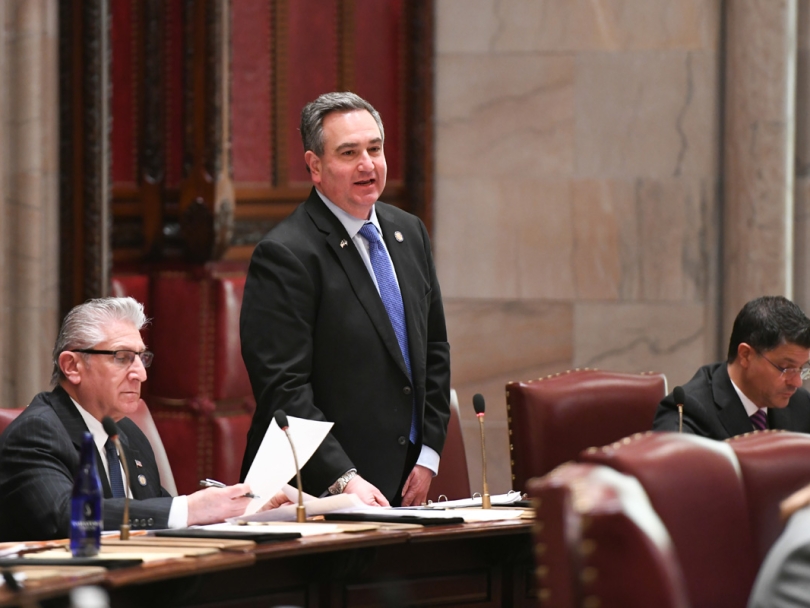
Gustavo Rivera
Gustavo Rivera Senate · District 33
D
Strong +
100% 10
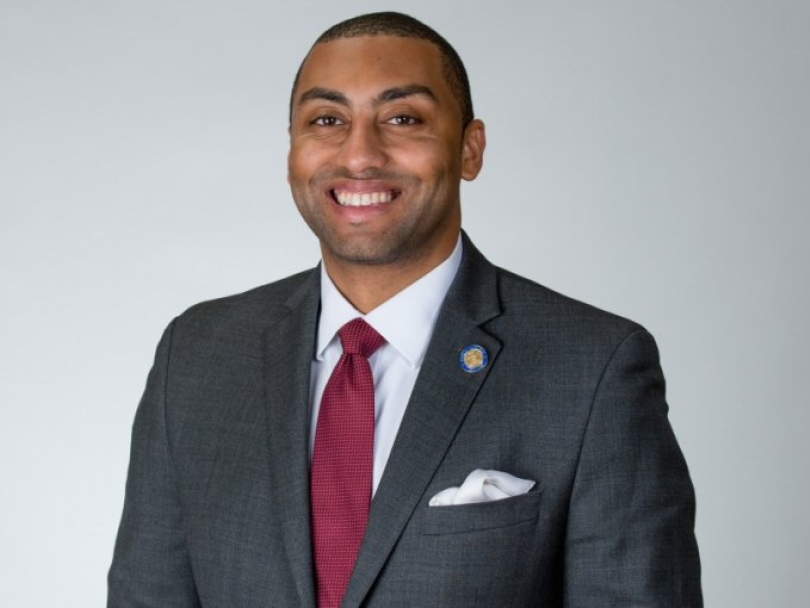
Jamaal Bailey
Jamaal Bailey Senate · District 36
D
Strong +
100% 10
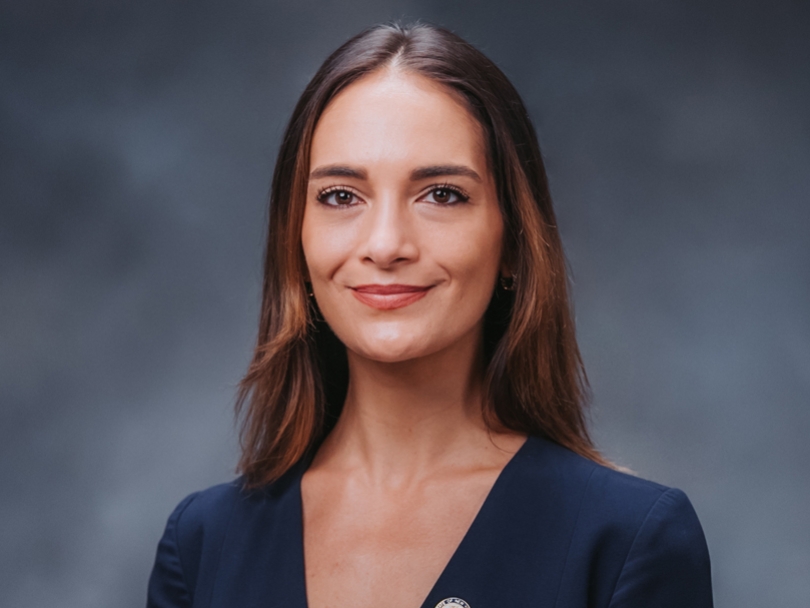
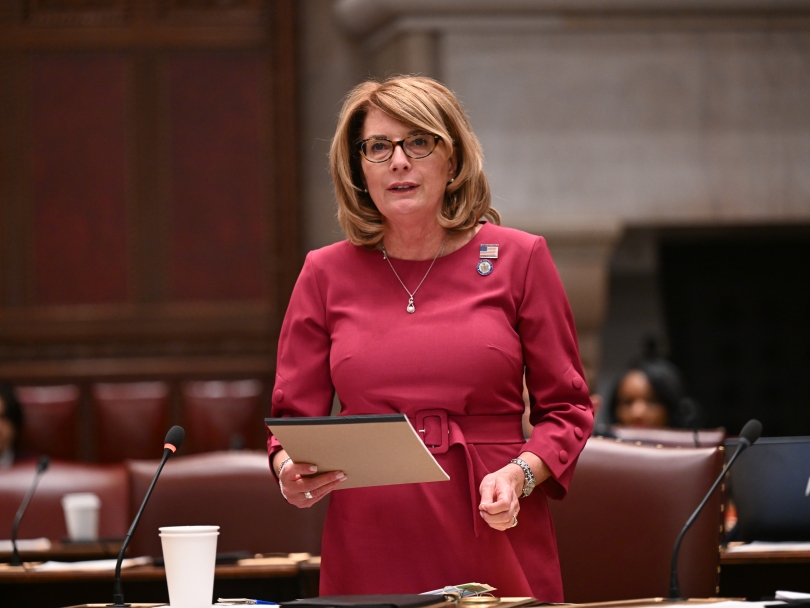
Julia Salazar
Julia Salazar Senate · District 18
D
Strong +
100% 10
Luis Sepúlveda
Luis Sepúlveda Senate · District 32
D
Strong +
100% 10
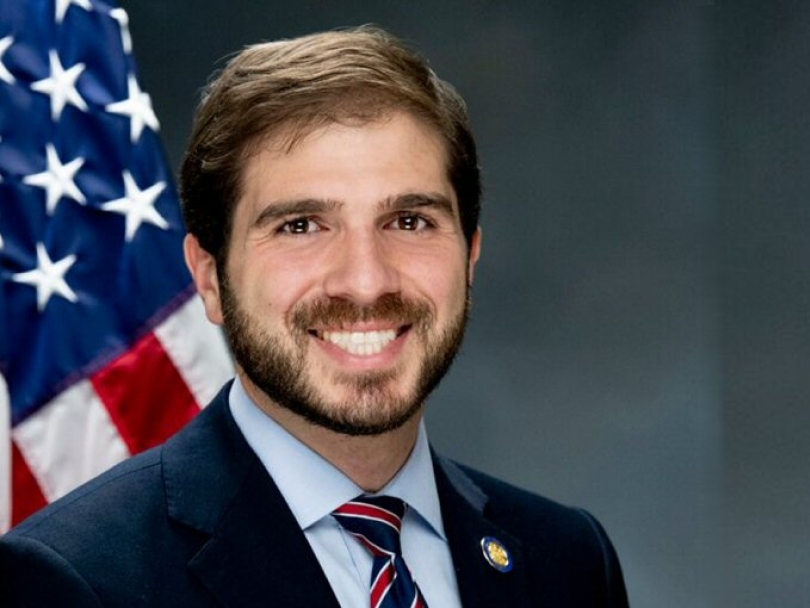
Andrew Gounardes
Andrew Gounardes Senate · District 26
D
Strong +
100% 9
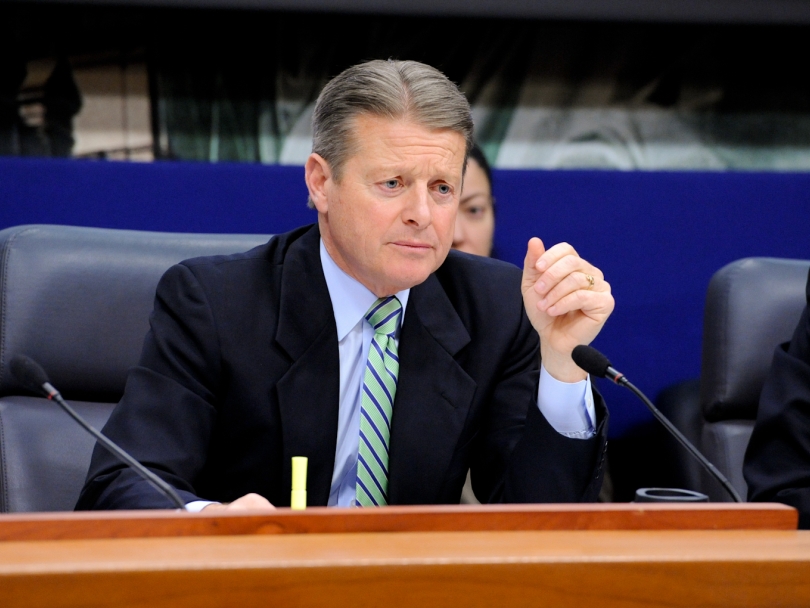
George Borrello
George Borrello Senate · District 57
R
Strong −
0% 9
Joe Griffo
Joe Griffo Senate · District 53
R
Strong −
0% 9
Pam Helming
Pam Helming Senate · District 54
R
Strong −
0% 9
Patrick Gallivan
Patrick Gallivan Senate · District 60
R
Strong −
0% 9
Tom O'Mara
Tom O'Mara Senate · District 58
R
Strong −
0% 9
Showing 61–70 of 99 bills

All criminal justice bills

in committee · New York · Assembly Jan 7, 2026

A 2723: Repeals the sunset on certain provisions related to arrests in situations involving certain family offenses

This bill repeals an expiration date (sunset) for specific arrest provisions related to family offenses under New York's domestic violence law. It directly affects domestic violence victims and law enforcement by making current arrest protocols permanent, removing the automatic end date of September 1, 2025. The key mechanism is simply removing the sunset clause from the 1994 Family Protection and Domestic Violence Intervention Act, ensuring these arrest rules remain in effect indefinitely. No new requirements or changes to arrest procedures are introduced.
Sub-Topics Domestic Violence
in committee · New York · Assembly Jan 7, 2026

A 5222: Allows lifetime orders of protection in certain cases

This bill amends New York's criminal procedure law to allow courts to issue lifetime orders of protection in specific cases. It directly affects victims of domestic violence where the respondent is convicted of certain felonies, including those under Penal Law articles 120, 125, 130, 135, or 263, or specific sections (255.25-255.27), or attempts to commit such felonies. The key provision changes the maximum duration for protection orders in these felony cases from fixed terms (e.g., 8 years) to "the lifetime of the defendant or the victim, whichever is shorter." This applies when courts enter protection orders following sentencing for qualifying offenses, without altering existing rules for misdemeanors or other offenses.
in committee · New York · Assembly Jan 7, 2026

A 8054: Requires police officer training programs on interacting with individuals who are a part of a sexual orientation and/or gender minority

This bill requires all police and peace officers in New York to complete mandatory training on interacting with LGBTQ+ individuals. It mandates that training programs - developed with input from LGBTQ+ officers and community members - cover topics like terminology, historical context, creating inclusive workplaces, and responding to hate crimes or domestic violence involving LGBTQ+ people. The training must address the differences between sexual orientation and gender identity, including how these relate to race, culture, and religion. The law takes effect April 1, 2026, and requires the municipal police training council to implement necessary rule changes by then.
in committee · New York · Assembly Jan 7, 2026

A 9061: Relates to creating the crime of aggravated harassment of a survivor of domestic violence or sexual assault

This bill creates a new felony offense for harassing someone specifically because the harasser believes the person is a survivor of domestic violence or sexual assault. It directly affects survivors of these crimes by adding a targeted legal protection against harassment that exploits their trauma. The key provision makes it a class E felony (punishable by up to four years in prison) to commit "aggravated harassment" with the belief or perception that the victim is a survivor. The law would take effect November 1, 2025, if passed.
in committee · New York · Senate Jan 7, 2026

S 1753: Relates to establishing Bella's Law, which correlates animal abuse with domestic violence

S 1753, "Bella's Law," requires New York's Office of Children and Family Services to investigate potential domestic violence when someone is accused of or under investigation for animal abuse. It directly affects individuals accused of animal abuse crimes (such as cruelty, abandonment, or harming service animals) and mandates law enforcement to notify child services during such cases. The law creates a mechanism where police must coordinate with child services to determine if animal abuse is linked to domestic violence, requiring a formal investigation and documentation via domestic incident reports. This applies to all animal abuse accusations in New York starting from the law's effective date.
failed · New York · Assembly Jan 7, 2026

A 5579: Relates to acts of domestic violence committed in the presence of children

Bill A 5579 establishes a new Class E felony offense for individuals who commit acts of domestic violence in the presence of a child aged 15 years or less. It defines "domestic violence crime" as intentionally committing a specified offense, such as various degrees of assault, menacing, or sexual abuse, against a member of the same family or household. The bill specifies who qualifies as a family or household member for these purposes. Any sentence imposed for this new felony would be served consecutively to the sentence for the underlying domestic violence offense.
in committee · New York · Assembly Jan 7, 2026

A 3317: Relates to the creation of Melinda's Law in relation to the basis for removal of children

Melinda's Law protects non-abusive parents who report domestic violence from losing custody of their children. It requires courts to consider whether a parent reported abuse before removing children, treating them as "not at fault" if they reported it and are not neglectful. The law prevents abusers from threatening to have children taken away as leverage to control the non-abusive parent. It applies to cases where domestic violence - defined to include emotional, psychological, or physical abuse - has occurred, with specific court procedures to verify reports. This directly affects parents in domestic violence situations seeking to report abuse without fear of child removal.
in committee · New York · Senate Jan 7, 2026

S 4789: Relates to training requirements for attorneys appointed to represent a child in certain proceedings

This bill requires attorneys appointed to represent children in family court proceedings to complete specific training. It mandates 6 hours of initial training and ongoing training covering juvenile delinquency law, domestic violence dynamics, and its impact on children - particularly regarding custody, visitation, and child support. Training programs must be developed with input from the State Office for the Prevention of Domestic Violence and approved by the Office of Court Administration. The bill also encourages public defender offices to offer state-bar-approved training on juvenile delinquency for continuing legal education credit. It directly affects all attorneys representing children in these court cases.
in committee · New York · Senate Jan 7, 2026

S 7396: Relates to the investigation of suspicious deaths and domestic violence

Requires investigation and autopsy of suspicious deaths where the deceased individual had an identifiable history of being victimized by domestic violence.
Sub-Topics Domestic Violence
in committee · New York · Assembly Mar 12, 2026

A 5606: Prohibits discrimination against any individual with an actual or perceived status as a victim of domestic violence, a sex offense, or stalking

Prohibits discrimination against any individual with an actual or perceived status as a victim of domestic violence, a sex offense, or stalking; requires training on discrimination against individuals with an actual or perceived status as a victim of domestic violence, a sex offense, or stalking.
Showing 61 to 70 of 99 bills
Previous 1 … 6 7 8 … 10 Next