Issue · Criminal Justice

Criminal Justice (Violent Crime)

Every criminal justice bill, vote, and legislator stance in New York, automatically classified by Maddy, our AI policy reader.

Total bills
71
2025 Regular Session
Top supporter
Julia Salazar
100% support rate
Top opponent
Patrick Gallivan
0% support rate
Ranked legislators
9
5 support · 4 oppose
Key legislators

Who's moving violent crime in New York

Legislators moving violent crime in New York
Legislator Party Stance Support rate Decisive votes
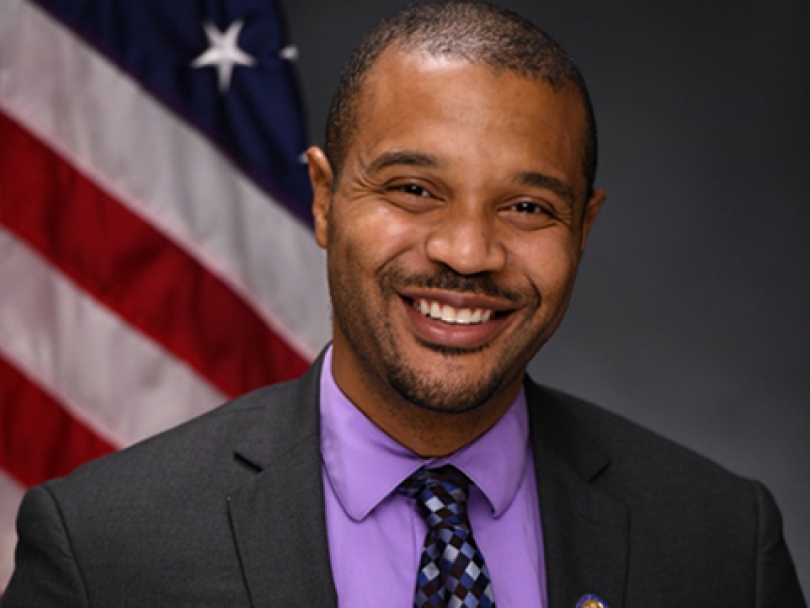
Julia Salazar
Julia Salazar Senate · District 18
D
Strong +
100% 6
Luis Sepúlveda
Luis Sepúlveda Senate · District 32
D
Strong +
100% 6
Jabari Brisport
Jabari Brisport Senate · District 25
D
Strong +
100% 5
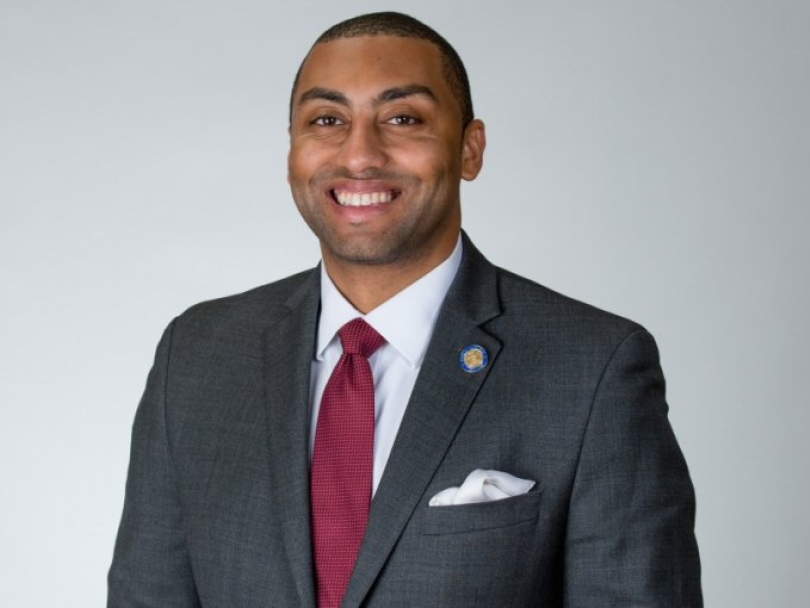
Jamaal Bailey
Jamaal Bailey Senate · District 36
D
Strong +
83% 6
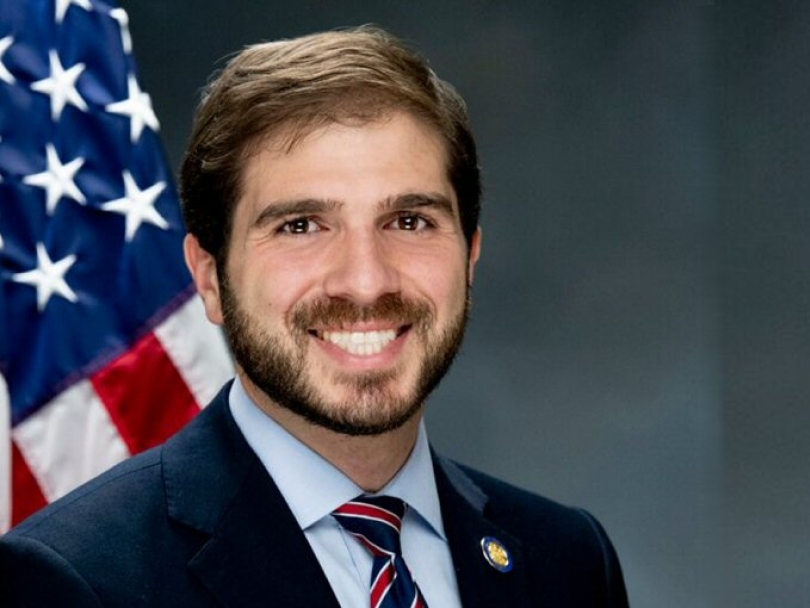
Andrew Gounardes
Andrew Gounardes Senate · District 26
D
Strong +
80% 5
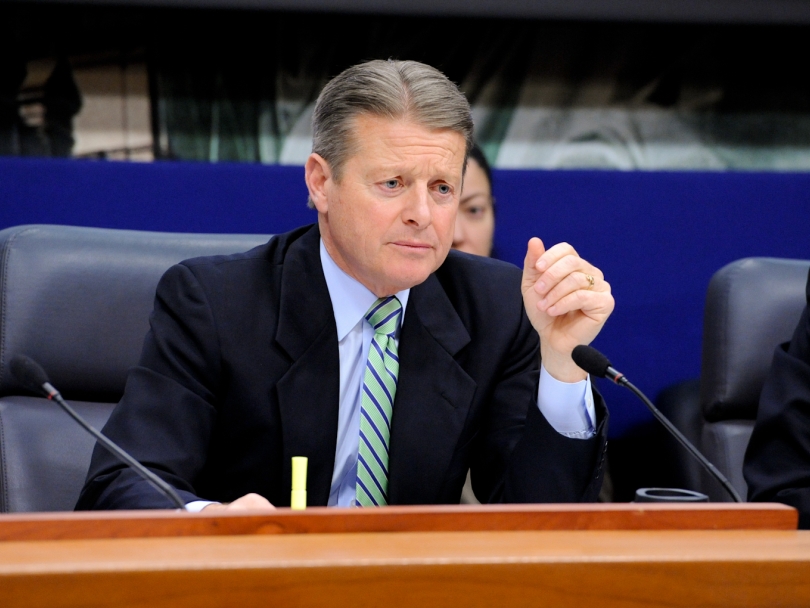
Patrick Gallivan
Patrick Gallivan Senate · District 60
R
Strong −
0% 5
Tom O'Mara
Tom O'Mara Senate · District 58
R
Strong −
0% 5
Tony Palumbo
Tony Palumbo Senate · District 1
R
Strong −
0% 5
Dean Murray
Dean Murray Senate · District 3
R
Strong −
20% 5
Showing 61–70 of 71 bills

All criminal justice bills

in committee · New York · Assembly Jan 7, 2026

A 8993: Increases penalties for assaulting, stalking, or harassing an elected official

This bill increases criminal penalties for assaulting, stalking, or harassing elected officials in New York State. It specifically targets acts causing serious injury to officials (including local leaders like town board or school board members) or threatening their safety, making these offenses felonies with higher penalties. Assault becomes a class C felony, aggravated assault a class B felony, stalking a class D felony, and certain harassment a class E felony. These changes apply to anyone who intentionally harms an official or their immediate family while they perform public duties.
in committee · New York · Senate Jan 7, 2026

S 2576: Relates to the definition of person for the purposes of homicide

S 2576 amends New York's criminal code to define "person" in homicide cases as a living, born human being. This change, named "Mya's law," specifies that only individuals who have been fully born and are alive qualify as homicide victims under the law. The bill takes immediate effect upon enactment. It directly affects how homicide charges are applied, particularly in cases involving infants or unborn individuals.
Sub-Topics Violent Crime
in committee · New York · Senate Jan 7, 2026

S 283: Designates offenses against law enforcement officers as hate crimes and makes graffiti a hate crime

This bill (S 283) reclassifies attacks against law enforcement officers and graffiti as hate crimes under New York law. It expands the definition of hate crimes to include offenses committed "because of actual or perceived employment as a law enforcement officer" and adds "making graffiti" (specifically under penal law section 145.60) to the list of acts considered hate crimes. This change means that when someone commits assault or vandalism targeting officers or creates graffiti, prosecutors can pursue enhanced penalties under hate crime statutes. The law directly affects individuals committing these acts and changes how such offenses are legally categorized, without altering existing penalties for the underlying crimes.
in committee · New York · Senate Jan 7, 2026

S 142: Increases from twenty-four to sixty months, the time for which reconsideration for parole for a violent felony offense shall be determined

Enacts "Lorraine's Law"; increases from twenty-four to sixty months, the time for which reconsideration for parole for a violent felony offense shall be determined.
in committee · New York · Senate Jan 7, 2026

S 5390: Increases the offense classification for certain assault offenses regarding police officers and peace officers

This bill increases criminal penalties for assaulting police officers, peace officers, and other public safety workers including firefighters, EMTs, nurses, sanitation workers, and prosecutors. It upgrades second-degree assault on these officers to a class C felony, specifically including cases where someone releases or fails to control an animal to obstruct their duties. Assault causing serious injury becomes a class B felony, and aggravated assault with weapons is raised to a class A felony. The law applies to attacks intended to prevent these workers from performing essential public safety duties.
Sub-Topics Policing Violent Crime
in committee · New York · Senate Jan 7, 2026

S 4256: Requires mandatory jail time for repeat violators of orders of protection

This bill requires courts to impose a minimum 30-day jail sentence for individuals who repeatedly violate orders of protection issued to prevent family violence. It specifically applies when a person has been found to violate such an order more than once, and those violations involved committing a "family offense" as defined by New York law (such as assault or menacing). The law amends multiple statutes to mandate this minimum sentence upon repeated violations, replacing prior judicial discretion in these cases. It directly affects individuals convicted of repeated, willful breaches of court-issued protection orders related to family violence. The bill does not change penalties for first-time violations or non-violent breaches.
in committee · New York · Senate Jan 7, 2026

S 535: Removes the deadly weapon or dangerous instrument requirement from aggravated assault upon a police officer or peace officer

This bill removes the requirement that a deadly weapon or dangerous instrument must be used for an assault on a police or peace officer to be classified as "aggravated." It directly affects police officers and peace officers by changing the legal definition of aggravated assault against them. Under the revised law, intentionally causing serious injury to an officer while they are performing duties - without needing to prove a weapon was used - becomes a class B felony. The change simplifies the legal threshold for this offense.
Sub-Topics Policing Violent Crime
in committee · New York · Senate Jan 7, 2026

S 5097: Increases the penalty for robbery of property from a bank; makes the crime a class C felony

S 5097 increases the penalty for robbing property from a bank or certain financial institutions (like credit unions, savings banks, or similar entities) by classifying it as a class C felony. The bill amends New York's Penal Law to specifically define this type of robbery and set the new penalty level, replacing less severe charges. This change directly affects individuals convicted of such robberies, subjecting them to harsher sentencing than before. The law does not alter the definition of robbery generally but elevates penalties for crimes targeting financial institutions.
in committee · New York · Senate Jan 7, 2026

S 5374: Relates to the classification of certain crimes relating to assaults on police officers

S 5374 amends New York's penal law to increase the felony classification for assaults targeting specific public safety personnel. It raises assault on police officers from a class D to a class C felony under Section 120.05, elevates assault on peace officers to a class B felony (from class C) under Section 120.08, and upgrades aggravated assault on police to a class A felony (from class B) under Section 120.11. These changes directly affect individuals convicted of assaulting police officers, firefighters, or emergency medical personnel. The bill makes the penalties for these specific crimes more severe by moving them to higher felony classifications. The legislation takes effect immediately upon enactment.
Sub-Topics Policing Violent Crime
in committee · New York · Senate Jan 7, 2026

S 1972: Relates to criminalizing the filming of the commission of a violent felony

This bill would make it a class E felony to intentionally film someone committing a violent felony with the goal of encouraging more such crimes, or to conspire with others to do so. It directly affects individuals who record violent crimes (like assaults or robberies) with the specific intent to promote those acts. The law includes a key exception: turning the recorded video over to police immediately could be used as evidence that the person lacked the intent to encourage the crime. The bill defines "violent felony" using existing legal terms and would take effect in November 2025 if passed.
Sub-Topics Policing Violent Crime
Showing 61 to 70 of 71 bills
Previous 1 … 6 7 8 Next