Issue · Criminal Justice

Criminal Justice (Drug Policy)

Every criminal justice bill, vote, and legislator stance in New York, automatically classified by Maddy, our AI policy reader.

Total bills
89
2025 Regular Session
Top supporter
James Sanders
90% support rate
Top opponent
Steve Rhoads
0% support rate
Ranked legislators
10
5 support · 5 oppose
Key legislators

Who's moving drug policy in New York

Legislators moving drug policy in New York
Legislator Party Stance Support rate Decisive votes
James Sanders
James Sanders Senate · District 10
D
Strong +
90% 10
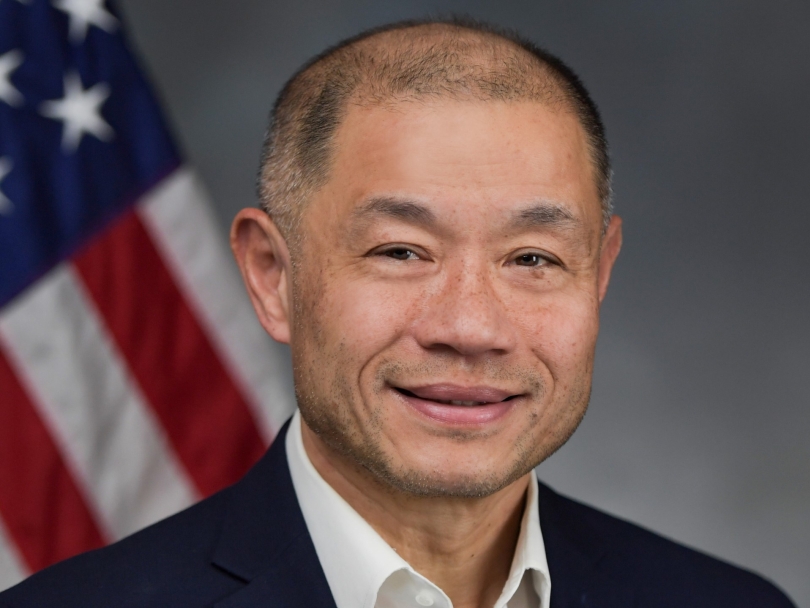
John Liu
John Liu Senate · District 16
D
Strong +
88% 16
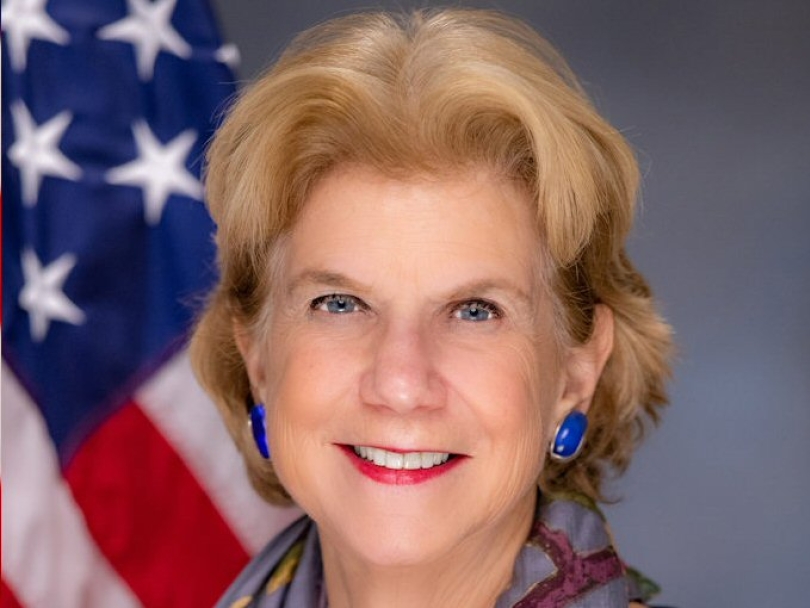
Shelley Mayer
Shelley Mayer Senate · District 37
D
Strong +
88% 16
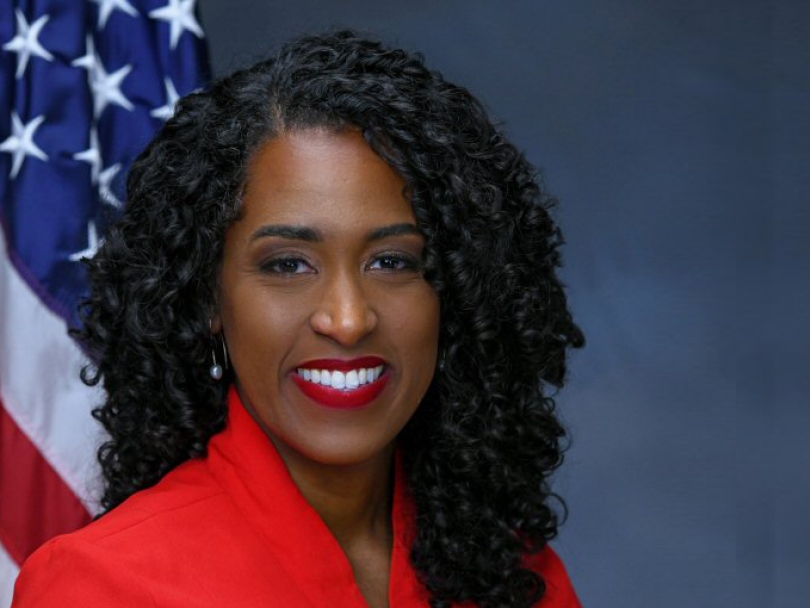
Samra Brouk
Samra Brouk Senate · District 55
D
Strong +
88% 8
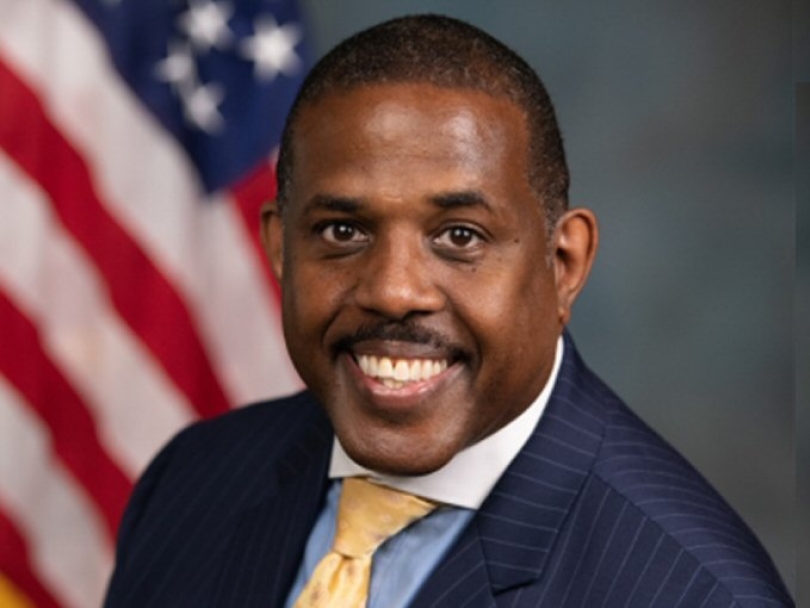
Kevin Parker
Kevin Parker Senate · District 21
D
Strong +
87% 15
Steve Rhoads
Steve Rhoads Senate · District 5
R
Strong −
0% 14
Jack Martins
Jack Martins Senate · District 7
R
Strong −
0% 13
Patricia Canzoneri-Fitzpatrick
Patricia Canzoneri-Fitzpatrick Senate · District 9
R
Strong −
0% 11
Mario Mattera
Mario Mattera Senate · District 2
R
Strong −
9% 11
Dean Murray
Dean Murray Senate · District 3
R
Strong −
11% 18
Showing 51–60 of 89 bills

All criminal justice bills

in committee · New York · Assembly Jan 7, 2026

A 6851: Relates to penalties for the crimes relating to methamphetamine laboratory operations

Relates to penalties for the crimes relating to methamphetamine laboratory operations, including criminal possession of methamphetamine manufacturing materials and unlawful manufacture of methamphetamines.
Sub-Topics Drug Policy
in committee · New York · Senate Jan 7, 2026

S 1973: Relates to prohibiting supervised injection sites

Relates to prohibiting supervised injection sites; provides that it shall be unlawful for any person to own, operate, work in or volunteer at a supervised injection site; defines terms and establishes penalties.
in committee · New York · Assembly Jan 7, 2026

A 8217: Relates to procedures relating to driving while ability impaired by drugs

Bill A 8217 amends the vehicle and traffic law by altering the definition of "drug." Currently, the definition includes specific substances listed in public health law and cannabis. This bill proposes to expand that definition to include any substance or combination of substances that impair, to any extent, a person's physical or mental abilities. This change would affect drivers and law enforcement in cases related to driving while ability impaired by drugs.
Sub-Topics Drug Policy
in committee · New York · Assembly Jan 7, 2026

A 4863: Relates to the criminal possession of fentanyl

This bill reclassifies criminal possession of fentanyl (or fentanyl analogs) used to enhance other illegal substances as a class E felony under New York law. It directly affects individuals who knowingly possess, manufacture, distribute, or use fentanyl for this purpose, shifting the offense to a felony-level penalty. The key provision defines the specific conduct covered and establishes the felony classification, replacing any prior lesser penalties for this activity. The law takes immediate effect upon enactment.
Sub-Topics Drug Policy
in committee · New York · Senate Jan 7, 2026

S 7379: Places kratom on the schedules of controlled substances

S 7379 would classify kratom (mitragyna speciosa korth) as a Schedule I controlled substance under New York State law, making it illegal to possess, sell, or distribute without authorization. This directly affects New Yorkers who use or sell kratom, as it would become subject to the state's strictest drug control regulations. The bill amends the public health law by adding a specific definition of "kratom" to Schedule I, which lists substances with no accepted medical use and a high potential for abuse. The law would take effect 90 days after enactment, with necessary regulations to be implemented by that date.
in committee · New York · Assembly Jan 7, 2026

A 7676: Relates to criminal possession of a weapon in the third degree

This bill increases penalties for individuals who possess a weapon in subway stations, train stations, terminals, or on mass transit vehicles (like buses or trains) and use or attempt to use that weapon to commit another crime. It directly affects people carrying weapons in transit areas who escalate their actions to commit additional offenses. The key mechanism adds a new rule to the penal code, treating such weapon use in transit as a more serious crime (fourth-degree possession) rather than a lesser charge. The law applies to all public and private mass transit systems operating in these locations.
in committee · New York · Assembly Jan 7, 2026

A 5069: Relates to "Chelsey's law"

Enacts "Chelsey's law"; provides that a person commits the crime of manslaughter or aggravated manslaughter when such person knows or has reasonable grounds to know that a controlled substance is likely to cause the death of another person and sells, administers, delivers, or causes the delivery of a controlled substance to another person and such substance causes, contributes to, or aids in the death of such other person.
Sub-Topics Drug Policy
in committee · New York · Senate Jan 7, 2026

S 4459: Relates to adding W-18 to the schedule of controlled substances

This bill adds W-18 (a specific synthetic compound) to Schedule I of the public health law, classifying it as a controlled substance. It directly affects anyone possessing, distributing, or manufacturing W-18, as it would now be subject to the same legal restrictions as other Schedule I drugs. The key mechanism is a technical amendment to Schedule I, inserting W-18's chemical name as a new listed substance under the law. This is a procedural change to the controlled substances schedule with no new penalties or enforcement mechanisms.
Sub-Topics Drug Policy
in committee · New York · Senate Jan 7, 2026

S 5443: Relates to unlawful possession or sale of imitation drug paraphernalia

Establishes the crime of unlawful possession or sale of imitation drug paraphernalia when such person knowingly possesses, purchases, delivers, sells, or possesses with intent to sell or deliver any punch, die, plate, stone, pill press, tableting machine, encapsulating machine or any other equipment in order to print, imprint, or reproduce the trademark, trade name or other identifying mark, imprint or device of another or any likeness of any of the foregoing upon any substance or container or labeling thereof knowing, intending, or having reasonable cause to believe that it will be used to manufacture an imitation drug.
Sub-Topics Drug Policy
in committee · New York · Assembly Jan 7, 2026

A 4092: Establishes the crime of homicide by sale of an opiate controlled substance

This bill creates a new class A-1 felony offense for unlawfully selling or transporting an opiate controlled substance (as defined by public health law) that causes another person's death. It directly affects individuals who sell or transport opiates (like heroin or fentanyl) when such actions result in fatalities. The law includes a limited defense if the defendant jointly used the substance with the deceased for mutual consumption. The offense carries the highest felony penalty under New York law, with the bill named "Laree's Law" in recognition of opioid-related deaths.
Showing 51 to 60 of 89 bills
Previous 1 … 5 6 7 … 9 Next