Issue · Criminal Justice

Criminal Justice

Every criminal justice bill, vote, and legislator stance in New York, automatically classified by Maddy, our AI policy reader.

Total bills
583
2025 Regular Session
Top supporter
Bill Magnarelli
100% support rate
Top opponent
Chris Tague
4% support rate
Ranked legislators
10
5 support · 5 oppose
Key legislators

Who's moving criminal justice in New York

Legislators moving criminal justice in New York
Legislator Party Stance Support rate Decisive votes
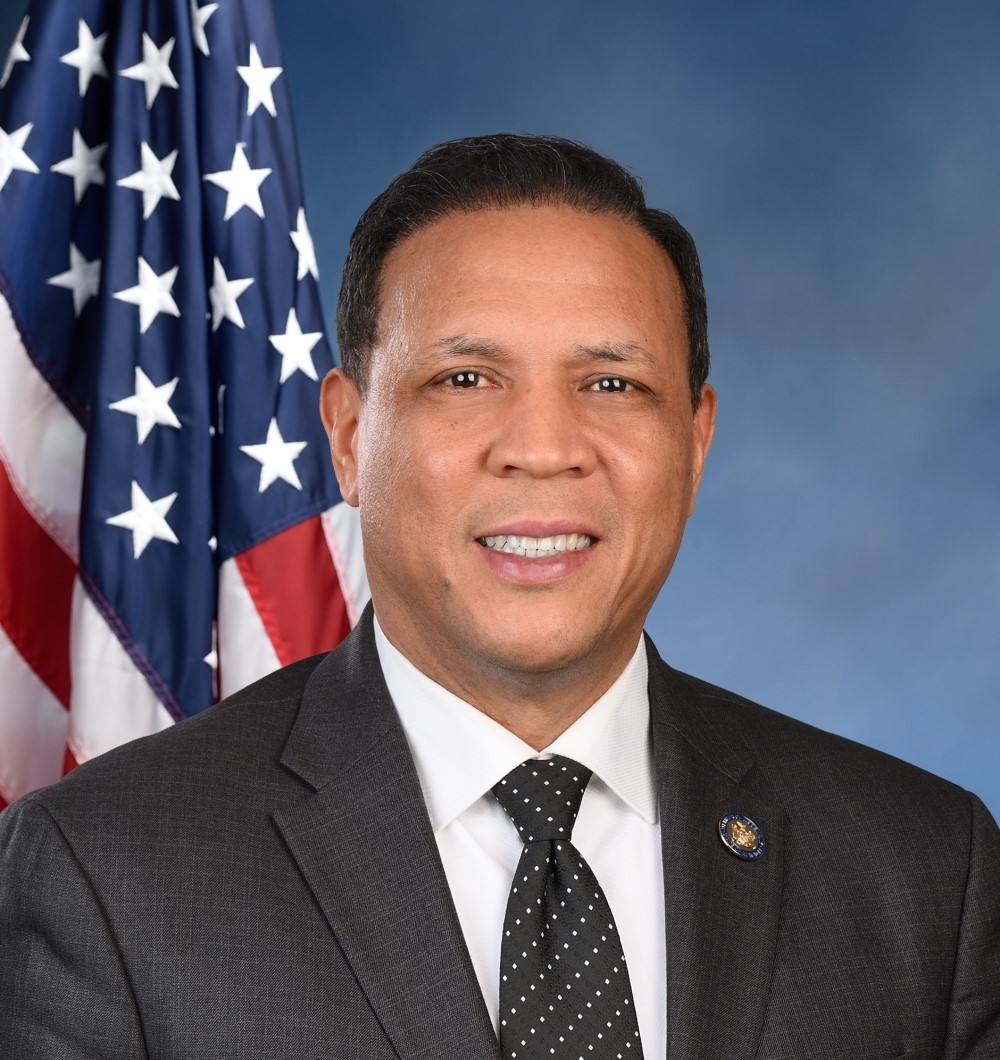
Bill Magnarelli
Bill Magnarelli House · District 129
D
Strong +
100% 27
George Alvarez
George Alvarez House · District 78
D
Strong +
100% 27
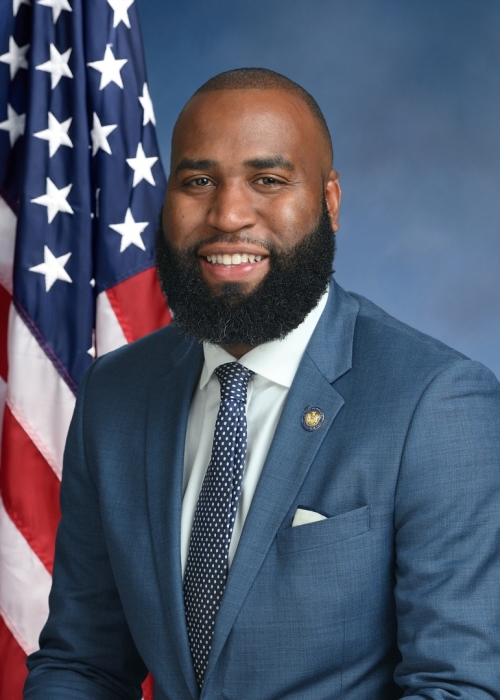
Brian Cunningham
Brian Cunningham House · District 43
D
Strong +
100% 25
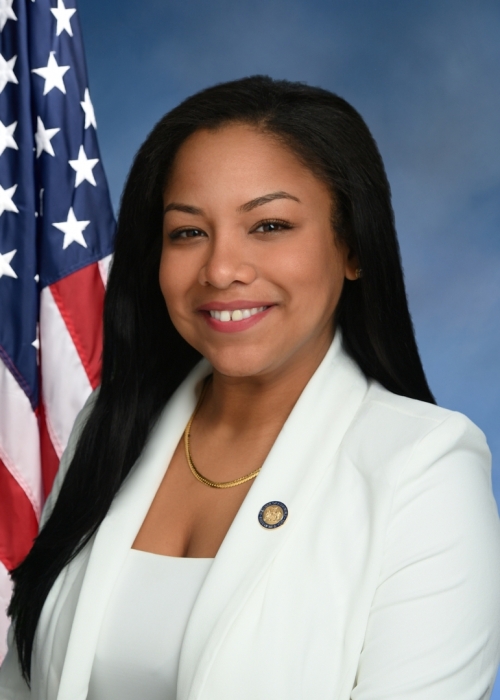
Amanda Septimo
Amanda Septimo House · District 84
D
Strong +
100% 24
Monique Chandler-Waterman
Monique Chandler-Waterman House · District 58
D
Strong +
100% 24
Chris Tague
Chris Tague House · District 102
R
Strong −
4% 28
Dave DiPietro
Dave DiPietro House · District 147
R
Strong −
4% 28
Chris Friend
Chris Friend House · District 124
R
Strong −
4% 26
Ed Ra
Ed Ra House · District 19
R
Strong −
7% 28
Jarett Gandolfo
Jarett Gandolfo House · District 7
R
Strong −
7% 28
Showing 461–470 of 583 bills

All criminal justice bills

in committee · New York · Senate Jan 7, 2026

S 1386: Relates to the theft of a package intentionally taken from the residence of another following delivery by the postal service or a commercial carrier

Makes the theft of a package intentionally taken from a porch, driveway, doorway or other area adjacent to the residence of another following delivery of the package to such residence by the postal service or a commercial carrier a felony.
in committee · New York · Assembly Jan 7, 2026

A 4546: Relates to the crime of resisting arrest

This bill changes penalties for resisting arrest. A first offense remains a class A misdemeanor, but a second offense within five years becomes a class E felony. It directly affects individuals with prior convictions for resisting arrest who commit the same offense again. The key mechanism is the five-year lookback period for prior convictions, upgrading the penalty from misdemeanor to felony for repeat offenses.
in committee · New York · Assembly Jan 7, 2026

A 9127: Includes certain offenses in being eligible for bail, makes certain offenses eligible to be considered hate crimes, and increases the penalties for certain offenses

Includes aggravated threat of mass harm, making a threat of mass harm, aggravated harassment in the second degree, harassment in the first degree, menacing in the third degree, menacing in the second degree, menacing in the first degree, and aggravated harassment in the first degree in being eligible for bail; makes aggravated threat of mass harm and making a threat of mass harm eligible to be considered hate crimes; increases the penalties for aggravated threat of mass harm and making a threat of mass harm.
in committee · New York · Senate Jan 7, 2026

S 5911: Enhances the penalties for crimes committed during a riot

This bill (S 5911) raises penalties for riot-related offenses by reclassifying them as felonies. It upgrades "riot in the first degree" to a class D felony, "riot in the second degree" and "inciting to riot" to class E felonies (previously misdemeanors). The bill also adds new provisions linking riot offenses to other charges, such as arson committed during a riot or possessing a firearm while engaging in riot-related conduct. These changes directly affect individuals convicted of riot-related crimes, increasing potential prison sentences and criminal penalties. The bill focuses on adjusting existing legal classifications without creating new offenses.
Sub-Topics Firearms
in committee · New York · Assembly Jan 7, 2026

A 53: Allows evidence of a defendant's prior crimes or acts to be admissible in a criminal case for certain purposes

Allows evidence of a defendant's prior crimes or acts to be admissible in a criminal case for certain purposes including as proof of motive, opportunity, intent, preparation, plan, knowledge, state of mind of the defendant, state of mind of the victim or other party, absence of mistake or accident, identity, modus operandi, or common scheme or plan; requires that the prosecution provide reasonable notice of the general nature of any such evidence it intends to introduce at trial.
in committee · New York · Assembly Jan 7, 2026

A 6855: Provides that the intentional murder of a child under the age of twelve shall be a first degree murder offense

This bill amends New York's penal law to classify the intentional murder of a child under age 12 as first-degree murder. It adds a specific provision (subparagraph XIV) to the existing definition of first-degree murder, stating that killing a child under 12 automatically qualifies as first-degree murder. This change directly affects criminal cases involving the murder of children under 12, ensuring such offenses are prosecuted as the most serious felony. The bill does not alter sentencing ranges but elevates the offense classification for these specific cases. The law takes effect November 1 following its enactment.
Sub-Topics Sentencing
failed · New York · Assembly Jan 7, 2026

A 1480: Makes life imprisonment without parole mandatory for defendants convicted of murder in the first degree or second degree and the victim is a police officer, peace officer, first responder or correctional officer

Makes life imprisonment without parole mandatory for defendants convicted of murder in the first degree or second degree and the victim is a police officer, peace officer, first responder or correctional officer.
in committee · New York · Senate Jan 7, 2026

S 2118: Categorizes the assault of an individual responsible for local parking enforcement as a class D felony

Categorizes the assault of an individual responsible for local parking enforcement performing their lawful duties under such position as a class D felony.
Sub-Topics Violent Crime
in committee · New York · Assembly Jan 7, 2026

A 151: Relates to securing orders for principals charged with hate crimes

Includes all hate crimes as a qualifying offense for the purposes of a court's determination to release the principal pending trial on the principal's own recognizance or under non-monetary conditions, fix bail, or, where the defendant is charged with a qualifying offense which is a felony, the court may commit the principal to the custody of the sheriff.
Sub-Topics Courts
in committee · New York · Senate Jan 7, 2026

S 144: Repeals the portion of the criminal procedure law dealing with discovery and the ability for a defendant to request access to a crime scene or other relevant premises

This bill (S 144) repeals existing provisions in the criminal procedure law that governed discovery rules and allowed criminal defendants to request access to crime scenes or relevant premises. It directly affects defendants in criminal cases by removing their legal right to seek such access or discovery materials under the repealed sections. The bill makes no new provisions but eliminates specific procedural requirements from the current law. It is a straightforward repeal with no new mechanisms or policy changes. The bill takes effect immediately upon enactment.
Showing 461 to 470 of 583 bills
Previous 1 … 46 47 48 … 59 Next