Issue · Criminal Justice

Criminal Justice (Corrections)

Every criminal justice bill, vote, and legislator stance in New York, automatically classified by Maddy, our AI policy reader.

Total bills
39
2025 Regular Session
Top supporter
Shelley Mayer
100% support rate
Top opponent
Mark Walczyk
0% support rate
Ranked legislators
10
5 support · 5 oppose
Key legislators

Who's moving corrections in New York

Legislators moving corrections in New York
Legislator Party Stance Support rate Votes
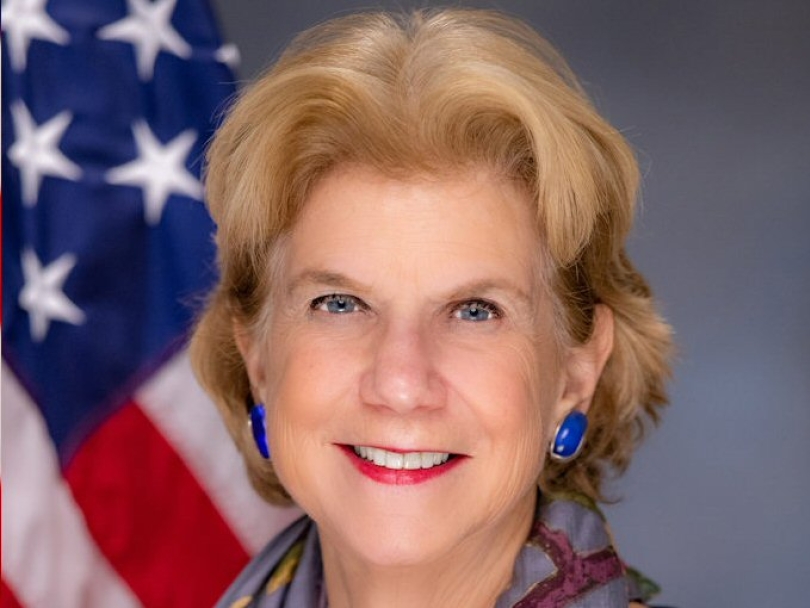
Shelley Mayer
Shelley Mayer Senate · District 37
D
Strong +
100% 43
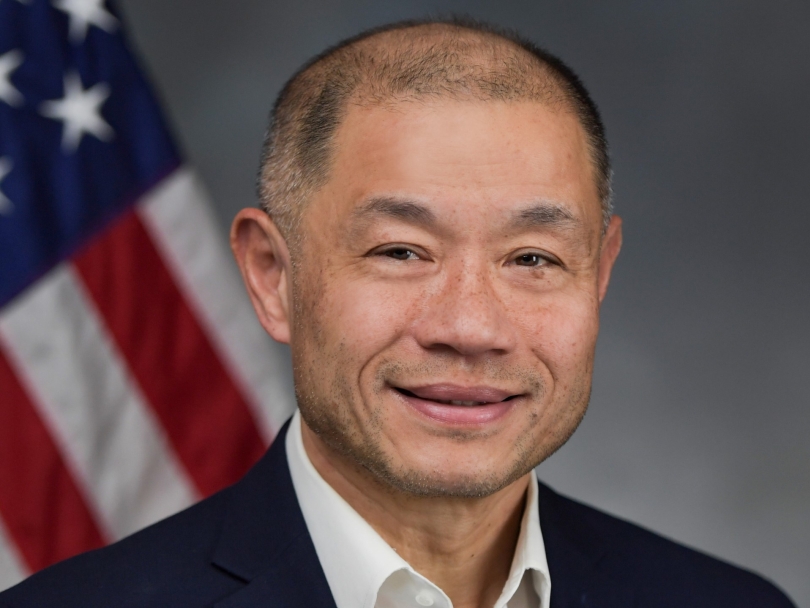
John Liu
John Liu Senate · District 16
D
Strong +
100% 42
Leroy Comrie
Leroy Comrie Senate · District 14
D
Strong +
100% 42
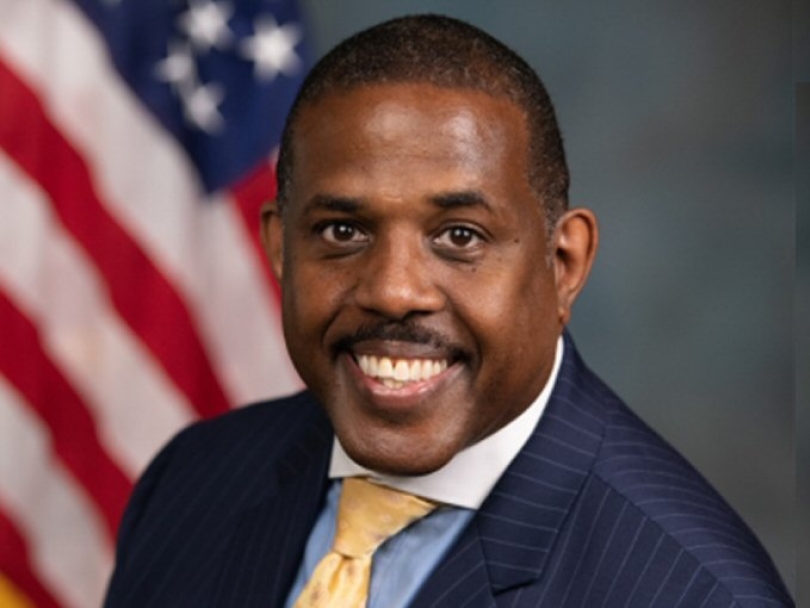
Kevin Parker
Kevin Parker Senate · District 21
D
Strong +
100% 40
Kristen Gonzalez
Kristen Gonzalez Senate · District 59
D
Strong +
100% 39
Mark Walczyk
Mark Walczyk Senate · District 49
R
Strong −
0% 33
Alexis Weik
Alexis Weik Senate · District 8
R
Strong −
0% 30
Andrew Molitor
Andrew Molitor House · District 150
R
Strong −
0% 7
Brian Manktelow
Brian Manktelow House · District 130
R
Strong −
0% 7
Chris Friend
Chris Friend House · District 124
R
Strong −
0% 7
Showing 21–30 of 39 bills

All criminal justice bills

in committee · New York · Senate Jan 7, 2026

S 3611: Requires the commissioner of corrections and community supervision to permanently terminate the conjugal visit program, commonly known as the family reunion program

Requires the commissioner of corrections and community supervision to permanently terminate the conjugal visit program, commonly known as the family reunion program; directs such commissioner to prohibit the establishment of any program designed to provide selected inmates and their families the opportunity to privately meet for an extended period of time.
failed · New York · Senate Jan 7, 2026

S 3511: Increases the maximum sentence of imprisonment for certain misdemeanors to one year; repealer

Bill S 3511 proposes to increase the maximum possible prison sentence for individuals convicted of Class A and unclassified misdemeanors. It amends the penal law to change the maximum definite sentence for these crimes from 364 days to one year. The bill also repeals a specific subdivision within the penal law related to misdemeanor sentencing. This change would allow courts to impose slightly longer jail terms for these particular offenses.
Sub-Topics Corrections Sentencing
in committee · New York · Senate Jan 7, 2026

S 2092: Relates to the penalty for the offense of predatory sexual assault against a child

This bill increases penalties for predatory sexual assault against children in New York. It sets a minimum 25-year prison sentence and a maximum of life imprisonment for this specific crime (defined under Penal Law §130.96), replacing previous sentencing ranges. Offenders convicted under this provision will also face lifetime parole supervision by the state parole board after release. The law directly affects individuals convicted of this serious felony, aiming to ensure longer incarceration and ongoing oversight.
in committee · New York · Assembly Jan 7, 2026

A 8618: Prohibits a person from defacing or damaging a fine art or historical monument

This bill makes it a serious felony to intentionally deface, damage, or destroy protected fine art or historical monuments, such as statues, plaques, buildings, or relics. It applies to anyone who damages such property without legal right, including works covered under New York's arts law. Offenders face a minimum 3-year prison sentence and must pay full restitution to cover the property's value. The law also explicitly includes this crime in bail eligibility rules for other offenses involving property harm.
in committee · New York · Assembly Jan 7, 2026

A 6159: Increases the penalty for rape in the first degree

This bill changes the penalty for rape in the first degree from a class B felony to a more serious class A-II felony. It applies to all situations covered under current law, including cases involving forcible compulsion, victims unable to consent due to physical helplessness, or victims under 11 or 13 years old (with additional age requirements for the perpetrator). The key change is the upgrade in felony classification, which typically results in longer prison sentences. This policy shift directly affects individuals convicted of first-degree rape under New York's penal code. The bill does not alter the definition of the crime itself, only the severity of the punishment.
Sub-Topics Corrections
failed · New York · Assembly May 13, 2026

A 5789: Relates to the penalty for the offense of predatory sexual assault against a child

This bill amends New York's penal law to increase penalties for predatory sexual assault against children. It sets a minimum 25-year prison term (with life as the maximum) for the specific offense defined in section 130.96 of the penal law, replacing previous sentencing ranges. Additionally, it mandates lifetime parole supervision by the state board of parole for individuals convicted of this crime after being released from prison. The bill directly affects offenders convicted of predatory sexual assault against children, imposing stricter sentencing and long-term supervision requirements.
in committee · New York · Assembly Jan 7, 2026

A 6651: Relates to the evidentiary standard for evidentiary and disciplinary hearings

This bill changes the standard of proof required in correctional disciplinary hearings from "substantial evidence" to "preponderance of the evidence." It directly affects disciplinary decisions involving prison staff or inmates under New York's correction law, such as those related to misconduct or sanctions. The key provision lowers the evidentiary threshold, meaning decisions only need to be supported by evidence showing it is more likely than not (over 50%) true, rather than meeting the higher "substantial evidence" standard previously required. The change applies to all disciplinary hearings held under the correction law, as specified in the bill's amendments to relevant legal sections.
Sub-Topics Corrections
in committee · New York · Senate Jan 7, 2026

S 3114: Relates to restricting sex offenders from residing in a community residence for the mentally disabled

This bill prohibits sex offenders from residing in community residences for people with disabilities. It directly affects individuals convicted of sex offenses who are released from prison, on probation, or discharged from correctional facilities. Key provisions ban such individuals from moving into or remaining in these residences (defined under mental hygiene law) and require courts, social services, and mental health officials to deny admission or placement in these facilities. The law takes effect 90 days after enactment.
in committee · New York · Senate Jan 7, 2026

S 5409: Enhances penalties for committing multiple animal cruelty offenses

This bill (S 5409) strengthens penalties for individuals convicted of multiple animal cruelty offenses. It defines "aggravated cruelty" as intentionally causing extreme pain or acting sadistically toward companion animals, and specifically targets those with prior convictions for animal cruelty within the past decade. Under the bill, repeat offenders face escalating felony charges: a class E felony (up to 2 years in prison) for a second offense, class D for a third, and class C for a fourth or subsequent offense. The law explicitly excludes lawful activities like hunting, rabid animal dispatch, or approved scientific research from these penalties.
Sub-Topics Corrections
in committee · New York · Assembly Jan 7, 2026

A 3316: Relates to the unlawful wearing of a body vest

This bill makes it a crime to wear body armor while committing any offense involving a deadly weapon (like a firearm). It directly affects individuals who wear body armor during crimes involving weapons, creating a new offense separate from the underlying crime. The key provision requires courts to impose consecutive sentences for this new "unlawful wearing of body armor" offense, meaning the jail time for this specific act runs after the sentence for the original crime. The law applies to both misdemeanors and felonies committed with a deadly weapon while wearing body armor.
Sub-Topics Corrections Firearms
Showing 21 to 30 of 39 bills
Previous 1 2 3 4 Next