Issue · Criminal Justice

Criminal Justice

Every criminal justice bill, vote, and legislator stance in New York, automatically classified by Maddy, our AI policy reader.

Total bills
583
2025 Regular Session
Top supporter
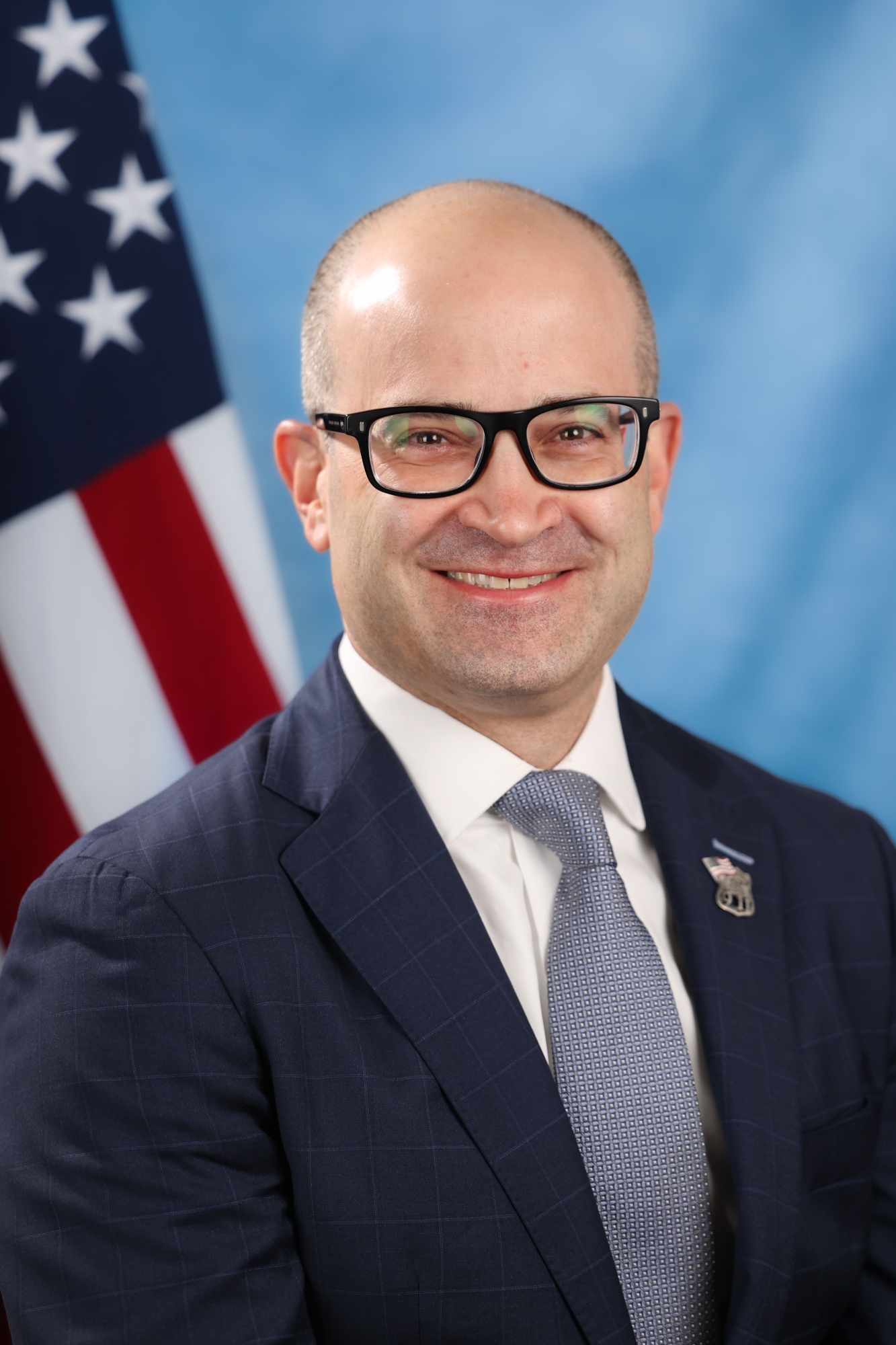
Bill Magnarelli
100% support rate
Top opponent
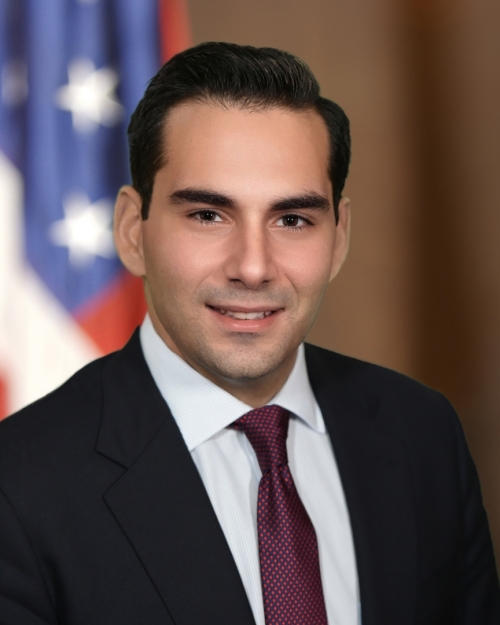
Chris Tague
4% support rate
Ranked legislators
10
5 support · 5 oppose
Key legislators

Who's moving criminal justice in New York

Legislators moving criminal justice in New York
Legislator Party Stance Support rate Decisive votes
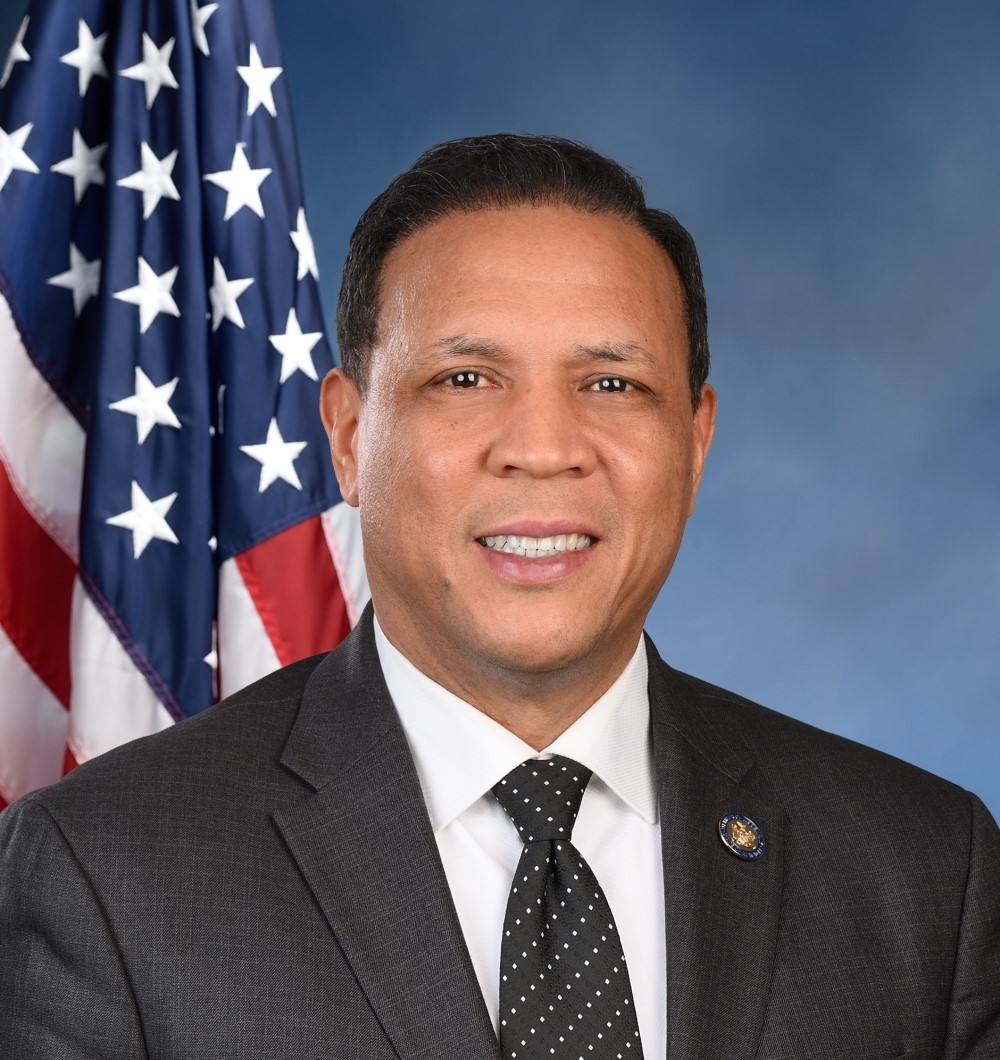
Bill Magnarelli
Bill Magnarelli House · District 129
D
Strong +
100% 27
George Alvarez
George Alvarez House · District 78
D
Strong +
100% 27
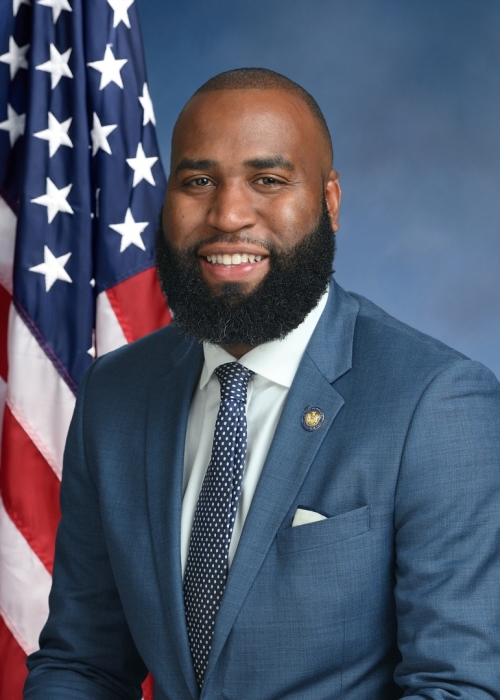
Brian Cunningham
Brian Cunningham House · District 43
D
Strong +
100% 25
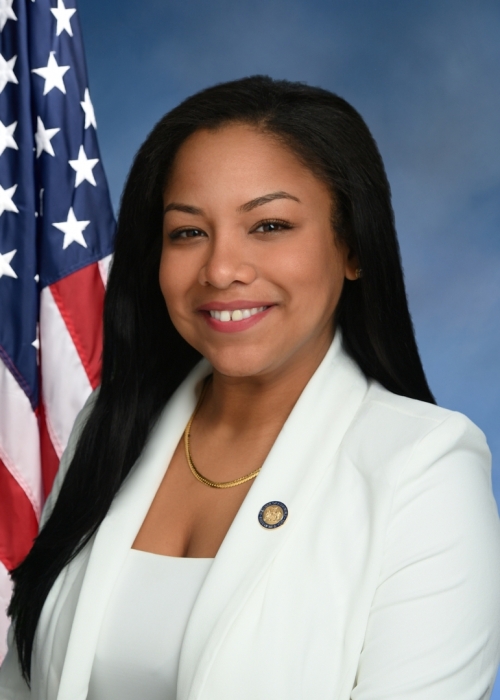
Amanda Septimo
Amanda Septimo House · District 84
D
Strong +
100% 24
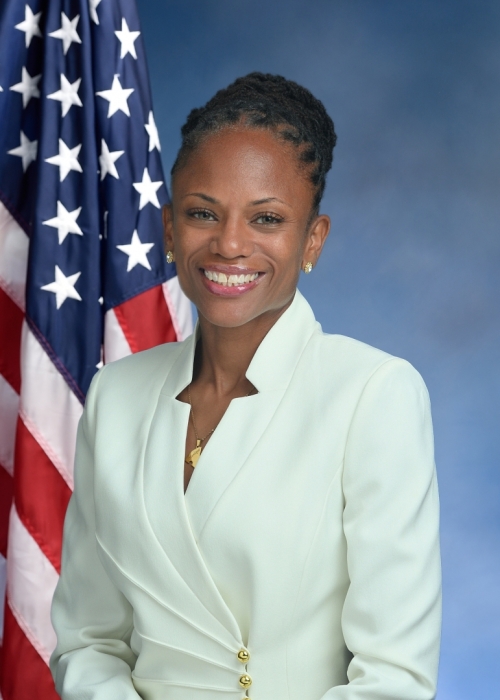
Monique Chandler-Waterman
Monique Chandler-Waterman House · District 58
D
Strong +
100% 24
Chris Tague
Chris Tague House · District 102
R
Strong −
4% 28
Dave DiPietro
Dave DiPietro House · District 147
R
Strong −
4% 28
Chris Friend
Chris Friend House · District 124
R
Strong −
4% 26
Ed Ra
Ed Ra House · District 19
R
Strong −
7% 28
Jarett Gandolfo
Jarett Gandolfo House · District 7
R
Strong −
7% 28
Showing 201–210 of 583 bills

All criminal justice bills

in committee · New York · Senate Jan 7, 2026

S 5698: Relates to the criminal impersonation in the second degree and establishing a stolen valor fee

Provides that a person is guilty of criminal impersonation in the second degree when a person pretends to be a servicemember or former servicemember, or a first responder, or as having received a decoration or medal; establishes a stolen valor fee.
in committee · New York · Assembly Jan 7, 2026

A 7396: Increases the penalties for sexual performances by a child and provides for consecutive sentencing upon certain multiple convictions

Increases the penalties for sexual performances by a child; increases age from 16 to 18 for application of existing sexual performance crimes; creates crimes of use of a child in a sexual performance in the first degree, promoting an obscene sexual performance by a child in the first degree, and promoting a sexual performance by a child in the first degree; provides for consecutive sentencing upon certain multiple convictions.
failed · New York · Assembly Apr 21, 2026

A 2198: Establishes the crime of assault on a pregnant person

Establishes the crimes of assault on a pregnant person in the second degree as a class D felony and assault on a pregnant person in the first degree as a class C felony.
Sub-Topics Violent Crime
in committee · New York · Assembly Jan 7, 2026

A 1116: Relates to sentencing for the crime of aggravated cruelty to animals

This bill removes the two-year maximum sentence for aggravated cruelty to animals, a felony offense under current law. It amends New York's agriculture and markets law to eliminate the cap on imprisonment for this specific crime, meaning judges can now impose longer sentences. The bill directly affects individuals convicted of aggravated cruelty to animals by changing the sentencing guidelines. The legislation, nicknamed "Tucker's law," takes effect 180 days after enactment.
Sub-Topics Sentencing
in committee · New York · Assembly Jan 7, 2026

A 7661: Relates to the retention of court records pertaining to violent felonies

Bill A 7661 requires the chief administrator of courts to permanently retain all court records related to violent felony convictions. It directly affects individuals convicted of violent felonies by ensuring their court records cannot be destroyed or erased (expunged). The bill mandates that these records be exempt from standard retention schedules and kept indefinitely. This change applies to all court records associated with such convictions, without exception. The law takes effect 30 days after enactment.
Sub-Topics Courts
in committee · New York · Senate Jan 7, 2026

S 5902: Elevates all computer tampering offenses by one degree in severity

This bill raises the severity level of all computer tampering offenses by one degree in New York's penal law. It changes classifications so that, for example, computer tampering previously classified as a fourth-degree misdemeanor (the least severe) becomes a fourth-degree felony, while higher degrees (third, second, first) also move up to more serious felony categories. The bill directly affects individuals convicted of computer tampering crimes, as it increases potential penalties by elevating their offense level. These changes apply to all existing computer tampering statutes (sections 156.20-156.27) and take effect November 1, 2025.
failed · New York · Assembly Jan 7, 2026

A 4161: Prohibits removal of adolescent offenders to family court in certain circumstances

This bill (A 4161) amends New York's criminal procedure law to prevent adolescent offenders from being transferred to family court when they possessed a loaded firearm during the crime. It adds a specific condition (point iii) that requires the court to deny family court jurisdiction if the defendant had a loaded firearm as defined in Penal Law §265.00 at the time of the offense. The law directly affects minors charged with certain crimes who had a loaded firearm involved, mandating they proceed in criminal court instead of family court. This change clarifies the court's decision-making process under existing law without altering penalties or creating new offenses.
Sub-Topics Courts Firearms
failed · New York · Assembly Jan 7, 2026

A 2557: Creates the crime of stolen valor

Bill A 2557 creates the new crime of "stolen valor." This bill makes it illegal for a person to knowingly misrepresent themselves as a member or veteran of the U.S. Armed Forces or organized militia, or as a recipient of a military decoration or medal. This misrepresentation, such as wearing a uniform or medal, must be done with the intent to obtain money, property, or another tangible benefit. Individuals convicted of stolen valor would be charged with a class A misdemeanor.
in committee · New York · Assembly Jan 7, 2026

A 1280: Establishes the crime of unlawful dissemination or publication of a fabricated photographic, videographic, or audio record

This bill makes it a felony to intentionally create and share manipulated media (like deepfakes) that appears real and harms an identifiable person without their consent, with the intent to cause emotional, financial, or physical harm. It specifically targets fabricated photos, videos, or audio created using AI or editing tools that look authentic but depict false scenarios. Exceptions include news reporting, artistic expression, law enforcement use, and platforms sharing content they didn’t create. The law defines "fabricated" as media indistinguishable from reality that’s altered or entirely artificial, and classifies violations as a class E felony.
Showing 201 to 210 of 583 bills
Previous 1 … 20 21 22 … 59 Next