

Issue · Criminal Justice
Criminal Justice (Drug Policy)
Every criminal justice bill, vote, and legislator stance in New York, automatically classified by Maddy, our AI policy reader.
Total bills
157
2025 Regular Session
Top supporter
James Sanders
90% support rate
Top opponent
Steve Rhoads
0% support rate
Ranked legislators
10
5 support · 5 oppose
Key legislators
Who's moving drug policy in New York
| Legislator | Party | Stance | Support rate | Votes |
|---|---|---|---|---|
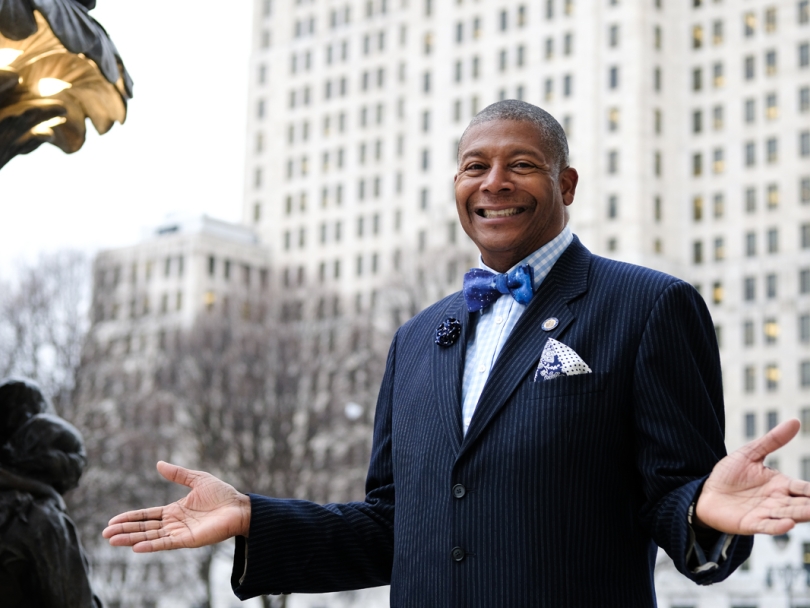
James Sanders
Senate · District 10
|
D |
Strong +
|
90% | 10 |
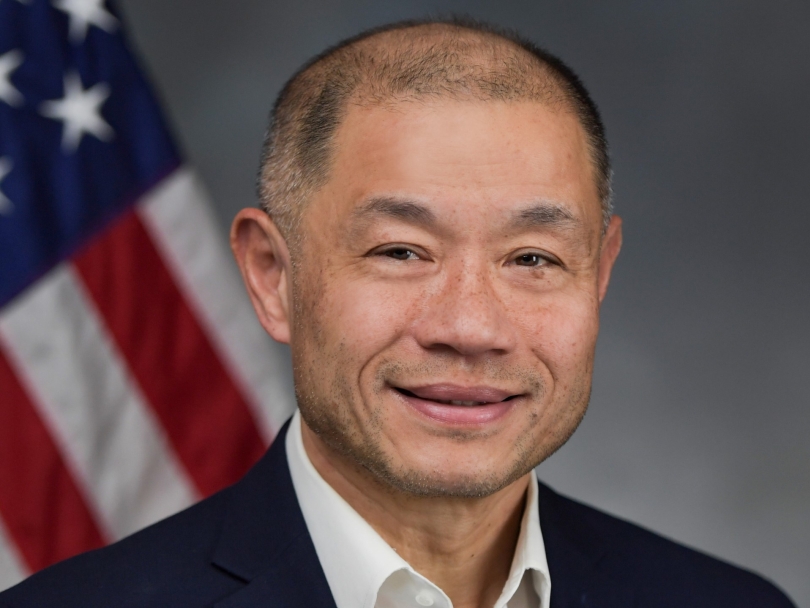
John Liu
Senate · District 16
|
D |
Strong +
|
88% | 16 |
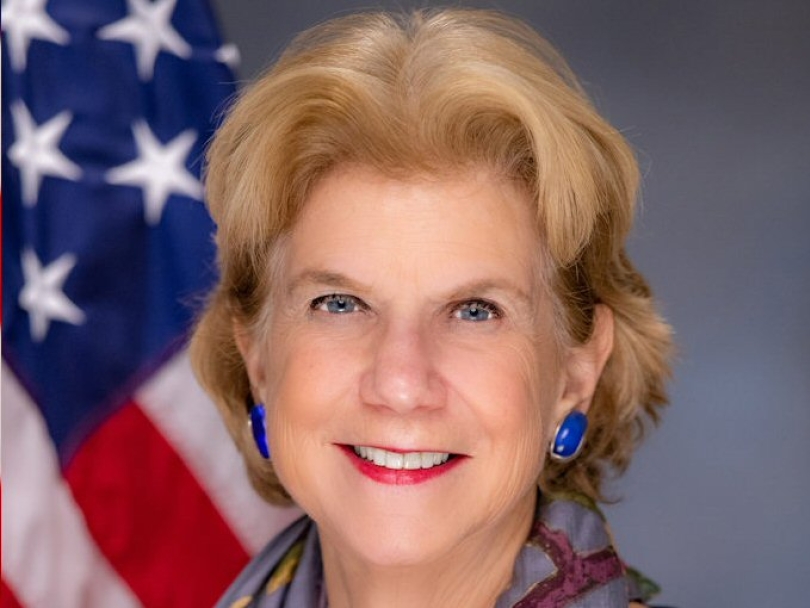
Shelley Mayer
Senate · District 37
|
D |
Strong +
|
88% | 16 |
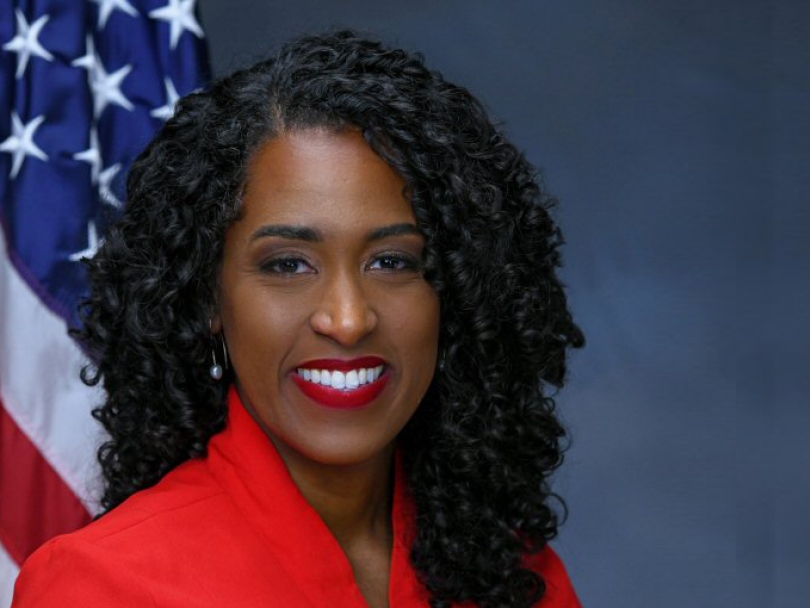
Samra Brouk
Senate · District 55
|
D |
Strong +
|
88% | 8 |
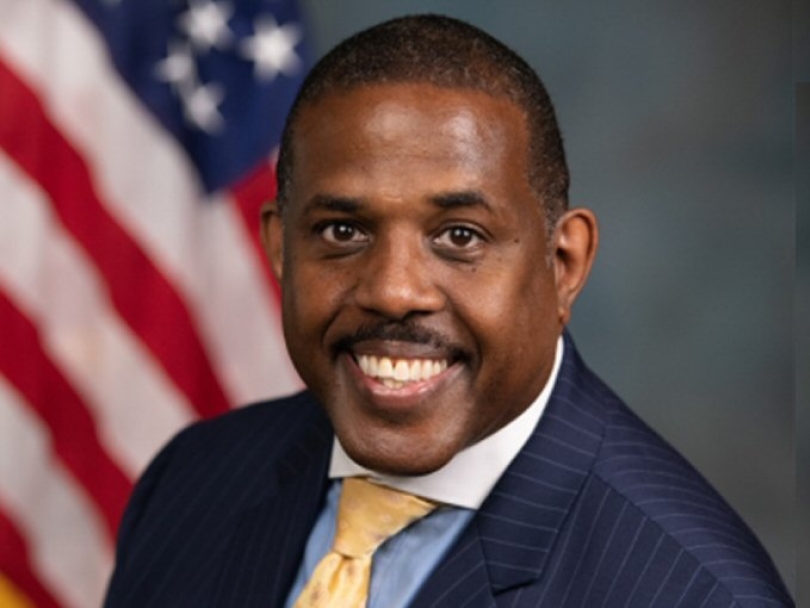
Kevin Parker
Senate · District 21
|
D |
Strong +
|
87% | 15 |
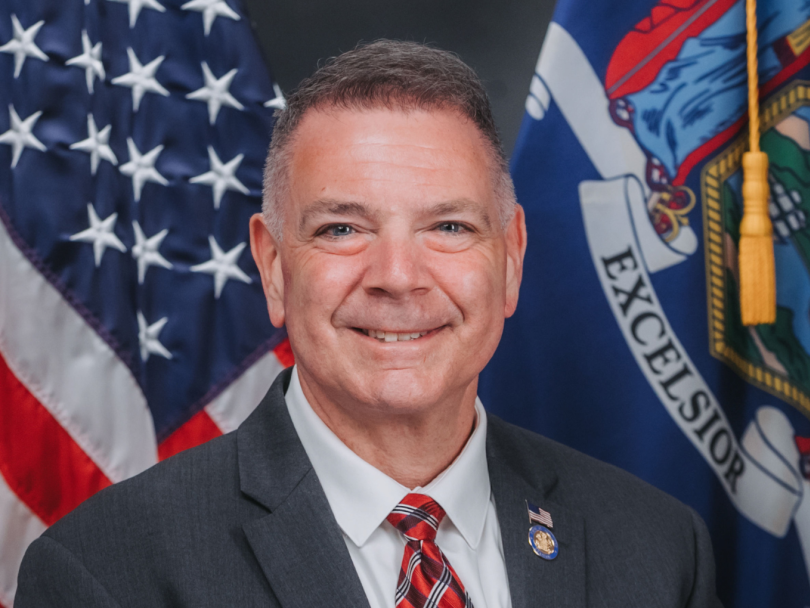
Steve Rhoads
Senate · District 5
|
R |
Strong −
|
0% | 14 |
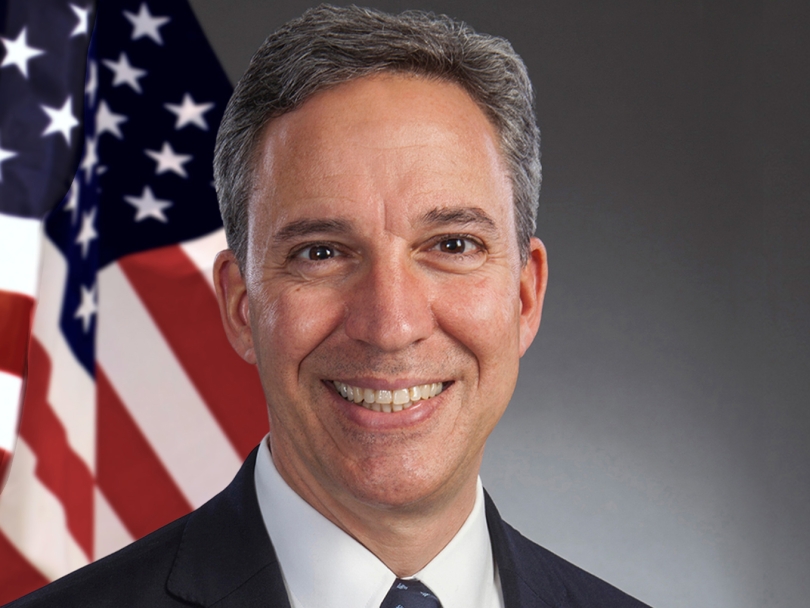
Jack Martins
Senate · District 7
|
R |
Strong −
|
0% | 13 |
Patricia Canzoneri-Fitzpatrick
Senate · District 9
|
R |
Strong −
|
0% | 11 |
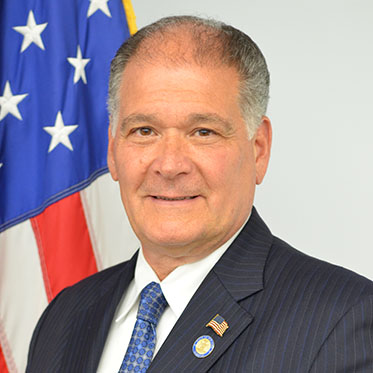
Mario Mattera
Senate · District 2
|
R |
Strong −
|
9% | 11 |

Dean Murray
Senate · District 3
|
R |
Strong −
|
11% | 18 |
Showing 11–20 of 157
bills
All criminal justice bills
A 10426: Relates to employment at certain licensees for the purposes of parole conditions
A 10698: Prohibits cannabis inversion
Topics
✓ Criminal JusticeSupports Criminal JusticeBill strengthens criminal justice by prohibiting illicit cannabis activities, establishing penalties, and protecting whistleblowers who report violations, enhancing law enforcement oversight.
✓ Labor & EmploymentSupports Labor & EmploymentBill includes whistleblower protection for employees reporting cannabis violations, directly supporting worker rights and protections in the workplace.
Sub-Topics
Drug Policy
S 9229: Relates to authorizing bail and pre-trial detention for arson felonies
S 9322: Relates to adding 7-Hydroxymitragynine to the schedule of controlled substances
Sub-Topics
Drug Policy
S 9187: Adds nitazene to schedule I of controlled substances
Sub-Topics
Drug Policy
S 8637: Relates to purposes of the drug treatment and public education fund
Topics
✓ Budget & TaxesSupports Budget & TaxesExpands fund purposes to include prevention/recovery programs, directing existing budget toward public health services.
✓ Criminal JusticeSupports Criminal JusticeExpands drug treatment fund to include prevention/recovery programs, directly supporting criminal justice reform through rehabilitation and recidivism reduction.
✓ HealthcareSupports HealthcareExpands drug treatment fund to include prevention/recovery programs, strengthening public health services under healthcare topic.
A 1647: Relates to decriminalizing the possession of buprenorphine
Topics
✓ Criminal JusticeSupports Criminal JusticeBill removes criminal penalties for medical buprenorphine use in opioid treatment, reducing unnecessary criminalization and promoting rehabilitation over punishment in criminal justice reform.
✓ HealthcareSupports HealthcareDecriminalizes buprenorphine possession for substance use disorder treatment, improving access to medication-assisted therapy for addiction, a healthcare service.
S 8951: Prohibits cannabis inversion
Sub-Topics
Drug Policy
S 2331: Relates to decriminalizing the possession of buprenorphine
Topics
✓ Criminal JusticeSupports Criminal JusticeRemoves criminal penalties for buprenorphine possession, reducing unnecessary incarceration and aligning with drug policy reform to prioritize treatment over punishment.
✓ HealthcareSupports HealthcareDecriminalizes buprenorphine for opioid treatment, removing criminal penalties and improving access to medication-assisted therapy for addiction.