Issue · Criminal Justice

Criminal Justice (Law Enforcement)

Every criminal justice bill, vote, and legislator stance in New York, automatically classified by Maddy, our AI policy reader.

Total bills
144
2025 Regular Session
Top supporter
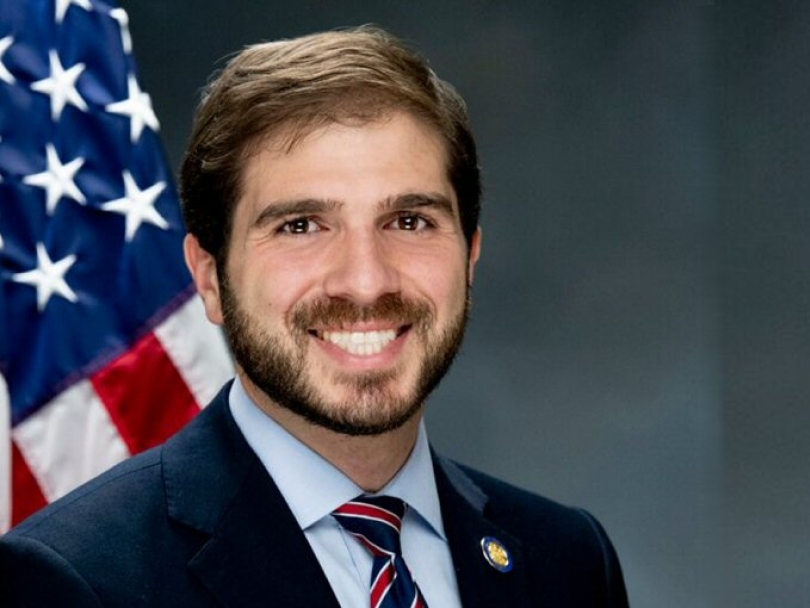
Andrew Gounardes
100% support rate
Top opponent
Andrew Lanza
0% support rate
Ranked legislators
10
5 support · 5 oppose
Key legislators

Who's moving law enforcement in New York

Legislators moving law enforcement in New York
Legislator Party Stance Support rate Votes
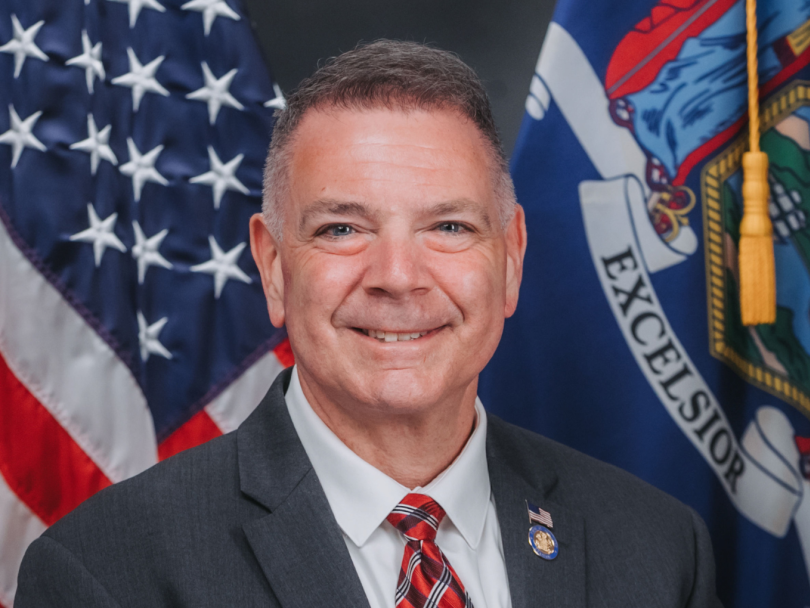
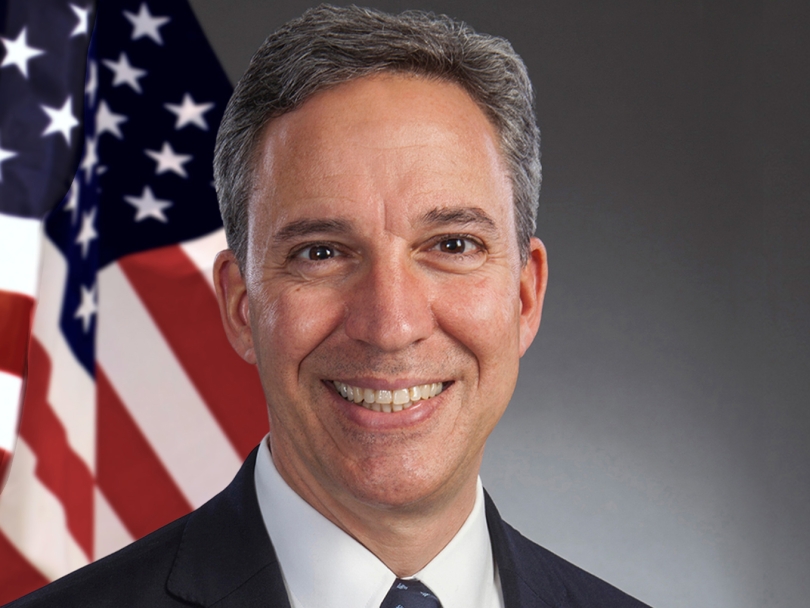
Andrew Gounardes
Andrew Gounardes Senate · District 26
D
Strong +
100% 6
Luis Sepúlveda
Luis Sepúlveda Senate · District 32
D
Strong +
100% 6
John Liu
John Liu Senate · District 16
D
Strong +
100% 5
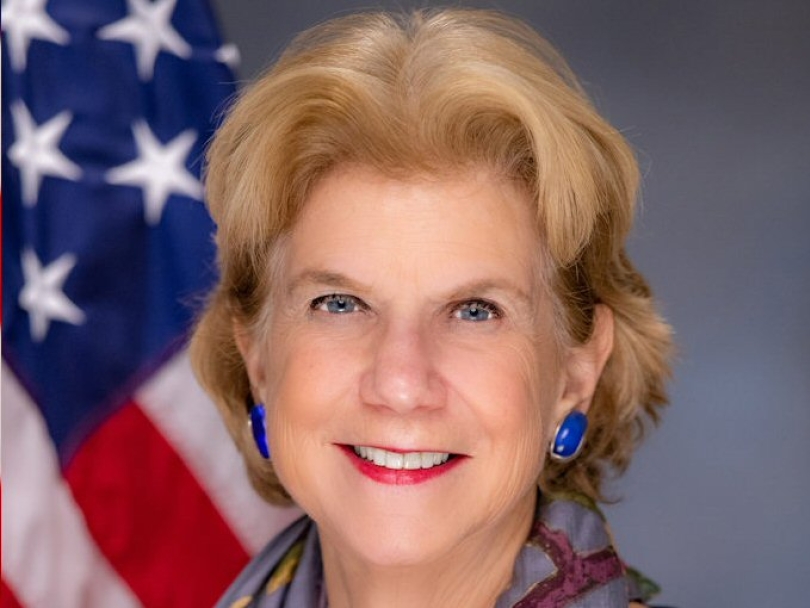
Shelley Mayer
Shelley Mayer Senate · District 37
D
Strong +
100% 5
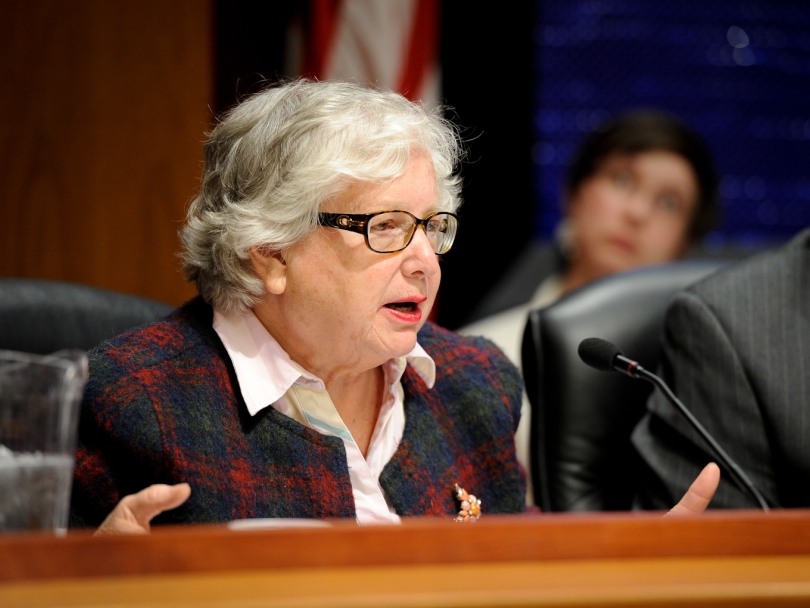
Toby Stavisky
Toby Stavisky Senate · District 11
D
Strong +
100% 5
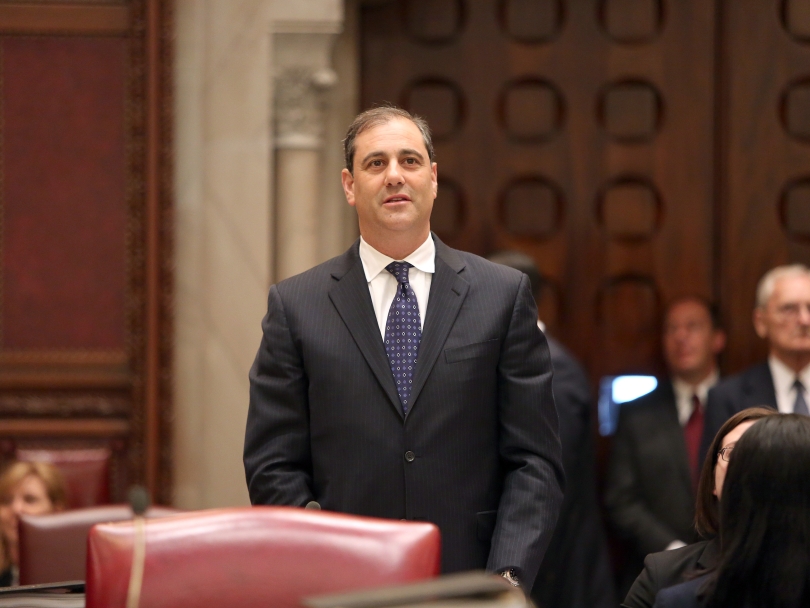
Andrew Lanza
Andrew Lanza Senate · District 24
R
Strong −
0% 5
Patricia Canzoneri-Fitzpatrick
Patricia Canzoneri-Fitzpatrick Senate · District 9
R
Strong −
0% 5
Steve Rhoads
Steve Rhoads Senate · District 5
R
Strong −
0% 5
Jack Martins
Jack Martins Senate · District 7
R
Strong −
0% 4
Alexis Weik
Alexis Weik Senate · District 8
R
Strong −
0% 3
Showing 121–130 of 144 bills

All criminal justice bills

in committee · New York · Senate Jan 7, 2026

S 6106: Relates to establishing mandatory continuing law enforcement education for peace officers

Relates to establishing mandatory continuing law enforcement education for peace officers; requires peace officers to biannually complete a minimum of 32 credit hours of training including de-escalation techniques, implicit biases and mental health training.
Sub-Topics Law Enforcement
in committee · New York · Assembly Jan 7, 2026

A 5518: Relates to the powers and duties of the commission on forensic science regarding familial DNA search regulations

This bill prohibits law enforcement from using New York's state DNA identification index to conduct familial DNA searches, which identify potential relatives of crime scene DNA samples. It directly affects law enforcement agencies and the Commission on Forensic Science by banning this specific investigative technique. The key mechanism requires amending state law to explicitly state that no search of the DNA index may be performed to identify an offender who might be a biological relative of the person whose DNA was submitted. The policy change takes effect immediately, nullifying any conflicting existing rules or practices.
Sub-Topics Law Enforcement
in committee · New York · Assembly Jan 7, 2026

A 6873: Relates to the automatic expungement of records of arrest

This bill automatically expunges arrest records in New York for individuals whose arrests were later deemed "voidable" (e.g., no charges filed, lack of probable cause, or dismissed charges). Courts must issue expungement orders within 30 days of the arrest becoming voidable, requiring all law enforcement agencies to destroy physical records like photos, fingerprints, and digital copies (except retained fingerprint cards). Affected individuals can later answer employment inquiries as if the arrest never occurred. The law directly benefits people with specific dismissed or unjustified arrests by removing barriers to employment and housing.
Sub-Topics Law Enforcement
in committee · New York · Senate Jan 7, 2026

S 5206: Establishes the police training council; repealer

Repeals the municipal police training council; creates the police training council to establish a statewide mandatory training curriculum for all law enforcement agencies established with police officer or peace officer status throughout the state.
in committee · New York · Senate Jan 7, 2026

S 4001: Relates to criminal history record searches and open warrants

This bill (S 4001) changes how criminal history records are handled when open warrants exist. It requires the state Division of Criminal Justice to exclude references to open warrants from background reports if a new court report arrives for the case but does not confirm the warrant was recalled. The exclusion applies only to standard background reports, not to information shared with law enforcement, for research, or for the Division's internal use. The law takes effect January 1, 2027.
Sub-Topics Courts Law Enforcement
passed · New York · Senate May 22, 2025

S 3036: Relates to making technical corrections to ensure gender neutrality for the admission to practice law and preventing required disclosure of prior interaction with law enforcement or the criminal justice system

Relates to making technical corrections to ensure gender neutrality for the admission to practice law and preventing the character fitness questionnaire from inquiring into an applicant's prior interaction with law enforcement or the criminal justice system under certain circumstances.
Sub-Topics Law Enforcement
in committee · New York · Assembly Jan 7, 2026

A 6706: Establishes the crimes of harassment of a law enforcement officer or a member of the officer's family in the first degree and second degree

This bill creates two new criminal offenses targeting harassment of law enforcement officers and their immediate family members. First-degree harassment (a felony) covers threatening communications (via phone, email, or other means) that cause reasonable fear of physical harm or property damage. Second-degree harassment (a misdemeanor) includes physical contact, following someone in public, or repeated conduct that alarms officers or family members. The law applies to active and retired officers across all levels of law enforcement (state, local, federal) and their household family members, as defined in existing law.
Sub-Topics Law Enforcement
in committee · New York · Senate Jan 7, 2026

S 1216: Relates to crisis intervention training for police officers

S 1216 requires police departments in cities with populations of one million or more to implement crisis intervention training for all officers. The bill mandates that city councils develop written protocols - created with input from mental health and addiction officials - for responding to situations involving people experiencing mental illness or substance abuse. These protocols must include mandatory training for both new and veteran officers, along with recommendations for ongoing retraining programs. The law applies to large cities and takes effect 90 days after enactment.
in committee · New York · Senate Jan 7, 2026

S 7017: Relates to the custody of defendants who are subject to electronic location monitoring

This bill clarifies that defendants under electronic location monitoring are not legally considered "confined" or "in custody" for specific legal purposes. It amends the criminal procedure law to explicitly state that such defendants are not deemed "held in custody" for section 180.80 or "committed to the sheriff's custody" under section 170.70. The change directly affects defendants subject to electronic monitoring, altering how their status is defined in legal proceedings. This is a technical adjustment to existing law, ensuring electronic monitoring does not trigger certain custody-related legal requirements.
Sub-Topics Law Enforcement
in committee · New York · Assembly Jan 7, 2026

A 7193: Relates to justification for the use of deadly physical force by a police or peace officer

Limits the circumstances which justify the use of deadly force by a police officer or peace officer to instances when the person committed a felony that threatened or resulted in death or serious bodily injury and the officer reasonably believes that the person will cause death or serious bodily injury to another person unless immediately apprehended.
Showing 121 to 130 of 144 bills
Previous 1 12 13 14 15 Next