Issue · Budget & Taxes

Budget & Taxes (Procurement)

Every budget & taxes bill, vote, and legislator stance in New York, automatically classified by Maddy, our AI policy reader.

Total bills
75
2025 Regular Session
Top supporter
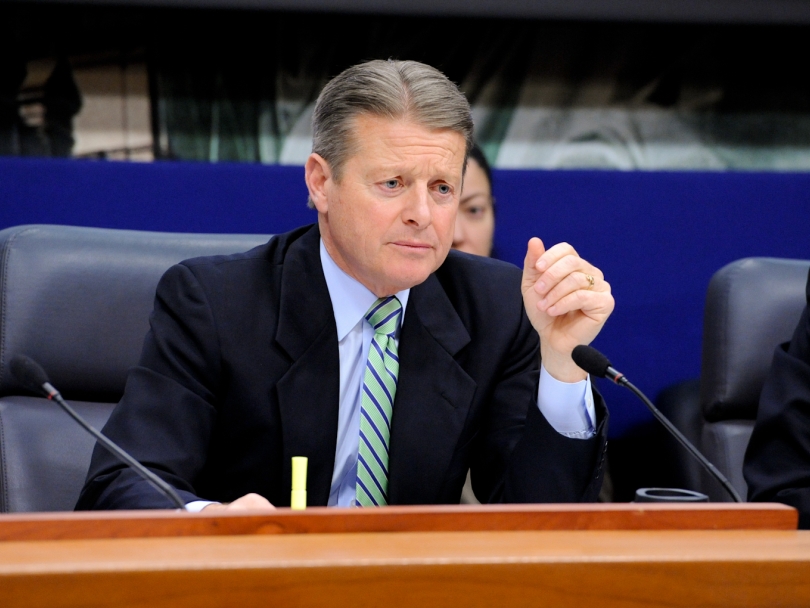
Kevin Parker
100% support rate
Top opponent
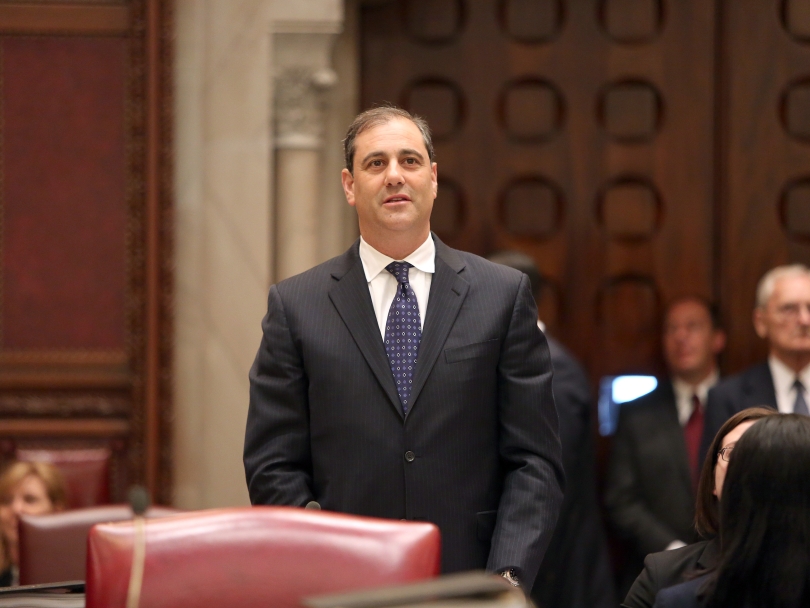
Joe Griffo
0% support rate
Ranked legislators
10
5 support · 5 oppose
Key legislators

Who's moving procurement in New York

Legislators moving procurement in New York
Legislator Party Stance Support rate Votes
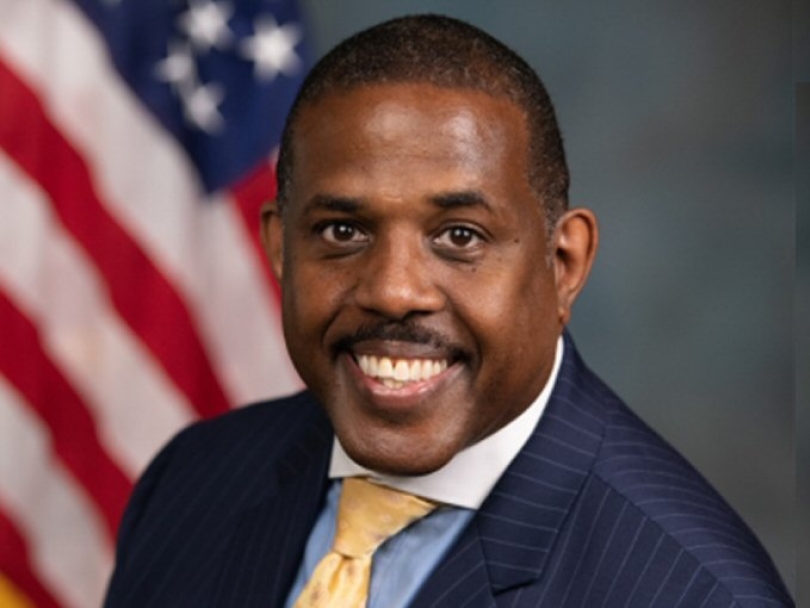
Kevin Parker
Kevin Parker Senate · District 21
D
Strong +
100% 7
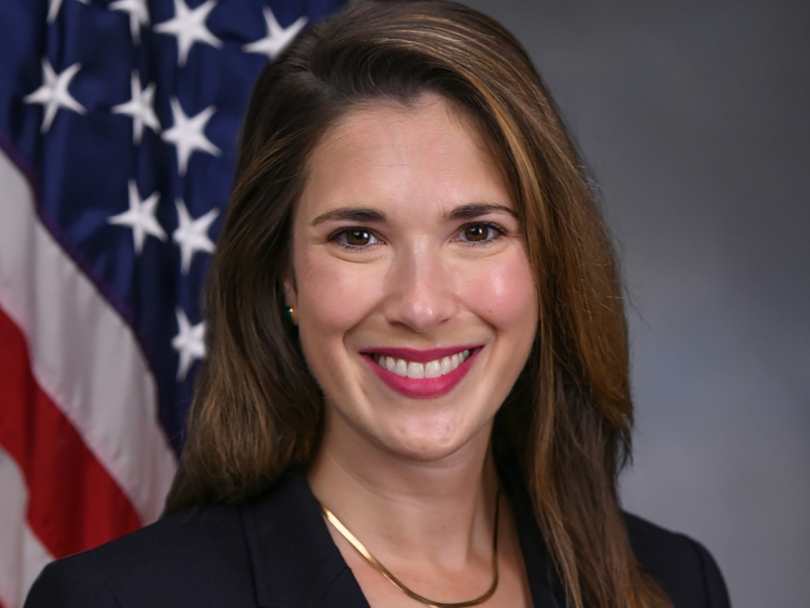
Michelle Hinchey
Michelle Hinchey Senate · District 41
D
Strong +
100% 7
James Skoufis
James Skoufis Senate · District 42
D
Strong +
100% 6
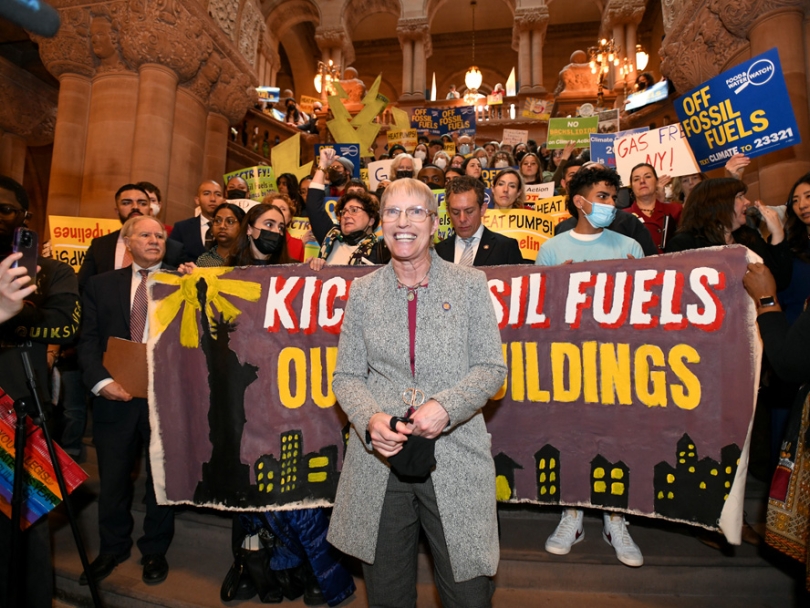
Rachel May
Rachel May Senate · District 48
D
Strong +
100% 6
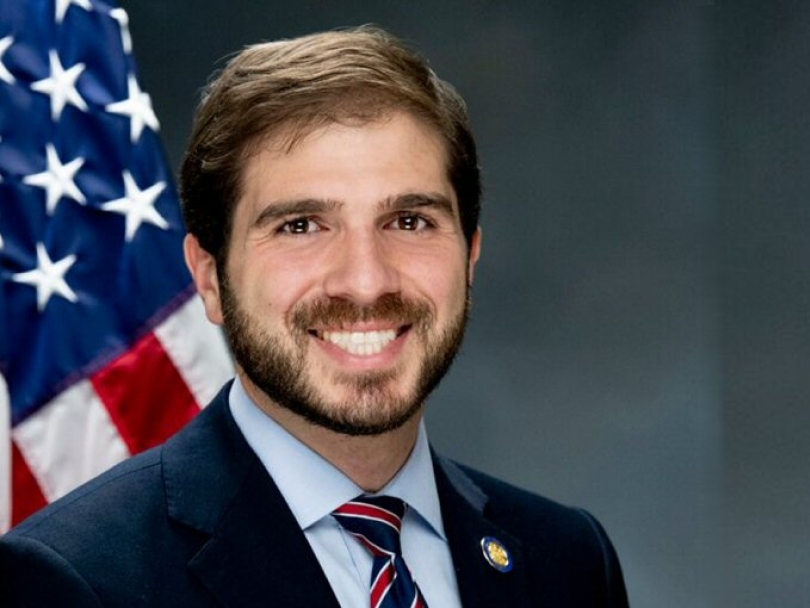
Andrew Gounardes
Andrew Gounardes Senate · District 26
D
Strong +
100% 5
Joe Griffo
Joe Griffo Senate · District 53
R
Strong −
0% 5
Mark Walczyk
Mark Walczyk Senate · District 49
R
Strong −
0% 5
Patrick Gallivan
Patrick Gallivan Senate · District 60
R
Strong −
0% 5
Alexis Weik
Alexis Weik Senate · District 8
R
Strong −
0% 3
Andrew Lanza
Andrew Lanza Senate · District 24
R
Strong −
0% 3
Showing 31–40 of 75 bills

All budget & taxes bills

in committee · New York · Assembly Jan 7, 2026

A 995: Provides for the establishment of a method for determining the lowest responsible bidder when negotiating state contracts

Provides for the establishment of a method for determining the lowest responsible bidder when negotiating state contracts that would incorporate quantifiable fiscal benefits.
Sub-Topics Procurement
passed · New York · Senate Jun 1, 2026

S 1157: Establishes the New York state first home savings program to authorize first time home buyers to establish savings accounts to buy their first home

New York's S 1157 establishes a state-run savings program to help first-time homebuyers save for purchasing their first primary residence in New York. The program creates tax-advantaged savings accounts managed by the state comptroller, allowing eligible residents to contribute funds that qualify for state income tax benefits under Section 612 of the tax law. To qualify, applicants must have no prior ownership of any home (including mobile homes claimed as personal property on tax returns) and must use funds exclusively for buying or building a home in New York to be used as their primary residence for at least two years. The bill outlines specific account rules, defines "first-time homebuyer," and specifies allowable expenses like purchase costs for houses, condos, or cooperative units within the state.
in committee · New York · Assembly Jan 7, 2026

A 7701: Relates to appointing a fiscal monitor for the metropolitan transportation authority

This bill (A 7701) appoints a fiscal monitor for the New York State Metropolitan Transportation Authority (MTA) to oversee its financial operations. The governor appoints the monitor (who must have public finance expertise and not be an MTA employee or relative of board members) for a five-year term. The monitor reviews the MTA’s budget, debt, procurement, and financial controls, then makes recommendations to improve management and reports findings to the governor, legislature, and public. The position is non-voting on the MTA board and funded through state appropriation.
Sub-Topics Procurement
in committee · New York · Assembly Feb 23, 2026

A 7991: Relates to authorizing small business tax-deferred savings accounts

Bill A 7991 authorizes eligible small businesses to establish tax-deferred savings accounts. These accounts allow small businesses to deposit up to $5,000 annually, with both the deposits and any earned interest being tax-deferred. Funds withdrawn from these accounts are not taxed if used for "qualifying purposes," such as purchasing tangible business property or other expenditures that enhance competitiveness and create or retain jobs. However, withdrawals made for non-qualifying purposes would be included in the business's taxable income. The Department of Economic Development and the Department of Taxation and Finance will provide annual reports on the program's utilization and economic impact.
Sub-Topics Business Taxes Procurement Tags Small Business
in committee · New York · Senate Jan 30, 2026

S 1351: Relates to requiring a referenced rate for prescription drugs

S 1351 creates a pilot program to control prescription drug costs by setting maximum prices ("referenced rates") based on the lowest prices for the same drugs in four Canadian provinces (Ontario, Quebec, British Columbia, and Alberta). It applies to state health programs and pharmacies purchasing drugs for state-funded health plans, requiring them to pay no more than the referenced rate for the five most expensive drugs identified by the state. Any savings generated from this pricing cap must be directly passed to consumers through reduced costs. The pilot runs for one year, with a report due to state leaders assessing its feasibility for broader expansion.
in committee · New York · Senate Jan 7, 2026

S 5620: Exempts from the mortgage recording tax mortgages executed by a veteran first time homebuyer

This bill exempts veteran first-time homebuyers in New York from paying the mortgage recording tax on new home purchases. It adds a new provision to tax law stating that mortgages executed by veterans (as defined in the Veterans' Services Law) who are first-time homebuyers are not subject to the mortgage recording tax. The exemption applies directly to qualifying veterans purchasing their first home, removing a financial cost associated with closing the mortgage. This is a concrete tax policy change affecting eligible veteran homebuyers, not a broader housing or veteran benefit program.
in committee · New York · Assembly Jan 7, 2026

A 5502: Requires annual audits of statewide opioid settlements

This bill requires annual independent audits of how New York State manages opioid settlement funds. It directly affects the Office of Addiction Services and Supports, which administers these funds. The law mandates that auditors (selected through competitive bidding) evaluate internal controls, identify weaknesses, and report findings publicly - including any significant issues. The audits must follow government auditing standards and include management recommendations for improvements.
in committee · New York · Senate Jan 7, 2026

S 5408: Provides for administration of certain funds for zero-emission school buses and supporting infrastructure

S 5408 authorizes NYSERDA to distribute $500 million for zero-emission school buses and supporting infrastructure, requiring contractors (like dealers, manufacturers, and retrofit companies) to submit a "New York jobs plan" detailing job creation, wages, benefits, and environmental commitments. The jobs plan must include specifics on hiring displaced workers, creating jobs in disadvantaged communities, using recycled materials, and responsibly sourcing minerals like lithium and cobalt. Incentive amounts for bus purchases or conversions are determined by the jobs plan, with higher payments for meeting goals related to job quality and community benefits. This directly affects school districts purchasing buses, contractors, and their suppliers.
in committee · New York · Senate Jan 7, 2026

S 2354: Relates to the definition of eligible vehicles for climate smart community projects

This bill amends New York's definition of eligible vehicles for climate smart community projects. It specifies that eligible vehicles must have "up to four wheels" (excluding larger vehicles like trucks or buses). The bill also sets rebate amounts between $2,500 and $5,500 per vehicle, based on electric range and estimated greenhouse gas reductions compared to gas vehicles. This directly affects residents and businesses purchasing qualifying smaller electric vehicles for climate initiatives under state programs.
in committee · New York · Assembly Dec 8, 2025

A 6838: Prohibits the inclusion of confidential clauses in contracts entered into for the purchase of services or commodities by the state

This bill prohibits New York state agencies from including confidential clauses in contracts for services or commodities. It directly affects state agencies when purchasing goods or services by banning terms that keep contract details private. The key provision requires all contract terms to be publicly available through the state's procurement newsletter, as defined in the law. This change aims to increase transparency in state spending without altering the actual purchasing process. The bill takes effect January 1st following its enactment.
Sub-Topics Procurement
Showing 31 to 40 of 75 bills
Previous 1 3 4 5 8 Next