Issue · Budget & Taxes

Budget & Taxes

Every budget & taxes bill, vote, and legislator stance in New York, automatically classified by Maddy, our AI policy reader.

Total bills
577
119th Congress
Top supporter
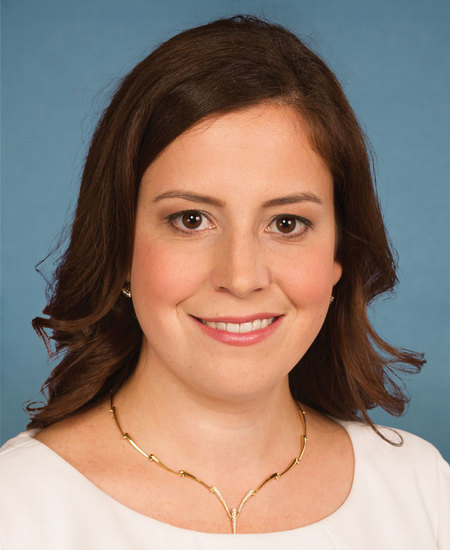
Elise M. Stefanik
69% support rate
Top opponent
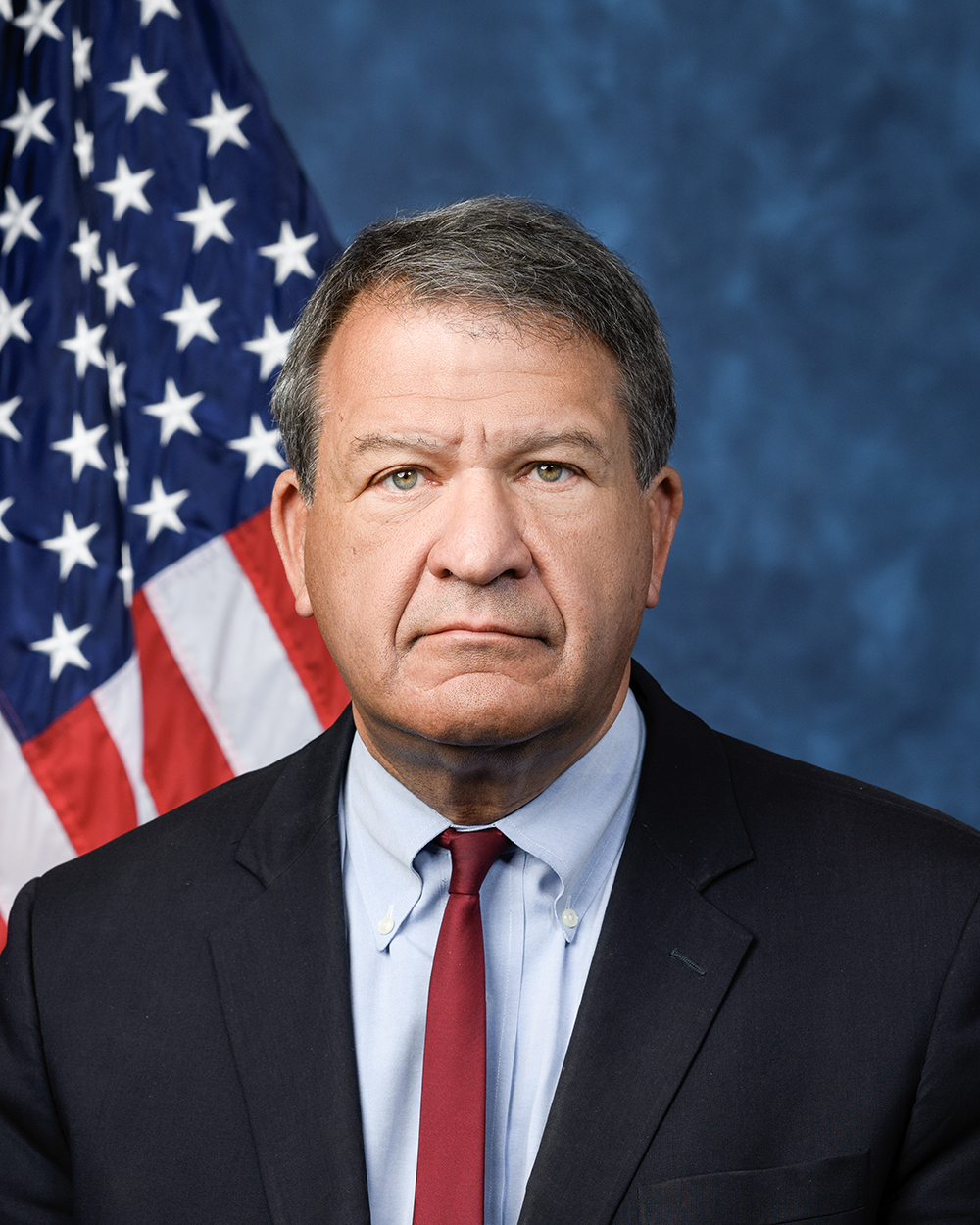
George Latimer
14% support rate
Ranked legislators
10
5 support · 5 oppose
Key legislators

Who's moving budget & taxes in New York

Legislators moving budget & taxes in New York
Legislator Party Stance Support rate Votes
Elise M. Stefanik
Elise M. Stefanik House · District 21
R
Support
69% 163
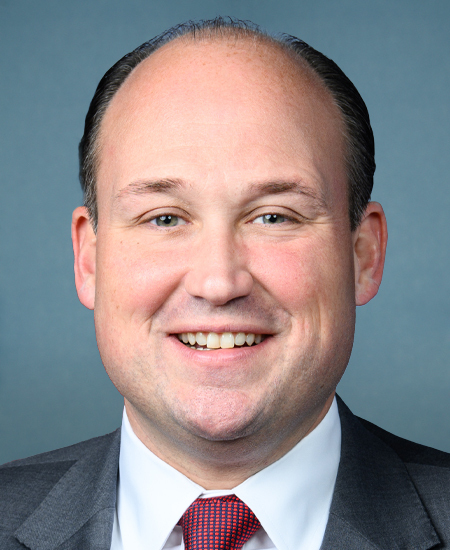
Nicholas A. Langworthy
Nicholas A. Langworthy House · District 23
R
Support
67% 184
Charles E. Schumer
Charles E. Schumer Senate
D
Support
65% 274
Kirsten E. Gillibrand
Kirsten E. Gillibrand Senate
D
Support
65% 272
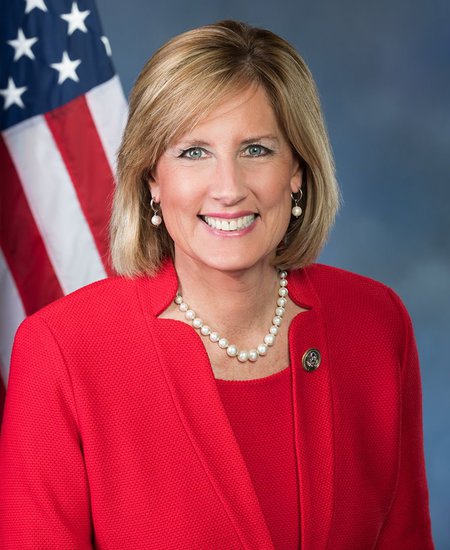
Claudia Tenney
Claudia Tenney House · District 24
R
Support
62% 184
George Latimer
George Latimer House · District 16
D
Strong −
14% 181
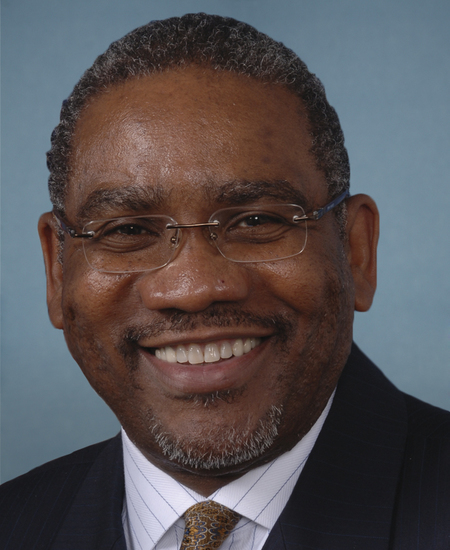
Gregory W. Meeks
Gregory W. Meeks House · District 5
D
Strong −
14% 181
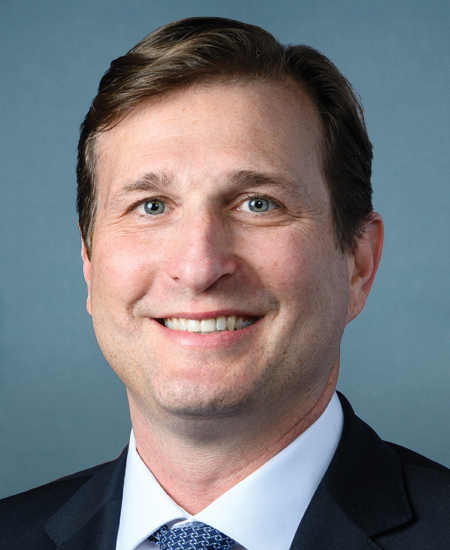
Daniel S. Goldman
Daniel S. Goldman House · District 10
D
Strong −
16% 179
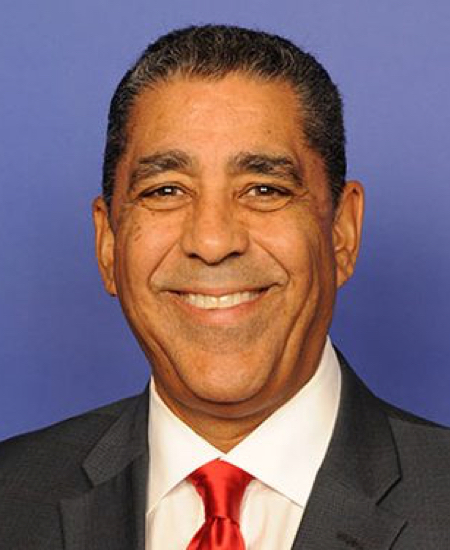
Adriano Espaillat
Adriano Espaillat House · District 13
D
Strong −
16% 186
Nydia M. Velázquez
Nydia M. Velázquez House · District 7
D
Strong −
17% 181
Showing 1–10 of 577 bills

All budget & taxes bills

in committee · United States · House Sep 3, 2026

HR 10256: Taxpayer Relief from Big Oil Act

The Taxpayer Relief from Big Oil Act would eliminate existing royalty relief programs for oil and gas companies operating in the Gulf of Mexico and Alaska, requiring these firms to pay full royalties on their production. The bill also mandates that the Department of Interior establish standardized transportation cost deductions for calculating royalties on federal lands and offshore waters, capping these deductions at either 30 percent of the total value of production or actual reasonable costs, whichever is lower. Additionally, the legislation requires the Bureau of Land Management and the Bureau of Ocean Energy Management to submit annual reports to Congress detailing the number of royalty relief applications processed, approved wells, and estimated impacts on government revenue.
in committee · United States · House Jul 27, 2026

HR 9958: Head Start Expansion and Improvement Act of 2026

The Head Start Expansion and Improvement Act of 2026 broadens eligibility for early childhood education services by including recipients of various public assistance programs, such as food stamps and Medicaid, in the definition of qualifying families. The bill authorizes $36 billion annually from fiscal years 2027 through 2032 to support these expanded operations and creates a separate grant program providing $1 billion per year until 2030 for agencies to repair or upgrade aging facilities with safety hazards. Additionally, the legislation establishes a loan forgiveness program that cancels federal student loans for childcare workers who complete three years of full-time service in Head Start or Early Head Start programs. Finally, it authorizes $6.8 billion annually through 2032 to provide salary supplements to Head Start employees, with funding allocated based on local wage gaps and cost-of-living factors.
in committee · United States · House Aug 27, 2026

HR 10171: Improving Health Through Integrated Food and Nutrition Services at Federally Qualified Health Centers Act

The Improving Health Through Integrated Food and Nutrition Services at Federally Qualified Health Centers Act directs the Department of Health and Human Services to create a competitive grant program for federally qualified health centers. These grants would fund activities such as screening patients for food insecurity, operating on-site food pantries, hiring nutrition professionals, and partnering with local food banks. The bill also requires the administration to coordinate with federal agencies to streamline patient enrollment in existing assistance programs like SNAP and WIC, while exploring ways to make nutrition services reimbursable through Medicaid. Recipients must submit annual reports detailing their impact, and the legislation authorizes $100 million per year for fiscal years 2027 through 2031 to support these efforts.
Sub-Topics Medicaid Primary Care
in committee · United States · House Aug 17, 2026

HR 10112: Empowering States to Protect Seniors from Bad Actors Act

The Empowering States to Protect Seniors from Bad Actors Act authorizes the Securities and Exchange Commission to distribute competitive grants to state securities commissions and insurance departments to combat financial fraud targeting individuals aged 62 and older. These funds can be used to hire staff for investigations, purchase technology and training equipment, develop educational materials for seniors, and strengthen state laws against exploitation. Each eligible entity may receive up to $500,000 annually, or $1,000,000 if the state agency handles both securities and insurance regulation. The bill appropriates $10 million per year from fiscal years 2025 through 2030 and requires the Commission to conduct annual audits and submit effectiveness reports to Congress at two and five-year intervals.
Tags Seniors
in committee · United States · House Aug 27, 2026

HR 10162: STORMWATER Act

The STORMWATER Act extends the funding period for stormwater control infrastructure technology centers from fiscal years 2022-2026 to 2027-2031. It mandates that exactly five of these centers be established, rather than a range of three to five as previously allowed. Additionally, the bill requires that one of the designated centers be located in and focused on the Great Lakes region.
Sub-Topics Water Quality
in committee · United States · House Sep 3, 2026

HR 10277: Access to School Supplies Act of 2026

The Access to School Supplies Act of 2026 establishes a five-year pilot program that provides competitive grants to up to ten local school districts serving high-poverty schools. These funds are intended to help districts purchase books, supplies, and other materials for students and instructional staff at no cost. The legislation authorizes $100 million annually from fiscal years 2027 through 2031 and requires recipients to submit annual reports detailing how the money was spent and which schools benefited. A small portion of the total funding is reserved for outlying areas and Bureau of Indian Education schools, while the program sunsets on September 30, 2031.
in committee · United States · House Sep 2, 2026

HR 10233: SMASH 2.0 Act

The SMASH 2.0 Act reauthorizes the federal mosquito abatement program through fiscal year 2030, maintaining annual funding at $100 million for state and local public health agencies. The bill allows the Secretary of Health and Human Services to consider innovative technologies when awarding grants for mosquito prevention and control. It also permits grant recipients to use up to 5 percent of their funds for staff training and continuing education. Additionally, the legislation directs the Department of Health and Human Services to prepare emergency stockpiles of vector-borne disease control products in coordination with the Strategic National Stockpile.
Sub-Topics Public Health
in committee · United States · House Jul 21, 2026

HR 9795: Never Forget the Victims of Terrorism: Joseph D. Mistrulli and Alan Kleinberg USVSST Fund Solvency Act

This bill establishes a temporary funding mechanism for the United States Victims of State Sponsored Terrorism Fund by requiring the Treasury Department to loan $3 billion annually to the fund for fiscal years 2027, 2028, and 2029. The borrowed money must be distributed immediately to victims as part of the annual payment and cannot be saved for future use. Interest on these loans will be set by the Treasury based on market rates and will be repaid only from future fines and penalties collected from state sponsors of terrorism after the fund ends. The authority to make these loans expires on September 30, 2029, and the funds are treated as direct spending rather than new appropriations.
in committee · United States · House Aug 6, 2026

HR 10060: Presidential Tax Accountability and Audit Integrity Act

This bill, known as the Presidential Tax Accountability and Audit Integrity Act, prevents the President and their close family members or related business associates from entering into agreements that waive or release federal tax debts while the President is in office. It stops the IRS from honoring any such waivers or orders made during the President's term and requires the agency to publicly report the identities of any taxpayers affected by these instruments within seven days. Additionally, the law ensures that the standard time limits for the government to collect unpaid taxes or sue for collection do not expire until at least three years after the President leaves office. These measures aim to increase transparency and maintain the integrity of the tax system by restricting special treatment for the highest office holder and their connections.
in committee · United States · House Aug 3, 2026

HR 10030: Supporting Our Educators Act of 2026

The Supporting Our Educators Act of 2026 increases the tax deduction limit for unreimbursed classroom expenses for elementary and secondary school teachers from $250 to $600. This change directly affects teachers who pay for school-related costs out of pocket, allowing them to deduct a larger portion of these expenses from their taxable income. The provision becomes effective for tax years starting after December 31, 2025, and includes updates to the Internal Revenue Code to reflect the new dollar amount and applicable years.
Showing 1 to 10 of 577 bills
1 2 3 58 Next