Maddy summaryHB 47 amends New Mexico law to change how school districts and charter schools cover insurance costs for their employees. It requires these entities to pay at least 80% of insurance costs for employees earning under $50,000 annually, 70% for those earning $50,000-$60,000, and 60% for those earning over $60,000. The bill also mandates a study on the long-term sustainability of these insurance programs and includes provisions for cost-containment measures in health benefit plans. This directly affects public school employees and school districts across New Mexico, shifting their contribution responsibilities compared to current law.
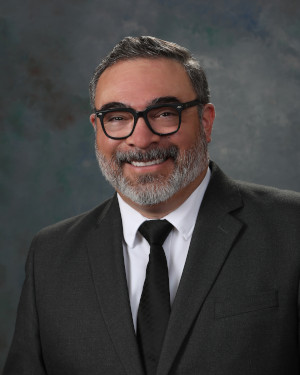
Rep. Ray Lara
Sponsored bills
Maddy summaryHouse Memorial 9 declares January 21, 2026, as "Mexico-New Mexico Advocacy Day" to recognize the cultural, economic, and trade ties between New Mexico and Mexico. The memorial highlights Mexico as New Mexico’s top trading partner (with $7 billion in exports in 2024) and emphasizes shared Hispanic/Latino heritage, border commerce, and collaboration with the Albuquerque Mexican consulate. It does not create new laws or programs but symbolically celebrates existing partnerships. The resolution was passed by the New Mexico House of Representatives and directs the memorial to be shared with the Mexican consulate and state leadership.
Maddy summaryThis bill (HB 3) is a funding authorization for New Mexico's Department of Transportation (DOT) for fiscal year 2027. It allocates specific budget amounts for highway construction and maintenance ($556 million for design/construction, $321 million for operations), including funding for road projects, bridge inspections, and equipment. The bill includes performance targets, such as maintaining 95% of bridges in fair or better condition and completing 88% of projects on schedule. It directly affects DOT operations and state highway infrastructure management, with no new policy changes - only funding allocation.
Maddy summaryHB 160 requires drivers approaching railroad crossings to "stop, look, and listen" for all rail equipment - including maintenance vehicles and switching cars - not just trains. It amends New Mexico traffic laws to mandate stopping 15-50 feet from the tracks when approaching a crossing if any rail equipment is visible, audible, or blocking the path. This applies to all drivers (Section 66-7-341) and specifically reinforces safety steps for commercial vehicles carrying passengers, hazardous materials, or school buses (Section 66-7-343). The bill expands existing rules to address non-train rail equipment, with exceptions for crossings with active traffic control or official exemptions. The law aims to reduce crossing collisions by requiring proactive observation of all rail traffic.
Maddy summaryHB 523 would require New Mexico public school administrators to review requests from federal immigration agents with a judicial warrant to enter a school. The bill specifies that school leaders must determine if access is permitted by law before granting entry. It directly affects school superintendents and charter school heads who would need to evaluate such warrant-based access requests. The bill was introduced in 2025 but was postponed indefinitely on June 3, 2025, and has not advanced further. This is a procedural measure focused on school access protocols, not a substantive change to immigration enforcement or school operations.
Maddy summaryHB 539 creates the Camino Real Regional Utility Authority in New Mexico to provide water and wastewater services, replacing a previous joint agreement between Sunland Park city and Dona Ana County. The authority will be governed by a seven-member board elected by residents within its service area, with powers to set water rates, issue revenue bonds, and manage infrastructure. Key provisions include establishing perpetual liens on properties for unpaid bills, authorizing the board to fix rates (with expert recommendations), and ensuring the authority operates independently from the Public Regulation Commission. This special district directly affects property owners and water users in the designated service area.
Maddy summaryHB 482 creates a three-year pilot program to provide technical, financial, and managerial assistance to public community water and wastewater systems across New Mexico. Administered by the state’s local government division, the program uses $900,000 in general fund appropriations (for fiscal years 2026-2028) to support these systems. Unspent funds after 2028 would revert to the general fund. The bill directly affects community water/wastewater providers seeking operational support, with no new regulations or eligibility requirements specified.
Maddy summaryHB 94 sets maximum class sizes for kindergarten through third grade in New Mexico public schools. School districts must include specific class load data in their annual budget plans and obtain special approval for temporary waivers exceeding these limits. The bill requires districts to report how funds are used to maintain these class size requirements, including details on instructional staffing and resource allocation. It directly affects K-3 public school districts and their budget planning processes.
Maddy summaryHB 574 prohibits unlicensed individuals from providing immigration consultations or services, including using the titles "notario" or "notario publico," by adding this practice to New Mexico's definition of "unfair or deceptive trade practice" under the Unfair Practices Act. It directly affects immigration consultants who operate without a law license or attorney supervision, particularly those misrepresenting themselves as "notarios." The bill makes such actions illegal under state consumer protection law, requiring providers to either hold a law license or work under a licensed attorney. This amendment aims to prevent deceptive practices targeting immigrants seeking legal assistance. The bill was referred to committees but was postponed indefinitely in June 2025.
Maddy summaryHB 193 tasks New Mexico's Legislative Education Study Committee with conducting an ongoing analysis of the state's public education system, including laws, policies, and costs. The committee must produce annual reports to the legislature by the tenth day of each odd-year session, focusing on areas not already covered by existing studies (like those by the Board of Educational Finance). This bill does not change current education policies but establishes a formal process for the committee to evaluate the system and recommend future legislative action. The study aims to inform potential policy decisions based on the committee's findings.