Maddy summaryThis bill requires most private health insurance plans to cover diagnostic and supplemental breast exams with no out-of-pocket costs (like deductibles or copays) for enrolled patients. It specifically covers exams used to evaluate abnormalities found in screenings (diagnostic) or for high-risk screening without abnormalities (supplemental), based on medical guidelines. Plans can still require prior authorization for these exams, and state laws offering stronger protections remain in effect. The rule takes effect for plan years starting January 1, 2026.
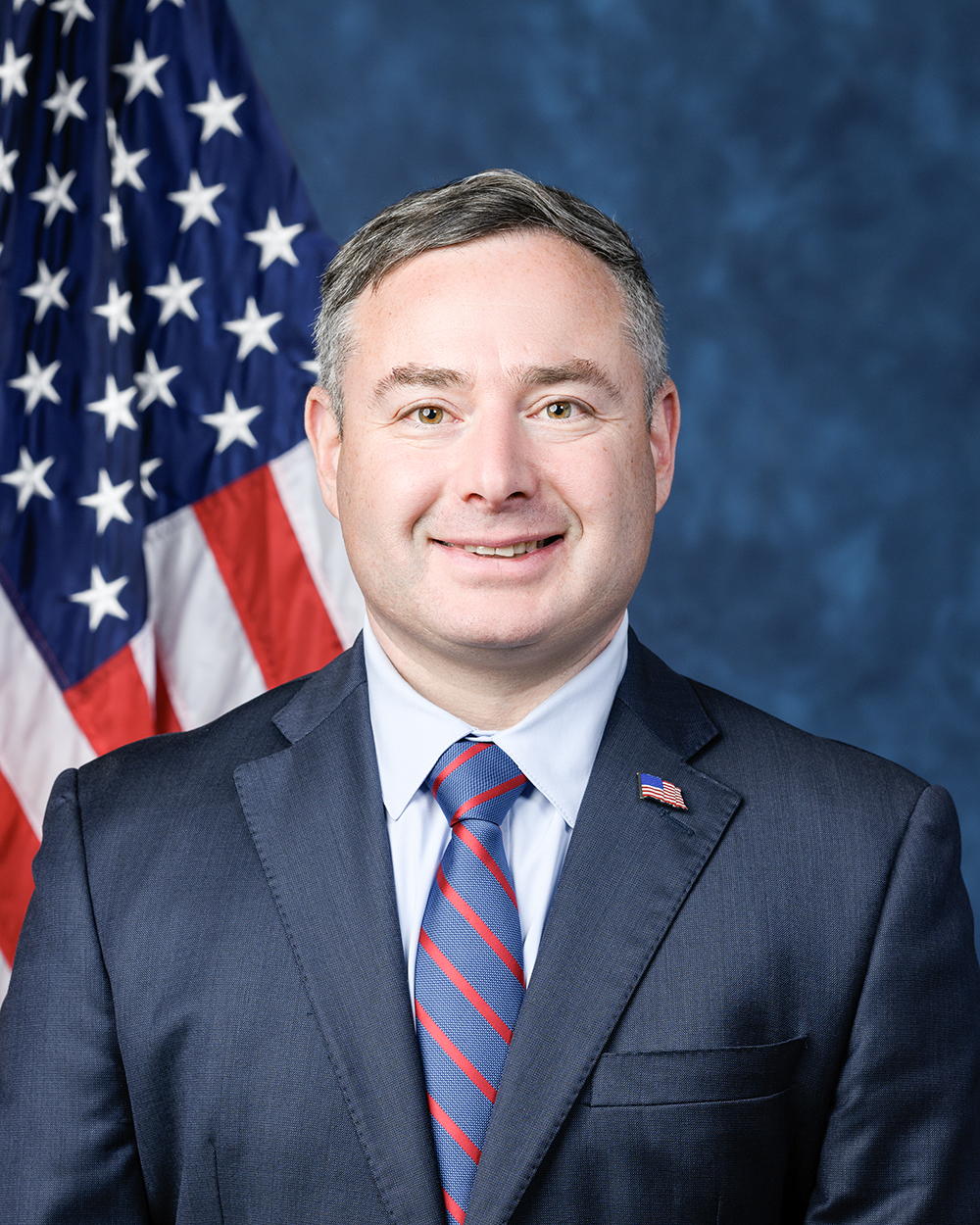
Rep. Eugene Simon Vindman
Sponsored bills
Maddy summaryHR 3045, the West Bank Violence Prevention Act of 2025, imposes U.S. sanctions on foreign individuals and entities responsible for violence, displacement, or property destruction in the West Bank. It targets those directly involved in attacks on civilians, forced displacement, or property seizures, including settler leaders or officials of groups engaged in such activities. Key provisions require freezing assets of sanctioned individuals within U.S. jurisdiction and blocking their entry into the United States via visa restrictions. The law applies to foreign nationals meeting specific criteria outlined in the bill, not U.S. citizens or entities.
Maddy summaryHR 3038, the SAFE Act of 2025, requires U.S. agencies to proactively negotiate agreements with key export markets before animal disease outbreaks disrupt trade. It directs the USDA, in coordination with the Trade Representative, to establish geographic agreements (like regionalization or separate management zones) for livestock and meat exports during known disease threats. This affects U.S. livestock producers and exporters by aiming to prevent trade barriers during disease incidents. The bill amends the Animal Health Protection Act to create this pre-emptive negotiation process, without altering other trade agreement negotiations.
Maddy summaryHR 3010, the "No Handouts for Drug Advertisements Act," prohibits pharmaceutical companies from deducting the costs of direct-to-consumer advertising for prescription drugs from their federal taxable income. Specifically, it amends the Internal Revenue Code to disallow tax deductions for advertising expenses related to covered drugs (prescription drugs and certain compounded drugs) when targeted directly at the general public through TV, radio, digital platforms, or billboards. This policy change directly affects pharmaceutical companies that run such advertising campaigns, requiring them to pay taxes on the full cost of these promotions. The bill does not apply to ads in medical journals or other professional publications. It takes effect for expenses incurred after enactment.
Maddy summaryHR 3024, the "Stamp Out Invasive Species Act," creates a semipostal stamp sold by the U.S. Postal Service to raise funds for programs combating invasive species. The public can purchase this stamp at a slight premium (up to 25% above standard postage), with all proceeds split equally between the Department of the Interior and the Department of Agriculture for invasive species management. The stamp would be available for sale for two years after enactment, with funds transferred to the agencies at least twice yearly. This bill directly affects the public through voluntary stamp purchases and the agencies through dedicated funding for ecosystem protection.
Maddy summaryHR 3008, the Holocaust Insurance Accountability Act of 2025, creates a federal legal pathway for beneficiaries to recover funds from Holocaust-era insurance policies issued between 1933 and 1945 in Nazi-occupied areas or Switzerland. It directly affects Holocaust survivors, their heirs, and insurers that issued these policies, by overriding a 2003 Supreme Court ruling (Garamendi) that previously blocked state law enforcement of disclosure requirements. Key provisions include establishing federal court jurisdiction for claims, invalidating prior settlements based on the Garamendi decision, and setting a 10-year deadline from enactment to file claims. The bill ensures beneficiaries can pursue recovery under state law or federal common law without defenses tied to foreign policy preemption.
Maddy summaryThis bill amends the Seniors Farmers' Market Nutrition Program by adding "tree nuts (including shelled tree nuts)" to the list of eligible items seniors can purchase with program benefits. It directly affects seniors enrolled in the program who shop at participating farmers' markets. The key change is a technical update to the program's eligibility rules, expanding the types of food items covered under Section 4402(b)(1) of the 2002 Farm Security Act (7 U.S.C. 3007(b)(1)). The bill does not create new funding or significantly alter the program's structure.
Maddy summaryThe Fight Fentanyl Act increases annual funding for fentanyl-related law enforcement efforts to $333 million from 2025 through 2030. It requires the Office of National Drug Control Policy to report annually on how HIDTA (High Intensity Drug Trafficking Area) funds target fentanyl trafficking, including seizure data and threat assessments. The bill also mandates the Attorney General to prioritize fentanyl prosecutions by temporarily reassigning U.S. attorneys to these cases. These provisions directly affect federal, state, local, and tribal law enforcement agencies working on fentanyl interdiction and prosecution.
Maddy summaryThe Advancing Water Reuse Act creates a 30% tax credit for businesses investing in qualifying water recycling systems. It directly affects industrial, manufacturing, data center, and food processing facilities that replace freshwater use with recycled water from municipal sources, as well as projects building municipal water recycling infrastructure to serve these sectors. The credit covers 30% of the cost for eligible equipment, such as new onsite recycling systems or municipal infrastructure upgrades. This policy is available for projects completed by December 31, 2032, with specific rules allowing businesses to claim the credit even if equipment is later transferred to water utilities.
Maddy summaryHR 2921, the Federal Firefighter Cancer Detection and Prevention Act of 2025, requires the Department of Defense (DOD) to provide free, regular cancer screenings during annual health assessments for its firefighters. It mandates specific screenings: biannual mammograms for female firefighters aged 40-49, annual for those 50+, colon cancer screenings starting at age 45 with options like colonoscopy, and annual prostate-specific antigen tests for male firefighters aged 50+ or high-risk individuals (e.g., African American firefighters or those with family history). The bill also requires DOD to document screening rates, cancer trends, and share anonymized data with the CDC for research, while allowing firefighters to opt out of any screening. This applies exclusively to DOD firefighters, not all firefighters nationwide.