Maddy summaryThis resolution commemorates the 250th anniversary of the United States by reaffirming the nation's historical commitment to separating church and state. It highlights key constitutional principles, such as the First Amendment and the prohibition of religious tests for public office, which protect individual religious freedom and prevent government endorsement of specific beliefs. The document cites historical figures like Thomas Jefferson and James Madison to underscore the importance of maintaining a secular government that safeguards religious pluralism. Ultimately, the measure serves as a formal statement of values rather than a law that changes existing policies or imposes new requirements.
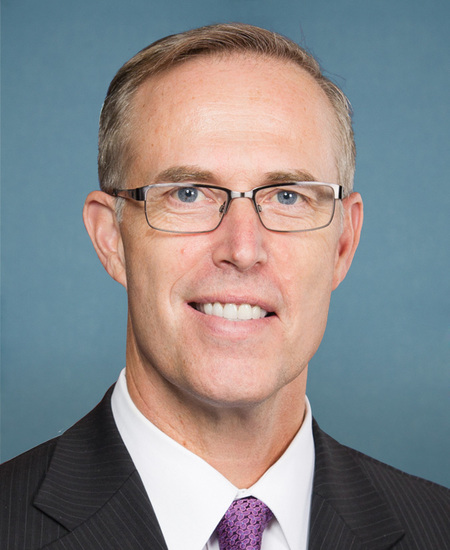
Rep. Jared Huffman
Sponsored bills
Maddy summaryThe LIFT the BAR Act aims to restore access to federal benefits for lawfully present noncitizens by repealing several restrictions imposed by the 1996 welfare reform law and a 2024 reconciliation bill. Specifically, it would allow eligible noncitizens to receive SNAP food assistance, Medicaid, CHIP, and child nutrition programs, while also updating legal terminology to refer to "noncitizens" rather than "aliens" in relevant statutes. The legislation includes provisions to ensure these individuals can qualify for premium tax credits and would require federal agencies to issue implementation guidance within 180 days of enactment.
Maddy summaryThis bill, titled the Encouraging Public Service in Our National Parks and Public Land Act, requires the Secretary of the Interior to make specific federal recreational lands and waters free of admission fees on designated dates throughout the year. The key provision mandates that these free access days include Martin Luther King Jr. Day, the first day of National Park Week, Juneteenth, Great American Outdoors Day, National Public Lands Day, and Veterans Day. Additionally, the legislation grants the Secretary the authority to establish extra fee-free days beyond those listed. These changes directly affect visitors to national parks and other federal recreational areas by providing them with guaranteed free entry on these holidays and observances.
Maddy summaryThis resolution seeks to impeach Linda M. McMahon, the Secretary of Education, for three specific articles of misconduct: willfully violating federal laws, making false statements to Congress, and breaching the public trust. The bill alleges that McMahon illegally transferred the operations of six essential offices within the Department of Education to other federal agencies without congressional approval, contrary to the Department of Education Organization Act. It also claims she misled the Senate by promising to spend all congressionally appropriated funds while simultaneously canceling hundreds of grants and freezing funding for various educational programs. Additionally, the resolution accuses her of terminating approximately 2,000 employees, which disrupted the department's ability to manage federal funds and deliver services. If the House votes to adopt this resolution, the articles of impeachment would be sent to the Senate for a trial that could result in her removal from office.
Maddy summaryThis resolution expresses the House of Representatives' sense that Congress must urgently restore the Voting Rights Act of 1965 to protect against racial discrimination in voting and ensure fair political representation for all Americans. It specifically calls for ending the 60-vote threshold in the Senate to allow for easier passage of legislation and proposes structural changes to the Supreme Court, including term limits for justices, a binding code of ethics, and potentially expanding the court's size. The text argues that recent Supreme Court decisions have weakened voting protections and enabled partisan gerrymandering, threatening the political power of communities of color and undermining democratic institutions. By outlining these specific legislative and structural goals, the bill aims to rebuild public trust in the judiciary and strengthen the mechanisms that guarantee equal access to the ballot box.
Maddy summaryThis bill redesignates the existing National Parks and Public Land Legacy Restoration Fund as the America's Legacy Restoration Fund to address deferred maintenance on federal lands. It directs revenue from recreation fees and a portion of energy development income into the fund, which must be used primarily for repairing critical infrastructure like roads, trails, and buildings managed by agencies such as the National Park Service and the Forest Service. The legislation establishes strict rules requiring that most funds go toward non-transportation projects, mandates transparency through public dashboards tracking project status, and sets aside a small percentage for matching private donations. Additionally, the bill increases entrance fees for foreign visitors to ensure they contribute to the fund, while prohibiting the use of these specific funds for land acquisition or employee bonuses.
Maddy summaryThe Protect Local Funding Act prohibits federal agencies from finalizing, implementing, or enforcing a specific proposed rule regarding federal financial assistance scheduled for publication in May 2026. This legislation directly affects the Office of Management and Budget and other federal agencies by legally blocking them from acting on that particular regulation. By preventing the enforcement of this rule, the bill aims to stop a specific administrative action that could impact how federal funds are distributed. The measure does not alter existing funding programs but rather serves as a procedural barrier to a future regulatory change.
Maddy summaryThe Keep Public Funds in Public Schools Act of 2026 eliminates a federal tax credit that allowed parents to deduct contributions to scholarship granting organizations from their income. By removing these specific tax breaks, the bill prevents the use of public tax dollars to support private school vouchers and scholarship programs. This change directly affects families who currently rely on these tax incentives to fund education outside the public school system. The provisions take effect for taxable years beginning after December 31, 2026.
Maddy summaryThe Alan S. Lowenthal Blue Whales, Blue Skies Act directs the National Oceanic and Atmospheric Administration to create a voluntary program that encourages large ships to slow down to reduce pollution, greenhouse gas emissions, and risks to whales. Ships that are 300 gross tons or larger and operate in designated areas along the U.S. Pacific coast can participate by voluntarily limiting their speed to 10 knots or lower. In exchange for verified compliance, eligible vessel owners may receive annual Excellence Awards and display an official logo on their vessels to show their commitment to the program. The legislation explicitly states that joining the program is optional, provides no financial incentives, and does not compromise navigation safety. Additionally, the bill requires officials to review the possibility of expanding the program to cover all shipping channels along the Pacific coast within four years.
Maddy summaryThe Artificial Intelligence Environmental Impacts Act of 2026 directs the Environmental Protection Agency to study and report on the environmental effects of artificial intelligence, including energy and water use, pollution, and electronic waste. This bill requires large data centers to annually submit detailed public reports on their resource consumption and environmental footprint, with penalties for non-compliance. Additionally, it establishes a stakeholder consortium to develop standardized methods for measuring these impacts and to identify ways to promote beneficial uses of AI while reducing negative effects. The legislation aims to increase transparency and accountability regarding the growing environmental costs associated with AI infrastructure and operations.