Issue · Technology

Technology

Every technology bill, vote, and legislator stance in New Jersey, automatically classified by Maddy, our AI policy reader.

Total bills
263
119th Congress
Top supporter
Josh Gottheimer
83% support rate
Top opponent
Thomas H. Kean, Jr.
32% support rate
Ranked legislators
8
5 support · 3 oppose
Key legislators

Who's moving technology in New Jersey

Legislators moving technology in New Jersey
Legislator Party Stance Support rate Votes
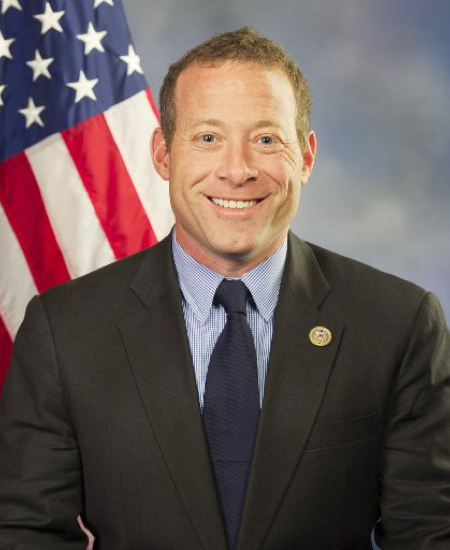
Josh Gottheimer
Josh Gottheimer House · District 5
D
Strong +
83% 239
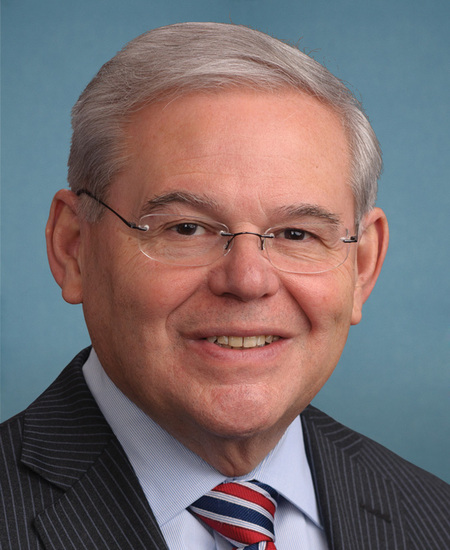
Robert Menendez
Robert Menendez House · District 8
D
Strong +
82% 263
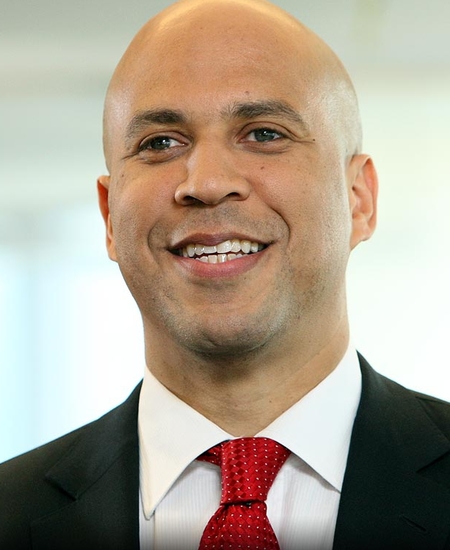
Cory A. Booker
Cory A. Booker Senate
D
Strong +
82% 226
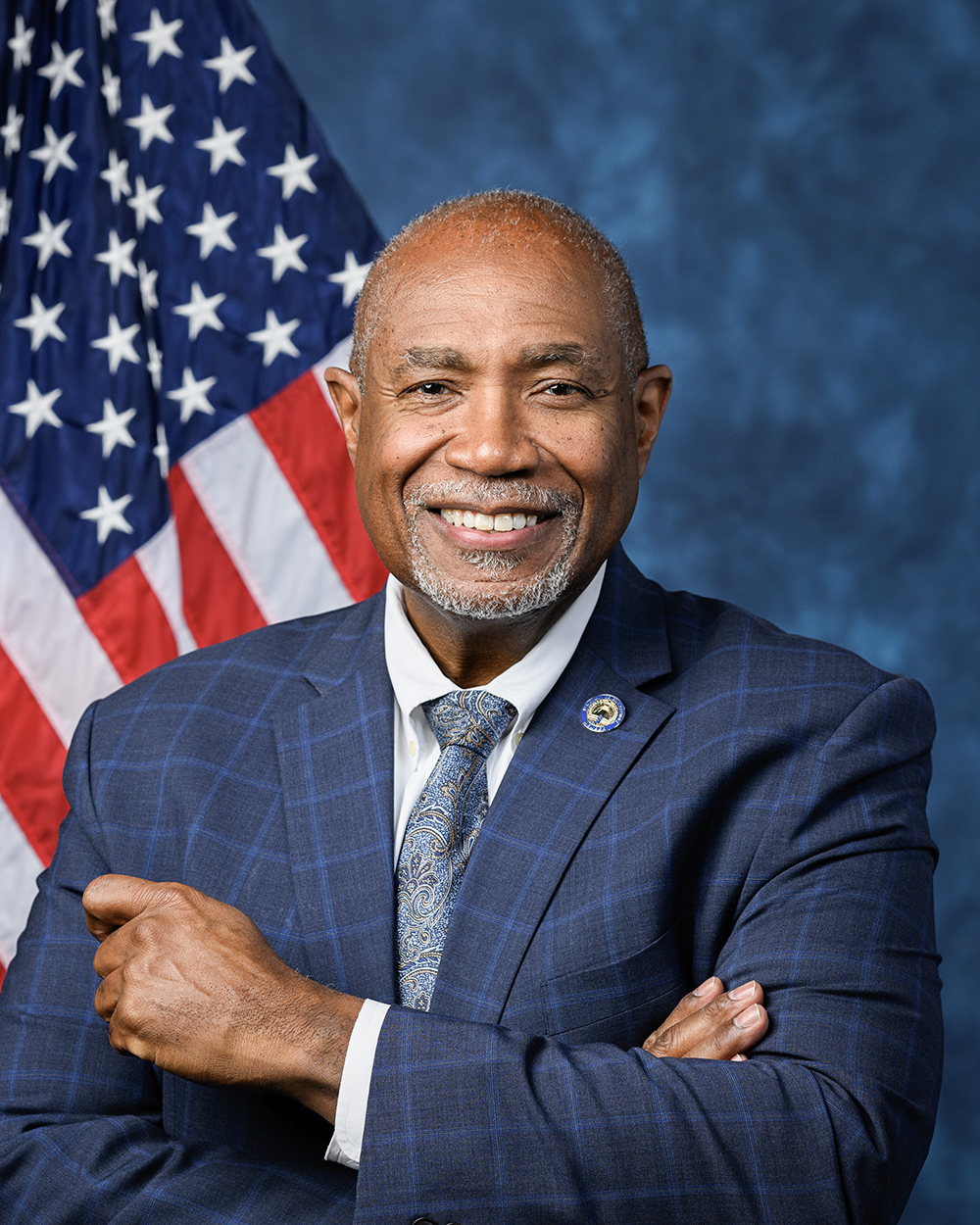
Herbert C. Conaway, Jr.
Herbert C. Conaway, Jr. House · District 3
D
Support
79% 256
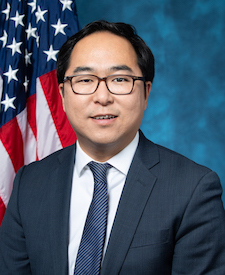
Andy Kim
Andy Kim Senate
D
Support
78% 231
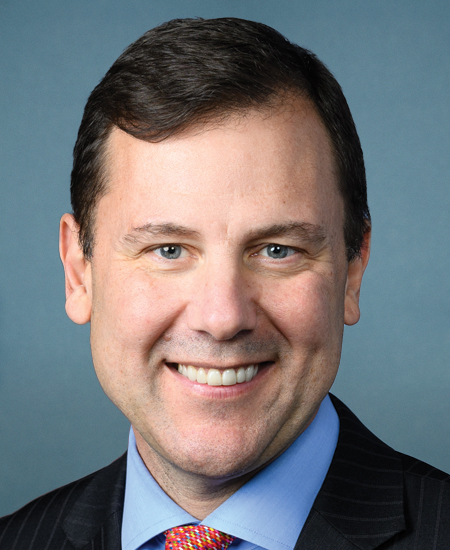
Thomas H. Kean, Jr.
Thomas H. Kean, Jr. House · District 7
R
Oppose
32% 216
Christopher H. Smith
Christopher H. Smith House · District 4
R
Oppose
36% 263
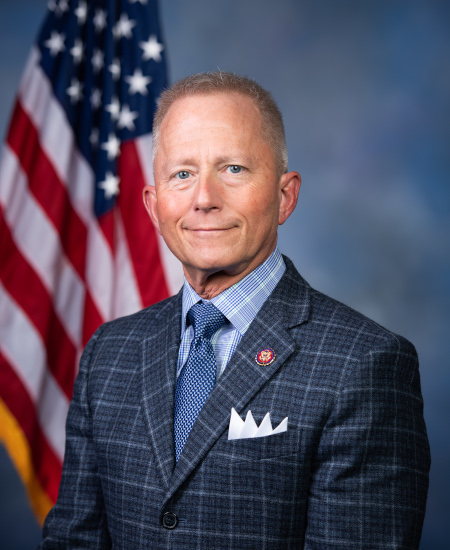
Jefferson Van Drew
Jefferson Van Drew House · District 2
R
Mixed −
41% 263
Showing 1–10 of 263 bills

All technology bills

in committee · United States · House Sep 8, 2026

HR 10309: HOMEFRONT Act of 2026

The HOMEFRONT Act of 2026 prohibits U.S. courts from recognizing or enforcing foreign judgments based on censorship laws if the underlying conduct would be protected by the First Amendment in the United States. The bill places the burden of proof on the party seeking enforcement to demonstrate that the foreign court's jurisdiction and the specific judgment comply with U.S. constitutional standards and Section 230 of the Communications Act. It also bars federal, state, and local government officials from assisting foreign governments in enforcing such laws against U.S. persons and prevents the extradition of individuals for speech protected domestically. Additionally, the legislation grants affected individuals a private right of action to seek damages and requires the Attorney General to submit annual reports on foreign censorship impacts while directing the Federal Trade Commission to maintain a database of targeted speech instances.
in committee · United States · House Sep 8, 2026

HR 10315: AI LABS Act

The AI LABS Act directs the Secretary of Education to provide competitive grants to states for establishing or expanding artificial intelligence programs in elementary and secondary schools. These funds are specifically designated for creating dedicated curricula that teach students how to use and understand AI, as well as providing professional development for teachers to integrate these tools into their instruction. Additionally, the bill requires the Secretary to conduct a study on how states utilize the grant money and submit a report with recommendations to Congress within one year of enactment.
in committee · United States · Senate Jul 22, 2026

S 5066: Health Equity and Accountability Act of 2026

The Health Equity and Accountability Act of 2026 is a comprehensive legislative proposal designed to reduce health disparities by mandating standardized data collection on race, ethnicity, gender identity, and socioeconomic status across federal health programs. The bill requires the Department of Health and Human Services to establish new commissions and task forces focused on preventing bias in artificial intelligence and ensuring equitable data reporting during public health emergencies. It also expands access to care for underserved populations by removing citizenship barriers to Medicaid, increasing funding for minority-serving institutions, and requiring culturally and linguistically appropriate services from federally assisted health providers. Additionally, the legislation addresses specific disease disparities through targeted research grants and mandates that drug manufacturers investigate and report on racial or ethnic differences in drug safety and effectiveness.
in committee · United States · House Aug 27, 2026

HR 10166: Foreign Propaganda Disclosure Act

The Foreign Propaganda Disclosure Act amends the Foreign Agents Registration Act to explicitly include social media influencers in its regulatory scope. The bill defines a social media influencer as any individual who maintains a monetized account on a social media platform, using an existing definition from the Trafficking Victims Prevention and Protection Reauthorization Act of 2022. By making this addition, the legislation requires these specific digital content creators to comply with the same registration and disclosure obligations currently applied to other foreign agents.
Sub-Topics Social Media
in committee · United States · Senate Aug 6, 2026

S 5284: Green New Deal for Public Housing Act

The Green New Deal for Public Housing Act directs federal funds to public housing agencies and tribal entities to rehabilitate, modernize, and electrify the nation's public housing stock into zero-carbon homes within ten years. The bill establishes grant programs that require recipients to conduct deep energy retrofits, install renewable energy systems, upgrade water quality infrastructure, and provide high-speed internet access to residents. In exchange for these funds, agencies must commit to maintaining their total number of housing units, ensuring displaced residents can return to their original projects, and adhering to strict labor standards that prioritize hiring low-income individuals and supporting resident-owned businesses. Additionally, the legislation strengthens tenant participation by mandating the formation of elected resident councils in larger developments and providing stipends for volunteer officers who help manage community operations.
in committee · United States · Senate Aug 5, 2026

S 5252: BLADE Act

The BLADE Act directs the Department of Commerce to identify foreign entities, particularly those from China and Russia, that are conducting unauthorized "model extraction attacks" to steal capabilities from U.S. closed-source artificial intelligence models. The bill requires the government to publish a public list of these attackers and mandates their addition to the Entity List, which restricts their access to certain technologies and exports. Additionally, it authorizes the President to impose financial sanctions on identified individuals and entities, with specific exceptions for humanitarian assistance and national security activities.
in committee · United States · House Aug 4, 2026

HR 10040: No TSA Data for ICE Act

This bill, titled the No TSA Data for ICE Act, prohibits the Transportation Security Administration from sharing passenger data with U.S. Customs and Border Protection or U.S. Immigration and Customs Enforcement. It specifically bars these agencies from using TSA information or data from private brokers to perform immigration enforcement functions. Additionally, the legislation prevents the denial, suspension, or early termination of Trusted Traveler programs like PreCheck and Global Entry if an individual's participation in First Amendment-protected activities is the reason. The law defines the restricted data as personally identifiable information about flight passengers obtained from the TSA or private sector entities.
in committee · United States · House Jul 22, 2026

HR 9858: STRATA Act of 2026

The STRATA Act of 2026 establishes a new program within the Department of State to foster international partnerships focused on advancing critical minerals technologies, aiming to strengthen U.S. supply chains and national security. This initiative allows the Secretary of State to form alliances with allied and partner nations, universities, and private companies while explicitly prohibiting collaborations with designated countries of concern such as China and Russia. Key provisions include the creation of International Centers of Excellence for research and training, the development of a digital platform to connect stakeholders with funding opportunities, and the establishment of clear guidelines for intellectual property and data security within these partnerships. The program authorizes the use of specific funding sources to support joint projects in extraction, recycling, and manufacturing, with a requirement that all activities conclude within ten years of the bill's enactment.
in committee · United States · Senate Jul 28, 2026

S 5154: CHAT Act 2.0

The CHAT Act 2.0 requires companies operating AI chatbots to register users with age verification and implement specific safety measures to protect minors from harm. The law categorizes these chatbots into three tiers based on their purpose, imposing stricter rules on those designed for companionship or mental health support, such as mandatory break reminders, limits on memory retention, and protocols to detect and report suicidal thoughts. Covered entities must clearly disclose that the chatbot is not human, prohibit the sale of minor users' data, and ensure that any AI providing therapeutic services is supervised by a licensed professional. Enforcement of these requirements falls under the Federal Trade Commission, which also has the authority to work with state attorneys general to address violations.
in committee · United States · Senate Jul 21, 2026

S 5047: Artificial Intelligence Physical Systems Coordination Act of 2026

The Artificial Intelligence Physical Systems Coordination Act of 2026 directs the National Institute of Standards and Technology to create a working group of 12 to 20 experts from industry, academia, and civil society. This group will study how advancements in artificial intelligence, robotics, and sensors might affect the safety and security of physical systems, while developing voluntary best practices and research guidelines. The bill explicitly ensures that the group's work remains non-regulatory, protects private trade secrets, and imposes no new legal obligations on private companies. Within 540 days of enactment, the institute must publish a public report summarizing its findings and recommendations, with updates required every two years.
Tags Artificial Intelligence
Showing 1 to 10 of 263 bills
1 2 3 27 Next