Issue · Healthcare

Healthcare

Every healthcare bill, vote, and legislator stance in New Jersey, automatically classified by Maddy, our AI policy reader.

Total bills
875
119th Congress
Top supporter
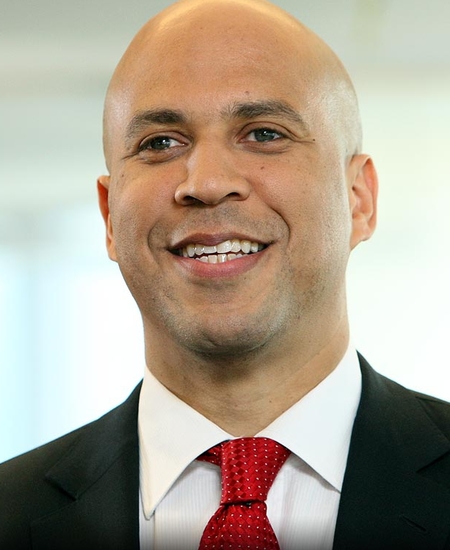
Cory A. Booker
76% support rate
Top opponent
Christopher H. Smith
33% support rate
Ranked legislators
7
5 support · 2 oppose
Key legislators

Who's moving healthcare in New Jersey

Legislators moving healthcare in New Jersey
Legislator Party Stance Support rate Votes
Cory A. Booker
Cory A. Booker Senate
D
Support
76% 214
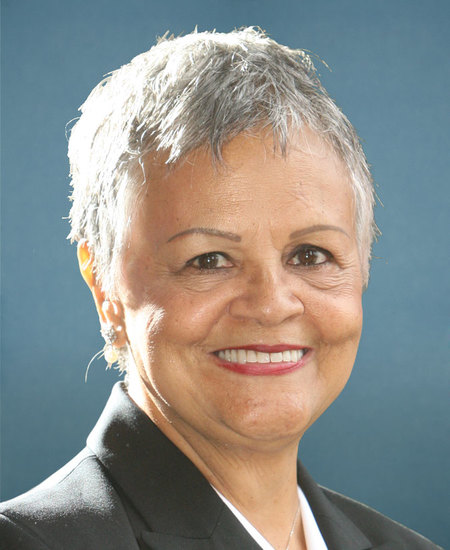
Bonnie Watson Coleman
Bonnie Watson Coleman House · District 12
D
Support
61% 206
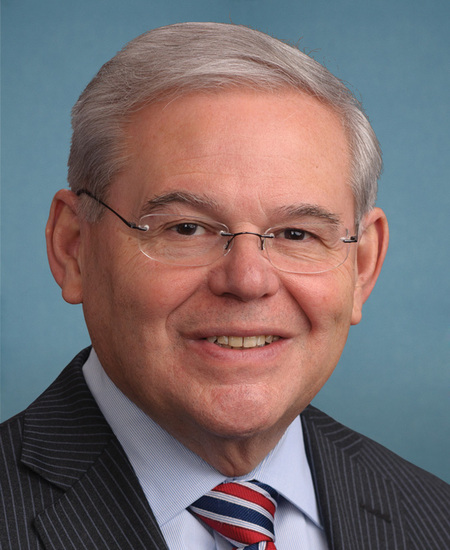
Robert Menendez
Robert Menendez House · District 8
D
Support
61% 211
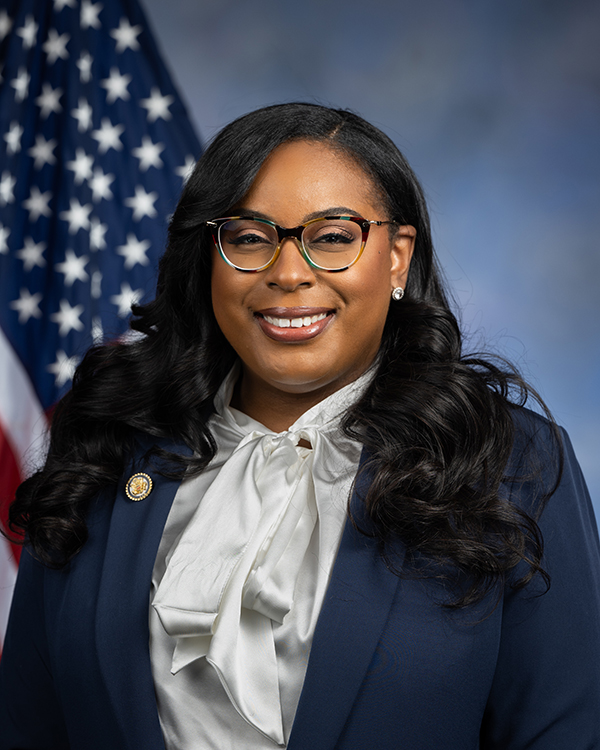
LaMonica McIver
LaMonica McIver House · District 10
D
Support
61% 211
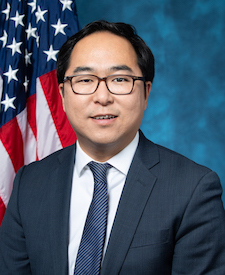
Andy Kim
Andy Kim Senate
D
Mixed
59% 223
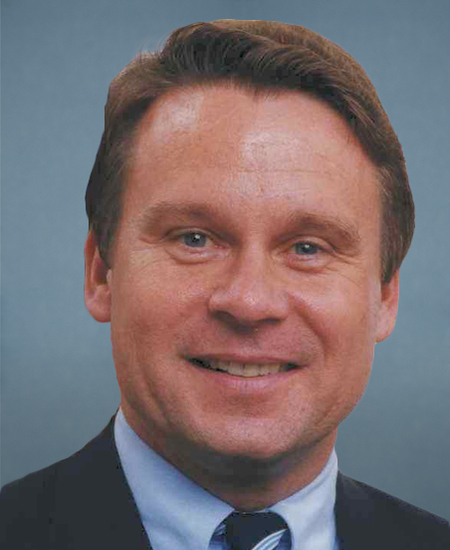
Christopher H. Smith
Christopher H. Smith House · District 4
R
Oppose
33% 211
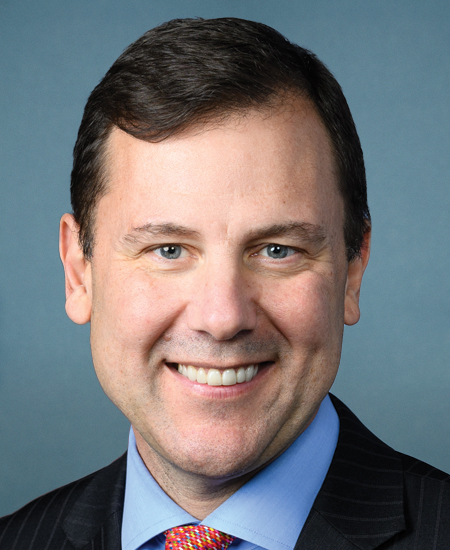
Thomas H. Kean, Jr.
Thomas H. Kean, Jr. House · District 7
R
Mixed −
47% 162
Showing 1–10 of 875 bills

All healthcare bills

in committee · United States · House Sep 8, 2026

HRES 1514: Recognizing suicide as a serious public health problem, expressing support for the designation of September 8, 2026, as "988 Day" and the role of the 988 Suicide and Crisis Lifeline, and for other purposes.

This House resolution formally recognizes suicide as a significant public health issue in the United States and highlights the impact of the 988 Suicide and Crisis Lifeline on individuals and communities. It commends the establishment of the 988 number as a nationwide three-digit dialing code for crisis support, noting its role in connecting people to mental health resources. The bill supports the designation of September 8, 2026, as "988 Day" to raise awareness about the service and promote access to mental health care. Additionally, it encourages continued public education and federal, state, and local efforts to expand crisis intervention programs for high-risk populations.
in committee · United States · House Jul 23, 2026

HR 9946: Equity in STI Testing Act

The Equity in STI Testing Act requires Medicare Advantage, Medicaid, CHIP, TRICARE, and the Department of Veterans Affairs to cover screening tests for HIV, gonorrhea, syphilis, trichomoniasis, and chlamydia without charging beneficiaries any out-of-pocket costs. The bill directly affects patients enrolled in these federal health programs by eliminating copayments and deductibles specifically for these preventive screenings. It also mandates that the Indian Health Service provide these tests to eligible Native Americans at no cost, regardless of whether the services are typically authorized under their purchased or referred care systems. These changes take effect on different timelines depending on the specific program, with some provisions applying immediately upon enactment and others starting in the following calendar year.
in committee · United States · Senate Jul 22, 2026

S 5066: Health Equity and Accountability Act of 2026

The Health Equity and Accountability Act of 2026 is a comprehensive legislative proposal designed to reduce health disparities by mandating standardized data collection on race, ethnicity, gender identity, and socioeconomic status across federal health programs. The bill requires the Department of Health and Human Services to establish new commissions and task forces focused on preventing bias in artificial intelligence and ensuring equitable data reporting during public health emergencies. It also expands access to care for underserved populations by removing citizenship barriers to Medicaid, increasing funding for minority-serving institutions, and requiring culturally and linguistically appropriate services from federally assisted health providers. Additionally, the legislation addresses specific disease disparities through targeted research grants and mandates that drug manufacturers investigate and report on racial or ethnic differences in drug safety and effectiveness.
in committee · United States · House Sep 10, 2026

HRES 1528: Recognizing suicide as a serious public health problem and expressing support for the designation of September, 2026, as "National Suicide Prevention Month" as well as September 10, 2026, as "World Suicide Prevention Day".

This House resolution formally recognizes suicide as a serious public health problem in the United States and expresses support for designating September 2026 as National Suicide Prevention Month and September 10, 2026, as World Suicide Prevention Day. The bill cites data from the CDC, SAMHSA, and the VA to highlight that suicide is a leading cause of death among young people, veterans, and during the postpartum period, while also noting the significant economic costs associated with it. It declares suicide prevention a national priority and emphasizes that mental health is as important as physical health. The resolution supports the development of strategies to improve access to quality mental health, substance abuse, and suicide prevention services for all communities.
in committee · United States · House Sep 8, 2026

HRES 1519: Supporting the designation of September 17, 2026, as "National Physician Suicide Awareness Day" to raise awareness of, and promote a national discussion about, physician suicide and to reduce the stigma of mental health conditions, and for other purposes.

This House resolution supports designating September 17, 2026, as "National Physician Suicide Awareness Day" to highlight the mental health challenges facing doctors in the United States. The bill cites high levels of stress, burnout, and stigma among physicians as key reasons for establishing this day of reflection and education. It encourages the President to issue a proclamation urging the public to observe the date with awareness campaigns and educational activities. Additionally, the resolution calls for increased research into the barriers that prevent physicians from seeking mental health care.
Sub-Topics Mental Health
in committee · United States · House Aug 17, 2026

HR 10116: Lifeline for First Responders Act

The Lifeline for First Responders Act establishes a new federal grant program administered by the National Highway Traffic Safety Administration to support the mental health and well-being of first responders. The program provides funding to eligible entities, including fire services, emergency medical services agencies, and dispatch centers, at all levels of government. Grant funds may be used for evidence-based stress reduction, suicide prevention, confidential counseling, family support services, and outreach programs aimed at reducing stigma. The bill authorizes $7.5 million in appropriations annually for fiscal years 2028 through 2032 to carry out these initiatives.
Sub-Topics Mental Health Tags Public Safety
in committee · United States · House Aug 27, 2026

HR 10161: MANNARINO Act

The MANNARINO Act requires states to ban the sale of scented or flavored nitrous oxide products and other non-exempt nitrous oxide items in order to receive certain federal public health grants. The law allows exemptions for nitrous oxide used in medical, veterinary, dental, food manufacturing, industrial, or automotive applications. If a state fails to implement these sales prohibitions, the Secretary of Health and Human Services can reduce its federal grant allotment by up to 10 percent. These requirements would take effect starting in the third fiscal year after the bill is enacted.
Sub-Topics Public Health
in committee · United States · House Sep 1, 2026

HRES 1506: Expressing support for the designation of September 2026 as "National Prostate Cancer Awareness Month".

This House resolution expresses support for designating September 2026 as National Prostate Cancer Awareness Month to highlight the disease's impact on men in the United States. It calls on the public, interest groups, and affected individuals to promote awareness of screening methods and participate in ceremonies observing the month. The text also urges steps to encourage research into prevention, early detection, and cures, while improving access to quality health care services for prostate cancer treatment.
in committee · United States · House Aug 27, 2026

HR 10160: Vet CENTERS for Mental Health Act of 2026

The Vet CENTERS for Mental Health Act of 2026 requires the Secretary of Veterans Affairs to ensure that every state meets a specific minimum number of mental health treatment centers within one year of enactment. For states in the contiguous United States, this minimum is calculated as the greater of one center per 30,000 square miles of land or one center per 55,000 veterans based on census data. Non-contiguous states and territories must maintain at least one center or match their existing count from January 1, 2020, whichever is higher. To achieve these targets, the Secretary may open new facilities using buildings provided by state, local, or tribal governments, and can establish outstations in place of full centers if multiple additional sites are needed in a single state.
in committee · United States · House Sep 3, 2026

HR 10280: 9–8–8 Implementation Act of 2026

The 9-8-8 Implementation Act of 2026 expands federal funding and mandates insurance coverage for behavioral health crisis services, directly affecting individuals experiencing mental health or substance use emergencies as well as the providers who serve them. The bill authorizes grants to upgrade local lifeline call centers, build new crisis stabilization facilities, and train a larger workforce of behavioral health professionals. It requires Medicare, Medicaid, private group health plans, TRICARE, and other federal insurance programs to cover crisis response services with financial terms no more restrictive than standard medical care. Additionally, the legislation establishes a federal panel to develop training protocols for 9-1-1 dispatchers to better connect callers to appropriate crisis care rather than law enforcement responses.
Showing 1 to 10 of 875 bills
1 2 3 88 Next