

Maddy summaryHR 1041, the Veterans 2nd Amendment Protection Act, prevents the Department of Veterans Affairs (VA) from automatically sending veterans' personal information to the national background check system (NICS) solely because a court has appointed a fiduciary (like a guardian) to manage their benefits. This directly affects veterans who have a fiduciary appointed due to mental health or cognitive challenges but are not deemed a danger to themselves or others. The bill requires a court order finding the veteran poses a danger before any such information can be shared with the NICS. It changes VA procedures to block unnecessary barriers to firearm ownership for veterans who qualify for fiduciary support without a judicial determination of danger.
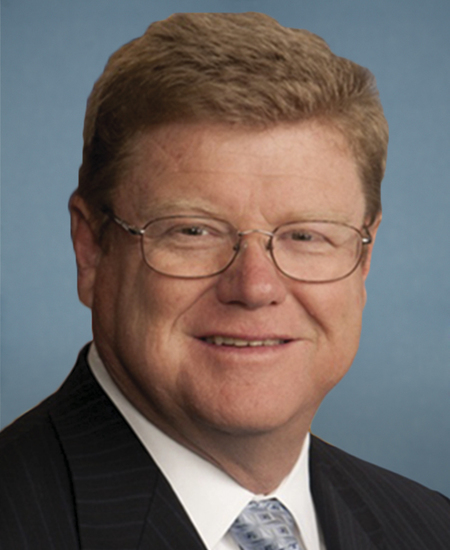
Rep. Mark E. Amodei
Sponsored bills
Maddy summaryThe Smithsonian American Women’s History Museum Act authorizes the creation of a new Smithsonian museum dedicated to women’s history, to be located within the National Mall Reserve in Washington, D.C. If the site is managed by another federal agency, the bill requires that agency to transfer the land after notifying Congress and relevant committees. The museum must ensure exhibits and programs accurately represent diverse women’s experiences by consulting a broad range of experts and community voices. The Smithsonian will submit biennial reports to Congress detailing how the museum meets these representation standards.
Maddy summaryThis bill would amend federal law to strengthen penalties for organized retail crime by expanding definitions of theft to include digital goods, gift cards, and setting a $5,000 aggregate value threshold for charges over a 12-month period. It would establish a new "Organized Retail and Supply Chain Crime Coordination Center" under Homeland Security to coordinate Federal, State, local, and Tribal law enforcement efforts against cross-jurisdictional theft groups. The Center would share information with retailers, transportation companies, and law enforcement agencies, track crime trends, and produce annual reports on organized retail crime. This legislation directly affects retailers, supply chain businesses, and law enforcement agencies, while targeting organized crime groups responsible for a 93% increase in larceny incidents and rising safety concerns for retail employees. The bill aims to address significant financial losses and supply chain disruptions noted in the National Retail Federation's 2023 data.
Maddy summaryThe Connected Vehicle Security Act of 2026 restricts the importation, sale, and manufacture of vehicles and related technology from specific countries, including China, Russia, Iran, and North Korea, to address national security concerns. The law defines prohibited items as connected vehicles, their software, and hardware components and sets different effective dates, with vehicle bans starting in 2027 and hardware restrictions beginning in 2030. A government official can grant exceptions for specific items after reviewing security risks and notifying Congress, while the agency must publish annual reports on enforcement actions and compliance.
Maddy summaryThis resolution expresses support for designating April as Undiagnosed Awareness Month to highlight the challenges faced by the approximately 25 million Americans living with rare diseases that have not yet been identified. The bill aims to raise public awareness about the difficulties these patients endure, such as long diagnostic delays, misdiagnoses, and lack of treatment options, while honoring the work of the Undiagnosed Diseases Network and related research efforts. By acknowledging this month, the House intends to promote greater understanding of the need for improved diagnostic tools and equitable access to medical care for individuals with undiagnosed conditions.
Maddy summaryThis House Resolution recognizes the efforts and public safety contributions of linemen and the important role they play in maintaining the nation's energy infrastructure. It expresses support for designating April 18, 2026, as "National Lineman Appreciation Day" and acknowledges linemen as first responders.
Maddy summaryThe ESA Amendments Act of 2025 makes significant changes to the Endangered Species Act of 1973 to streamline conservation efforts and reduce regulatory burdens. It establishes a national listing work plan with priority classifications for species to better allocate resources, and creates "Candidate Conservation Agreements with Assurances" that provide private landowners with regulatory certainty in exchange for conservation actions. The bill also requires the government to publish the basis for listings online, streamlines permitting processes for projects that comply with conservation measures, and modifies critical habitat designation to better accommodate existing conservation plans on private lands. These changes aim to improve conservation outcomes while reducing delays for landowners, developers, and federal agencies working with listed species.
Maddy summaryThe Swalwell Act aims to reform how workplace misconduct claims involving Members of Congress and senior staff are handled. It prohibits the use of federal or campaign funds to pay settlements or awards for such claims, making the individuals personally liable for the full amount. The bill mandates the creation of a public database disclosing details of these settlements and awards, including historical data, while protecting victims' identities. Additionally, it requires prompt referral of any allegations of criminal conduct by Members or senior staff to the Department of Justice, regardless of settlement agreements.
Maddy summaryThis bill, titled the Bonneville Power Leadership Recruitment Act, adjusts the pay scale for the Administrator and employees of the Bonneville Power Administration to match compensation levels at consumer-owned utilities in the Western Interconnection. It requires the Secretary of Energy to conduct an annual survey of utility compensation and set pay rates accordingly, with considerations for recruitment, retention, and the agency's budget and mission goals. The changes apply to the Administrator's basic pay and to Senior Executive Service employees, aiming to make their total compensation competitive with similar private utility positions in the region.
Maddy summaryThis bill establishes new safety and medical requirements for "unified boxing organizations" (UBOs), which are boxing groups that manage title belts and rankings without separate sanctioning bodies. It directly affects UBOs and boxers under their contracts by mandating comprehensive medical screenings (including annual physicals, brain MRIs, and pregnancy tests for female boxers), requiring two ambulances and three physicians at ringside during matches, and providing boxers with mandatory health insurance covering $25,000 in injury costs. Key provisions include strict anti-doping testing protocols (with no cost to boxers), prohibitions on boxers betting on matches, and UBOs covering all medical expenses. The bill also requires UBOs to register publicly with the Federal Trade Commission and adhere to updated industry standards for boxer compensation and safety.