Issue · Budget & Taxes

Budget & Taxes

Every budget & taxes bill, vote, and legislator stance in New Hampshire, automatically classified by Maddy, our AI policy reader.

Total bills
8
119th Congress
Top supporter
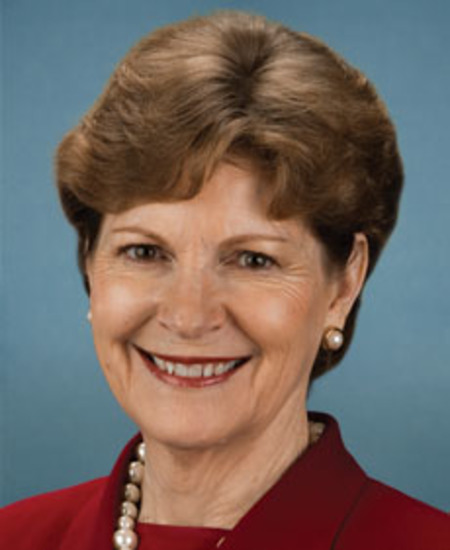
Jeanne Shaheen
69% support rate
Top opponent
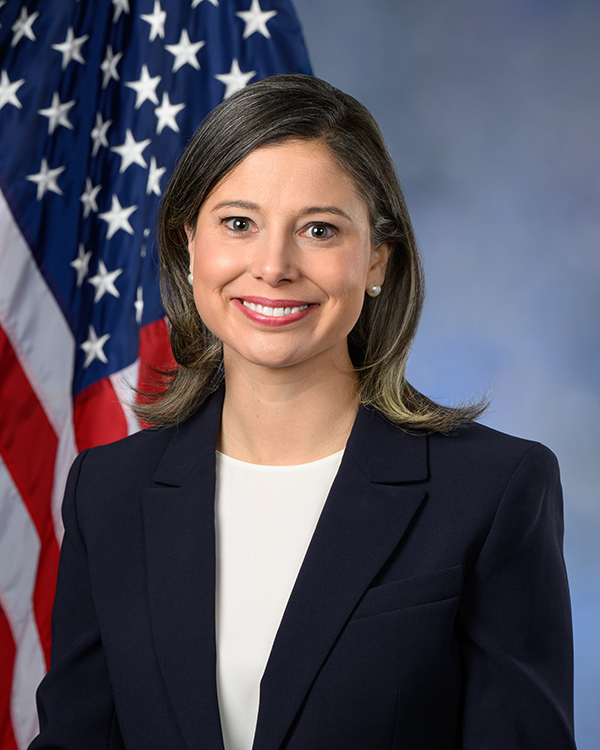
Maggie Goodlander
18% support rate
Ranked legislators
4
2 support · 2 oppose
Key legislators

Who's moving budget & taxes in New Hampshire

Legislators moving budget & taxes in New Hampshire
Legislator Party Stance Support rate Votes
Jeanne Shaheen
Jeanne Shaheen Senate
D
Support
69% 269
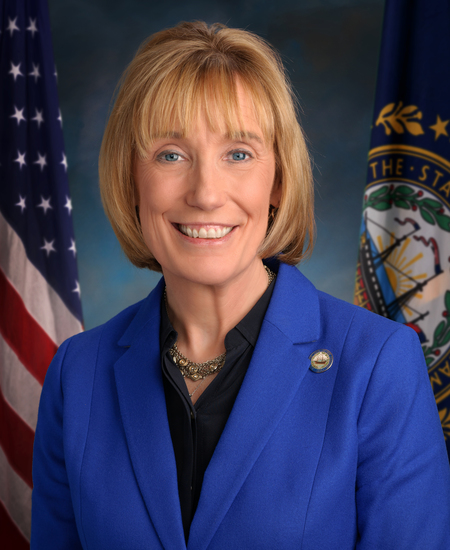
Margaret Wood Hassan
Margaret Wood Hassan Senate
D
Support
67% 272
Maggie Goodlander
Maggie Goodlander House · District 2
D
Strong −
18% 185
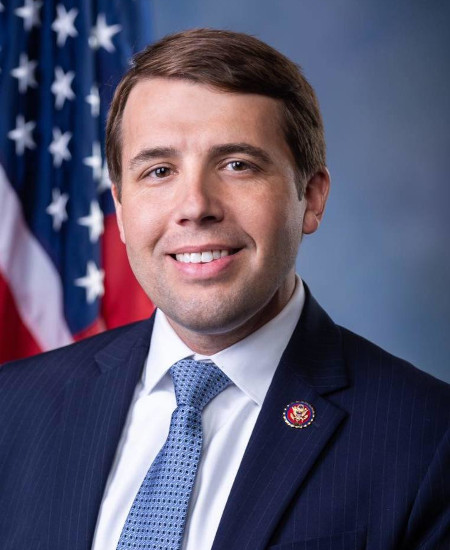
Chris Pappas
Chris Pappas House · District 1
D
Strong −
18% 184
Showing 8 of 8 bills

All budget & taxes bills

in committee · United States · Senate Jun 16, 2026

S 4791: A bill to abolish the Anti-Weaponization Fund, and for other purposes.

This bill abolishes the Anti-Weaponization Fund, a financial reserve created by the Attorney General during the Trump v. Internal Revenue Service legal case. It also declares an order issued on May 19, 2026, regarding the release of certain claims as invalid and without effect. The legislation directly impacts the Department of Justice by removing this specific fund and reversing the associated administrative directive.
in committee · United States · House Jun 10, 2026

HR 9239: Drain the Slush Fund Act

This bill, known as the Drain the Slush Fund Act, prevents the U.S. government from paying any court judgments, settlements, or legal costs to the President or Vice President. It directly affects the federal budget and legal system by amending existing laws to block such payments for any lawsuits filed by these officials. The measure applies to all cases pending or filed on or after January 20, 2025, ensuring that no financial awards can be made to the highest-ranking executive officers.
in committee · United States · House May 21, 2026

HR 8955: Bipartisan Transparency for American Taxpayers Act

The Bipartisan Transparency for American Taxpayers Act prohibits the use of federal funds to pay claims submitted to the Anti-Weaponization Fund. This fund was established by the Department of Justice on May 18, 2026, and the bill specifically bars any money from being used for these payments. The legislation directly affects the Department of Justice and any individuals or entities seeking reimbursement from this specific fund. By restricting funding sources, the bill aims to prevent taxpayer money from being spent on claims directed to this newly created entity.
Tags Government Transparency
in committee · United States · Senate Mar 17, 2026

S 4114: Student Protection and Success Act

This bill, titled the Student Protection and Success Act, requires colleges and universities to share financial risk with the federal government by making payments based on how many student loans remain unpaid. Starting in fiscal year 2028, institutions with a cohort repayment rate of 15 percent or lower would lose eligibility for federal student loan programs for up to three years, while colleges with rates above 25 percent could receive bonus grants to support low-income students. The bill also establishes a new payment system where schools must contribute a percentage of the outstanding loan balances for borrowers who have not made progress on paying down their debt, with exceptions for students in deferment due to military service, graduate school, or other qualifying circumstances. These measures aim to hold institutions accountable for student loan outcomes while providing incentives for improving access and success for economically disadvantaged students.
passed · United States · House Jan 13, 2026

HR 909: Crime Victims Fund Stabilization Act of 2025

HR 909, the Crime Victims Fund Stabilization Act of 2025, modifies how funds from the False Claims Act are deposited into the Crime Victims Fund. It specifies that from 2025 through 2029, certain False Claims Act proceeds (specifically those for qui tam plaintiff payments and government damage reimbursements) cannot be deposited into the fund. This change directly affects the composition of the Crime Victims Fund by excluding these specific revenue streams during the specified period. The bill does not create new benefits or alter victim services; it only adjusts fund allocation rules for existing False Claims Act revenues.
Sub-Topics Victims' Rights
in committee · United States · House Feb 13, 2025

HCONRES 12: Supporting the Local Radio Freedom Act.

This concurrent resolution declares that Congress should not impose any new performance fee, tax, royalty, or other charge relating to the public performance of sound recordings on a local radio station for broadcasting sound recordings over the air, or on any business for such public performance of sound recordings.
in committee · United States · House Apr 30, 2026

HR 2424: Modern, Clean, and Safe Trucks Act of 2025

HR 2424, the Modern, Clean, and Safe Trucks Act of 2025, repeals a 12% federal excise tax on new heavy trucks, tractors, and trailers. This tax currently adds significant costs - $7,000+ for trailers, $20,000+ for clean diesel trucks, and up to $50,000 for advanced technology trucks - discouraging replacement of older, less efficient vehicles. The bill directly affects truck manufacturers, dealers, and fleet operators by removing this cost barrier, making newer, cleaner models more affordable. It aims to accelerate the adoption of modern trucks with improved safety and environmental features, particularly benefiting electric and alternative-fuel vehicles that face higher upfront costs.
in committee · United States · Senate Oct 29, 2025

S 3072: No Coffee Tax Act

This bill, S 3072 (No Coffee Tax Act), prevents new tariffs on coffee imports from countries with normal trade relations with the U.S. It freezes the existing tariff rate for coffee products at the level effective as of January 19, 2025, prohibiting any increase. The bill directly affects U.S. coffee importers, roasters, and businesses that rely on imported coffee beans or products. Key provisions require that no additional duty or tariff may be imposed above this frozen rate, regardless of emergency circumstances or other tariff authorities.